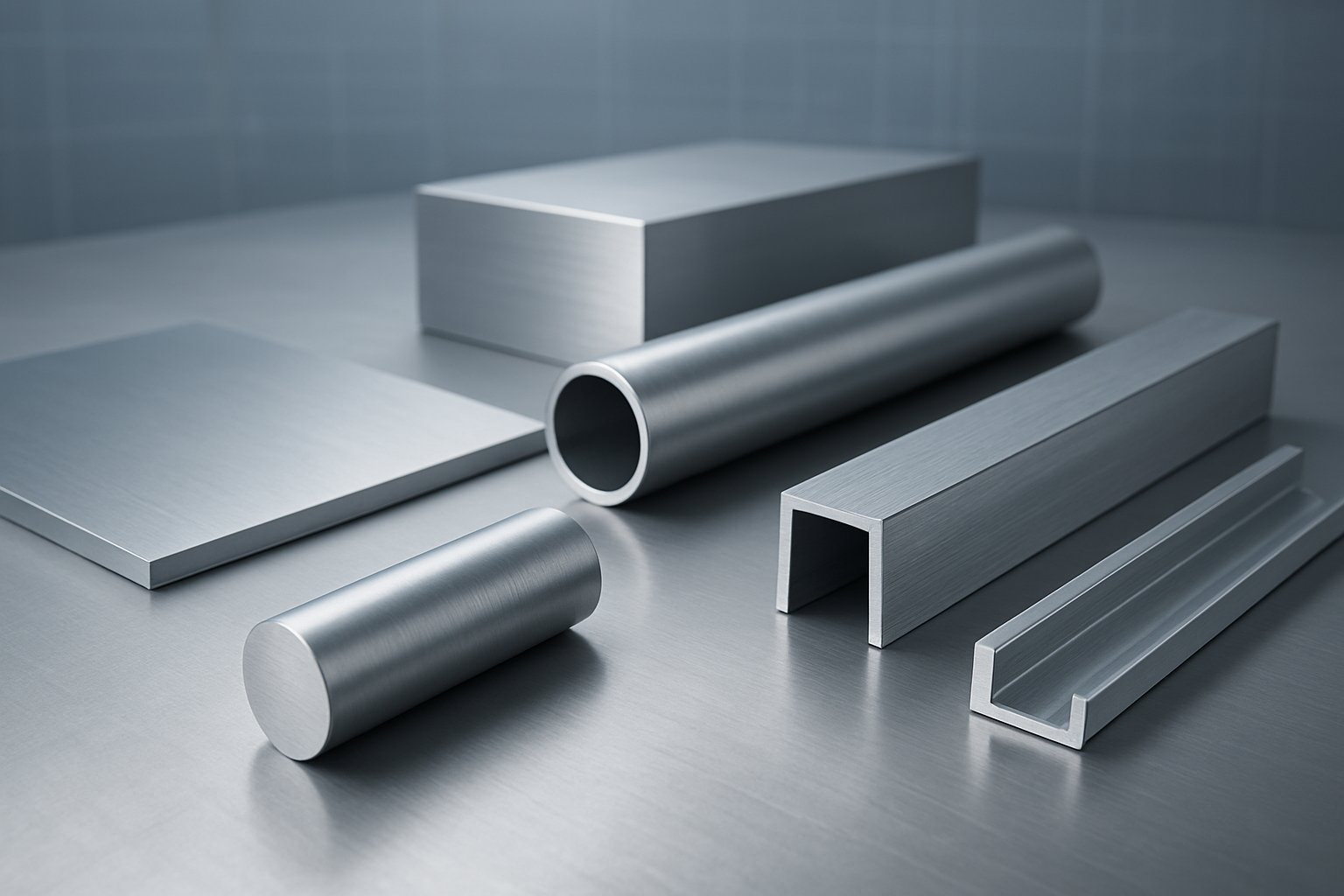
Aluminum is a chemical element. An aluminum alloy is aluminum intentionally mixed with other elements to change performance. In practice, alloying lets engineers keep aluminum's low weight while adjusting strength, corrosion behavior, formability, weldability, or machinability for a specific job.
If you have ever wondered what is aluminum alloy, the plain answer is simple: it is not a different metal from aluminum, but a tuned version of it. And if your question is is aluminum an alloy, the answer is no. Aluminum itself is an element. Many products people casually call aluminum are actually alloys made from that element.
The confusion usually comes from everyday wording. In real manufacturing, people may mean three different things when they say aluminum. One is the element itself. Another is commercially pure aluminum, often the 1xxx series, which contains at least 99.0% aluminum and is valued for conductivity, softness, and corrosion resistance. The third is alloyed material, where small additions of alloying elements such as magnesium, silicon, copper, zinc, or manganese create very different behavior.
A foil-like sheet, a marine panel, and an aircraft fitting may all be called aluminum, yet they should not be specified the same way. Picking the wrong family can mean a part bends too easily, corrodes too fast, or becomes hard to fabricate. The real differences start at the chemistry level, where each added element pushes the metal in a different direction.
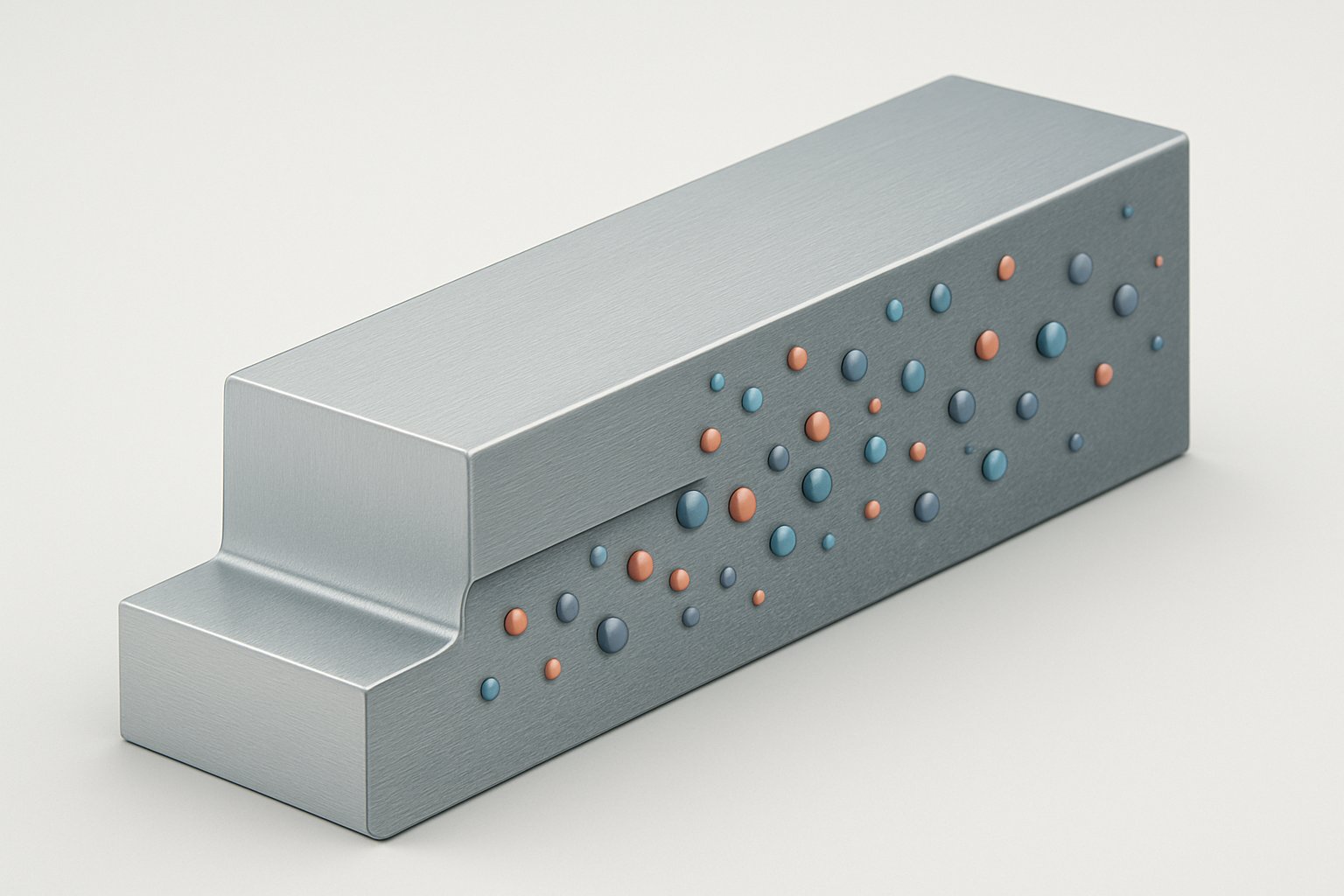
The biggest differences in aluminum often start with a surprisingly small change in chemistry. That is why two parts that both look like aluminum can machine, weld, bend, or corrode very differently in service. In practical terms, the aluminum alloy composition tells you what the metal is being optimized to do.
Among the most important elements of aluminum alloy systems are magnesium, silicon, copper, zinc, and manganese. Metallurgy sources from Total Materia and fabrication guidance from Lincoln Electric show a clear pattern: each addition shifts the balance between strength, corrosion resistance, weldability, and formability.
| Element | What it tends to improve | Typical tradeoff |
|---|---|---|
| Magnesium | Higher strength, good corrosion resistance, good weldability | More difficult fabrication as content rises |
| Silicon | Better fluidity, lower melting behavior, useful heat-treatment response with Mg | Usually not chosen for maximum strength by itself |
| Copper | High strength, strong response to heat treatment and aging | Lower corrosion resistance and tougher welding behavior |
| Zinc | Very high strength, especially with magnesium and copper | Lower corrosion tolerance in some systems and greater cracking sensitivity |
| Manganese | Moderate strength gain with good corrosion behavior | Not the route for top-end strength |
If you are comparing the composition of aluminium alloys, magnesium usually points toward a balanced, shop-friendly material. Copper and zinc push harder toward strength, which is why they show up in demanding aerospace-style systems, but that strength often comes with less forgiving corrosion or welding behavior. Silicon matters most when melting behavior, casting or filler performance, and heat-treatment response are part of the job. Manganese is quieter but useful, especially where formability and corrosion still matter.
That is the real value of understanding alloy chemistry. You are not just learning a list of elements in aluminium. You are learning why one grade is easy to bend, another is easy to weld, and another is chosen mainly for strength. Those chemistry families become the logic behind the aluminum series names, which is where material selection starts getting much faster and far more practical.
When people search for aluminum grades or scan a long aluminum alloys list, the quickest way to make sense of it is the series number. In the wrought classification system, each alloy uses a four-digit designation. The first digit identifies the main alloying element, the second digit marks a modification, and the last two digits identify the specific alloy. In the 1xxx family, those last two digits instead show minimum purity above 99 percent. The basic naming logic used for wrought products is outlined by Michlin Metals, while broader family traits are reflected across HTS Aluminium and Pennex.
This matters because the series gives you the alloy family before you ever compare a specific grade like 3003, 5052, or 6061. That family tells you the general direction of the material. Is it mostly about conductivity, corrosion resistance, weldability, extrudability, or high strength? Thinking at the series level helps you eliminate poor fits early, which is far more practical than jumping straight into detailed data sheets.
| Series | Main alloying element | General strength | Corrosion resistance | Weldability | Formability | Best-fit applications |
|---|---|---|---|---|---|---|
| 1xxx | 99%+ aluminum | Low | Excellent | Good | Excellent | Electrical conductors, chemical equipment, foil, heat-transfer parts |
| 2xxx | Copper | High | Lower than many other series | Limited or challenging | Usually lower than softer series | Aerospace structures, fatigue-loaded parts, high-strength components |
| 3xxx | Manganese | Moderate | Good to excellent | Good | Excellent | Cookware, packaging, building sheet, general-purpose formed parts |
| 4xxx | Silicon | Varies by grade | Varies by grade | Often favored in welding filler use | Not usually the first choice for deep forming | Welding wire, filler metal, specialized wear-resistant products |
| 5xxx | Magnesium | Moderate to high | Excellent | Good | Good | Marine parts, tanks, sheet metal, structural fabrications |
| 6xxx | Magnesium and silicon | Medium | Good | Good | Good | Extrusions, frames, structural members, architectural products |
| 7xxx | Zinc | Very high | Varies, often needs careful protection or temper choice | Usually limited | Usually lower than general-purpose series | Airframes, molds, fasteners, high-stress components |
| 8xxx | Other elements | Specialized | Varies by chemistry | Varies by chemistry | Varies by chemistry | Foil, packaging, specialty electrical products, selected aerospace uses |
If you are comparing types of aluminum for a real project, a few patterns show up fast. The 1xxx and 3xxx families lean toward conductivity, corrosion resistance, and easy forming. The 5xxx and 6xxx families handle a huge share of practical fabrication work because they balance strength with shop-friendly behavior. The 2xxx and 7xxx families step in when strength becomes the driver, but they usually ask for more care in corrosion control, welding, or processing.
This is why smart selection starts wide, then gets specific. The series tells you the family tradeoffs. The grade tells you which commercial option inside that family fits best. The temper, covered later, explains why two pieces from the same family can still behave very differently. That is also why familiar grades of aluminum like 5052, 6061, 6063, 2024, and 7075 make more sense once you see the family pattern first. Those names are where the broad logic of alloys of aluminum starts turning into real fabrication choices.
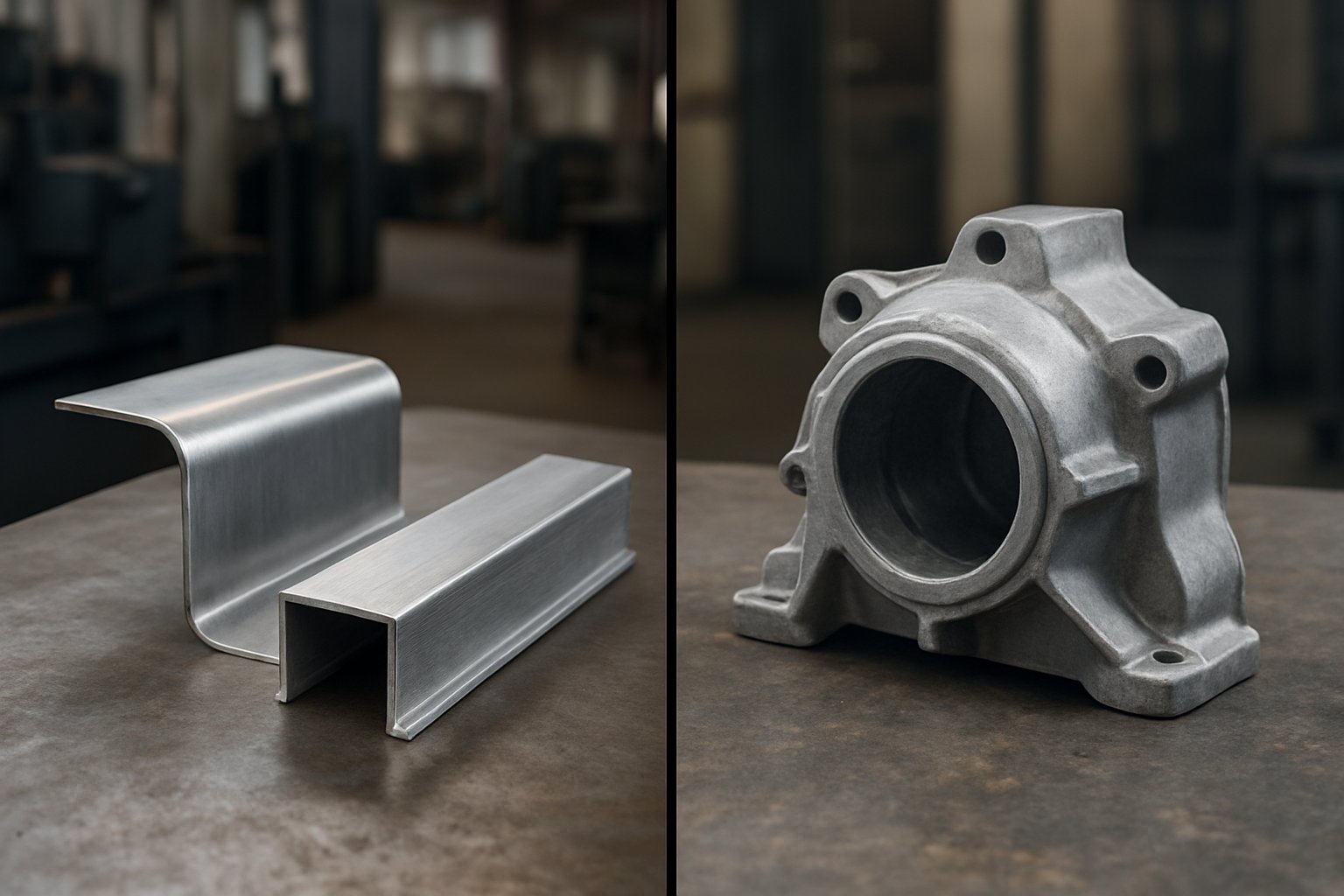
Those familiar grade numbers only tell part of the story. Among aluminum and aluminum alloys, the way the material is made often explains why one product bends nicely while another is better left as a rigid machined part. For buyers, fabricators, and engineers, the first useful split is simple: wrought versus cast.
The process distinction summarized by Gabrian is straightforward. Wrought material is cast first into billet or ingot, then mechanically worked by rolling, extrusion, drawing, or bending. Cast material reaches its shape by pouring molten metal into a mold and letting it solidify there.
In practical terms, wrought products dominate sheet, plate, bar, tube, and extrusion applications where you care about forming, joining, or standard stock shapes. Casting aluminum makes more sense when the geometry is complex, near-net shape matters, or machining a part from solid stock would waste too much material. A molded housing with ribs and internal features is a classic casting job. A bent enclosure, structural frame, or extruded profile is usually a wrought job.
Readers often search for a quick comparison table, but different aluminum alloys only become useful when the table is tied to real shop behavior. The commercial tendencies below reflect common guidance found in RapidAccu and Fictiv. Actual performance still depends on temper and product form.
| Grade | Formability | Weldability | Machinability | Corrosion resistance | Finish quality | Typical use context |
|---|---|---|---|---|---|---|
| 5052 | Excellent, especially for sheet bending | Excellent | Fair, can feel gummy in machining | Superior | Good to very good for sheet applications | Marine parts, tanks, enclosures, formed brackets |
| 6061 | Good overall, but tight bends depend heavily on temper | Excellent | Good | Excellent | Very good, accepts common finishes well | General structural parts, machined components, frames |
| 6063 | Excellent for extrusion and complex profiles | Excellent | Fair | Excellent | Excellent, smooth and lustrous appearance | Architectural extrusions, railings, window frames, conduit |
| 7075 | Poor to fair | Poor | Fair | Fair to lower, with cracking concerns in harsh service | Good for functional finishes, less favored for decorative use | High-stress aerospace and performance parts, gears, tooling |
| 2024 | Fair | Poor | Excellent | Poor | Less consistent for decorative anodizing | Aircraft skins, fatigue-loaded parts, fasteners, gears |
If your part has to bend, fold, or survive outdoor and marine exposure, 5052 is usually the forgiving choice. If you need the broadest all-around balance, 6061 remains the default workhorse. If appearance and extrusion quality matter more than peak strength, 6063 is often the cleaner answer.
7075 and 2024 sit in a different lane. They are strength-driven grades, but they ask for more discipline. Welding is far less forgiving, corrosion needs closer attention, and finish expectations should be realistic, especially with 2024. That is why comparison tables help, but they never close the case by themselves. A single letter and number after the grade can soften a metal, harden it, or change how it reacts to bending, welding, and machining.
A grade number tells you the chemistry. The temper tells you the condition in which that chemistry will actually show up in the shop. Hydro's guide to temper designations describes temper as the range of physical property variations achievable within an alloy. That is why the yield strength of aluminum and the tensile strength of aluminum can shift so much within the same grade. If you are comparing aluminum elastic modulus or young's modulus of aluminium, keep that separate from temper language. The designation itself is mainly telling you how the material was mechanically or thermally treated.
In plain language, the first letter is the big clue. O means annealed, or softened to the lowest-strength condition so the metal is easier to work and more ductile. H means strain-hardened, which is used for non-heat-treatable alloys strengthened by cold work. T means thermally treated, which is used for heat-treatable alloys whose properties come from heat treatment, quenching, and aging. The extra numbers narrow the condition further, so H14, H32, T4, and T6 are not small details. They are purchasing and fabrication details.
| Temper | Plain-language meaning | Strength trend | Formability trend | Fabrication behavior |
|---|---|---|---|---|
| O | Annealed, soft condition | Lowest | Highest | Best when you need easy bending or shaping |
| H | Strain-hardened family for non-heat-treatable alloys | Higher than O | Lower than O | Cold work raises strength, but bending gets less forgiving as hardness rises |
| H14 | A specific mid-range H condition | Moderate | Moderate to good | Often chosen when sheet still needs forming without being too soft |
| H32 | A specific H-family condition commonly seen in corrosion-resistant sheet alloys | Moderate | Good | Useful where formed parts still need practical in-service strength |
| T4 | Softer heat-treated condition | Lower than T6 | Better than T6 | More forgiving for forming before a harder final condition is needed |
| T6 | Harder heat-treated condition aimed at higher as-supplied strength | High | Lower than softer tempers | Less forgiving in tight bends and more sensitive to welding effects |
6061-T6 is a perfect example of why temper matters as much as grade. Fabrication guidance from The Fabricator notes that many shops default to 6061-T6 even when it is not the best fit. In that condition, 6061 offers attractive as-supplied strength, but it is less ductile than softer states. Bending references from Alubend describe T6 tempers as high strength with only moderate formability, especially when bend radii get tight.
Welding changes the picture again. Frank Armao reports 6061-T6 at 40 KSI tensile strength before welding and about 24 KSI after welding, with roughly 35 percent of the T6 properties lost in the welded condition. That is why "6061" by itself is incomplete. The aluminum yield strength you plan around, the shape you can bend, and the joint performance you end up with all depend on the temper.
That is the practical takeaway. Grade tells you the family. Temper tells you how that family will behave when you weld it, bend it, machine it, or finish it. And once fabrication enters the conversation, the smartest material choice starts with the job itself, not with the hardest label on the rack.
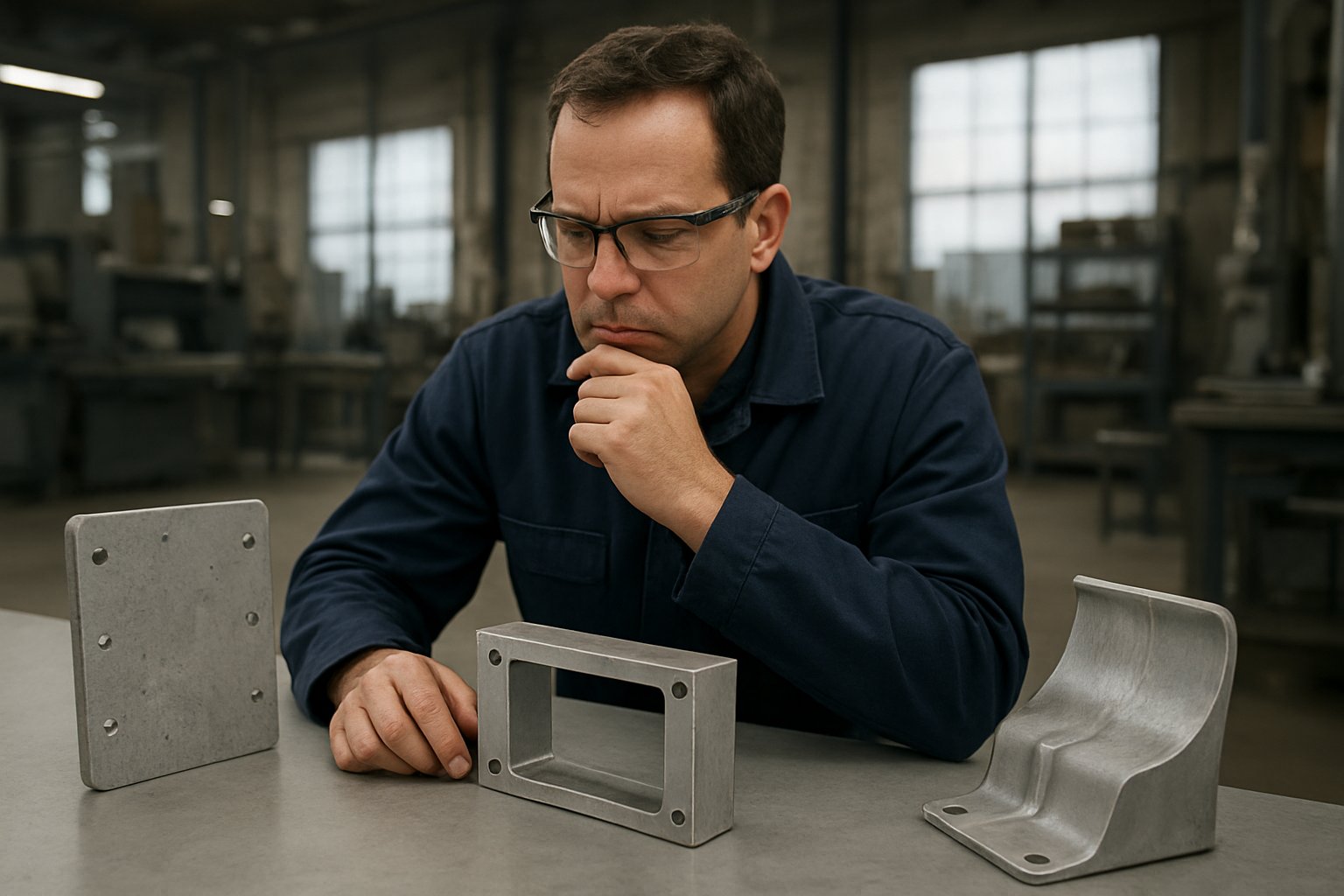
A grade chart is useful, but real selection starts somewhere less glamorous: the part has to survive its environment and make it through your process. Guidance from Southwest Aluminum frames the decision around application demands first, while Loftis Steel and Inductaflex show why structural, marine, decorative, and high-strength parts often need very different material choices. If you are asking what is aluminum used for, the honest answer is almost everything from tanks and window frames to aircraft parts, but not with one universal grade.
The smartest path is application first, not catalog first. Use this checklist before you lock in a specification:
This is where the alloy vs aluminum question becomes practical. In everyday speech, people say aluminum. In purchasing and fabrication, you are really choosing a tuned material system. For structural parts, balanced grades such as 6061 often win because they combine strength, corrosion resistance, and workable fabrication. For bent sheet, tanks, and marine exposure, 5052 is often the safer answer. For decorative or visual aluminum use, formability and finish quality can matter more than chasing the strongest possible number.
That also explains why aluminum alloy vs aluminum is not just a wording issue. The alloy and temper decide whether a part can be bent cleanly, welded without trouble, or survive outdoors without constant protection. Many common uses of aluminum in industry depend on that tradeoff rather than on raw strength alone.
A good material call should read like a manufacturing plan, not just a metal name. Grade, temper, form, finish, and service conditions all belong in the decision. That is when the next problem shows up: making sure the material that arrives is actually the material you intended to buy.
A smart material choice can still fail if the delivered lot does not match the order. Before a sheet, plate, or coil reaches the saw, brake, or weld bay, start with the test certificate and the receiving inspection checklist. Good verification begins with paperwork, then moves to physical checks.
If you need to confirm what is in aluminum alloy supplied to you, the chemistry section of the MTC is the first stop. But identification is wider than chemistry alone. AL Circle also recommends calibrated dimensional checks, flatness review, edge inspection, and surface checks for scratches, dents, oxidation, or coating issues. In higher-risk applications, some teams add supplementary screening such as PMI or hardness checks, but those support the documentation rather than replace it.
That discipline matters even more when the shape itself becomes part of the requirement. Stock forms are one thing. Purpose-built profiles demand another layer of verification tied to geometry, finish, and fit.
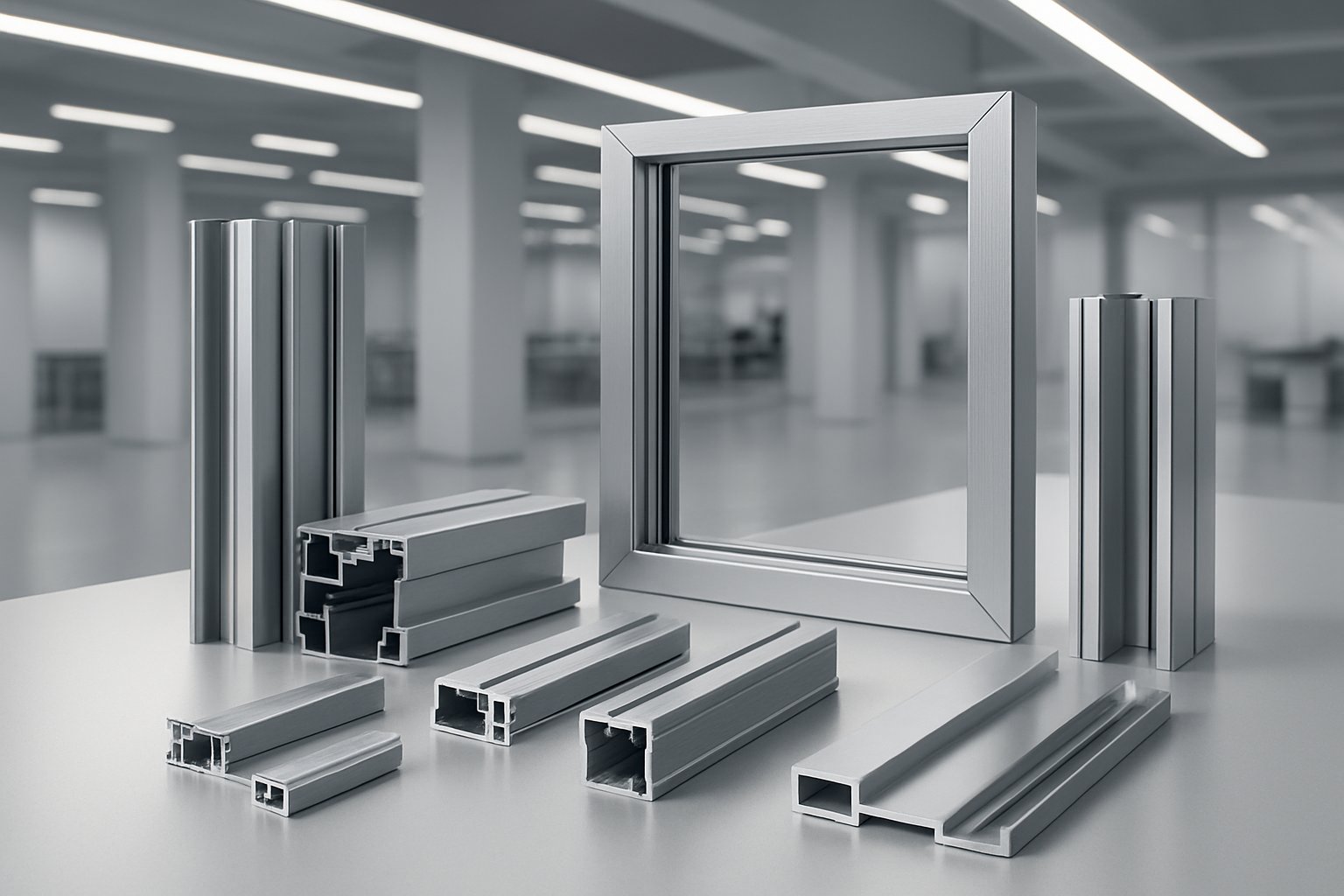
Verification tells you whether the right material arrived. Shape decides whether that material will work efficiently. In many searches for al extrusion, the real choice is between a standard stock form and a profile designed around the job.
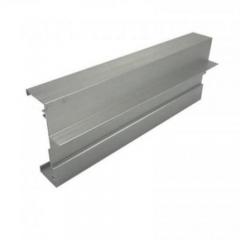
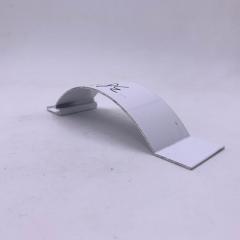
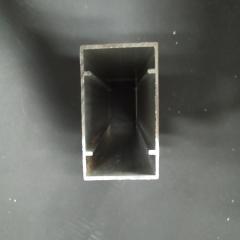
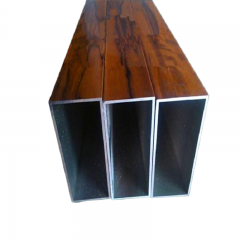
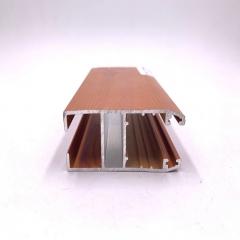
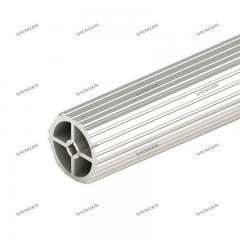
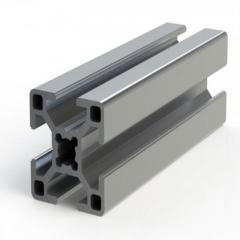
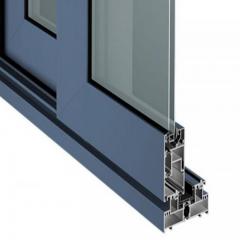
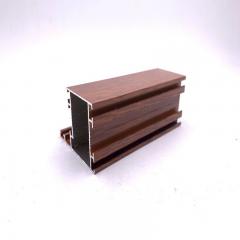
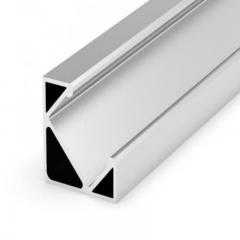
Guidance on standard vs custom profiles draws a practical line. Standard sections suit common shapes, quick availability, and lower upfront cost. Custom extrusions make more sense when a project needs precise dimensions, special geometry, or integrated features that improve efficiency and reduce material waste. That is why many aluminum alloy products for machine enclosures, aluminum frames, and specialty assemblies move beyond off-the-shelf bar, plate, or tube. It can also be smarter than machining large volumes away from an aluminum block.
| Option | Geometry efficiency | Assembly simplification | Finish options | Project fit |
|---|---|---|---|---|
| Custom profiles, such as Shengxin Aluminium | High for exact cross-sections and tailored features | Can reduce extra parts and secondary modification steps | Broad, including anodized finish routes and varied appearances | Best for architectural and industrial work with specific geometry or visual targets |
| Standard stock shapes | Good for common angles, channels, and tubes | May need added fabrication or design compromises | Available, but usually less tailored to the profile itself | Best for general-purpose jobs that value speed and lower tooling cost |
Anodizing is an electrolytic process that thickens the oxide layer on aluminum. The result is better corrosion resistance, improved wear resistance, and more finish choice, including clear, colored, bright, and matte looks. For any visible application aluminium buyers care about, that mix of durability and appearance can matter as much as strength.
Custom profiles earn their value when performance and aesthetics need to work together. Shengxin Aluminium is one useful catalog resource for that kind of project, especially where anodized custom extrusions are needed for building facades or custom machinery parts. The key point is still neutral: custom is not automatically better. It is better when geometry efficiency, cleaner assembly, and finish control justify added tooling and lead time. Then the specification needs to capture not just the alloy, but also the profile, finish, and documentation requirements.
When the material choice finally turns into a purchase order or drawing note, broad knowledge has to become a tight specification. That is where many mistakes happen. People remember the grade, but forget the temper, the form, or the finish. Yet the real-world properties of aluminum, including corrosion behavior, formability, and weldability, depend on that full combination, not on one number alone. Guidance from Xometry and the relative selection data from United Aluminum both point to the same lesson: series, grade, and temper only work when they are tied to process and service conditions.
The best aluminum alloy is the one whose tradeoffs match the process, environment, and part requirements.
If your project needs custom extrusions or finish flexibility, especially in architectural or industrial work, it helps to review supplier catalogs alongside the spec checklist. One practical example is Shengxin Aluminium, which offers custom extrusion profiles and anodized finish options for applications such as facades, frames, and machinery parts. Used that way, a catalog is not a substitute for engineering judgment. It is simply a resource for matching aluminium alloy properties, geometry, and finish choices to a real part.
That is the final habit worth keeping: specify the full system, not just the metal name. When series, grade, temper, form, finish, and paperwork all align, aluminum physical properties and shop performance stop being guesswork and start becoming predictable.
An aluminum alloy is aluminum that has been intentionally combined with small amounts of other elements to change how it performs. Those additions can improve strength, corrosion resistance, weldability, machinability, or forming behavior. In everyday buying and fabrication, most products called aluminum are actually alloyed grades rather than pure aluminum.
For many practical jobs, magnesium-based families are strong candidates because they balance durability with fabrication ease. 5052 is often preferred for formed sheet parts, tanks, and moisture-prone service, while 6061 is a popular choice for welded structural parts that also need machining and broad availability. The best option still depends on product form, temper, and how severe the service environment will be.
The grade tells you the alloy chemistry, but the temper tells you the material condition. That condition can change how easily the metal bends, how it behaves after welding, and how much strength it offers in use. A harder temper such as T6 may suit load-bearing parts, but a softer condition can be a better fit when shaping or forming is the priority.
Start with the mill test report and check that the alloy, temper, product form, standard, and traceability details match the purchase order and material labels. Then confirm the physical condition with receiving inspection, including dimensions, surface finish, and general condition. In critical applications, supplementary checks such as PMI or hardness screening may support the paperwork, but documentation should remain the first line of verification.
Custom extrusion is worth considering when the profile itself can simplify assembly, reduce secondary machining, improve appearance, or fit a design that standard bar, plate, or tube cannot match efficiently. This is especially useful in architectural systems, frames, and machinery components. For projects that need custom profiles with anodized or other finish options, supplier catalogs such as Shengxin Aluminium can be a practical next step during specification planning.



 dịch vụ trực tuyến
 0086 136 3563 2360
 sales@sxalu.com
 +86 136 3563 2360
 Việt
Việt English
 français
 Deutsch
 русский
 español
 português
 العربية
 ไทย
ไทย Українська