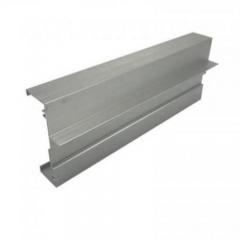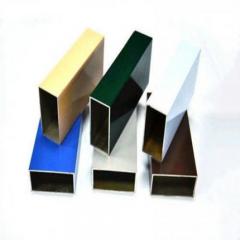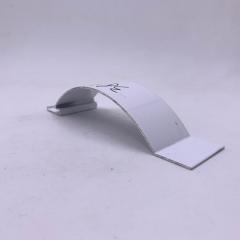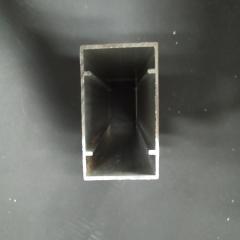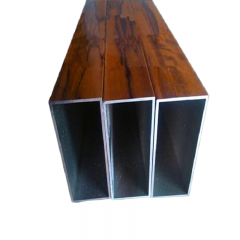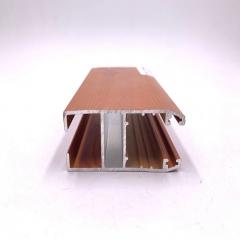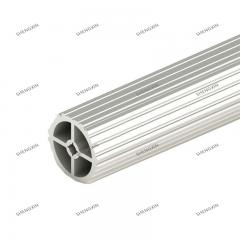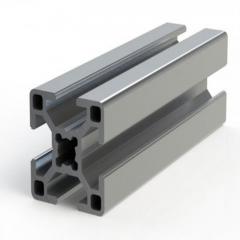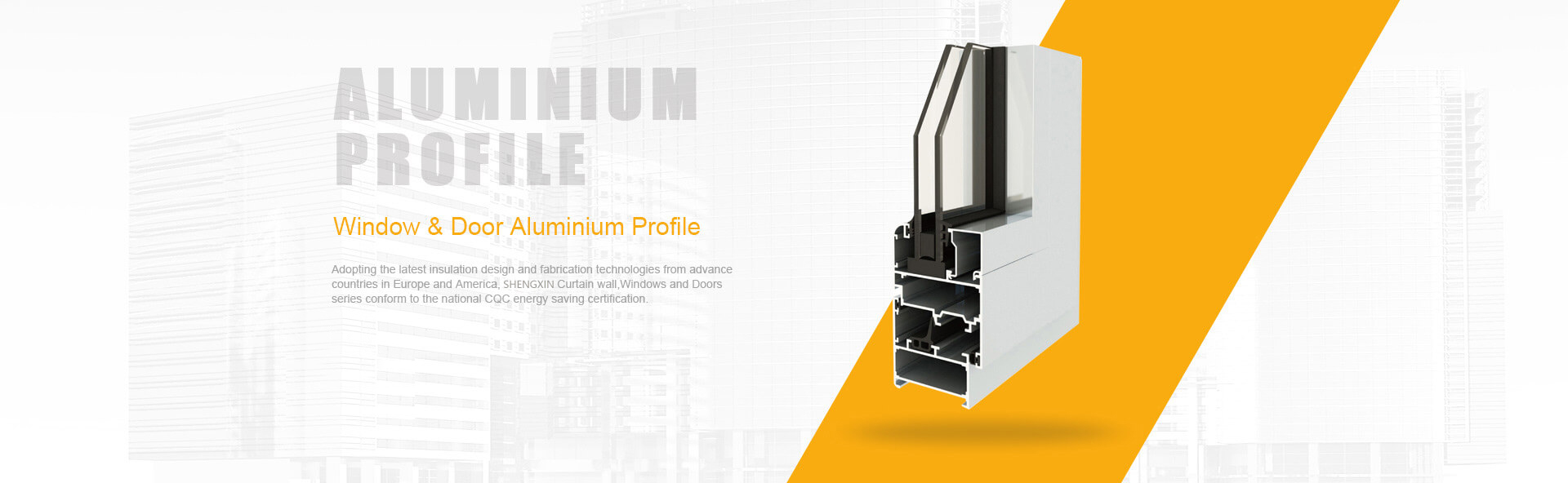
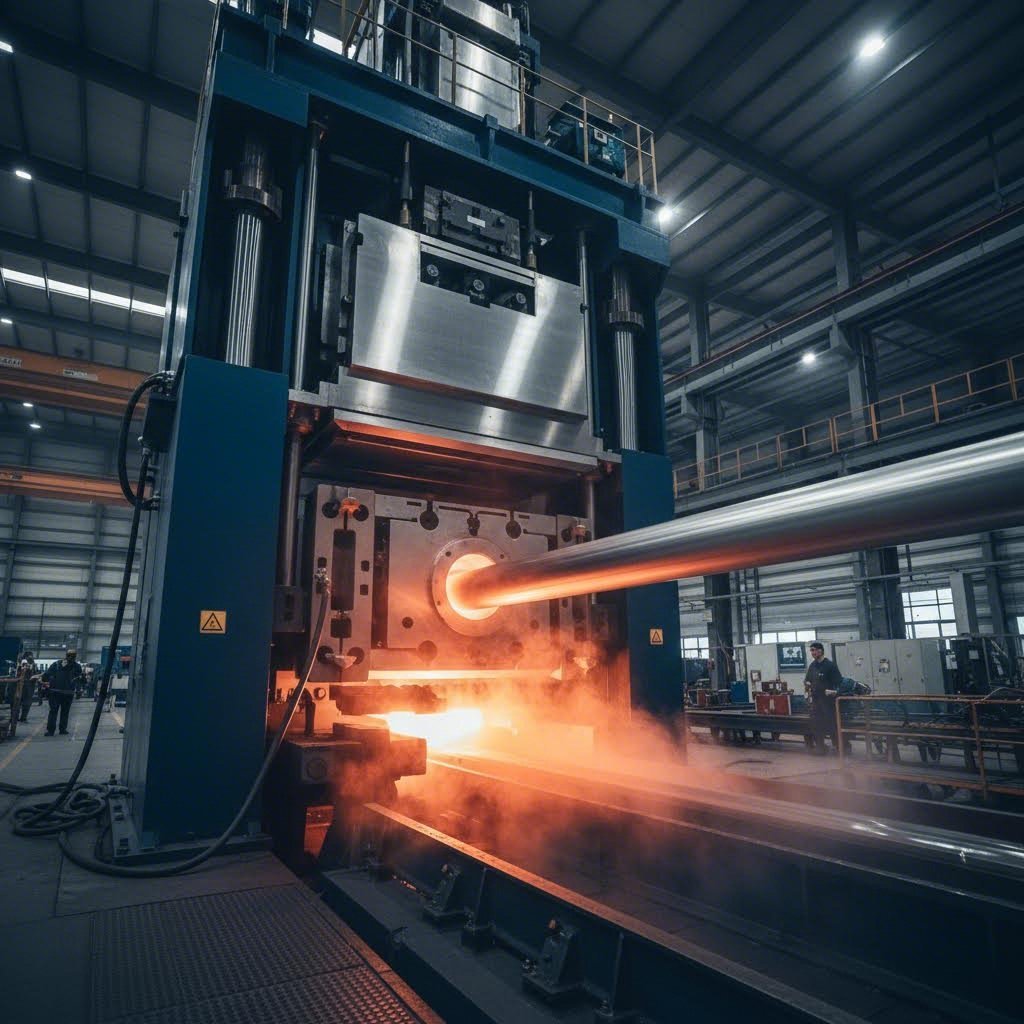
Imagine squeezing toothpaste through a tube—what comes out takes the exact shape of the opening. That's essentially how aluminum extrusion works, just with intense heat, massive pressure, and precision engineering. This manufacturing process transforms solid aluminum into complex shapes that form the backbone of modern construction, transportation, and electronics. If you're considering sourcing aluminum extrusion from China, understanding both the process and the market landscape will set you up for success.
Aluminum extrusion is a manufacturing technique that forces heated aluminum alloy through a shaped die to create profiles with specific cross-sectional designs. Think of it as industrial-scale playdough—except the "playdough" is heated to around 900°F (480°C), and the force applied can exceed several thousand tons.
Here's a breakdown of the key stages in the extrusion process:
The beauty of this process lies in its versatility. A single extrusion press can produce thousands of different profile shapes simply by changing the die, making it incredibly cost-effective for both standard and custom applications.
When you're exploring the aluminum extrusion China market, you're tapping into the world's largest manufacturing base for these products. China produces over 50% of the world's primary aluminum and accounts for an even larger share of finished extrusion products. This dominance isn't accidental—it's the result of decades of strategic investment in infrastructure, technology, and supply chain integration.
Several factors contribute to China's leadership in the aluminum extrusion industry:
For international buyers, this concentration of manufacturing capability means access to competitive pricing, diverse product options, and suppliers capable of handling projects ranging from simple architectural profiles to complex industrial components. The aluminum extrusions China industry serves customers across construction, automotive, aerospace, electronics, and renewable energy sectors—essentially any application where lightweight, corrosion-resistant metal profiles are needed.
Understanding this foundation prepares you to make informed decisions as we explore alloy selection, profile types, surface treatments, and the practical aspects of international sourcing in the sections ahead.
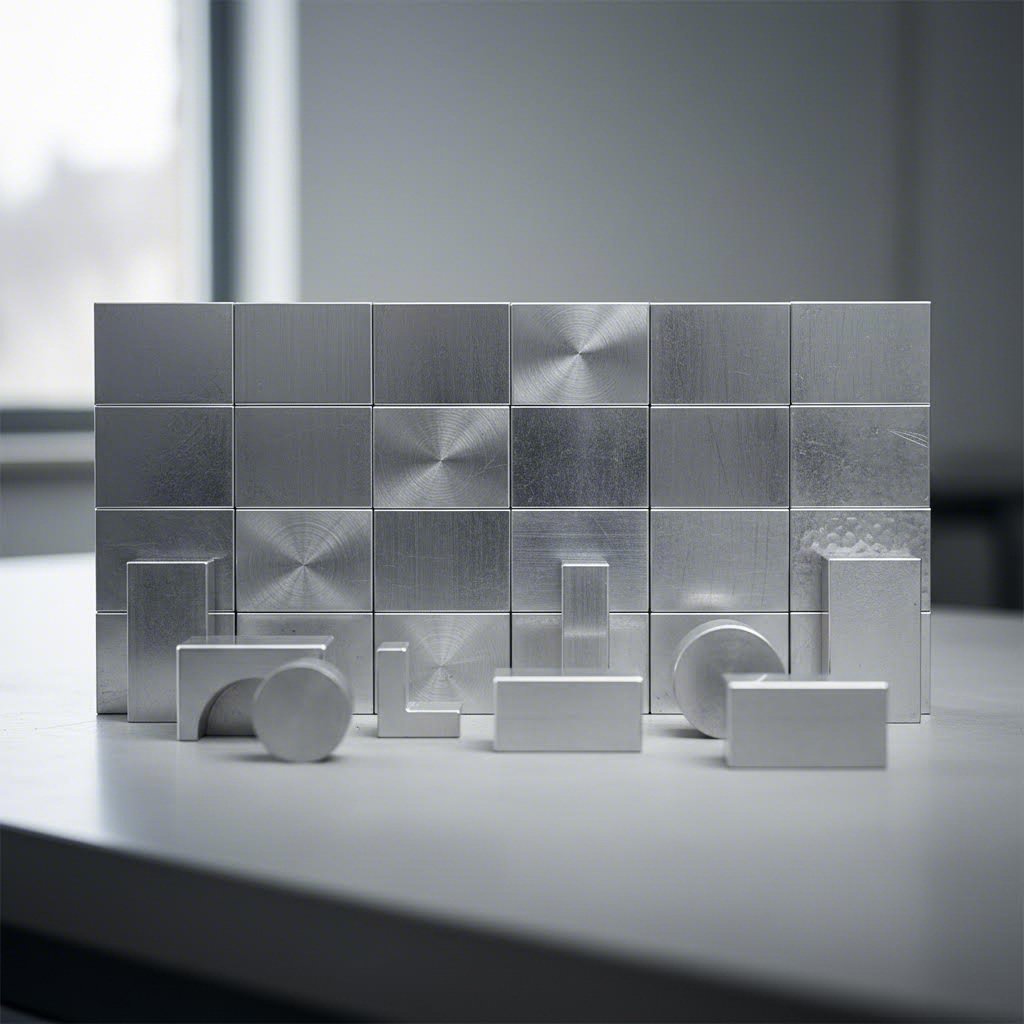
You've got the basics of how aluminum extrusion works—but here's where things get interesting. Not all aluminum is created equal. The alloy you choose directly impacts your product's strength, corrosion resistance, surface finish, and even manufacturing cost. When sourcing 6063 aluminum extrusion China or other alloy types, understanding these differences helps you specify exactly what your project needs rather than accepting whatever a supplier offers by default.
Think of aluminum alloys like coffee blends. Pure aluminum is like a single-origin bean—it has certain qualities, but blending it with other elements (magnesium, silicon, zinc, copper) creates profiles optimized for specific applications. The 6000 series dominates the aluminum alloy extrusion China market for good reason, but specialty alloys serve critical roles in demanding applications.
If you're sourcing aluminum extrusion parts China for architectural or general industrial use, you'll encounter these two alloys constantly. They're both part of the 6000 series, meaning magnesium and silicon are their primary alloying elements. But subtle differences in composition create meaningful performance variations.
6063 Aluminum—"The Architectural Alloy"
Often called architectural aluminum, 6063 is the most popular aluminum alloy for extrusions. Its chemical composition includes 0.45-0.9% magnesium and 0.2-0.6% silicon—lower concentrations than 6061. This makes it exceptionally easy to extrude, producing smooth surfaces that respond beautifully to anodizing.
You'll find 6063 in:
The alloy offers very good corrosion resistance, particularly when properly finished—making it ideal for exterior applications where weather exposure is expected. Its moderate tensile strength (around 186 MPa in T6 temper) handles most architectural loads comfortably.
6061 Aluminum—"The Structural Alloy"
When you need more muscle, 6061 delivers. With higher magnesium content (0.8-1.2%) and silicon (0.4-0.8%), this alloy achieves better strength-to-weight ratios than 6063. It's the second most popular aluminum alloy for extrusions and excels in structural applications.
Common uses include:
6061 offers good machinability—an important consideration if your aluminum extrusion bar china order requires secondary CNC operations. However, its surface finish after extrusion isn't quite as smooth as 6063, and anodizing results may appear slightly less refined.
Bottom line: Choose 6063 when surface appearance and corrosion resistance matter most. Choose 6061 when structural strength takes priority over aesthetics.
Sometimes the 6000 series simply won't cut it. Aerospace components, high-stress mechanical parts, and precision china precision aluminum extrusion applications may require alloys from the 2000 or 7000 series. These materials trade extrudability and cost efficiency for exceptional mechanical properties.
7075 Aluminum
This zinc-alloyed aluminum is one of the strongest available, with tensile strength reaching 572 MPa—nearly three times that of 6063. However, 7075 is generally considered unweldable due to its susceptibility to cracking. You'll find it in aircraft structures, rock climbing equipment, and high-performance automotive components where maximum strength justifies the premium cost.
7005 Aluminum
A more balanced option in the 7000 series, 7005 offers good strength with excellent weldability—making it popular for bicycle frames and welded structural applications. It bridges the gap between the workability of 6000-series alloys and the strength of 7075.
2024 Aluminum
Copper is the primary alloying element here, delivering exceptional fatigue resistance and high strength. Aerospace manufacturers favor 2024 for aircraft fuselage and wing structures. Like 7075, its corrosion resistance is lower than 6000-series alloys, often requiring protective coatings or cladding.
The following table summarizes key properties to help you match alloys to your specific requirements:
| Alloy Number | Key Properties | Typical Applications | Best Use Cases |
|---|---|---|---|
| 6063 | Excellent extrudability, superior surface finish, very good corrosion resistance, moderate strength (186 MPa T6) | Window/door frames, curtain walls, furniture, railings, decorative trim | Architectural applications requiring anodized or powder-coated finishes; exterior exposure |
| 6061 | Good strength (310 MPa T6), good machinability, good weldability, solid corrosion resistance | Structural components, transportation frames, machinery, marine fittings | Structural applications where strength matters more than surface appearance |
| 7075 | Very high strength (572 MPa T6), poor weldability, lower corrosion resistance | Aircraft structures, aerospace components, high-stress mechanical parts | Maximum strength requirements where welding isn't needed; premium applications |
| 7005 | Good strength (350 MPa T6), excellent weldability, good corrosion resistance | Bicycle frames, welded structures, sporting equipment | Applications requiring both good strength and weldability |
| 2024 | High strength (470 MPa T4), excellent fatigue resistance, poor corrosion resistance | Aircraft fuselage, wing structures, aerospace fasteners | Aerospace applications with fatigue concerns; typically requires protective coating |
When requesting quotes from suppliers, always specify both the alloy number and temper designation (like T5 or T6). Temper treatments significantly affect mechanical properties—a 6061-T6 profile is substantially stronger than 6061-T4. Experienced manufacturers can guide you toward the optimal combination for your application, but arriving at the conversation with baseline knowledge ensures you get exactly what your project demands.
With your alloy selection understood, the next consideration is profile type—whether you need standard catalog shapes or custom-designed extrusions tailored to your specific requirements.
Now that you've got a handle on alloy selection, here's the next question: what shapes can you actually get? The answer is almost anything you can imagine. Aluminum extrusion profiles China manufacturers produce range from simple rectangular bars to intricate multi-cavity designs with complex geometries. Understanding what's available—and how custom development works—helps you determine whether off-the-shelf profiles meet your needs or if custom tooling makes more sense.
Chinese manufacturers typically organize their product offerings into three broad categories: architectural, industrial, and specialty profiles. Each serves distinct markets with unique performance requirements.
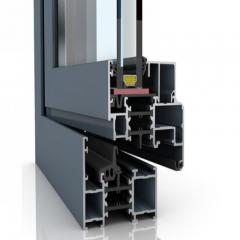
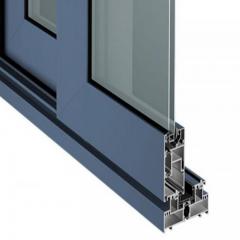
Walk into any modern building, and you're surrounded by aluminum extrusion profile China products—even if you don't notice them. Window frames, door systems, curtain walls, and facade elements rely heavily on extruded aluminum for their combination of strength, weather resistance, and design flexibility.
Common architectural profile types include:
Architectural aluminum extrusion shapes China suppliers offer often come in complete systems—meaning frame profiles, gasket channels, hardware mounting provisions, and accessories are all designed to work together. When sourcing window or door profiles, ask whether the supplier offers system compatibility or just individual profile shapes.
Beyond buildings, aluminum extrusions form the structural backbone of countless industrial applications. The aluminum profile extrusion China market serves manufacturers across automation, transportation, electronics, and equipment sectors with profiles engineered for functionality rather than aesthetics.
Key industrial profile categories include:
Industrial profiles often require tighter tolerances than architectural products. When specifying T-slot or precision profiles, confirm that your supplier can meet dimensional accuracy requirements—typically within ±0.1mm for critical mounting surfaces.
Some applications demand profiles optimized for specific performance characteristics beyond basic structural requirements:
Here's a decision you'll face early in your sourcing process: use existing catalog profiles or invest in custom die development?
Standard catalog profiles offer immediate availability, proven designs, and no tooling investment. Most Chinese manufacturers maintain libraries of hundreds or thousands of existing dies covering common shapes. If a standard profile meets your dimensional and functional requirements, this path minimizes lead time and upfront costs.
Custom extrusion development makes sense when standard profiles can't deliver the performance, integration, or differentiation your product requires. The process typically follows these steps:
Custom dies remain the property of the buyer in most arrangements, and tooling costs are typically amortized across order quantities. For products requiring unique cross-sections or integrated features, custom development often proves more economical than adapting standard shapes through secondary machining.
Understanding profile types and the customization process positions you to communicate effectively with potential suppliers. The next step? Selecting the right surface treatment to protect your profiles and achieve your desired appearance.
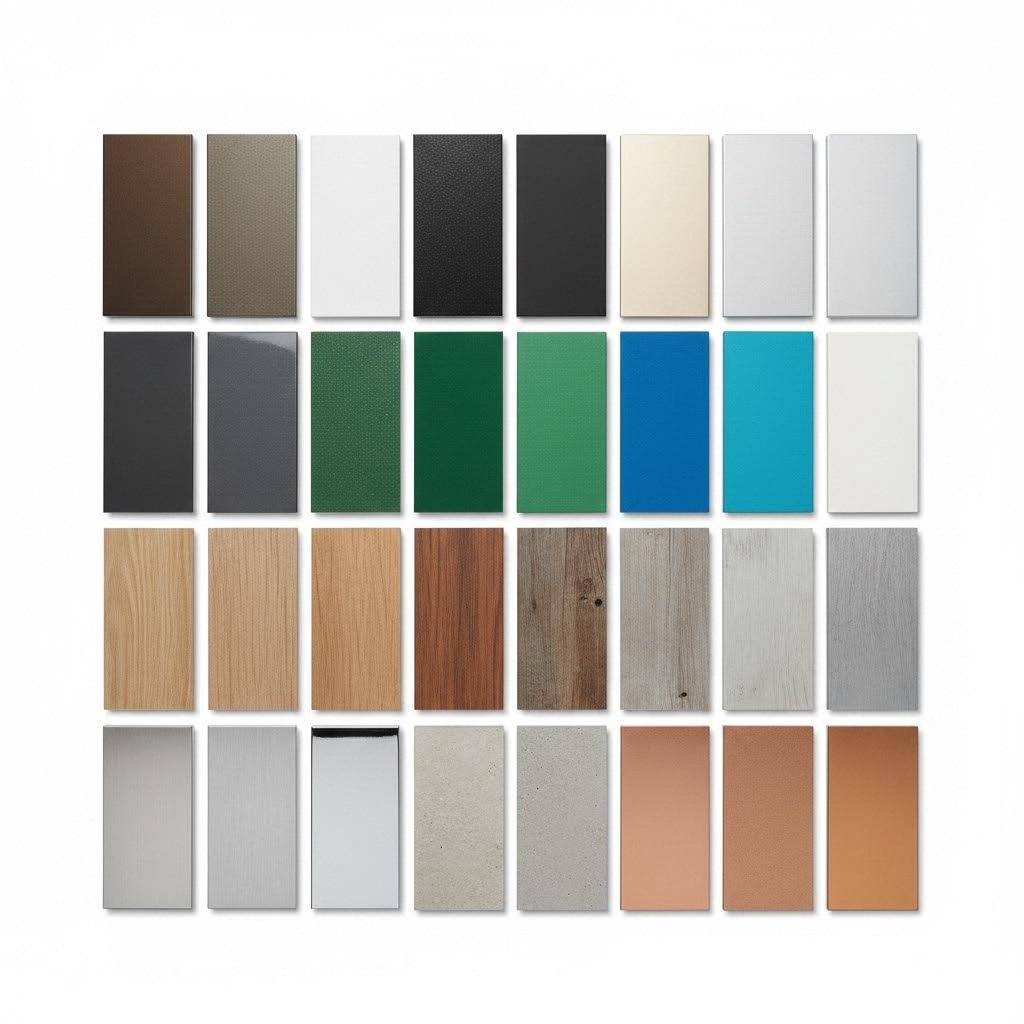
You've selected your alloy and profile type—but raw aluminum straight from the extrusion press rarely goes directly into finished products. Surface treatments transform bare metal into durable, attractive components ready for their intended environment. When sourcing aluminum door extrusion China or aluminum window extrusion profiles in China, the finish you specify dramatically impacts both performance and aesthetics.
Here's the challenge: Chinese suppliers offer numerous surface treatment options, but knowing which one fits your application requires understanding how each performs under real-world conditions. Let's break down the major categories and when to use them.
Anodizing isn't a coating—it's an electrochemical process that converts the aluminum surface into a hard, integral oxide layer. This distinction matters because anodized finishes won't chip, peel, or flake like applied coatings can. The aluminum itself becomes the protective layer.
The process works by immersing aluminum profiles in an acid electrolyte bath while passing electrical current through the solution. This grows aluminum oxide directly from the base metal, creating a porous structure that can absorb dyes before being sealed.
Common anodizing options include:
Anodizing thickness typically ranges from 5-25 microns. Thicker coatings (Class I, 18+ microns) provide superior wear and corrosion resistance for exterior applications, while thinner coatings (Class II, 10-18 microns) suit interior use. For aluminum trim extrusions china used in coastal environments, specify Class I anodizing with proper sealing for maximum durability.
When you need unlimited color options or special textures, applied coatings enter the picture. Both powder coating and PVDF (polyvinylidene fluoride) coatings protect aluminum extrusion profiles for windows and doors in china, but they serve different performance tiers.
Powder Coating
Electrostatically applied dry powder gets heat-cured to form a durable finish. Powder coating offers excellent impact resistance and comes in thousands of colors, including metallic, matte, and textured options. It's cost-effective and environmentally friendly since it contains no solvents.
However, powder coatings have limitations. UV exposure gradually degrades the finish, causing chalking and color fading over 10-15 years in harsh climates. For interior applications or covered exterior installations, powder coating delivers excellent value. For fully exposed facades in sunny or coastal locations, consider alternatives.
PVDF Coating
Also known by brand names like Kynar or Hylar, PVDF coatings represent the premium tier for architectural aluminum. These fluoropolymer finishes resist UV degradation, chemical exposure, and environmental pollutants far better than standard powder coatings.
PVDF coatings typically carry 20-30 year warranties against fading, chalking, and peeling—making them the standard for curtain walls, storefronts, and high-profile architectural projects. The trade-off? Higher cost and more limited color matching compared to powder coating.
Wood Grain Transfer
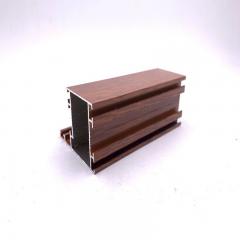
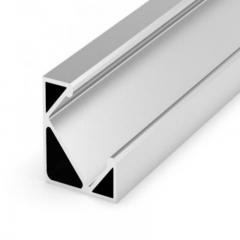
Want the warmth of wood with aluminum's durability? Sublimation transfer processes apply photorealistic wood grain patterns over powder-coated surfaces. This finish has gained tremendous popularity for aluminum corner extrusion china products used in residential windows and doors where traditional aesthetics matter.
Micro-Arc Oxidation (MAO)
This advanced process creates ceramic-like oxide layers significantly harder than conventional anodizing. MAO finishes excel in high-wear applications and offer superior corrosion resistance. While more expensive, they're gaining adoption for specialized industrial components requiring extreme durability.
The following table helps you match surface treatments to your specific requirements:
| Treatment Type | Durability Rating | Color Options | Best Applications | Cost Level |
|---|---|---|---|---|
| Clear Anodizing | Excellent (20+ years) | Natural silver only | Industrial equipment, modern interiors, machinery components | Low-Medium |
| Color Anodizing | Excellent (20+ years) | Bronze, black, gold, custom colors | Architectural facades, storefronts, commercial entrances | Medium |
| Powder Coating | Good (10-15 years exterior) | Unlimited RAL/custom colors, textures | Interior applications, covered exteriors, furniture, equipment | Low-Medium |
| PVDF Coating | Superior (20-30 years) | Wide range, some limitations on metallics | Curtain walls, exposed facades, coastal buildings | High |
| Wood Grain Finish | Good (10-15 years exterior) | Various wood species patterns | Residential windows/doors, traditional architecture | Medium-High |
| Micro-Arc Oxidation | Exceptional (wear-resistant) | Limited (white, gray, black) | High-wear industrial parts, specialty components | High |
Sounds complex? Here's a simplified decision framework:
When specifying finishes, always communicate your end-use environment to suppliers. A reputable manufacturer will recommend appropriate options based on exposure conditions rather than simply quoting the cheapest finish. With surface treatment decisions clarified, the next critical consideration is ensuring quality control measures protect your investment throughout the production process.
You've identified your alloy, profile type, and surface finish—but here's where many first-time buyers stumble. Ordering aluminum extrusion profile in China involves more than just technical specifications. Quality assurance, communication logistics, and realistic timeline expectations can make or break your sourcing experience. Understanding what to verify before placing orders helps you avoid costly surprises and build productive supplier relationships.
Let's address the practical concerns that aluminum extrusion manufacturers in China rarely discuss upfront—but that directly impact your project success.
When evaluating China aluminum extrusion manufacturers, certifications provide your first quality filter. They won't guarantee perfect products, but they indicate a manufacturer has implemented systematic quality management processes.
Key certifications to verify:
Beyond certifications, verify that testing capabilities align with your quality requirements. Reputable aluminum extrusion companies China operate typically maintain in-house testing equipment for mechanical properties, dimensional verification, and surface quality assessment.
What should you actually inspect? Whether you're conducting factory audits or reviewing inspection reports, focus on these key quality checkpoints:
Pro tip: Request sample shipments before committing to large orders. Evaluate not just product quality, but how well the manufacturer documents inspections and handles your quality concerns.
International buyers should specify testing standards explicitly rather than assuming compliance. Common standards referenced in aluminum extrusion profile in china transactions include:
| Standard Type | ASTM (American) | EN (European) | Application |
|---|---|---|---|
| Dimensional Tolerances | ASTM B221 | EN 755-9 | Profile cross-section accuracy |
| Mechanical Properties | ASTM B557 | EN 10002-1 | Tensile testing procedures |
| Anodizing Quality | ASTM B244 | EN ISO 7599 | Coating thickness and quality |
| Powder Coating | AAMA 2603/2604/2605 | Qualicoat | Architectural coating performance |
Specifying these standards in your RFQ establishes clear expectations and provides objective criteria for acceptance or rejection.
Here's a reality check: you're likely 8-15 hours ahead of or behind your Chinese supplier depending on your location. This time zone gap affects everything from email response times to real-time problem resolution. Successful sourcing requires adapting your communication approach.
Realistic communication protocols:
How long should you actually plan for? Lead times vary significantly based on order complexity, but here's a realistic framework:
For a custom aluminum extrusion profile in china with surface treatment shipping by sea, plan for 10-16 weeks total from order placement to delivery. Standard profiles with existing dies can ship in 4-8 weeks.
Building buffer time into your project schedule prevents the pressure that leads to quality compromises or expedited shipping costs. Experienced buyers often place orders 4-6 months before needed delivery dates, allowing flexibility for unforeseen delays.
With quality control frameworks and communication expectations established, the next consideration is understanding the ordering process itself—including MOQ requirements, pricing factors, and logistics considerations that affect your landed costs.
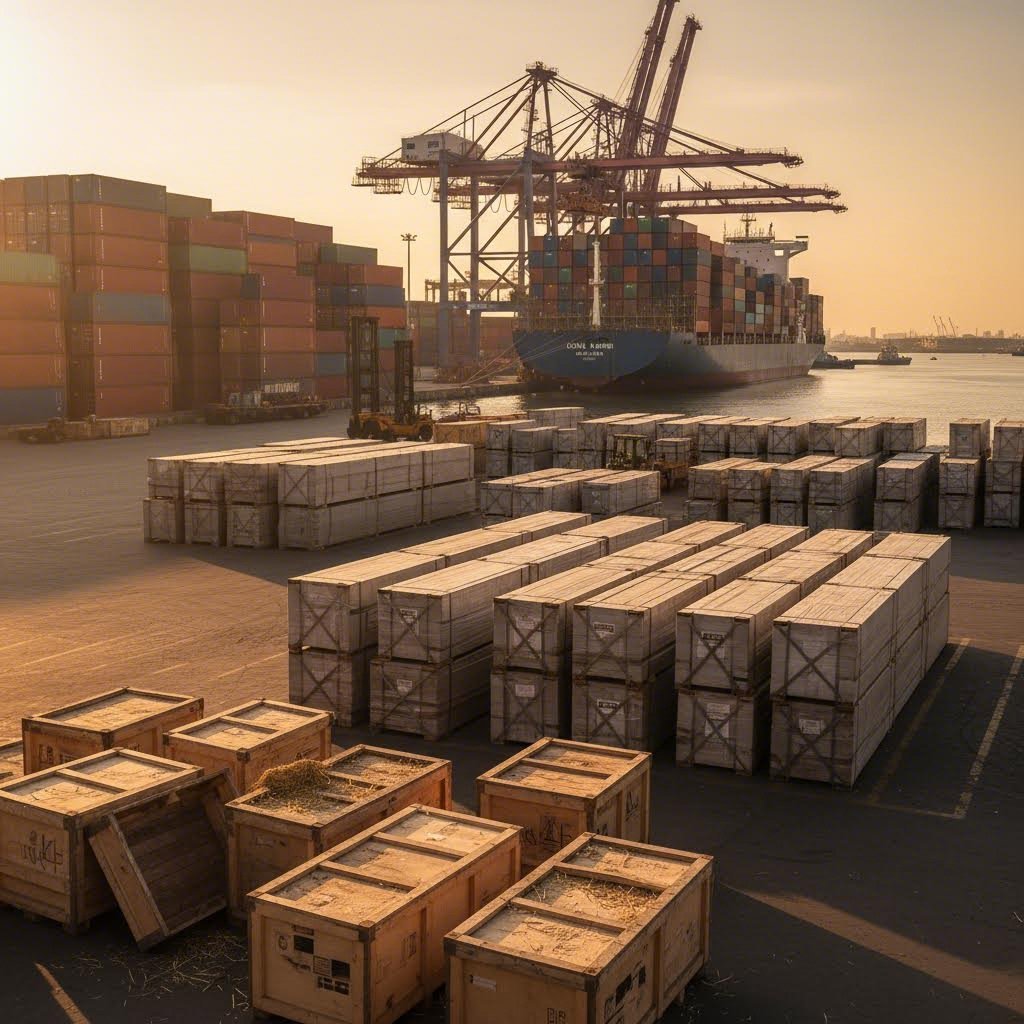
You've done your homework on alloys, profiles, finishes, and quality control—now comes the part that trips up many first-time buyers. How do you actually place an order? What quantities are realistic? And how do you calculate what your aluminum extrusions from China will actually cost once they arrive at your dock? Understanding the ordering mechanics and logistics prevents budget surprises and helps you negotiate effectively with aluminum extrusion suppliers China.
Let's walk through the practical steps from inquiry to delivery.
Minimum order quantities vary dramatically based on what you're buying and who you're buying from. Here's what shapes those requirements:
Standard catalog profiles typically have lower MOQs—often 500kg to 1,000kg per profile type. The dies already exist, so suppliers simply need enough volume to justify a production run.
Custom profiles require higher commitments. Since you're paying for die development, manufacturers expect orders that amortize tooling costs reasonably. Expect MOQs of 1,000kg to 3,000kg for custom extrusions, though some aluminum extrusion China suppliers accept smaller quantities at premium pricing.
Surface treatment minimums add another layer. Anodizing lines and powder coating booths have setup costs that make very small batches uneconomical. Color changes require line cleaning. Plan for treatment minimums of 300-500kg per color or finish type.
When importing aluminum extrusions from China, your total cost includes multiple components. According to industry pricing data for 2025, standard aluminum extrusion from Chinese manufacturing hubs typically ranges from $2.50 to $3.50 per kilogram. But that's just the starting point.
Quick math: A custom 6063 profile with powder coating, shipping FOB to a major port, might total $3.50-$4.50 per kilogram before international freight and duties.
Getting your aluminum extrusion door wholesale in china order from the factory floor to your warehouse involves navigating international logistics. Here's what you need to plan for:
Sea Freight (FCL vs LCL)
Most aluminum extrusion shipments travel by ocean. Full container loads (FCL) offer better per-kilogram rates—a 20-foot container holds approximately 20-24 metric tons of aluminum profiles. Less-than-container-load (LCL) shipments cost more per kilogram but make sense for smaller orders or samples.
Transit times vary by destination:
Air Freight
For urgent orders or samples, air freight delivers in days rather than weeks—but at 5-10 times the cost of sea shipping. Reserve air freight for critical timeline situations or small sample quantities where speed justifies the premium.
Customs Documentation
Proper documentation prevents clearance delays. Ensure your aluminum extrusion door supplier in china provides:
Tariff Impact on Landed Costs
Import duties significantly affect your total cost—and they vary by destination country and product classification. The United States, for example, maintains anti-dumping duties on certain aluminum extrusion categories from China that can add substantial percentages to your landed cost. Work with an experienced customs broker who understands aluminum extrusion classifications to calculate accurate landed costs before committing to orders.
Payment structures in the aluminum extrusion china market typically follow predictable patterns:
Don't be surprised if new suppliers request references or credit checks—reputable manufacturers protect themselves just as carefully as you're evaluating them. Building trust through smaller initial orders often opens doors to better payment terms on subsequent purchases.
With ordering mechanics and logistics understood, the next step is developing a systematic approach to evaluating potential suppliers—ensuring you partner with manufacturers capable of meeting your quality and service expectations.
You've got the ordering process down—but here's the million-dollar question: how do you separate capable manufacturers from those who'll leave you with missed deadlines and quality headaches? Finding the right aluminum extrusion profile supplier in China requires looking beyond glossy websites and sales promises. A systematic evaluation approach helps you identify partners who can actually deliver what they claim.
Think of supplier selection like hiring for a critical position. You wouldn't offer the job based solely on a resume—you'd verify credentials, check references, and assess cultural fit. The same logic applies when choosing an aluminum extrusion profile manufacturer in China for your project.
Not all suppliers are equipped for every project. Understanding what capabilities matter—and how to verify them—prevents mismatches that waste time and money.
The extrusion press defines what profiles a manufacturer can produce. When evaluating an aluminum extrusion profile factory in China, press tonnage range tells you a lot about their capabilities:
Here's the procurement insight: a supplier with multiple press capacities can handle a wider range of projects and maintain flexibility when your production volumes change. Ask specifically what press sizes they operate—and verify the answer matches your profile requirements.
Raw extrusion is just the starting point. Evaluate what value-added services your potential supplier offers:
Certifications demonstrate systematic commitment to quality. Verify these credentials:
Beyond certificates, ask whether the factory provides traceable lot data and QA certificates with each batch—this documentation is essential for quality audits and issue resolution.
Technical capability means nothing if you can't get answers when you need them. Evaluate communication quality during your initial inquiries:
Strong technical communication differentiates professional suppliers from traders. A capable factory will offer feasibility suggestions rather than simply accepting every specification without question.
Never skip sample evaluation. Request production samples—not just marketing samples—before committing to volume orders. Assess:
Experience teaches what to watch for. These warning signs suggest potential problems:
The most reliable verification method remains direct factory assessment. On-site factory audits involve a comprehensive inspection of the factory's facilities, production processes, quality control systems, and compliance with safety and environmental regulations.
If travel isn't practical, remote verification options include:
Key insight: Verification costs money upfront but saves exponentially more than dealing with quality failures, delivery delays, or supplier disputes after production begins.
Building a shortlist of qualified suppliers takes effort—but it's effort invested in your project's success. With evaluation criteria established, the next consideration is understanding how trade policies and tariffs affect your total cost of importing aluminum extrusions from China.

You've evaluated suppliers and understand the ordering process—but here's a factor that can dramatically change your cost calculations overnight: trade policy. The aluminum extrusion tariff China landscape has shifted significantly in recent years, and understanding these regulations isn't optional. Duties and anti-dumping measures can add substantial percentages to your landed costs, turning a competitive quote into an unprofitable purchase if you haven't planned accordingly.
Let's break down what you need to know before finalizing any sourcing decisions.
Trade policies affecting aluminum extrusions from China and anti dumping regulations have evolved through multiple phases. The complexity stems from overlapping duty structures that apply depending on your destination country and specific product classification.
Anti-Dumping and Countervailing Duties: What Are They?
Anti-dumping duties (ADD) are additional tariffs imposed when foreign goods are sold below fair market value—essentially, when exporters "dump" products at artificially low prices to gain market share. Countervailing duties (CVD) target government subsidies that give foreign manufacturers unfair cost advantages.
For U.S. importers, anti dumping aluminum extrusion china duties have been in place since 2011. According to the U.S. International Trade Commission, existing AD and CVD orders on aluminum extrusions from China carry duty rates ranging from 32.79% to 33.28% for anti-dumping and subsidy rates ranging from 8.02% to 374.15% for countervailing duties—depending on the specific exporter.
Critical point: These duties are in addition to standard import tariffs, not replacements. Your total duty burden combines base tariffs plus any applicable ADD/CVD rates for your specific supplier.
Recent Policy Developments
The tariff on aluminum extrusions from china situation saw significant activity in 2024. New investigations sought to expand the scope of existing orders to capture additional aluminum extrusion types. However, in October 2024, the ITC issued negative final determinations, finding that expanded aluminum extrusion imports from China and 13 other countries do not injure domestic industry. This decision means the proposed expanded duties were not implemented, and duties collected during the investigation period will be refunded to importers.
For buyers, this represents a notable development—but the original 2011 orders remain in effect for covered products. The aluminum extrusion china anti dumping framework continues to apply to standard extrusion categories.
Section 232 Tariffs
Beyond ADD/CVD, Section 232 tariffs on aluminum products add another layer. These national security-based tariffs currently stand at 25% for most aluminum imports, with recent discussions about potential increases. Unlike anti-dumping duties that target specific countries, Section 232 applies broadly—though certain countries have negotiated exemptions or alternative arrangements.
Tariffs on aluminum extrusions from china don't have to derail your sourcing strategy. Smart buyers employ several approaches to manage landed costs effectively.
Work with Experienced Customs Brokers
A knowledgeable customs broker is your first line of defense against unexpected duty bills. They can help you:
Calculate Complete Landed Costs
According to landed cost calculation guidance, your total import cost includes far more than the product price:
The importer is ultimately responsible for paying any duty owed on an import. This responsibility cannot be shifted to the seller—you are totally responsible for knowing what applies to your specific products.
Request Duty-Inclusive Quotes
When comparing suppliers, ensure you're calculating total landed costs rather than just FOB prices. A supplier with a slightly higher quote but lower applicable duty rates may deliver better overall value. Request that suppliers provide their specific ADD/CVD rates if they're subject to these orders—established exporters know their rates.
Consider Product Scope Carefully
The scope of aluminum extrusion anti dumping china orders defines exactly which products are covered. Understanding scope language helps you determine whether your specific profiles fall under existing orders. Some fabricated or finished products may fall outside covered definitions, while raw extrusions clearly fall within scope.
Document Country of Origin Accurately
Certificates of origin matter enormously when duties vary by source country. Ensure your supplier provides accurate origin documentation. Misrepresenting origin—even unintentionally—constitutes customs fraud with serious legal consequences.
Stay Informed on Policy Changes
Trade policy evolves continuously. Subscribe to customs broker updates, industry association bulletins, and government trade notices to stay current. Policies that apply today may change through administrative reviews, court decisions, or new trade agreements.
Trade policy complexity shouldn't discourage you from sourcing aluminum extrusions internationally—but it demands attention during your planning process. Building duty costs into your financial models from the start prevents unpleasant surprises when shipments arrive. With tariff considerations addressed, let's move to actionable next steps for launching your sourcing project successfully.
You've absorbed a lot of information—alloys, profiles, finishes, quality control, logistics, supplier evaluation, and trade policies. Now comes the part that matters most: turning knowledge into action. Successful sourcing of aluminum extrusions from the people's republic of China isn't about finding the cheapest quote. It's about building a systematic approach that balances cost, quality, and reliability while protecting your project timeline and budget.
Let's consolidate everything into a practical roadmap you can follow.
Before you send your first RFQ, work through this preparation checklist. Each step builds on the previous one, ensuring you approach suppliers with clarity and confidence.
Here's the reality: the aluminum extrusion profile wholesale in china market includes thousands of suppliers with vastly different capabilities. Finding the right partner means matching their strengths to your specific requirements.
When evaluating manufacturers, look for these indicators of comprehensive capability:
For buyers seeking a concrete starting point, Shengxin Aluminium exemplifies the capability profile worth considering. With over 30 years of industry experience and 35 extrusion presses ranging from 600T to 5500T, they offer the production flexibility to handle diverse project requirements. Their integrated surface treatment facilities—including anodizing, powder coating, PVDF, and micro-arc oxidation—keep finishing under one roof. Combined with CNC machining and deep processing services, they represent the type of end-to-end manufacturing partner that simplifies international sourcing.
That said, the best supplier for your project depends on your specific needs. Use the evaluation criteria discussed throughout this guide to assess multiple options systematically.
Your first order is just the beginning. The most successful buyer-supplier relationships evolve through:
The aluminum extrusion China market offers tremendous value for buyers who approach it strategically. Armed with the knowledge from this guide, you're equipped to navigate alloy selection, profile specification, surface treatment decisions, quality control requirements, logistics planning, supplier evaluation, and trade policy considerations. That's a significant competitive advantage over buyers who dive in unprepared.
Your next step? Start with step one on that checklist. Define your requirements clearly, then move methodically through the process. The preparation you invest now pays dividends in smoother transactions, better pricing, and products that meet your specifications—every time.
Chinese manufacturers primarily use 6063 and 6061 aluminum alloys for extrusion. 6063 is called the 'architectural alloy' with excellent surface finish and corrosion resistance, ideal for windows, doors, and decorative applications. 6061 offers higher strength for structural components, machinery, and marine fittings. Specialty alloys like 7075, 7005, and 2024 serve aerospace and high-stress applications requiring maximum strength, though at premium costs.
Evaluate suppliers by verifying production capacity (press tonnage range from 600T to 5500T), quality certifications (ISO 9001, ISO 14001), and technical capabilities including CNC machining and in-house surface treatment. Request production samples before committing to volume orders, check communication responsiveness within 24-48 hours, and consider third-party factory audits. Established manufacturers like Shengxin Aluminium with 30+ years experience and comprehensive capabilities offer reliable partnership options.
U.S. importers face anti-dumping duty rates ranging from 32.79% to 33.28% plus countervailing duties from 8.02% to 374.15% on covered aluminum extrusions from China. These duties apply in addition to standard import tariffs and Section 232 tariffs of 25%. Rates vary by specific exporter, so work with experienced customs brokers to determine exact rates for your supplier and ensure accurate HS code classification.
Chinese manufacturers offer comprehensive surface treatments including anodizing (clear, bronze, black, custom colors) with 20+ year durability, powder coating in unlimited colors for interior and covered exterior use, PVDF coating with 20-30 year warranties for exposed facades, wood grain transfer finishes, and micro-arc oxidation for exceptional wear resistance. Selection depends on end-use environment—coastal locations require PVDF or heavy-duty anodizing for optimal protection.
Plan for 10-16 weeks total from order placement to delivery for custom aluminum extrusions with surface treatment shipping by sea. This includes die development (2-4 weeks), trial extrusion and approval (1-2 weeks), production (2-4 weeks), surface treatment (1-2 weeks), and ocean freight (3-5 weeks). Standard profiles with existing dies can ship in 4-8 weeks. Building buffer time prevents quality compromises and expedited shipping costs.



 dịch vụ trực tuyến
 0086 136 3563 2360
 sales@sxalu.com
 +86 136 3563 2360
 Việt
 English
 français
 Deutsch
 русский
 español
 português
 العربية
 ไทย
 Українська