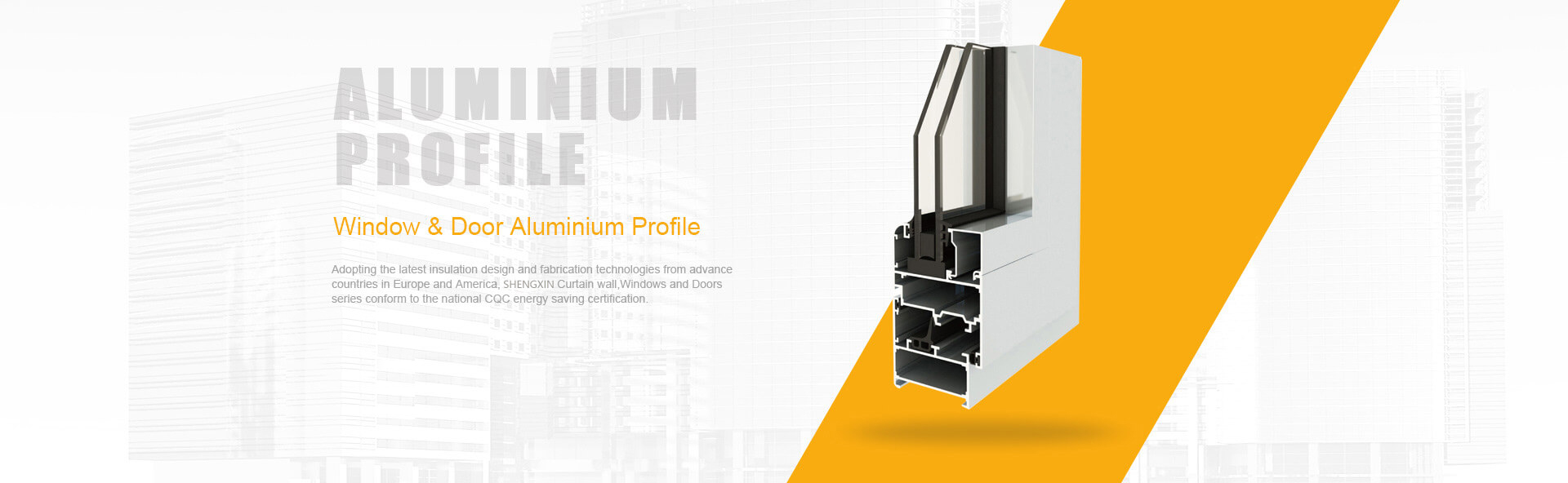
Imagine a material so versatile it shapes everything from sleek skyscraper facades to lightweight electric vehicle frames. That's aluminum extrusion at work. Whether you're a procurement manager sourcing components, an architect specifying building systems, or an investor evaluating manufacturing sectors, understanding this market has never been more critical.
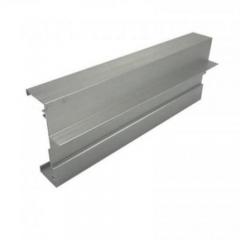
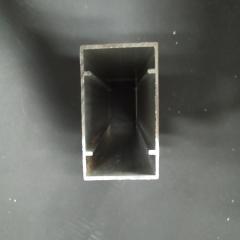
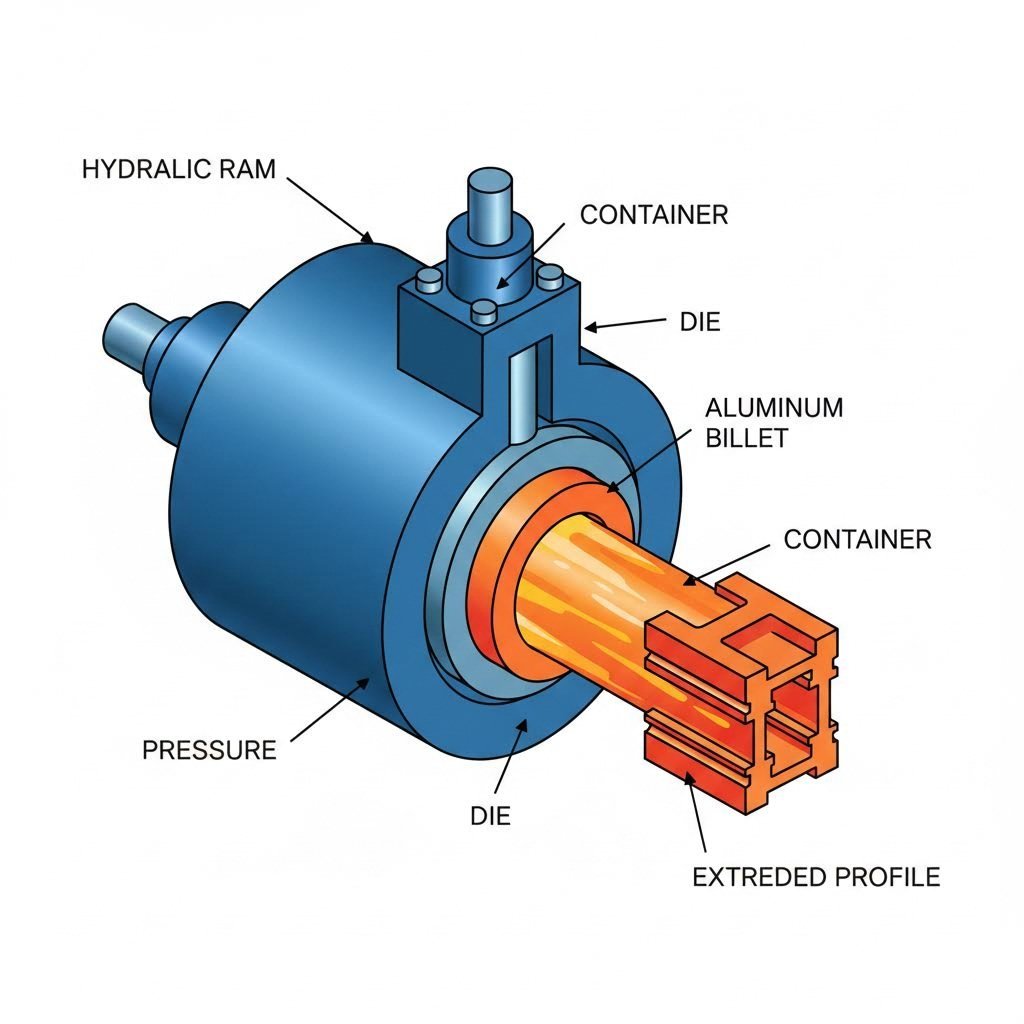
So what exactly is aluminum extrusion? It's a manufacturing process that forces heated aluminum alloy through a shaped die opening, creating profiles with specific cross-sectional designs. Think of it like squeezing toothpaste through a tube, except the "tube" is a precision-engineered die that produces everything from simple tubes and rods to complex hollow profiles with intricate geometries. This process delivers components that are lightweight yet remarkably strong, corrosion-resistant, and infinitely recyclable.
The aluminum extrusion market is estimated to be valued at USD 138.6 billion in 2025 and is projected to reach USD 217.3 billion by 2035, registering a compound annual growth rate (CAGR) of 4.6% over the forecast period.
This valuation data from Future Market Insights signals sustained momentum across the aluminium extrusion industry, driven by construction expansion, automotive lightweighting initiatives, and renewable energy infrastructure development.
Several interconnected forces propel this market forward. Construction activities worldwide demand custom-shaped profiles with precise dimensional tolerances for curtain walls, window systems, and structural glazing applications. Meanwhile, automotive manufacturers increasingly specify aluminum extrusions for crash management systems, battery enclosures, and heat exchangers where weight reduction directly impacts fuel efficiency and electric vehicle range.
The aluminum extrusion market also benefits from aluminum's unique combination of properties: superior strength-to-weight ratio, natural corrosion resistance, excellent thermal conductivity, and complete recyclability without losing material integrity. These characteristics make extruded aluminum products indispensable across aerospace, electronics, consumer goods, and industrial machinery sectors.
For manufacturers and suppliers, understanding market dynamics means anticipating demand shifts before competitors. Production facilities from aluminum extrusion California operations to major Asian manufacturing hubs are implementing advanced technologies to accommodate increasingly complex profile geometries while maintaining quality standards.
Architects and engineers monitor these developments because material innovations directly affect design possibilities. Investors track the aluminium extrusion industry because its growth reflects broader economic indicators, from urbanization rates to automotive electrification timelines.
This article takes a hybrid approach that competitors lack: combining actionable market intelligence with technical education. You'll gain insights into manufacturing processes, supply chain dynamics, cost considerations, and strategic positioning that inform smarter decisions, whether you're specifying materials, selecting suppliers, or evaluating market opportunities.
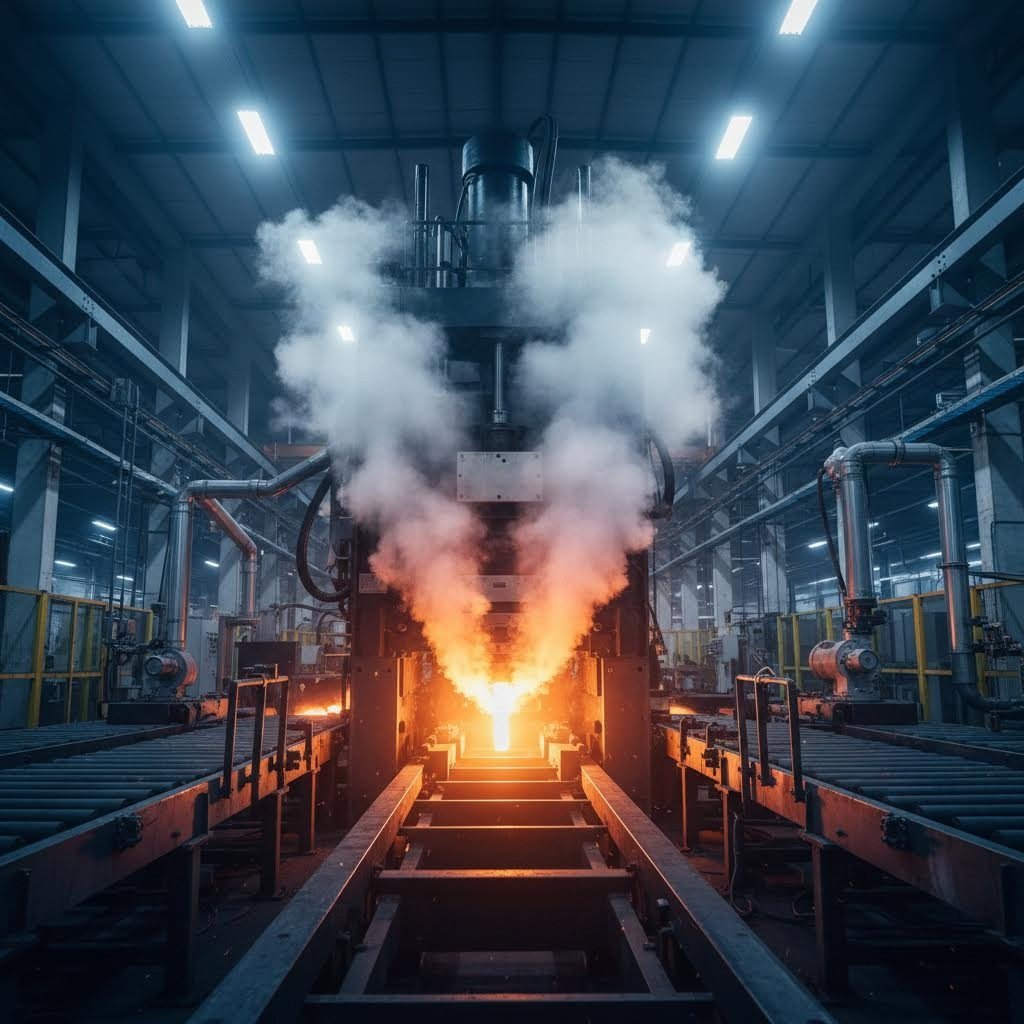
Ever wondered how a solid block of aluminum transforms into precision-engineered profiles used in high-performance aluminum extrusions industrial applications? The aluminum extruding process combines metallurgical science with mechanical engineering to produce components that meet exact specifications. Understanding this manufacturing method reveals why certain suppliers deliver superior quality and why press capabilities directly impact the profiles you can source.
At its core, aluminum extrusion works on a surprisingly simple principle. Picture squeezing toothpaste through a tube opening. The paste emerges matching the tube's shape. Now imagine applying that concept with 15,000 tons of hydraulic pressure, temperatures exceeding 900°F, and precision-machined dies that create complex cross-sectional geometries accurate to fractions of a millimeter.
The process begins with metallurgy. Aluminum alloys behave differently at various temperatures. When heated to approximately 750-925°F (400-500°C), aluminum becomes malleable enough to flow through dies without melting. This critical temperature window, roughly 50-60% of aluminum's melting point, enables hot extrusion, the most common industrial method that balances workability with production efficiency.
Three primary extrusion methods serve different manufacturing requirements:
The journey from raw material to finished extrusion follows a carefully orchestrated sequence. Each stage affects final product quality, dimensional accuracy, and mechanical properties.
Press tonnage fundamentally determines manufacturing capability. Common capacities range from 500 tons for smaller profiles to over 15,000 tons for large, complex shapes. An 800T to 1000T press typically handles standard architectural profiles like window frames, while curtain wall components and large industrial sections require presses exceeding 1250T. Higher tonnage enables larger aluminum extrusion sizes, more complex hollow geometries, and thicker wall sections.
The extrusion ratio, calculated by dividing the container cross-section by the profile cross-section, indicates mechanical work intensity. Higher ratios demand greater press capacity to overcome deformation resistance. Hollow profiles require more tonnage than solid shapes due to increased complexity in metal flow around die mandrels.
Understanding these manufacturing fundamentals helps you evaluate supplier capabilities and anticipate how design decisions affect producibility and cost. The next section explores how different market segments leverage these technical capabilities to drive industry growth.
Numbers tell part of the story. But why does building and construction command over 60% of aluminum extrusion demand while consumer goods barely registers? Understanding the practical dynamics behind market segmentation reveals where opportunities exist and why certain sectors drive industry expansion more aggressively than others.
The aluminum extrusion industry serves distinctly different end markets, each with unique requirements for profile complexity, surface finishes, and mechanical properties. These differences directly influence manufacturing priorities, supplier specialization, and regional market development patterns.
| Market Segment | Market Share | Primary Applications | Key Growth Drivers |
|---|---|---|---|
| Building & Construction | 60%+ | Window frames, curtain walls, doors, structural glazing, roofing systems | Urbanization, energy efficiency mandates, infrastructure investment programs |
| Automotive & Transportation | Second largest | Chassis components, battery enclosures, heat exchangers, crash management systems | Lightweighting regulations, EV adoption, fuel efficiency standards |
| Industrial & Machinery | Growing segment | Conveyor systems, machine frames, automation equipment, solar mounting structures | Manufacturing automation, renewable energy infrastructure expansion |
| Consumer Goods | Smallest share | Furniture, appliances, electronics housings, sporting equipment | Rising consumer product manufacturing, customization trends |
Why does construction consume the lion's share of extruded aluminum? The answer lies in practical requirements that aluminum uniquely satisfies. Modern building envelopes demand materials offering corrosion resistance without maintenance, precise dimensional tolerances for weathertight seals, and aesthetic versatility across architectural styles.
According to Grand View Research, the building and construction sector accounted for more than 60% of revenue share in 2024, driven significantly by housing sector investments and commercial development projects. China currently holds the leading position globally with the highest nominal value in construction, while infrastructure programs across developing nations continue expanding demand.
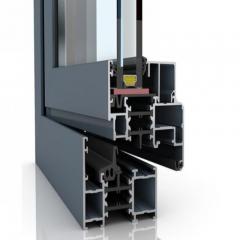
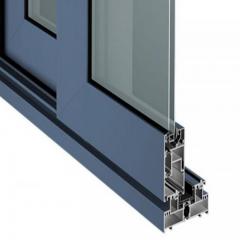
Structural aluminium extrusions excel in fenestration systems because they accommodate thermal breaks that prevent heat transfer, accept diverse surface treatments from anodizing to powder coating, and enable snap-fit assembly that reduces installation labor. Curtain wall systems rely on extruded mullions and transoms engineered to withstand wind loads while supporting substantial glass panels.
Government initiatives amplify this demand. The U.S. Infrastructure Investment and Jobs Act allocated USD 1.2 trillion for infrastructure modernization through 2031, creating sustained demand for aluminum building materials. Similarly, India's Pradhan Mantri Awas Yojana housing program allocated INR 8 trillion for affordable construction, directly fueling aluminum extrusion consumption across the region.
The automotive aluminum extrusion market represents the fastest-growing segment, propelled by regulatory pressure and technological evolution. When emission standards tighten, vehicle weight becomes the most accessible variable manufacturers can control.
Consider this dynamic: regulatory agencies including the Environmental Protection Agency (EPA), California Air Resources Board (CARB), and National Highway Traffic Safety Administration (NHTSA) enforce increasingly stringent greenhouse gas emissions standards. According to Market Data Forecast, NHTSA requirements increased fuel economy and CO2 emission stringency by 1.5% between 2021 and 2026, directly driving automakers toward aluminum solutions.
Electric vehicles intensify this trend. Battery packs add substantial weight, making body structure lightweighting essential for achieving acceptable range. Tesla, BMW, Mercedes-Benz, and other manufacturers increasingly specify aluminum extrusions for battery enclosures, crash structures, and chassis components where strength-to-weight optimization directly impacts vehicle performance.
Applications span the entire vehicle architecture: engine mounts, anti-intrusion beams, radiator beams, fuel distribution pipes, longitudinal beams, seat tracks, roof rails, and underbody space frame components all utilize extruded aluminum profiles. The Ford F-150's aluminum-intensive body demonstrated how significant weight reduction translates to measurable fuel economy improvements, validating the business case for material substitution.
Aluminum impact extrusion companies serving automotive clients must meet rigorous quality standards including IATF 16949 certification, deliver just-in-time inventory management, and maintain production consistency across millions of units. This segment's technical demands separate manufacturers with advanced capabilities from those serving less stringent applications.
Beyond construction and automotive, industrial applications create diversified demand patterns. Conveyor systems in manufacturing facilities utilize extruded aluminum frames offering corrosion resistance and dimensional stability. Machine builders specify aluminum profiles for equipment frames where weight reduction improves mobility and installation flexibility.
Renewable energy infrastructure represents a particularly dynamic growth area. Solar panel mounting systems require structural aluminum extrusions that withstand decades of environmental exposure. Wind turbine nacelles incorporate aluminum components for weight-sensitive rotating assemblies. The European Green Deal allocated EUR 1 trillion for climate neutrality initiatives through 2030, with aluminum playing crucial roles in renewable energy infrastructure development.
Consumer goods remain the smallest segment primarily because applications typically require smaller profile sizes with lower total volume consumption. Furniture frames, appliance housings, and electronic enclosures utilize aluminum extrusions, but these products consume far less material per unit compared to building facades or vehicle structures.
Regional dynamics significantly influence segment performance. Asia Pacific dominates global production and consumption, accounting for over 70% of market share according to multiple industry analyses. China's construction sector drives regional demand, while Japan's automotive manufacturers push precision extrusion capabilities toward increasingly demanding specifications. North America's market benefits from reshoring trends and domestic manufacturing incentives, particularly in automotive and aerospace applications.
Understanding these segment dynamics helps procurement teams, engineers, and investors identify where aluminum extrusion trends create competitive advantages and where emerging applications signal future growth trajectories. The sustainability imperatives reshaping supplier selection criteria represent another fundamental market shift worth examining closely.

Here's a question procurement teams increasingly face: can your aluminum supplier demonstrate verified environmental credentials? As corporations and governments tighten sustainability requirements, the extrusion industry finds itself at a crossroads where environmental performance directly influences market access and supplier selection decisions.
The aluminum sector accounts for approximately 2 percent of global greenhouse gas emissions, with demand projected to increase 80 percent by 2050. This trajectory creates mounting pressure on extruded aluminum products manufacturers to decarbonize operations or risk losing contracts to competitors who demonstrate verified environmental progress.
What makes aluminum uniquely positioned for sustainable manufacturing? The answer lies in its infinite recyclability. Unlike plastics that degrade with each recycling cycle, aluminum maintains its physical properties indefinitely. You can recycle the same aluminum atoms endlessly without losing strength, corrosion resistance, or formability.
The energy economics are compelling. Recycling aluminum requires up to 95% less energy compared to producing primary aluminum from bauxite ore. This dramatic reduction translates directly into lower carbon footprints for aluminium extrusion products manufactured using recycled content.
Leading extrusion facilities now operate closed-loop recycling systems where internal scrap gets recaptured, remelted, and re-extruded. This approach minimizes material loss while reducing environmental impact. When combined with post-consumer recycled aluminum, manufacturers can significantly decrease the embodied carbon in finished profiles.
The circular economy model extends beyond recycling. Progressive manufacturers implement waste minimization at every production stage, precision die design that reduces scrap generation, and optimized cutting patterns that maximize material utilization. Together, these practices enhance operational efficiency while lowering environmental load.
Governments worldwide are tightening regulations on energy consumption, emissions, and waste. For the extrusion industry, compliance increasingly determines market access rather than merely representing operational overhead.
The European Union's REACH regulations govern chemical use in manufacturing processes, while RoHS directives restrict hazardous substances in products destined for European markets. Compliance with these frameworks signals commitment to product safety and environmental integrity, particularly critical for exporters seeking access to regulated markets.
Carbon accounting transparency has emerged as a major industry challenge. According to RMI's research, current carbon accounting systems remain inadequate in providing accurate, comprehensive views of emissions associated with aluminum production. Major corporations including Tesla, Ball Corporation, and OldCastle BuildingEnvelope now demand verified emissions data from aluminum suppliers to fulfill their own sustainability commitments.
The following certifications and environmental standards have become essential differentiators for suppliers serving sustainability-conscious buyers:
Sustainable surface finishing represents another evolving requirement. Traditional anodizing and powder coating processes involve chemicals and generate wastewater. Forward-thinking facilities are transitioning to eco-friendly anodizing with reduced chemical usage, low-VOC powder coatings, and chrome-free conversion coatings that maintain performance while minimizing environmental impact.
For buyers, working with sustainability-certified suppliers delivers tangible benefits: meeting regulatory requirements, qualifying for green building projects, reducing scope 3 emissions in corporate sustainability reporting, and accessing markets where environmental credentials serve as procurement prerequisites. As the industry continues evolving toward integrated manufacturing solutions, technology innovations are simultaneously reshaping what's possible in aluminum extrusion quality and capability.

What separates a commodity extrusion supplier from a strategic manufacturing partner? Increasingly, the answer lies in technology investments. While market growth attracts new entrants, manufacturers who invest in advanced alloys, precision processing, and sophisticated surface treatments create differentiated aluminum extrusion products that command premium positioning and deliver measurable performance advantages.
The technology landscape in aluminum extrusion is evolving rapidly. According to industry observations from Silver City Aluminum, advancements range from the use of advanced alloys to the integration of sophisticated computer-aided design technologies. Automation now plays a pivotal role, with integrated systems equipped with real-time monitoring that adjust parameters during the extrusion process to maintain quality and optimize efficiency.
For procurement teams and engineers evaluating suppliers, understanding these technological differentiators helps identify partners capable of meeting increasingly demanding specifications. Let's examine the innovations transforming extruded aluminum systems across the industry.
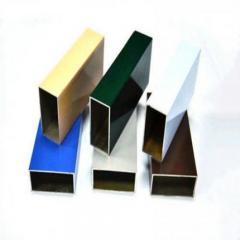
Surface treatment selection fundamentally affects where and how aluminum profiles perform. Beyond aesthetics, finishes determine corrosion resistance, maintenance requirements, color stability, and even thermal performance in architectural applications.
Three primary finishing technologies dominate the market, each offering distinct advantages:
Anodizing creates a hard, transparent oxide layer directly on the aluminum surface through an electrochemical process. This finish provides excellent scratch resistance, a natural metallic luster, and remarkably low maintenance requirements. According to Prance Building, anodized surfaces perform best where color variety is limited to metallic tones and platinum hues. The key advantage? Anodized panels rarely require repainting throughout their service life.
Powder Coating applies electrostatically charged dry powder that gets heat-cured into a durable film. This process offers broader color options than anodizing, good durability, and excellent coverage of complex profiles. Environmental benefits include zero volatile organic compound emissions during application, making it increasingly preferred for sustainability-conscious projects.
PVDF Coatings (Polyvinylidene Fluoride) represent the premium tier for architectural applications. Conforming to AAMA 2605 specifications, PVDF coil-coatings deliver a broad color palette including vibrant solids and custom prints, outstanding UV resistance, chemical resistance, and chalk resistance with warranties extending up to 30 years. While PVDF film can be scratched more easily than anodized surfaces, small damages are less visible when matching primers are applied.
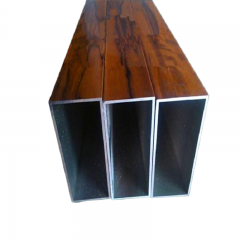
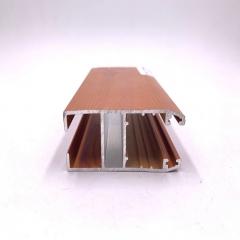
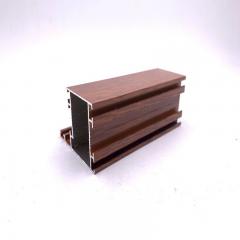
Emerging surface technologies push boundaries further. Micro-arc oxidation creates ceramic-like coatings offering superior hardness and wear resistance compared to conventional anodizing. Wood-grain transfer printing enables aluminum profiles to replicate natural materials while maintaining aluminum's performance characteristics. These advancements enable extruded aluminum corp manufacturers to serve applications previously dominated by other materials.
Imagine producing aircraft components where tolerances measured in microns determine whether parts fit or fail. That level of precision increasingly defines competitive capability across aerospace, automotive, and high-tech industrial applications.
CNC machining integration represents perhaps the most significant capability enhancement in modern extrusion facilities. According to Taber Extrusions, precision aluminum machining uses computer-controlled processes that allow manufacturers to create complex geometries with micron-level accuracy. Aircraft frames and engine components often require intricate designs that traditional methods simply cannot achieve.
What does integrated CNC processing mean practically? Rather than shipping extruded profiles to separate machining facilities, advanced manufacturers perform drilling, milling, cutting, and finishing operations in-house. This integration reduces lead times, eliminates transportation damage risks, and maintains dimensional control throughout the production sequence.
Friction-stir welding has emerged as another breakthrough technique, particularly for aerospace and defense applications. Unlike traditional fusion welding that melts materials, friction-stir welding uses mechanical pressure and heat generated by rotating tools to join aluminum alloys. The result delivers stronger bonds with minimal distortion, a critical advantage for structural components demanding flawless joints.
The following emerging technology trends are reshaping what manufacturers can deliver:
Automation extends beyond individual process improvements. Modern facilities coordinate entire production sequences through manufacturing execution systems that optimize material flow, schedule die changes, and balance press utilization across diverse product requirements. These capabilities enable manufacturers to produce extrusions extending up to 30 feet while accommodating highly customized specifications.
For buyers, technology investments signal supplier commitment to quality and capability evolution. Manufacturers who continually upgrade equipment and processes position themselves to meet emerging application requirements, whether automotive battery enclosures demanding tight tolerances or architectural profiles requiring flawless decorative finishes. Understanding how these technology factors translate into cost structures helps procurement teams make informed sourcing decisions.
What actually determines the price tag on your aluminum extrusion order? If you've requested quotes from multiple suppliers, you've likely noticed significant variations that seem difficult to explain. Understanding the cost structure behind aluminum extrusion pricing helps procurement teams budget accurately, negotiate effectively, and make sourcing decisions that balance quality with economics.
The aluminum extrusion cost equation involves multiple variables, some predictable and others subject to market volatility. Raw material prices fluctuate with global commodity markets. Die development requires upfront investment that amortizes differently across order volumes. Surface treatments add finishing costs that vary dramatically based on specification requirements. Let's break down these factors systematically.
Think of extrusion pricing as a layered equation. Each layer contributes to total project cost, and understanding these components reveals where you have negotiating leverage and where market forces dictate pricing.
| Cost Factor | Typical Range | Impact on Project Pricing | Budget Planning Notes |
|---|---|---|---|
| Die/Tooling Costs | $400 - $2,000+ | Fixed upfront cost; higher for complex profiles or large presses (2,000-4,000 ton) | Often refundable if stipulated volume purchased within 2 years; replacement dies typically free with continued orders |
| Raw Aluminum Material | $1,500 - $3,500 per metric ton (historically) | Largest variable cost component; directly tied to LME aluminum prices | Consider locking rates through advance metal purchases for ongoing production needs |
| Anodizing/Powder Coating | $1,200 - $1,400 per metric ton | Significant addition for architectural or decorative applications | Alodine finishing less expensive at ~$800/MT; wood-look finishes significantly higher |
| CNC Machining | $200 - $300+ per metric ton | Varies with complexity; tooling costs may apply for intricate operations | Simple drilling operations at lower end; complex machining requires tooling investment |
| Volume Discounts | Significant at scale | Die costs amortize across larger orders; per-unit pricing decreases substantially | Small orders carry higher per-piece costs due to fixed tooling expense distribution |
Raw material costs represent the biggest wildcard in aluminum extrusion pricing. According to Gabrian International, the cost of aluminum has varied anywhere from $1,500 to $3,500 per metric ton in recent years. Global demand, electricity costs affecting smelter operations, and geopolitical events all influence base metal pricing. The war between Ukraine and Russia, both key aluminum producers, has affected prices. Environmental restrictions on Chinese smelting operations create additional supply constraints.
For projects with ongoing production requirements, some manufacturers offer metal price lock-in programs. The extruder purchases substantial aluminum quantities in advance and allocates this inventory to your production over time. This approach delivers more predictable extrusion costs, insulating your budget from commodity market volatility.
Die costs deserve special attention for custom profiles. Tool costs for normal architectural and industrial applications typically range from $400 to $1,000 according to industry sources. Large parts requiring 2,000-4,000 ton presses push tooling costs as high as $2,000 or more. Complex geometries requiring intricate die designs add both cost and lead time, with normal tool turnaround running 3-4 weeks before production follows sample approval.
Here's a practical insight: many manufacturers refund tool costs if you purchase a stipulated volume within two years. Additionally, replacement tools after their useful life typically come at no charge when orders continue. This incentive structure rewards supplier loyalty while reducing long-term tooling expense.
Global supply chain dynamics significantly affect sourcing decisions beyond simple unit pricing. The aluminum industry has experienced dramatic shifts over recent decades, reshaping where and how buyers source extruded aluminum stock.
According to the Aluminum Association's May 2025 industry report, U.S. demand for aluminum products is strong and growing at a 2.5% compound annual rate, approaching 12 million metric tons in 2024. However, domestic primary aluminum production has declined significantly, with only four smelters currently operating in the United States at 53% of installed capacity. This supply-demand gap creates sourcing considerations that procurement teams must navigate.
Where does your aluminum actually originate? Canada supplies approximately 70% of U.S. primary aluminum imports, providing a dependable bridge between limited domestic production and rising demand. Canadian production offers competitive pricing thanks to abundant hydroelectric power, low carbon intensity, and reliable logistics through established barge, rail, and truck supply chains.
Secondary aluminum, produced from recycled scrap, now represents over 80% of total raw aluminum supply produced in the United States. Since 2016, investors have poured more than $10 billion into the U.S. aluminum industry, predominantly expanding recycling capabilities. This shift toward cheap aluminium extrusion from recycled sources offers environmental benefits while maintaining quality suitable for most applications.
Shipping and logistics costs add another variable. The COVID pandemic demonstrated how dramatically transportation disruptions can affect delivered pricing. International shipping costs for a 40-foot container from Asia to North America have ranged anywhere from $8,000 to as high as $20,000 in recent years, driven by political uncertainty and trade climate factors. Import duties and tariffs, including United States anti-dumping duties on certain aluminum products, further influence total landed costs.
For budget planning, consider these practical strategies:
Understanding these cost dynamics and supply chain realities positions you to make informed sourcing decisions. The next section examines how to evaluate potential extrusion partners and what manufacturing capabilities reveal about supplier quality and reliability.
Ever received a shipment of extruded profiles only to discover dimensional inconsistencies that halt your production line? Or waited weeks longer than quoted because your supplier couldn't deliver on their promises? Choosing the right aluminum extrusion partner goes far beyond comparing unit prices. The manufacturer you select directly impacts product quality, project timelines, and ultimately your competitive position.
With hundreds of extruded aluminum manufacturers competing globally, how do you separate reliable partners from suppliers who merely check basic boxes? The answer lies in systematically evaluating capabilities that matter most for your specific applications. Let's walk through the essential criteria that distinguish premier aluminium extruded profiles suppliers from average providers.
Think of supplier evaluation as building a scorecard. Each criterion reveals something meaningful about a manufacturer's ability to deliver consistent quality, meet specifications, and support your projects from initial concept through production.
Beyond these core factors, consider responsiveness during the quoting process. How quickly does the supplier answer technical questions? Do they proactively identify potential issues? According to PTSMAKE's manufacturing guide, if a potential supplier is hard to reach or vague during quoting, imagine managing production issues with them later.
Manufacturing infrastructure tells a story about supplier commitment and capability. Facilities with modern equipment, diverse press capacities, and integrated processing demonstrate investment in delivering consistent results.
Consider press range as an indicator. A manufacturer operating 35 extrusion presses spanning 600T to 5500T, like Shengxin Aluminium, can accommodate everything from delicate architectural trim to heavy industrial structural sections. This breadth indicates operational sophistication and the flexibility to handle varied project requirements without capacity constraints.
Technical support depth matters equally. Premier extruded aluminium suppliers don't just manufacture profiles; they provide end-to-end guidance from die development through mass production. When evaluating partners, ask about their engineering team's experience with your specific applications. Can they advise on alloy selection for your performance requirements? Will they optimize your profile design for efficient extrusion while maintaining functionality?
Vertical integration represents another quality indicator. Manufacturers who control extrusion, fabrication, and finishing operations under one roof maintain quality consistency that multi-vendor supply chains struggle to match. When Shengxin Aluminium combines 30+ years of experience with comprehensive surface treatment capabilities including anodizing, powder coating, PVDF, and micro-arc oxidation, buyers gain single-source accountability for the entire production sequence.
Don't rely solely on supplier claims. Implement verification steps that confirm capabilities match your requirements:
The right aluminum extrusion partner becomes an extension of your engineering and manufacturing team. They anticipate challenges, suggest improvements, and deliver profiles that meet specifications consistently. Investing time in thorough evaluation pays dividends throughout your project lifecycle and positions you for success in real-world applications across industries.
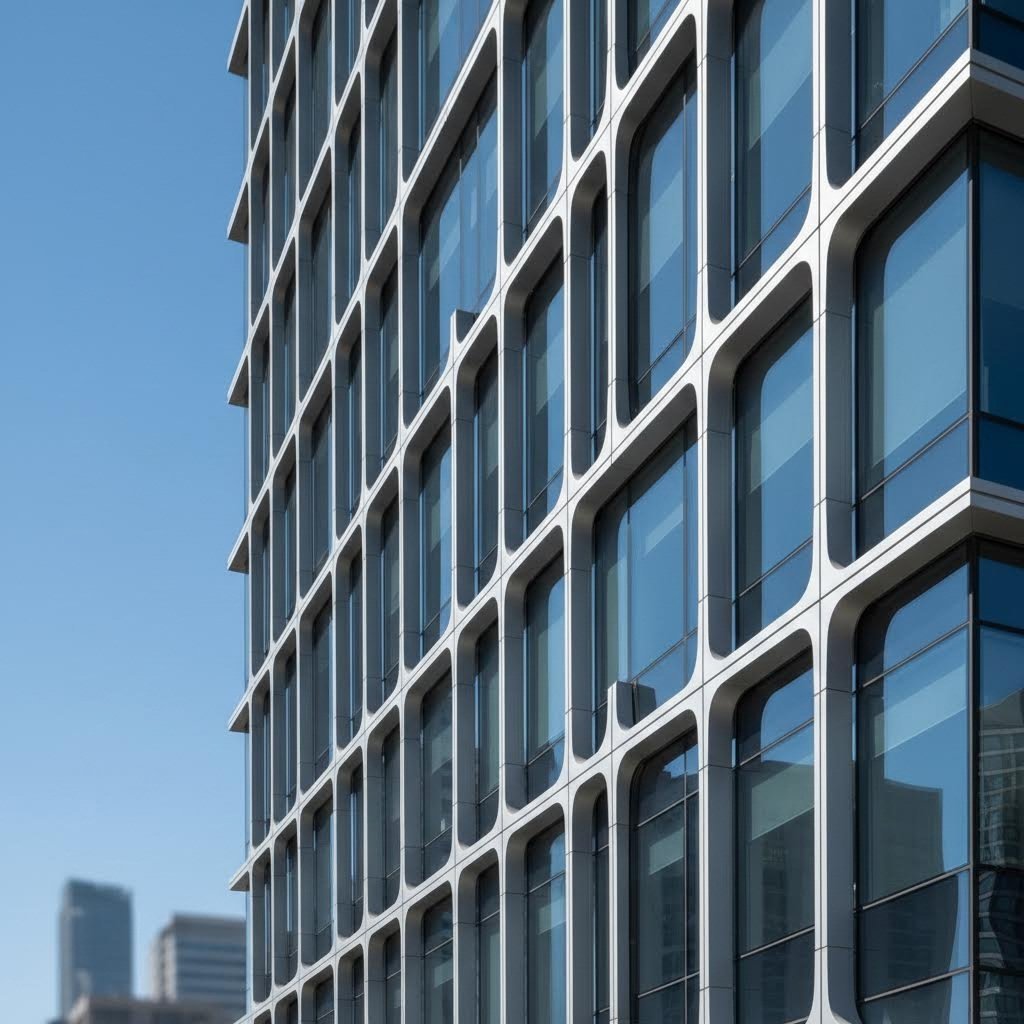
So what are aluminum extrusions used for in everyday practice? The market statistics we've explored translate into tangible products surrounding you right now. That sleek office building facade catching morning sunlight? Extruded aluminum mullions hold those glass panels in place. The bicycle you rode last weekend? Its frame likely consists of aluminum extruded products engineered for optimal strength-to-weight performance.
Understanding real-world applications bridges the gap between market projections and practical decision-making. When analysts forecast 4.6% compound annual growth, what does that actually mean for architects specifying building systems, automotive engineers designing battery enclosures, or manufacturers sourcing conveyor components? Let's explore where aluminum extrusions deliver value across industries.
Walk through any modern commercial district and you'll witness aluminum extrusions at work. Those floor-to-ceiling glass walls creating transparent building envelopes? They rely on sophisticated aluminum framing systems engineered to withstand wind loads while maintaining weathertight seals.
According to Taber Extrusions, structural aluminum for window walls and curtain walls has become essential in modern construction. The Empire State Building, constructed in 1931, marked a significant milestone by utilizing aluminum extensively in its structural and interior elements, demonstrating the material's architectural potential decades before today's widespread adoption.
Curtain walls function as non-load-bearing facades attached to building floor slabs, spanning from one slab to the next at depths typically ranging six to ten inches. These systems come in two primary configurations: stick-built assemblies constructed on-site, and panelized units arriving prefabricated for faster installation. Large aluminium extrusions form the mullions and transoms that create the structural framework supporting substantial glass panels.
Window wall systems offer a cost-effective alternative. Installed between floor slabs and anchored at sill and head, these systems eliminate fire-stopping requirements between floors since they sit within the slab structure. Aluminum rail extrusions guide these systems during installation while providing the structural backbone for long-term performance.
Beyond external facades, aluminum profiles serve interior applications including:
The design flexibility aluminum extrusions provide allows architects to create complex shapes and contours impossible with traditional materials. Thermal break technology incorporated into extruded profiles prevents heat transfer through window frames, directly supporting energy efficiency requirements in building codes worldwide.
Imagine designing a vehicle where every kilogram of weight reduction extends electric driving range by measurable miles. That's the reality automotive engineers navigate daily, and aluminum extrusions provide solutions across the entire vehicle architecture.
According to BRT Extrusions, the transportation sector relies on aluminum extrusions for chassis components, body structures, heat sinks, and engine parts. The lightweight nature of aluminum helps improve fuel efficiency and overall vehicle performance. In aerospace applications, weight reduction is even more critical for achieving optimal flight performance.
Automotive aluminum extruded products include:
Industrial applications demonstrate equally diverse utilization. Manufacturing facilities rely on extruded aluminum for machine frames offering dimensional stability and corrosion resistance. Proax Technologies identifies conveyor systems, assembly line frameworks, automation equipment, and safety guarding as critical industrial applications where aluminum rail extrusions deliver reliable performance.
The renewable energy sector creates expanding demand. Solar panel mounting systems require structural profiles withstanding decades of environmental exposure. Wind turbine components incorporate aluminum where weight sensitivity affects rotating assembly performance. These applications connect directly to infrastructure investment programs driving market growth projections.
Marine and offshore industries leverage aluminum's natural corrosion resistance for boat building, offshore structures, and marine equipment. The material withstands saltwater environments while contributing to improved vessel performance and fuel efficiency through weight reduction.
For industry participants, these application trends signal where investment and capability development create competitive advantage. Manufacturers expanding automotive-grade quality certifications position themselves for the fastest-growing segment. Suppliers developing specialized architectural finishing capabilities capture premium construction projects. Understanding where growth concentrates helps stakeholders align resources with emerging opportunities and evolving market dynamics.
Where does the aluminum extrusion market head from here? The data points toward sustained expansion, with the market projected to grow from USD 101.82 billion in 2025 to USD 219.82 billion by 2035, representing an 8% compound annual growth rate. But numbers alone don't capture the structural shifts reshaping competitive dynamics across the industry.
For manufacturers, buyers, and investors alike, understanding these transformation factors determines who captures emerging opportunities and who gets left behind. The market aluminum landscape isn't simply expanding; it's fundamentally reorganizing around new capabilities, regional dynamics, and integration models.
The aluminum extrusion industry faces intensifying competitive pressure that's accelerating consolidation. According to Research Nester's analysis, intense competition is lowering revenue growth as high price sensitivity drives manufacturers to focus on innovation and cost-effectiveness. Strong competition puts pressure on profitability and forces smaller businesses to either consolidate or exit.
What's driving this consolidation wave? Several interconnected factors:
Regional dynamics add another layer of complexity. Asia Pacific dominates with a projected 30.1% market share by 2035, driven by China's position as the leading aluminum producer capturing nearly 60% of global production. Meanwhile, North America's market is expected to grow at the fastest pace during the forecast period, propelled by aerospace, defense, and electric vehicle investments.
Companies like merit aluminum producers and established players such as aerolite extrusion co face strategic choices: invest heavily in capability expansion, pursue acquisitions to gain scale, or focus on specialized niches where technical expertise creates defensible positions.
How should different stakeholders position themselves for what's coming? The answer depends on your role in the value chain.
For manufacturers: Vertical integration increasingly separates winners from also-rans. Facilities combining diverse press capacities, in-house fabrication, and comprehensive surface treatment options capture larger project scopes while reducing customer coordination burden. Investment in automation and quality control systems becomes essential for maintaining margins amid price competition.
For procurement teams and buyers: Supplier consolidation means fewer but more capable partners. Prioritize relationships with manufacturers demonstrating broad technical capabilities, responsive engineering support, and financial stability to weather market cycles. Single-source suppliers with integrated operations reduce supply chain complexity while maintaining quality accountability.
For investors: The industry's 8% projected CAGR through 2035 signals attractive growth, but returns concentrate among players positioned for emerging applications. Electric vehicle components, renewable energy infrastructure, and sustainable building materials represent the highest-growth segments. Companies with demonstrated capabilities in these areas command premium valuations.
The future belongs to aluminum extrusion partners who combine manufacturing breadth with technical depth, offering integrated solutions from initial design through finished components while maintaining the quality consistency that demanding applications require.
This industry direction toward integrated solutions is exemplified by established manufacturers who've invested decades building comprehensive capabilities. Shengxin Aluminium, with over 30 years of experience, demonstrates this model through 35 extrusion presses ranging from 600T to 5500T, complete surface treatment options including anodizing, powder coating, PVDF, and micro-arc oxidation, plus end-to-end technical support from die development through mass production. This comprehensive capability profile represents where the industry is heading: fewer transactions with more capable partners who deliver complete solutions rather than commodity profiles.
The aluminum extrusion market's evolution rewards preparation over reaction. Whether you're sourcing components, expanding manufacturing capacity, or evaluating investment opportunities, aligning with these structural trends positions you to capture value as the industry continues its transformation toward integrated, technology-enabled, and sustainability-focused operations.
The global aluminum extrusion market was valued at approximately USD 91-97 billion in 2024 and is projected to reach USD 146-217 billion by 2030-2035, depending on the research source. Growth is driven by construction sector expansion, automotive lightweighting requirements, and renewable energy infrastructure development. Asia Pacific dominates consumption with over 70% market share, while North America shows the fastest growth trajectory.
Aluminum extrusions serve diverse applications across multiple industries. Building and construction accounts for over 60% of demand, including window frames, curtain walls, and structural glazing. Automotive applications encompass battery enclosures, crash management systems, and heat exchangers. Industrial uses include conveyor systems, machine frames, and solar mounting structures. Consumer goods applications feature furniture, appliances, and electronics housings.
Aluminum extrusion involves heating aluminum billets to 750-925°F until malleable, then forcing the metal through precision-engineered dies using hydraulic presses ranging from 600T to over 5500T. The emerging profiles undergo quenching for rapid cooling, stretching to straighten material, and aging heat treatment to optimize mechanical properties. Three methods exist: direct extrusion (most common), indirect extrusion (better temperature control), and hydrostatic extrusion (specialized precision applications).
Several factors influence aluminum extrusion costs. Raw material prices fluctuate with global commodity markets, historically ranging $1,500-$3,500 per metric ton. Die tooling costs range from $400-$2,000+ depending on profile complexity and press requirements. Surface treatments like anodizing or powder coating add $1,200-$1,400 per metric ton. Volume discounts significantly reduce per-unit costs as fixed tooling expenses distribute across larger production runs.
Key evaluation criteria include press tonnage range (broader ranges indicate flexibility for diverse projects), in-house CNC machining capabilities (reduces lead times by 2-3 weeks), surface treatment variety (anodizing, powder coating, PVDF options), die development support with Design for Manufacturability feedback, and quality certifications like ISO 9001 or IATF 16949 for automotive applications. Manufacturers like Shengxin Aluminium with 35 presses spanning 600T-5500T and comprehensive finishing capabilities exemplify integrated suppliers offering end-to-end solutions.



 dịch vụ trực tuyến
 0086 136 3563 2360
 sales@sxalu.com
 +86 136 3563 2360
 Việt
Việt English
 français
 Deutsch
 русский
 español
 português
 العربية
 ไทย
ไทย Українська