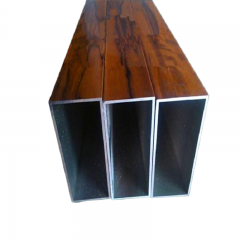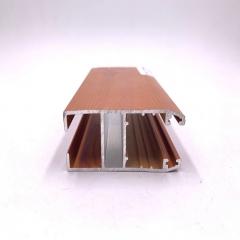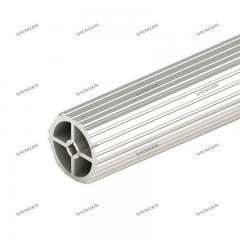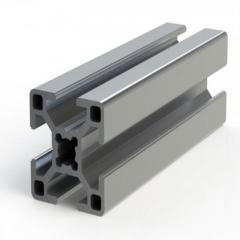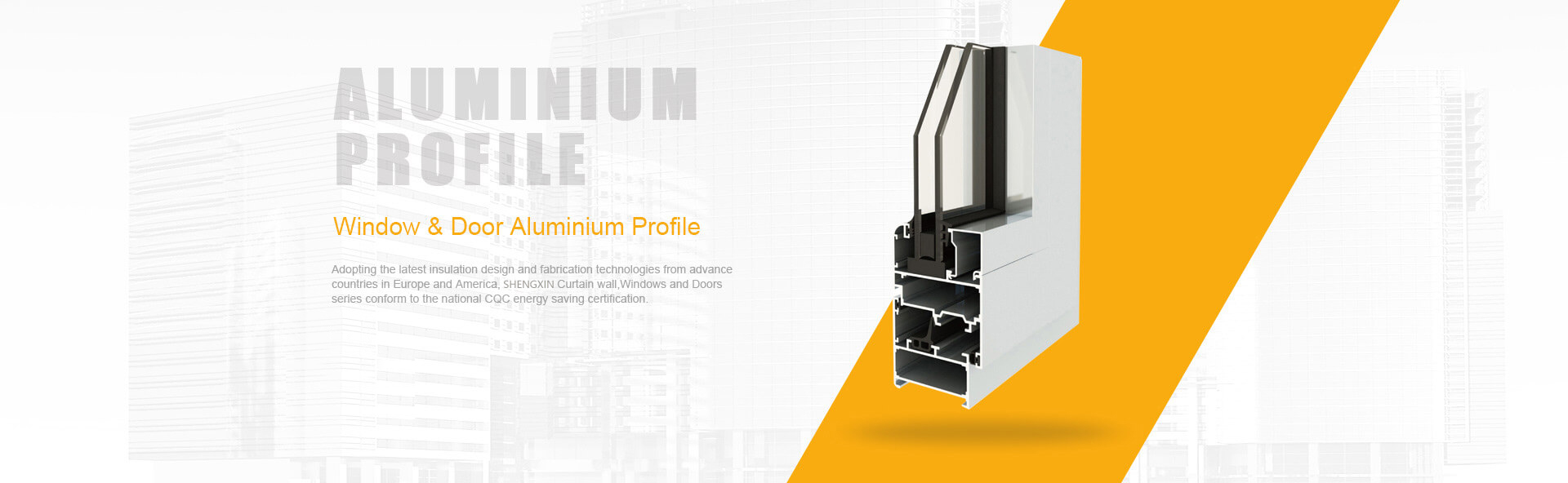
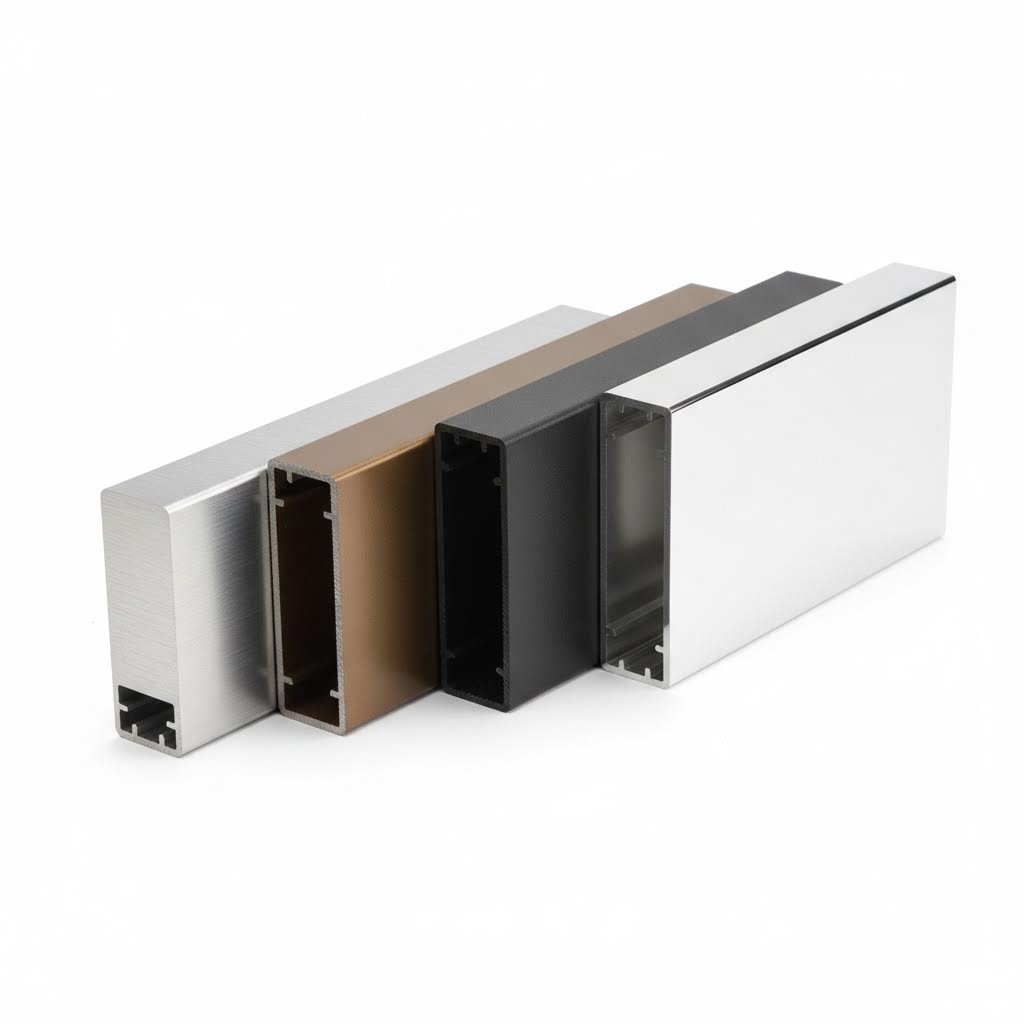
When you order an aluminum extrusion, what arrives at your facility isn't quite ready for prime time. That raw profile—fresh from the die—needs transformation before it can perform in demanding applications. This is where aluminum extrusion surface finish enters the picture, bridging the gap between basic material and high-performance component.
Simply put, an aluminum extrusion surface finish refers to any treatment applied to the exterior of extruded aluminum profiles. These surface treatments enhance appearance, boost durability, and prepare the metal for its intended environment. Whether you're designing architectural facades, automotive components, or consumer electronics housings, the finish you choose directly impacts how your product looks, performs, and lasts.
A quality aluminium surface finish isn't just about making aluminum look good—though aesthetics certainly matter. It's about achieving the right combination of properties for your specific application. Consider these defining characteristics:
The best finish for your project depends entirely on where and how your component will be used. Indoor decorative trim has vastly different requirements than outdoor structural framing exposed to salt air and intense sunlight.
Here's something fascinating about aluminum: the moment it's exposed to air, it begins forming a thin natural oxide layer on its surface. This layer—typically just 2 to 3 nanometers thick—provides some baseline corrosion resistance. However, this mill finish aluminum, as it's known in the industry, has significant limitations.
According to Valence Surface Technologies, mill finish aluminum "lacks any protective coating or external surface, making it the most basic type of aluminum." While it offers some natural corrosion resistance thanks to that oxide layer, it readily shows fingerprints, scratches, and surface blemishes. More importantly, it provides minimal protection against harsh environmental conditions.
Different surface treatments interact with aluminum's natural properties in unique ways. Anodizing, for instance, works electrochemically to dramatically thicken that natural oxide layer—sometimes by hundreds of times—creating exceptional hardness and corrosion resistance. Powder coating, on the other hand, adds an entirely separate protective barrier on top of the aluminum surface.
The surface finish you select doesn't just determine how your aluminum extrusion looks—it fundamentally defines how the component will perform, how long it will last, and what environments it can withstand. Form and function are inseparable in finish selection.
Throughout this guide, you'll discover the full spectrum of aluminum surface finishes available, from mechanical processes like brushing and polishing to advanced electrochemical treatments. You'll learn how to match finishes to applications, understand quality control methods, and make informed decisions that balance performance requirements with budget realities. Let's start by examining the mechanical finishing methods that often serve as the foundation for more advanced treatments.
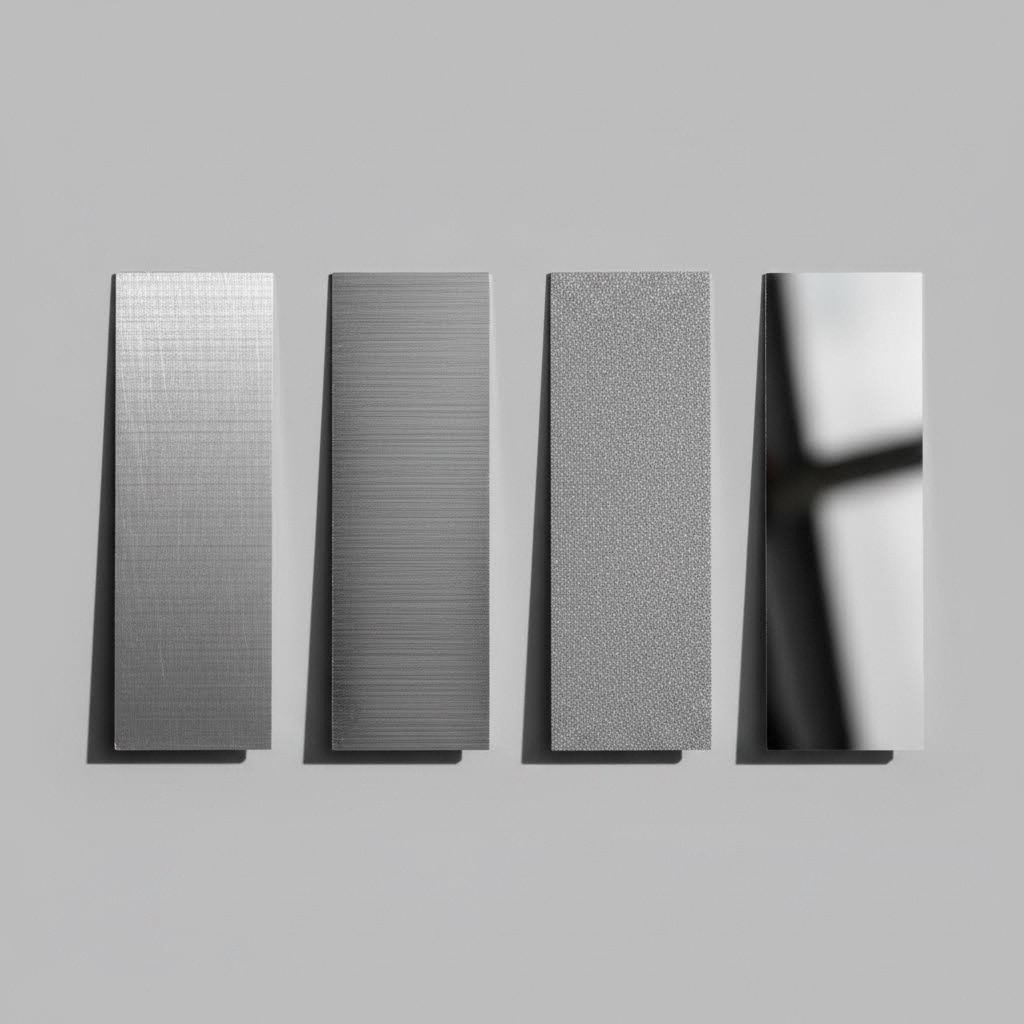
Before aluminum extrusions receive advanced coatings or electrochemical treatments, they typically undergo mechanical finishing. These physical processes shape the surface texture, remove imperfections, and prepare the metal for whatever comes next. Think of mechanical finishing as the foundation—get it right, and subsequent treatments perform beautifully. Get it wrong, and problems cascade through your entire finishing workflow.
Mechanical finishing aluminum involves using abrasives, brushes, or propelled media to physically alter the surface. Unlike chemical or electrochemical methods that change the surface through reactions, these techniques rely on controlled friction and impact to achieve specific textures and smoothness levels.
Every aluminum extrusion begins its journey with a mill finish—the natural surface condition straight from the extrusion press. This as-extruded state shows the aluminum exactly as it emerges from the die, complete with subtle tool marks and the metal's natural oxide layer.
What does mill finish actually look like? You'll notice a matte, slightly silvery-gray appearance with fine linear patterns running along the extrusion direction. According to TiRapid, the surface roughness of as-machined aluminum typically ranges from Ra 0.2 µm to 3.2 µm, depending on processing parameters.
Mill finish offers the lowest cost and fastest lead time since no additional processing is required. It's perfectly suitable for internal components, structural applications hidden from view, or parts destined for further finishing. However, it has limitations—the surface readily shows fingerprints, offers minimal environmental protection beyond aluminum's natural oxide layer, and lacks the refined appearance many applications demand.
When mill finish isn't enough, mechanical processing steps in to create precisely controlled surface textures. Each technique produces distinct visual and tactile characteristics while achieving specific surface roughness values.
Sounds technical? Let's break it down. Surface roughness—measured as Ra (Roughness Average)—quantifies how smooth or textured a surface actually is. Lower Ra values mean smoother surfaces. According to RapidDirect, Ra represents "the average roughness between a roughness profile and the mean line," making it the most commonly used parameter for specifying surface finish requirements.
Here's why this matters: different applications demand different roughness levels. A precision bearing surface might require Ra 0.4 µm or finer, while a decorative architectural panel might intentionally feature a textured finish with much higher Ra values for visual interest.
Here's something many buyers overlook: mechanical finishing often serves as preparation for subsequent treatments rather than the final step. Bead blasting, for instance, significantly improves coating adhesion by creating microscopic surface texture that paints and powder coatings can grip. Similarly, polishing before anodizing produces dramatically different results than anodizing a rough surface—the oxide layer follows the underlying texture, so a mirror-polished surface yields a brilliant anodized finish.
The aluminum finish you select at this stage influences everything downstream. A brushed texture remains visible through clear anodizing, preserving that distinctive grain pattern under a protective oxide layer. Conversely, powder coating over a sandblasted surface ensures superior adhesion while masking the underlying texture completely.
Understanding these mechanical foundations helps you communicate requirements clearly with finishing providers and ensures your aluminum extrusions receive the right preparation for their intended surface treatments. With mechanical methods covered, let's explore the electrochemical processes that take aluminum finishing to the next level—starting with anodizing.
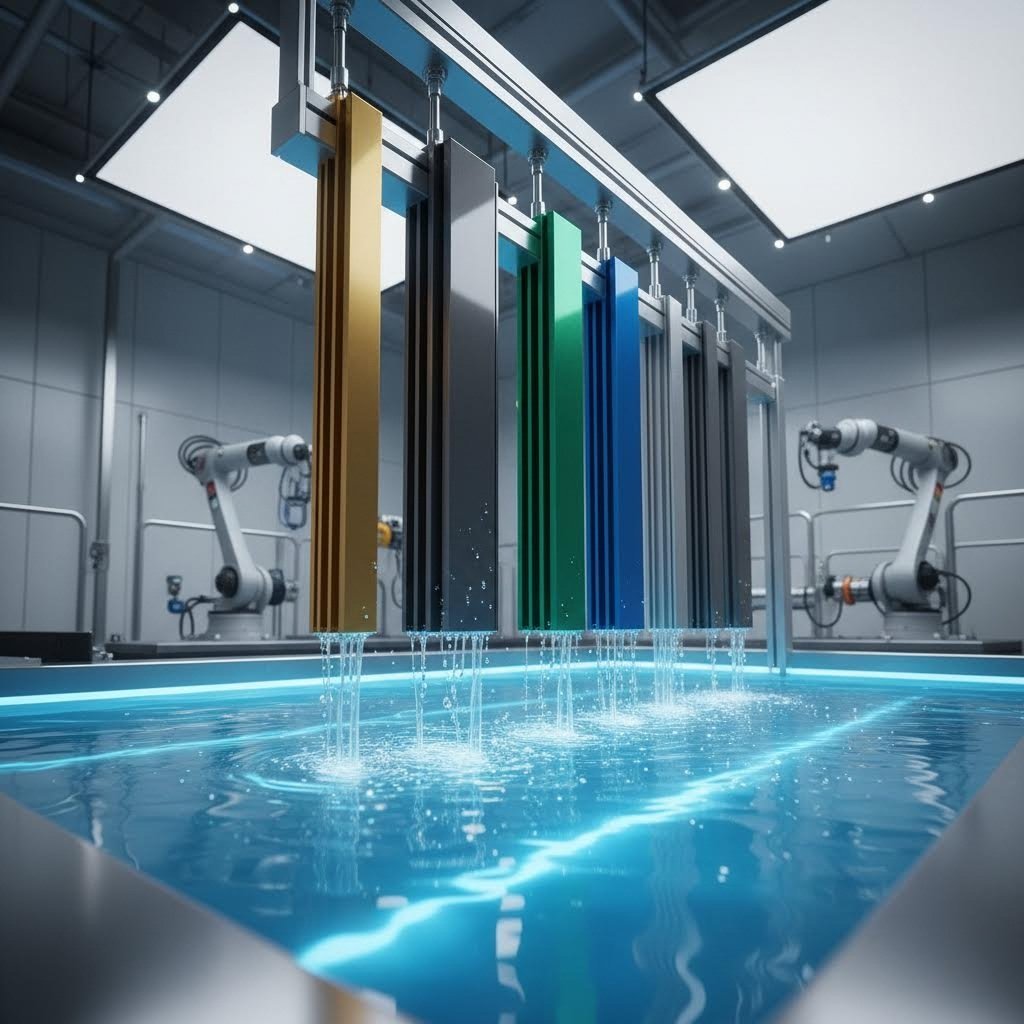
Imagine taking aluminum's natural tendency to oxidize and supercharging it—that's essentially what anodizing does. This electrochemical process transforms the surface of aluminum extrusions into one of the most durable, attractive, and versatile finishes available. It's no wonder anodizing stands as the most popular aluminium surface finishing method for extruded profiles worldwide.
According to the Anodizing Association, anodizing "converts the metal surface into a decorative, durable, corrosion-resistant, anodic oxide finish." Unlike paint or plating that sits on top of the surface, the anodic oxide layer grows directly from the aluminum substrate itself. This means it cannot chip or peel—it's literally part of the metal.
The anodizing process works by immersing aluminum extrusions in an acid electrolyte bath while passing an electric current through the solution. Here's where it gets interesting: the aluminum part becomes the anode (positive electrode), causing oxygen ions to release from the electrolyte and combine with aluminum atoms at the surface.
What results is a highly structured, porous oxide layer that's exponentially thicker than aluminum's natural oxide film. While untreated aluminum develops an oxide layer just 2-3 nanometers thick, anodizing can build protective coatings measured in microns—sometimes hundreds of times thicker.
This porous structure isn't a defect—it's actually essential for subsequent processes. Those microscopic pores allow dyes to penetrate deep into the oxide layer for coloring, and the sealing process that follows locks everything in place. The final step typically involves immersing parts in hot deionized water or nickel acetate solution, which closes the pores and creates a non-absorbent, highly corrosion-resistant surface.
Not all anodizing is created equal. Three distinct types exist, each serving different performance requirements. Choosing the wrong type can mean insufficient protection—or unnecessary cost. Let's break down what sets them apart.
| Anodizing Type | Thickness Range | Hardness | Corrosion Resistance | Typical Applications |
|---|---|---|---|---|
| Type I (Chromic Acid) | 0.5 - 2.5 µm | Low | Excellent | Aerospace components, tight-tolerance parts, paint primer base |
| Type II (Sulfuric Acid) | 5 - 25 µm | Moderate | Very Good | Architectural profiles, consumer products, decorative applications |
| Type III (Hardcoat) | 25 - 150 µm | Very High | Excellent | Industrial machinery, military equipment, high-wear components |
Type I anodizing uses a chromic acid bath to produce an extremely thin, non-porous layer. According to Worthy Hardware, this process is "perfect for parts with tight tolerances" since the minimal coating thickness barely affects dimensions. It also has less impact on aluminum's fatigue strength compared to other types. However, the thin film cannot be dyed, producing only a dull gray appearance. Environmental regulations have made Type I less common due to chromic acid's hazardous nature.
Type II anodizing—also called standard or decorative anodizing—represents the most widely used process. Using a sulfuric acid electrolyte, it builds a thicker porous layer ideal for dyeing. This is your go-to choice when you need both protection and aesthetic appeal. The porous structure acts like a sponge, absorbing organic dyes to create vibrant, long-lasting colors.
Type III anodizing (hardcoat) delivers maximum durability. The process creates an exceptionally thick, dense oxide layer with hardness approaching that of case-hardened steel. When your aluminum extrusions face extreme wear, abrasion, or harsh operating conditions, hardcoat anodizing provides the ultimate protection.
One of anodizing's most attractive features is its ability to produce rich, permanent colors. Unlike paint that fades or chips, anodized colors become integral to the protective oxide layer itself.
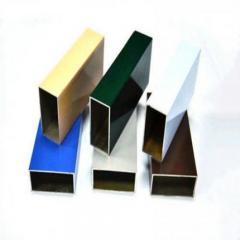
The coloring process works beautifully with Type II anodizing. After the oxide layer forms, parts are immersed in dye solutions that penetrate the porous structure. Standard colors include black, bronze, gold, and various metallic shades. Custom colors—from vibrant reds and blues to subtle champagne and rose gold tones—are achievable through careful dye selection and process control.
Here's what makes anodized color so durable: once dyes penetrate the pores, the sealing process permanently traps them inside. The color cannot scratch off because it's protected by the hard oxide layer above it. This explains why anodized aluminum finishes on architectural buildings still look vibrant decades after installation.
Clear anodizing deserves mention too. When you want to preserve aluminum's natural metallic appearance while adding protection, clear anodizing provides an invisible shield. It's particularly effective over brushed or polished mechanical finishes, allowing that underlying texture to show through while dramatically improving durability.
Here's something many buyers don't realize: the aluminum alloy you choose significantly impacts anodizing quality. Not all alloys anodize equally well, and selecting the wrong one can lead to disappointing results.
According to Metal Finishings Ltd, "the best alloy is different depending on what anodising process is used and depending on what the end use of the component is." For most applications, 6000 series alloys deliver excellent results.
6063 aluminum stands as the preferred choice for decorative and architectural anodizing. Its chemical composition produces uniform, attractive oxide layers with consistent color absorption. If you're designing visible architectural elements or consumer products where appearance matters, 6063 should be your default selection.
6061 aluminum performs better for hardcoat (Type III) applications. Its slightly different composition creates a denser oxide structure that maximizes wear resistance. Industrial components requiring extreme durability benefit from this alloy choice.
Want perfectly matched parts? Here's a critical tip: ensure all components come from the same alloy—and ideally the same material batch. Even minor variations between batches of identical alloy specifications can produce visible color differences after anodizing. For projects where color matching is essential, communicate this requirement clearly with your extrusion supplier.
With anodizing's electrochemical magic covered, let's explore another popular finishing category that offers different advantages—powder coating and paint finishes that add color and protection through an entirely different mechanism.
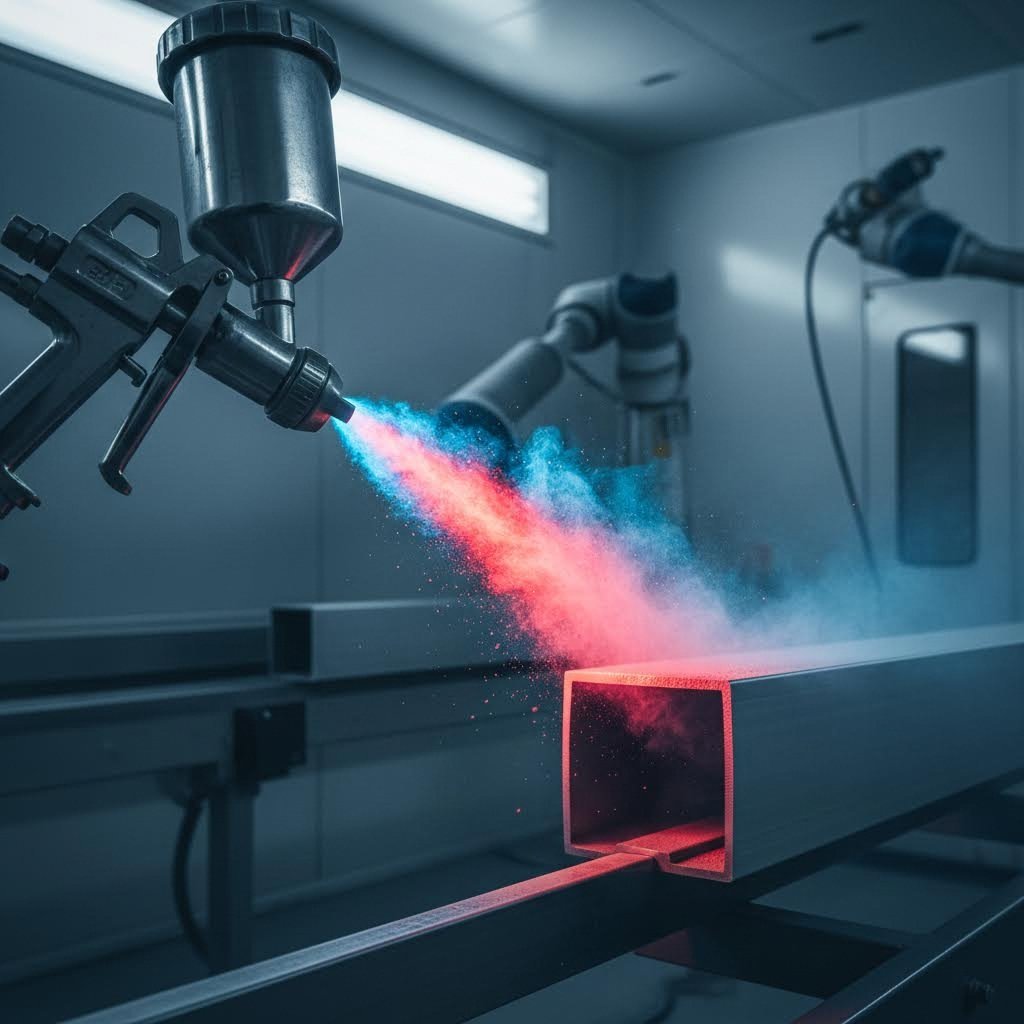
While anodizing transforms aluminum's own surface, powder coating and paint finishes take a different approach—they add a completely separate protective layer on top of the metal. These applied finishes open up virtually unlimited color possibilities and offer distinct performance characteristics that make them ideal for specific applications.
When should you choose an applied coating over anodizing? The answer often comes down to color requirements, environmental exposure, and budget considerations. Let's explore how these finishing methods work and when each makes the most sense for your aluminum surface finishing needs.
Powder coating has revolutionized finishes for aluminum over the past several decades. Unlike liquid paints that flow onto surfaces, powder coating relies on an ingenious electrostatic process that ensures uniform coverage even on complex profiles.
Here's how it works: finely ground powder particles—typically composed of resins, pigments, curing agents, and flow modifiers—are sprayed from an air fluidized hopper onto the aluminum extrusion. During application, the powder receives a positive electrical charge while the aluminum profile remains grounded (negatively charged). This electrostatic attraction causes powder particles to cling uniformly to all surfaces, including hard-to-reach areas and interior corners.
According to Alexandria Industries, "after the proper amount of powder is applied, the profile is baked in an oven where the powder particles are melted to a liquid state, fusing together to form a homogenous film." This thermal curing—typically occurring at temperatures between 350°F and 400°F—creates a fully cross-linked coating with exceptional physical properties.
The result? A tough, uniform aluminum surface finish that meets stringent performance criteria while offering remarkable versatility in color and texture options.
Modern powder coating technology has advanced remarkably. According to Master Craft Finishers, AAMA 2605-certified powder finishes now offer warranties of 20 to 30 years—placing them on par with premium liquid coatings for architectural durability.
When aluminum extrusions face the harshest environments—coastal buildings battered by salt air, desert structures enduring intense UV exposure, or high-rise facades weathering decades of urban pollution—PVDF coatings deliver unmatched protection.
PVDF (polyvinylidene fluoride), commonly known by its trade name Kynar, has been a cornerstone of architectural aluminum coating since 1965. This liquid coating system combines exceptional color stability, weathering resistance, and proven longevity that few alternatives can match.
What makes PVDF special? The fluoropolymer chemistry provides extraordinary resistance to UV degradation and chemical attack. According to Master Craft Finishers, PVDF paints "maintain their color and finish under prolonged exposure to sunlight and weather," backed by over half a century of real-world performance data.
However, PVDF application requires more complexity than powder coating. The process demands proper pretreatment, primer application, and curing at approximately 450°F. This multi-step approach adds cost but ensures the exceptional adhesion and durability that made PVDF the gold standard for architectural finishes.
Both finishing methods serve essential roles in aluminum surface finishing, but their characteristics suit different situations. Understanding these trade-offs helps you select the optimal solution for your project.
| Characteristic | Powder Coating | PVDF/Liquid Paint |
|---|---|---|
| Environmental Impact | Low/No VOC emissions | Higher VOC content |
| Gloss Range | Matte to high gloss available | Maximum ~40 degrees gloss |
| Physical Durability | Excellent impact resistance | Good, but less impact resistant |
| Repairability | Difficult to touch up | Easier field repairs |
| Color Matching | Larger minimum orders required | Smaller custom quantities available |
| Application Complexity | Primer-free, single coat | Requires pretreatment and primer |
| UV/Weather Resistance | Excellent (AAMA 2605 certified) | Superior proven track record |
For sustainability-focused projects, powder coating often wins. Its zero-VOC formulation aligns with green building standards and reduces environmental compliance burdens. The ability to reclaim and reuse overspray further minimizes waste compared to liquid systems where excess material is typically lost.
Conversely, PVDF remains the preferred choice when absolute color consistency, long-term weathering performance, and field repairability matter most. Major manufacturers continue offering 20-year warranties on PVDF finishes, backed by decades of historical performance data that newer powder technologies are still accumulating.
The good news? You don't always have to choose definitively. Many finishing providers offer both technologies, allowing you to match the optimal solution to each project's specific requirements. As coating technologies continue advancing, the performance gap between powder and liquid options continues narrowing—giving designers and engineers more flexibility than ever before.
Beyond these mainstream options, specialized finishing techniques address applications where standard coatings fall short. Let's explore the advanced surface treatments that push aluminum performance to new levels.
Sometimes standard anodizing or powder coating simply won't cut it. When your aluminum extrusions face extreme wear conditions, require mirror-like reflectivity, or need specialized corrosion protection as a primer base, advanced finishing techniques step in to deliver performance that conventional methods cannot match.
These specialized processes—often overlooked in typical extrusion finish discussions—address demanding applications across aerospace, medical, optical, and high-performance industrial sectors. Let's explore the cutting-edge options that push aluminum surface performance to its limits.
Imagine anodizing on steroids—that's essentially what micro-arc oxidation (MAO) delivers. This advanced electrochemical process creates ceramic-like coatings on aluminum surfaces that dramatically outperform conventional anodizing in hardness and wear resistance.
How does it work? According to VMT CNC, MAO is "a cutting-edge electrochemical process that forms a robust ceramic coating on specific metal surfaces through controlled high-voltage plasma discharges within an electrolyte." Unlike standard anodizing that operates at relatively low voltages, MAO uses much higher voltages that create micro-sparks across the surface. These plasma discharges transform the aluminum oxide layer into a dense, crystalline ceramic structure.
The results speak for themselves. MAO coatings achieve hardness levels approaching case-hardened steel—significantly harder than even Type III hardcoat anodizing. The ceramic layer bonds metallurgically to the aluminum substrate, ensuring exceptional adhesion that won't peel or delaminate under stress.
What makes MAO particularly valuable for aluminum extrusions? Consider these key advantages:
Industries demanding lightweight yet extremely durable components—aerospace, automotive performance, and precision machinery—increasingly specify MAO when standard aluminum finishes fall short.
Not every application needs the extreme durability of MAO or even standard anodizing. Sometimes you need a thin, economical coating that provides corrosion protection while serving as an excellent primer base for subsequent paint or powder coating. Enter chemical conversion coatings.
These treatments work through an immersion bath process that deposits a thin film of corrosion-inhibiting compounds onto the aluminum surface. According to Henkel Adhesives, chromate conversion coatings "create deposits on chromium and aluminum salts, which increase corrosion resistance to atmospheric conditions, while improving paint bonding."
You'll encounter two main categories of conversion coatings:
Chromate conversion coatings have been the industry standard for decades. The process produces a characteristic yellow to brown appearance on unpainted aluminum, with color intensity indicating coating thickness. These coatings deliver excellent corrosion protection and remain essential for aerospace applications requiring MIL-Spec compliance. According to Henkel, chromate coatings "provide excellent protection for unpainted aluminum and substantially improve paint adhesion."
Non-chromate (chromium-free) conversion coatings have emerged as environmentally friendlier alternatives. Modern formulations using titanium, zirconium, or other compounds achieve comparable performance without the environmental and health concerns associated with hexavalent chromium. These alternatives increasingly dominate commercial applications where regulatory compliance and worker safety take priority.
When should you specify conversion coatings? They're ideal when you need:
When your application demands mirror-like surfaces—optical reflectors, decorative trim, or luxury product housings—specialty polishing techniques deliver results that standard mechanical finishing cannot achieve.
Achieving a true mirror finish on aluminum isn't simple. According to JC Proto, "achieving a true mirror finish is not a single step. It is a long and highly skilled process of refinement." The process begins where normal sanding ends, often progressing through 1000-grit, 2000-grit, or even finer abrasives before buffing begins.
The actual polishing—called buffing—uses rotating wheels coated with progressively finer abrasive compounds. Skilled technicians start with cutting compounds to remove fine scratches, then switch to finishing compounds on softer wheels to develop that deep, reflective shine. Surface roughness values can drop to Ra 0.05 µm or lower—smooth enough to function as optical mirrors.
Why invest in this labor-intensive process? According to JC Proto, "polished aluminum parts are used as mirrors and reflectors in telescopes, laser systems, and other advanced optical equipment." Beyond scientific instruments, mirror-polished aluminum elevates luxury consumer products, high-end automotive trim, and premium architectural elements.
However, mirror polishing comes with practical considerations. The process is expensive due to its labor intensity, and polished surfaces scratch easily without protective clear coatings. Evaluate whether your application truly requires this level of finish—or whether brushed or satin alternatives might deliver the aesthetic impact you need at lower cost.
Standard mechanical finishing processes like brushing create directional textures—you can see and feel which way the abrasive moved across the surface. Isotropic finishing takes a different approach, producing uniform, non-directional surface textures that look and perform identically from any angle.
This technique typically uses vibratory or tumbling processes with specialized media to create consistent surface characteristics across complex geometries. The result is particularly valuable for components requiring uniform friction properties, consistent light reflection, or surfaces that must perform identically regardless of orientation.
Isotropic aluminum finishing finds applications in precision mechanical components, medical devices requiring easy cleaning, and decorative parts where directional grain lines would detract from the design intent.
Selecting the right specialty finish requires balancing performance requirements against budget realities. This comparison helps you identify which advanced treatment best matches your application needs:
| Process Type | Key Benefits | Typical Industries | Relative Cost |
|---|---|---|---|
| Micro-Arc Oxidation (MAO) | Extreme hardness, ceramic-like wear resistance, thermal stability | Aerospace, automotive performance, military, precision machinery | High |
| Chromate Conversion | Excellent paint adhesion, corrosion protection, maintains conductivity | Aerospace, defense, general manufacturing | Low |
| Non-Chromate Conversion | Environmentally friendly, good adhesion, regulatory compliance | Automotive, consumer products, commercial construction | Low to Moderate |
| Mirror Polishing | Maximum reflectivity, luxury appearance, optical functionality | Optical instruments, luxury goods, high-end automotive | High |
| Isotropic Finishing | Uniform texture, consistent friction, non-directional appearance | Medical devices, precision components, specialty decorative | Moderate to High |
These specialized processes address applications where mainstream finishes fall short. Whether you need ceramic-hard surfaces for extreme wear resistance, perfect reflectivity for optical systems, or optimized primer bases for subsequent coatings, advanced finishing techniques expand what's possible with aluminum extrusions.
With the full spectrum of finishing options now covered—from basic mechanical processes through advanced specialty treatments—how do you actually choose the right finish for your specific application? The next section provides a practical framework for matching finishes to your performance requirements, environmental conditions, and budget constraints.
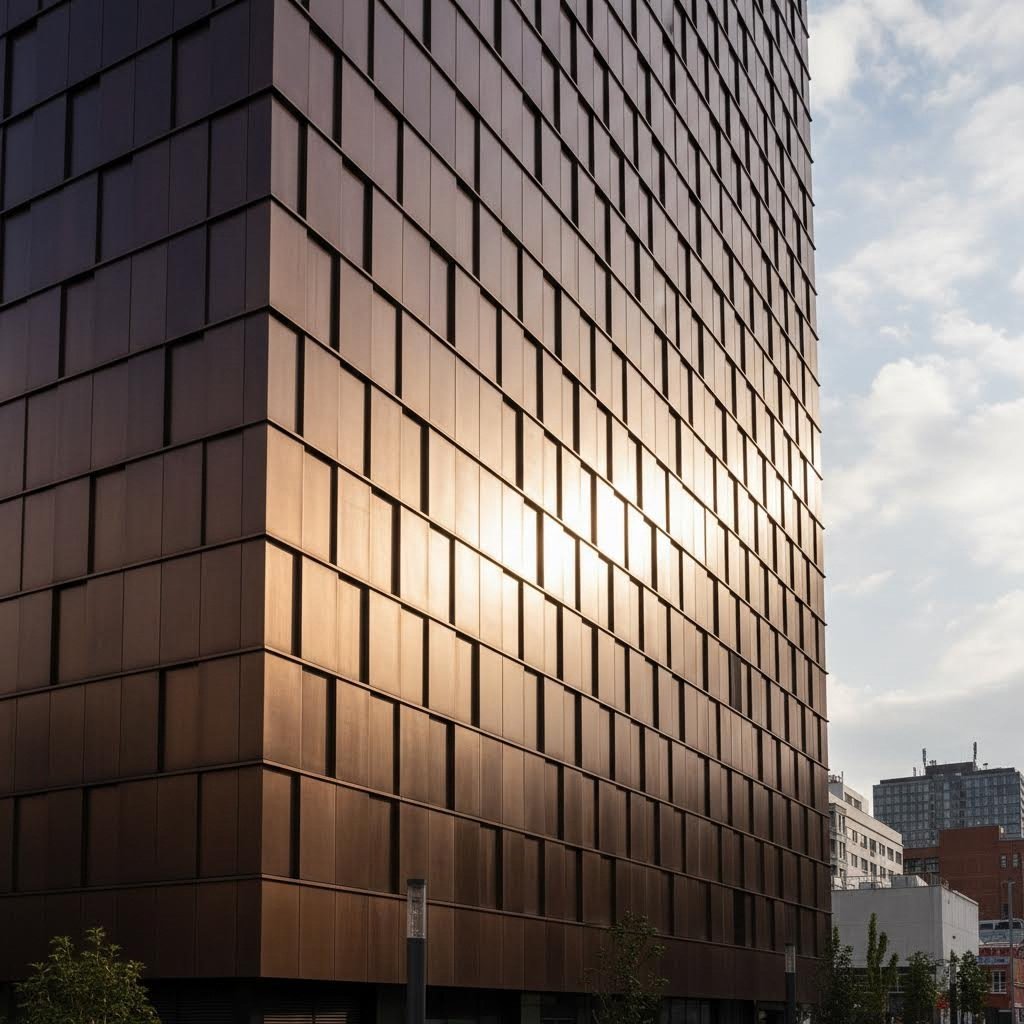
You've now explored the full range of aluminum surface finishes—from mechanical textures through advanced ceramic coatings. But here's the real challenge: how do you actually choose? With so many aluminum extrusion coating options available, selecting the optimal finish requires systematically evaluating your specific requirements against each option's strengths and limitations.
Think of finish selection as solving a puzzle with three interconnected pieces: where will your component live, what must it withstand, and how should it look? Get these answers right, and choosing aluminum surface treatment becomes remarkably straightforward.
Your application environment drives finish requirements more than any other factor. A window frame facing coastal salt spray needs dramatically different protection than an indoor electronic enclosure. Let's break down the key considerations by industry sector.
Architectural Applications
Building facades, window frames, curtain walls, and structural elements face decades of environmental exposure. Weather resistance and aesthetic longevity take priority here. According to PTI FastTrack, architectural applications commonly require "anodizing, powder coating, or chemical conversion coatings" to significantly enhance aluminum's "ability to withstand these conditions."
For visible architectural elements, PVDF coatings offer proven 20+ year color stability under intense UV exposure. Anodizing—particularly Type II with clear or bronze tones—delivers that distinctive metallic appearance architects love while providing excellent corrosion protection. Powder coating opens unlimited color possibilities with strong weathering performance when specified to AAMA 2605 standards.
Industrial Applications
Manufacturing equipment, conveyor systems, machinery housings, and process components prioritize function over form. Here, wear resistance, chemical compatibility, and operational durability matter most.
Type III hardcoat anodizing excels when components face abrasion, sliding contact, or repetitive mechanical stress. Micro-arc oxidation pushes performance even further for extreme wear scenarios. Chemical conversion coatings serve well as primer bases when industrial components require painted finishes for identification or additional corrosion protection.
Consumer Products
Electronics housings, appliances, furniture, and personal devices demand finishes that look great and feel right in users' hands. Appearance, tactile quality, and resistance to everyday handling take center stage.
Brushed aluminum finishes hide fingerprints effectively while conveying premium quality—perfect for laptop enclosures and kitchen appliances. Clear anodizing preserves that brushed texture under a protective layer. When vibrant colors matter, dyed anodizing or powder coating delivers eye-catching options that resist scratching during daily use.
Every project faces budget constraints. The key is understanding where to invest in premium finishes and where economical options suffice. Consider these trade-offs:
Mill finish costs nothing beyond basic extrusion pricing—but offers minimal protection and an unrefined appearance. Reserve it for hidden structural components or parts receiving immediate secondary finishing. Mechanical finishes like brushing add modest cost while dramatically improving appearance. Chemical conversion coatings provide economical corrosion protection at a fraction of anodizing's cost.
Type II anodizing hits the sweet spot for many applications—moderate cost with excellent protection and attractive appearance. PVDF and hardcoat anodizing command premium pricing but deliver decades of proven performance where conditions demand it.
Here's a critical factor many buyers overlook: your aluminum alloy choice significantly impacts finishing results. Not all alloys respond equally to every process, and mismatches lead to disappointing outcomes.
According to Eagle Aluminum, when comparing these popular alloys, "it generally depends on what is more important for the use of the extrusion—strength or finishing options." This trade-off shapes alloy selection for most projects.
6063 Aluminum stands as the premier choice for decorative finishes. Its chemical composition produces uniform, attractive anodized surfaces with consistent color absorption. According to Eagle Aluminum, 6063 "has better characteristics for forming, machine-ability, and acceptance of anodized finishing options." When visual appeal matters—architectural trim, consumer electronics, visible profiles—6063 should be your default selection.
6061 Aluminum delivers superior strength (ultimate tensile strength of at least 42,000 psi versus 6063's 28,000 psi) but produces less aesthetically consistent anodized surfaces. For structural applications where mechanical properties take priority over appearance, 6061 makes sense. It also performs well under hardcoat anodizing for wear-resistant industrial components.
Want perfectly matched parts across a production run? Ensure all components come from the same alloy specification—and ideally the same material batch. Even minor batch-to-batch variations can produce visible color differences after anodizing.
Before specifying any finish, work through this decision framework to clarify your requirements:
Answering these questions systematically narrows your options quickly. An outdoor architectural application demanding 25-year color retention and premium appearance points clearly toward PVDF or high-performance powder coating on 6063 alloy. An internal machinery component facing abrasive wear but hidden from view suggests hardcoat anodizing on 6061 without color requirements.
With your finish requirements defined, how do you verify that finished components actually meet specifications? The next section covers quality control methods and testing procedures that ensure your aluminum extrusions deliver the performance you specified.
You've specified the perfect finish for your aluminum extrusions—but how do you know you're actually getting what you paid for? This is where aluminum finish quality testing becomes essential. Without proper verification, even carefully specified finishes can arrive with hidden defects, insufficient thickness, or poor adhesion that leads to premature failure.
Professional quality control goes far beyond eyeballing parts for obvious problems. It involves standardized surface finish inspection methods, calibrated instruments, and documented procedures that ensure every batch meets your specifications. Let's explore the testing methods that separate conforming finishes from costly rejects.
Quality evaluation begins with visual inspection but certainly doesn't end there. Trained inspectors examine parts under controlled lighting conditions, looking for scratches, uneven gloss, color variations, white spots (anodizing burns), and other surface defects. According to Aluphant, "consistent defects indicate poor surface preparation or improper voltage control during anodizing."
However, many critical quality characteristics aren't visible to the naked eye. That's where instrumental testing comes in:
Surface Roughness Measurement: Profilometers measure Ra values to verify surface texture meets specifications. According to Aluphant, precision aluminum housings typically require Ra 0.8–1.6 μm, while bead-blasted finishes range from Ra 3.2–6.3 μm. A competent supplier provides Ra measurement data from each batch.
Aluminum Coating Thickness Measurement: For anodized and painted finishes, thickness directly impacts protection level. According to Evident Scientific, X-ray fluorescence (XRF) technology "precisely determines the thickness of coatings on aluminum surfaces without damaging the part." Standard decorative anodizing should measure 8–15 μm, while hard anodizing reaches 25–50 μm.
Color Consistency: For visible components, even slight color shifts create unacceptable appearance variations. Professional suppliers use spectrophotometers to measure ΔE (color deviation). According to Aluphant, "ΔE ≤ 1.5 is generally imperceptible to the human eye, ensuring uniform appearance."
Adhesion Testing: Coatings that peel or flake fail catastrophically in service. Cross-hatch tape testing (ASTM D3359) evaluates how well finishes bond to the aluminum substrate by scoring the surface in a grid pattern, applying tape, then examining how much coating pulls away.
Salt Spray Testing Aluminum: This accelerated corrosion test evaluates protective performance. According to Wikipedia, test samples are exposed to "a corrosive environment of dense salt water fog" in a controlled chamber. While salt spray testing doesn't perfectly predict real-world corrosion life, it enables "quick comparisons to be made between actual and expected corrosion resistance." Test durations vary dramatically—electroplated zinc parts might require 96 hours without white rust, while zinc-nickel coatings can exceed 720 hours.
Gloss Measurement: Gloss meters quantify surface reflectivity at standardized angles (typically 20°, 60°, or 85°). This ensures consistent appearance across production batches and verifies that matte, satin, or high-gloss specifications are actually achieved.
Industry standards provide the common language between buyers and suppliers. When you specify compliance with recognized standards, you're referencing documented test methods, acceptance criteria, and quality benchmarks that both parties understand.
Key standards governing aluminum surface finishes include:
According to Wikipedia, testing standards like ASTM B117 and ISO 9227 "describe the necessary information to carry out this test" including "temperature, air pressure of the sprayed solution, preparation of the spraying solution, concentration, pH, etc." However, these standards don't specify required test durations—those requirements are agreed between customer and manufacturer based on the coating type and application.
When evaluating finished aluminum extrusions, work through this systematic checklist to ensure your specifications have been met:
Don't accept vague quality assurances. Professional finishing providers maintain documented quality systems with calibrated instruments, trained inspectors, and traceable records. If a supplier can't provide the test data you need, consider that a warning sign about their process control capabilities.
Quality verification protects your investment and ensures finished components perform as expected. But quality doesn't happen by accident—it starts with selecting the right finishing partner. The final section explores what to look for when choosing a surface finishing provider and how integrated capabilities streamline your path from extrusion to finished product.
You've defined your finish requirements, understand the quality metrics that matter, and know exactly what your aluminum extrusions need to perform. Now comes the practical question: who should actually apply that finish? The aluminum finishing service providers you choose directly impact quality consistency, lead times, and ultimately your project's success.
Working with the right partner transforms what could be a frustrating coordination exercise into a streamlined process. But not all finishing providers offer equal capabilities—and understanding these differences helps you make smarter sourcing decisions.
Selecting a professional aluminum coating services provider involves evaluating far more than just price quotes. According to TMCO, "choosing the right aluminum fabricator can make the difference between a smooth production run and costly setbacks." The same principle applies to finishing partners.
Here's what separates capable providers from those likely to cause headaches:
Technical Expertise and Experience: Look for providers with proven track records in your specific finish type. A shop that primarily handles powder coating may lack the specialized knowledge for precision anodizing. According to TMCO, "experience translates to a deep understanding of aluminum grades, properties, and how they behave" during processing. Ask about their experience with your aluminum alloy and finish combination.
Quality Systems and Certifications: ISO certification demonstrates commitment to documented processes and consistent quality. According to TMCO, "certifications demonstrate a commitment to consistent quality" and indicate that providers "follow documented inspection and testing processes." Don't hesitate to request quality documentation and test reports for previous projects.
Equipment and Process Capability: Modern finishing demands modern equipment. Verify that providers maintain properly sized tanks for your extrusion lengths, calibrated testing instruments, and environmental controls appropriate for your finish type. Outdated or poorly maintained equipment directly impacts finish quality.
Here's where provider selection gets interesting: the most significant quality and efficiency advantages come from integrated extrusion and finishing capabilities. When a single provider handles everything from die development through surface treatment, several powerful benefits emerge.
According to Sierra Aluminum, "by offering both extrusion and finishing capabilities in the same facility, we're able to provide a faster turnaround for our high-quality products." This integration eliminates the coordination headaches, shipping delays, and finger-pointing that occur when extrusion and finishing happen at separate facilities.
Think about what happens with fragmented supply chains: your extrusions ship from one location, arrive at a finishing facility, potentially sit in queue, get processed, then ship again. Each handoff introduces delays, potential handling damage, and communication gaps. According to TMCO, "many projects face delays and inconsistencies because different vendors handle separate stages of fabrication."
Integrated providers eliminate these problems. Quality issues get caught and corrected immediately rather than discovered after shipping. Lead times compress dramatically when extrusions move directly from press to finishing line. And when problems do occur, a single point of accountability means faster resolution.
For custom aluminum extrusion finishing projects, this integration proves particularly valuable. Providers like Shengxin Aluminium exemplify this full-service approach—offering comprehensive capabilities from die development through advanced surface treatments including anodizing (with custom color options like Champagne and Rose Gold), powder coating, PVDF, and micro-arc oxidation. This end-to-end capability means technical teams can optimize both extrusion parameters and finishing processes together, ensuring the best possible results.
When vetting potential providers, systematically assess these critical capabilities:
Choosing the right finishing partner represents one of the most consequential decisions in your aluminum extrusion project. The capabilities, experience, and integration level of your provider directly impact the quality, cost, and timeline of your finished components. Invest time in thorough evaluation upfront, and you'll reap the benefits through smoother production runs and superior results for years to come.
Aluminum extrusion surface finish refers to any treatment applied to extruded aluminum profiles to enhance appearance, durability, and performance. Common options include mill finish (raw extruded state), anodizing (electrochemical oxide layer for protection and color), powder coating (electrostatic applied protective layer), polished finish (high-reflectivity mirror effect), and brushed finish (directional satin texture). Each finish serves different purposes—anodizing provides excellent corrosion resistance while powder coating offers unlimited color options. Full-service providers like Shengxin Aluminium offer comprehensive finishing capabilities including custom anodized colors like Champagne and Rose Gold.
The best aluminum finish depends entirely on your application requirements. For architectural applications requiring long-term weather resistance, PVDF coatings or AAMA 2605-certified powder coatings deliver 20-30 year durability. Type II anodizing works excellently for decorative consumer products, providing corrosion resistance with vibrant color options. Industrial components facing extreme wear benefit from Type III hardcoat anodizing or micro-arc oxidation. For visible surfaces requiring premium aesthetics, 6063 aluminum alloy with clear anodizing over a brushed mechanical finish creates an attractive, fingerprint-resistant surface.
Surface finishing aluminum involves multiple approaches depending on desired results. Mechanical methods include brushing (parallel abrasive lines), polishing (progressive abrasives for mirror finish), and sandblasting (uniform matte texture). Electrochemical processes like anodizing thicken the natural oxide layer for protection and color absorption. Applied coatings such as powder coating use electrostatic application by thermal curing at 350-400°F. Proper surface preparation is critical—sandblasting improves coating adhesion while polishing before anodizing produces brilliant reflective finishes. Professional finishing requires specialized equipment, controlled environments, and quality testing.
Aluminum alloy composition significantly impacts anodizing quality and appearance. 6063 aluminum is the preferred choice for decorative and architectural anodizing, producing uniform oxide layers with consistent color absorption—ideal for visible applications where aesthetics matter. 6061 aluminum offers superior strength but produces less consistent anodized surfaces, making it better suited for Type III hardcoat applications requiring wear resistance. Even minor batch-to-batch variations in identical alloys can cause visible color differences after anodizing, so matching parts should come from the same material batch for critical color consistency.
Professional quality control uses multiple testing methods to verify aluminum surface finishes. Coating thickness measurement via XRF or eddy current testing confirms protective layer depth. Adhesion testing (ASTM D3359) uses cross-hatch tape methods to evaluate bonding strength. Salt spray testing (ASTM B117) accelerates corrosion evaluation in controlled salt fog chambers. Surface roughness profilometers measure Ra values for texture verification. Spectrophotometers measure ΔE color deviation—values below 1.5 are imperceptible to human eyes. Gloss meters quantify reflectivity at standardized angles to confirm matte, satin, or high-gloss specifications.



 dịch vụ trực tuyến
 0086 136 3563 2360
 sales@sxalu.com
 +86 136 3563 2360
 Việt
Việt English
 français
 Deutsch
 русский
 español
 português
 العربية
 ไทย
ไทย Українська