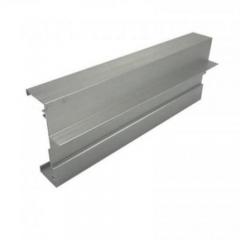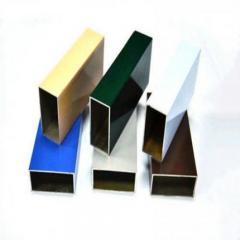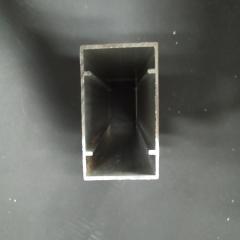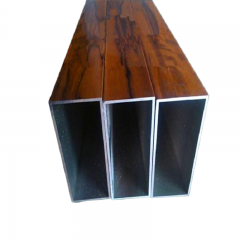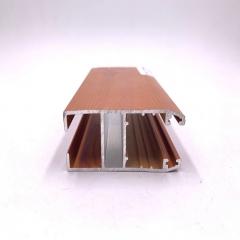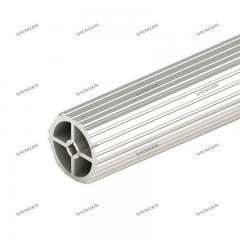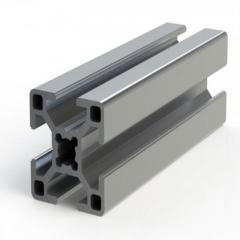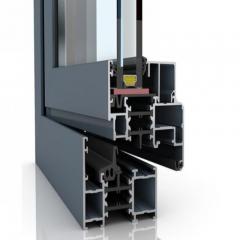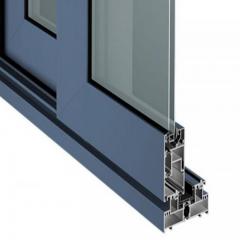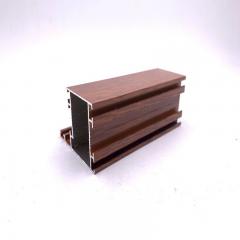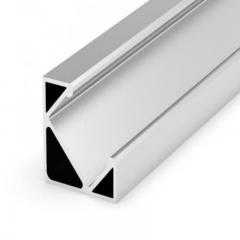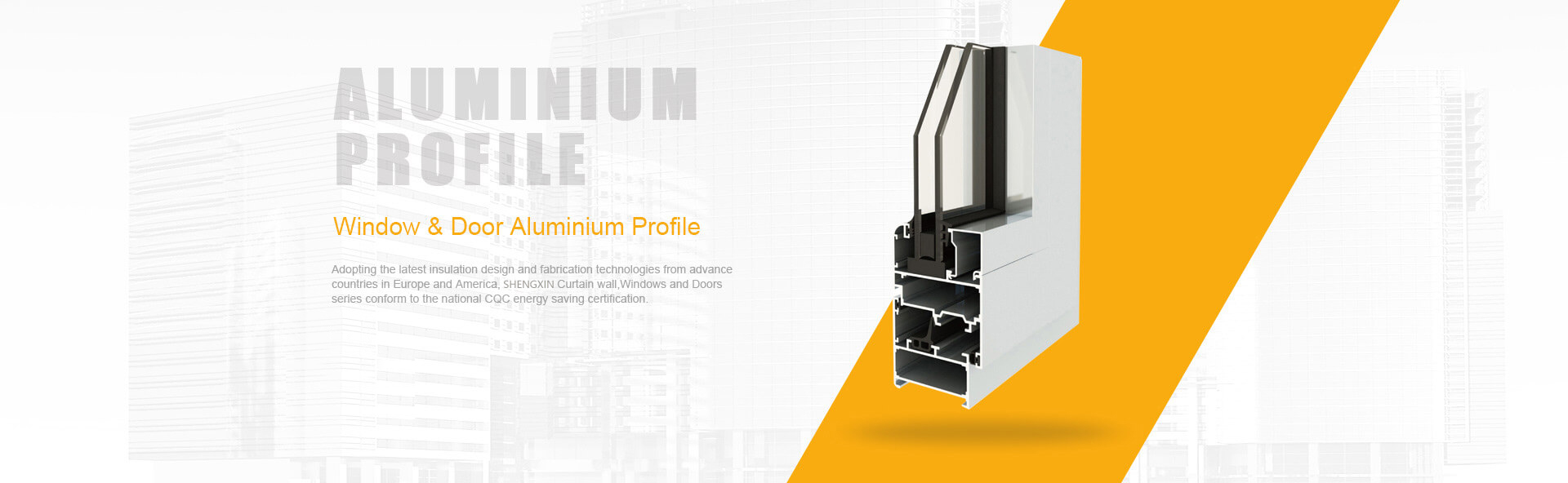
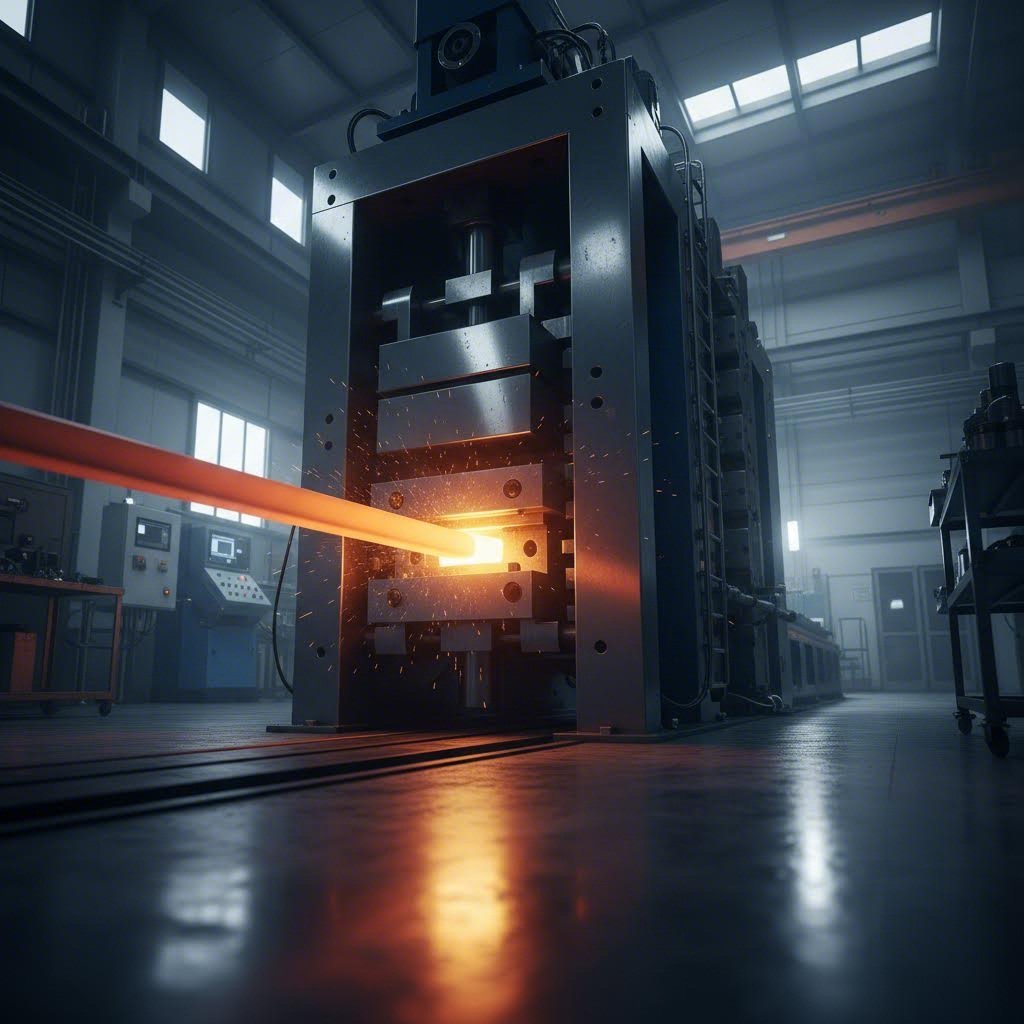
When you're sourcing components for demanding applications, you've likely encountered the term "precision aluminum extrusion" without a clear explanation of what it actually means. Even more puzzling, you may wonder why so many global buyers turn to China for these specialized profiles. Let's break down both questions with clarity.
Standard aluminum extrusion produces profiles within general industry tolerances, typically suitable for basic structural or decorative applications. Precision aluminum extrusion, however, operates on an entirely different level. It refers to the manufacturing of aluminum profiles with exceptionally tight dimensional tolerances, superior surface quality, and consistent mechanical properties throughout the entire production run.
Precision aluminum extrusion is the process of forcing heated aluminum alloy through a carefully engineered die to create profiles with tolerances as tight as ±0.1mm, surface finishes below Ra 1.6μm, and wall thickness uniformity within 5% deviation.
What separates precision work from standard extrusion isn't just tighter numbers on a specification sheet. It demands advanced die engineering, sophisticated temperature control systems, real-time monitoring during the extrusion process, and rigorous post-extrusion quality verification. Every aluminum profile manufacturer operating in the precision space invests heavily in these capabilities.
So why has China become the go-to destination for buyers seeking precision aluminum extrusion? The answer involves three interconnected factors that competitors rarely articulate clearly.
Manufacturing Scale Advantages: China hosts the world's largest concentration of aluminum extrusion suppliers and extruded aluminum manufacturers. This density creates a competitive ecosystem where equipment suppliers, die makers, raw material providers, and finishing specialists cluster together. The result? Faster turnaround times, lower logistics costs, and access to specialized expertise that simply doesn't exist in the same concentration elsewhere.
Technological Investment: Leading aluminium extrusion manufacturers in China have invested billions in modern press lines, automated handling systems, and precision measurement equipment. Many facilities now operate presses ranging from 600T to over 5000T capacity, enabling them to produce everything from delicate electronic heat sinks to large architectural profiles with equal precision.
Cost-to-Quality Ratio: Perhaps most importantly, aluminum profile manufacturing in China delivers exceptional value. Lower labor costs contribute, but the real advantage comes from operational efficiency, vertical integration, and economies of scale. Buyers receive precision-grade profiles at price points that would be impossible from manufacturers with smaller production volumes or fragmented supply chains.
Understanding these fundamentals positions you to make informed decisions when evaluating your extrusion needs. The sections ahead will guide you through the technical details that matter most.
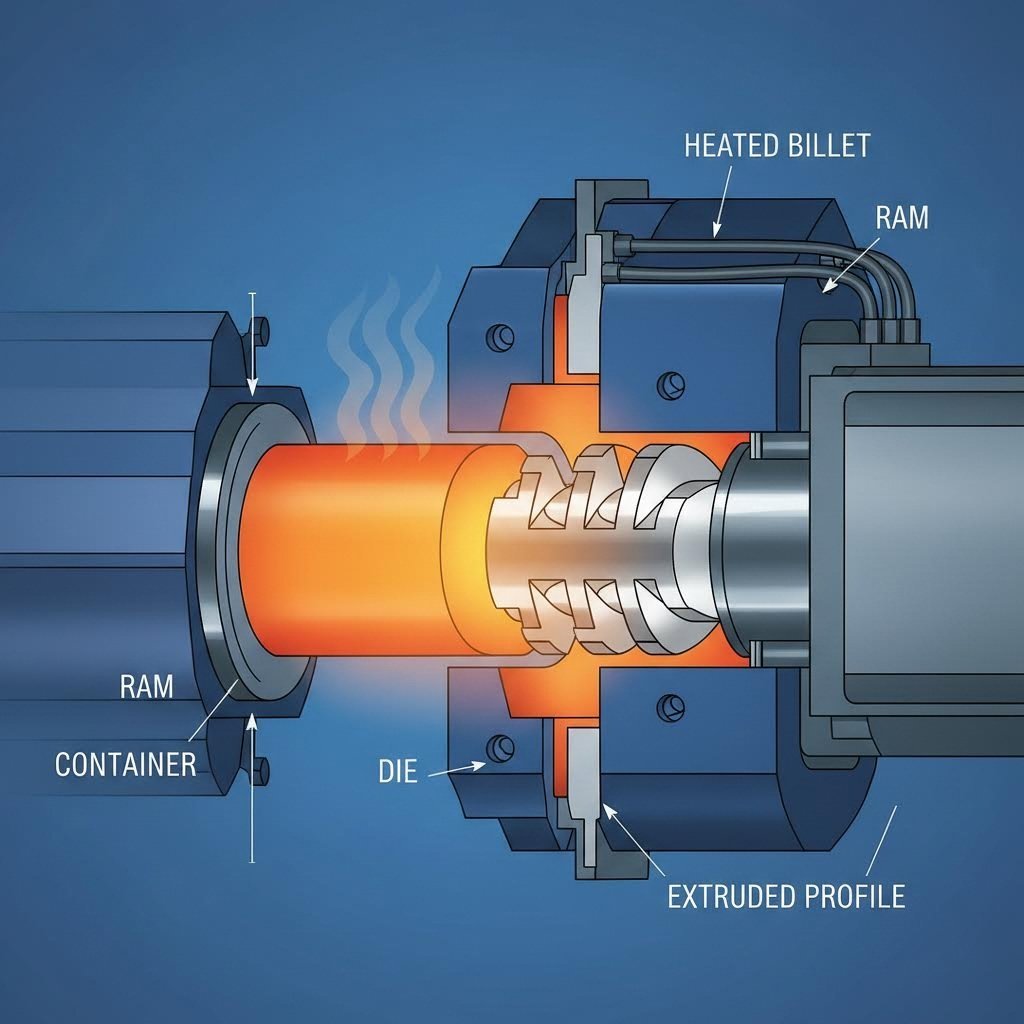
Ever wondered how a solid aluminum cylinder transforms into the intricate profiles you see in electronics, automotive components, or architectural systems? The precision aluminum extrusion process involves far more than simply pushing metal through a shaped opening. Understanding each step helps you appreciate why certain suppliers deliver consistent quality while others struggle with dimensional accuracy.
The journey from raw material to precision profile follows a carefully orchestrated sequence. Each stage directly influences the final product's dimensional accuracy, surface quality, and mechanical properties. Here's how aluminum extrusion is made in facilities focused on precision outcomes:
Sounds complex? It is. But understanding which parameters most affect precision helps you evaluate supplier capabilities effectively.
Temperature Control: Temperature remains the single most critical factor throughout the entire process. According to industry specifications, target exit temperatures for common alloys like 6063 should reach a minimum of 930°F, while harder alloys like 6005A and 6061 require at least 950°F at the die exit. Facilities use True Temperature Technology instruments mounted on press platens to monitor these values continuously.
Extrusion Ratio Considerations: The extrusion ratio, calculated as billet area divided by profile area, indicates how much mechanical working occurs during extrusion. Ratios below 10:1 may result in coarse grain structure with weaker mechanical properties. For hard alloys, acceptable ratios typically range from 10:1 to 35:1, while soft alloys can handle ratios up to 100:1.
Speed and Pressure Balance: Extrusion speed correlates directly with metal temperature and pressure inside the container. Pushing too fast at high temperatures causes metal to resist entering tight areas, dropping dimensions below tolerance. Experienced operators balance these variables to maintain consistent profile geometry.
For specialized profiles like v slot extruded aluminum or v slot aluminium extrusion used in modular framing systems, these parameters become even more demanding. The precise T-slot geometry requires exceptional die quality and carefully controlled extrusion conditions to maintain the tight tolerances that allow components to interlock properly.
When aluminum extrusion machining or additional fabrication follows the extrusion process, the quality achieved during these fundamental steps determines what's possible in secondary operations. Profiles extruded with poor dimensional control create cascading problems during subsequent extrusion machining, drilling, or assembly operations.
With the manufacturing process now clear, the next critical question becomes: what tolerance levels actually define precision-grade work, and how do these specifications translate to real-world applications?
You've seen suppliers claim "precision" capabilities, but what does precision actually mean in measurable terms? Without concrete specifications, that word becomes meaningless marketing language. Let's decode the tolerance classifications and industry standards that separate true precision aluminum extrusion from standard production work.
Dimensional tolerances in aluminum extrusion define the acceptable range of variation in size and shape. According to the Aluminum Extruders Council, tolerance tables published in Aluminum Standards & Data by The Aluminum Association establish both "industry standard" and "precision" tolerance grades. Understanding these categories helps you specify exactly what your application requires.
Six primary tolerance categories govern aluminum extrusion quality:
The ANSI H35.2-2024 standard serves as the American National Standard for dimensional tolerances, specifying requirements across bars, plates, profiles, sheets, and tubes. This technical document provides the tables manufacturers and buyers reference when establishing quality requirements.
Imagine ordering standard aluminium extrusions for a simple structural application versus sourcing profiles for aerospace instrumentation. The tolerance requirements differ dramatically. Here's how standard and precision tolerances compare across key parameters:
| Tolerance Parameter | Standard Grade | Precision Grade | Application Example |
|---|---|---|---|
| Wall Thickness | ±0.25mm to ±0.40mm | ±0.10mm to ±0.15mm | Heat sink fins, structural tubes |
| Cross-Sectional Dimensions | ±0.30mm to ±0.50mm | ±0.10mm to ±0.20mm | Square aluminium extrusion for frames |
| Straightness (per meter) | 1.0mm to 1.5mm | 0.3mm to 0.5mm | Linear rail systems, guides |
| Twist (per meter) | 2.0° to 3.0° | 0.5° to 1.0° | Aluminium h channel for assembly |
| Angular Deviation | ±1.0° to ±1.5° | ±0.25° to ±0.5° | Aluminum corner extrusion joints |
| Surface Finish (Ra) | 3.2μm to 6.3μm | 0.8μm to 1.6μm | Visible architectural profiles |
Notice the precision grade cuts standard tolerances roughly in half or better. This tightening demands superior die engineering, more rigorous process control, and enhanced inspection protocols. When evaluating aluminum extrusions shapes for critical applications, always request the specific tolerance grade your supplier commits to achieving.
For stock aluminium extrusion profiles purchased off-the-shelf, standard tolerances typically apply. Custom precision work requires explicit specification and often carries premium pricing reflecting the additional manufacturing care involved.
Wall thickness uniformity deserves special attention. Variations in wall thickness affect both structural integrity and weight consistency. For precision applications, uniformity within 5% across the entire profile length represents the target, compared to 10-15% variation acceptable in standard work.
Surface finish requirements also distinguish precision from standard extrusions. A rough surface might work fine for hidden structural members, but visible components or profiles requiring subsequent anodizing need smoother finishes to achieve acceptable final appearance.
Understanding these specifications empowers you to communicate precisely with suppliers and evaluate whether their capabilities match your requirements. The next consideration becomes equally important: how does die design influence which tolerances are actually achievable for your specific profile geometry?
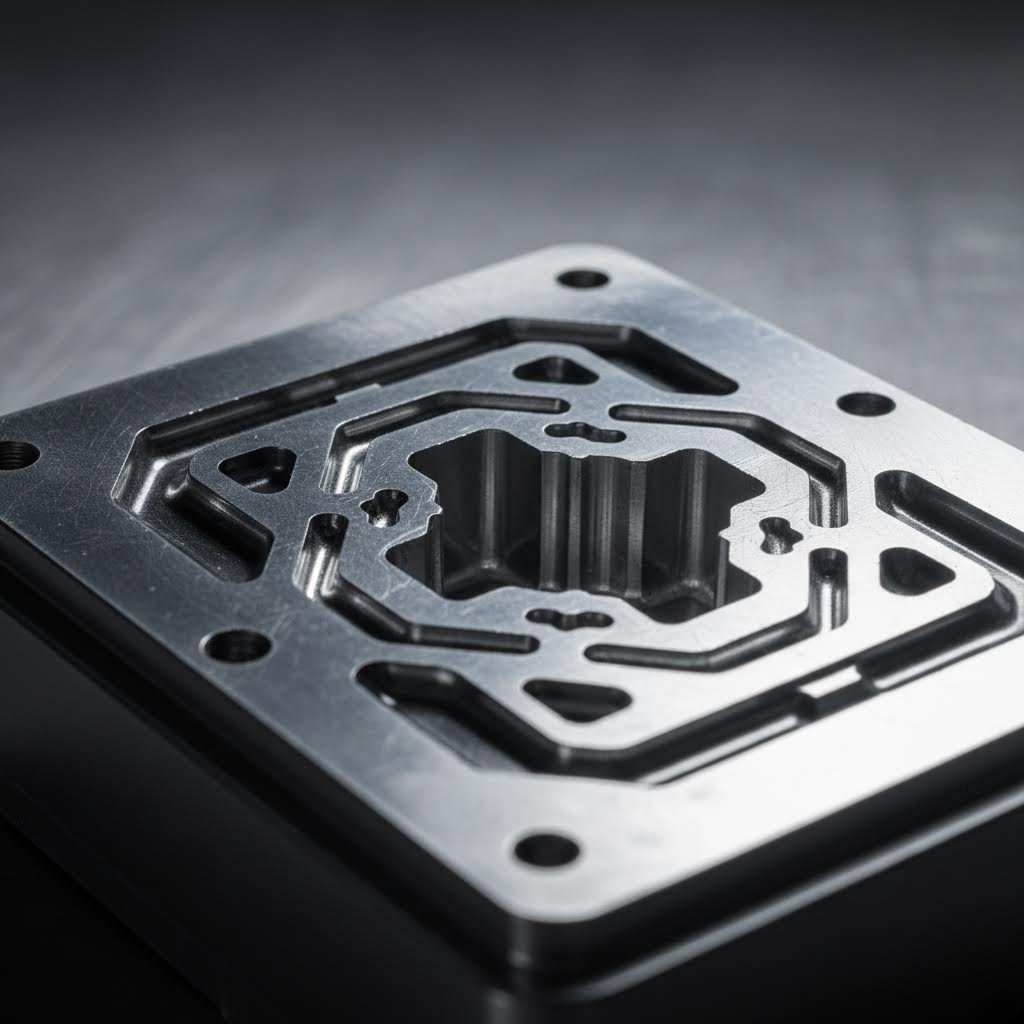
Here's a truth most suppliers won't tell you: the extrusion die determines roughly 70% of your final profile's precision capability. You can operate the most advanced press in the world, but if the die engineering falls short, tight tolerances remain out of reach. Understanding how die design influences precision outcomes helps you ask the right questions when selecting a custom aluminum extrusion manufacturer.
An aluminum extrusion die is essentially a steel disk containing a precisely machined opening that shapes the aluminum as it's forced through under immense pressure. Sounds simple, right? The reality involves sophisticated engineering that balances material flow, thermal management, and structural integrity.
Three primary die types serve different profile requirements:
For precision work, die design complexity directly correlates with achievable tolerances. Consider a triangular aluminum extrusion with sharp internal corners versus one with generous radii. The sharp-cornered version creates turbulent metal flow at those intersection points, making consistent dimensions far more difficult to achieve. Experienced die designers specify minimum corner radii based on wall thickness, typically requiring internal radii of at least 0.5mm to 1.0mm for walls under 3mm thick.
Wall thickness uniformity presents another critical challenge. When a profile features both thick and thin sections, aluminum naturally flows faster through wider openings. According to die engineering specialists, designers compensate by adjusting bearing lengths, the distance aluminum travels within the die opening. Longer bearings slow metal flow in thick sections to match speeds in thinner areas, ensuring the entire profile exits uniformly.
Curved aluminum extrusion profiles demand even more sophisticated die engineering. The gradual shape changes require careful pocket design and flow channel optimization to prevent metal from accelerating unpredictably around curves. Finite Element Analysis (FEA) software allows engineers to simulate material behavior before manufacturing the die, identifying potential flow imbalances and correcting them virtually.
Oval aluminum extrusion and oval extruded aluminum profiles illustrate these principles clearly. The elliptical geometry creates uneven stress distribution during extrusion, with material wanting to flow faster through the narrower dimension. Without proper die compensation, the oval distorts into an irregular shape that fails dimensional specifications.
Die quality directly impacts what's achievable in your finished profiles. Here's what separates precision-capable tooling from standard production dies:
Material Selection: Premium dies use H13 tool steel, chosen for its exceptional thermal conductivity, wear resistance, and toughness under the extreme pressures involved. According to industry research, dies endure forces equivalent to crushing 50 pickup trucks simultaneously. Cheaper steel alternatives wear faster, causing gradual tolerance drift throughout production runs.
Surface Engineering: Advanced surface treatments extend die life and improve profile quality. Nitriding creates a hardened surface layer that resists wear and adhesion of aluminum. Some manufacturers apply chromium plating or specialized hard coatings for particularly demanding applications. These treatments add upfront cost but deliver smoother surface finishes and longer intervals between die maintenance.
Thermal Management: The die's temperature as aluminum exits significantly influences mechanical properties and surface quality. Effective die designs incorporate features that maintain consistent thermal conditions across the entire profile cross-section. Temperature variations cause differential expansion, leading to dimensional inconsistencies and surface defects.
Manufacturing Precision: The die itself must be machined to tolerances tighter than the profiles it produces. CNC machining and wire EDM (Electrical Discharge Machining) create the intricate geometries required for complex profiles. A die with machining errors of ±0.05mm cannot produce profiles holding ±0.10mm tolerances.
| Die Quality Factor | Standard Die | Precision Die | Impact on Profile |
|---|---|---|---|
| Steel Grade | Lower-grade tool steel | H13 premium steel | Longer consistency, less drift |
| Surface Treatment | Basic nitriding | Multi-layer coating systems | Smoother finish, extended life |
| Machining Tolerance | ±0.10mm | ±0.03mm to ±0.05mm | Tighter achievable tolerances |
| FEA Simulation | Rarely used | Standard practice | Fewer trial runs, faster approval |
| Maintenance Protocol | Reactive repairs | Preventive refurbishment | Consistent quality throughout run |
The cost difference between standard and precision dies ranges from 20% to 50% higher for precision-grade tooling. However, this investment pays dividends through reduced scrap rates, fewer die corrections during production, and profiles that consistently meet specifications without rework.
For complex geometries, die development often requires multiple iterations. A reputable custom aluminum extrusion manufacturer includes die trials and optimization within their development process, refining the tooling until it produces profiles meeting all specifications. This collaborative approach between die designers, press operators, and quality teams distinguishes precision-focused suppliers from those simply running standard production.
Understanding die engineering helps you appreciate why certain profiles cost more than others and why some suppliers can achieve tolerances that others cannot match. With tooling fundamentals clear, the next consideration becomes equally important: how does alloy selection interact with these precision requirements?
You've specified tight tolerances and invested in quality tooling, but here's a question that often gets overlooked: have you selected the right aluminum alloy for your application? The alloy you choose affects everything from achievable precision to long-term dimensional stability. Let's walk through the selection process that separates successful projects from costly mistakes.
Different aluminum alloys behave dramatically differently during extrusion and in service. According to precision machining specialists, aluminum alloys combine aluminum with elements like magnesium, silicon, zinc, and copper to fine-tune strength, corrosion resistance, and machinability. Understanding these differences helps you match material properties to your specific requirements.
Three alloys dominate precision aluminum extrusion applications:
6063 Aluminum: Often called the "architectural alloy," 6063 offers excellent extrudability and surface finish. Its lower strength compared to other alloys actually works in its favor for complex profiles, allowing material to flow smoothly through intricate die openings. When you need anodized extruded aluminum with flawless appearance, 6063 delivers consistently. It's the go-to choice for window frames, decorative trim, and applications where aesthetics matter as much as function.
6061 Aluminum: This workhorse alloy provides an ideal balance of strength and workability. It machines beautifully, welds reliably, and responds exceptionally well to heat treatment. For structural components requiring both durability and ease of fabrication, 6061 remains the standard choice. It's commonly specified for frames, enclosures, and precision components that undergo secondary machining operations.
7075 Aluminum Extrusion: When strength trumps all other considerations, 7075 enters the conversation. This aerospace-grade alloy delivers exceptional tensile strength, making it ideal for defense, aviation, and high-stress applications. However, 7075 aluminum extrusion presents challenges. Its high zinc content makes welding problematic due to potential brittleness, and its reduced extrudability means simpler profile geometries work best.
| Alloy | Tensile Strength (MPa) | Machinability | Corrosion Resistance | Typical Applications |
|---|---|---|---|---|
| 6063-T6 | 215-245 | Good | Excellent | Architectural profiles, window frames, decorative trim |
| 6061-T6 | 290-310 | Excellent | Good | Structural frames, large diameter aluminum tube, machine components |
| 7075-T6 | 510-540 | Fair | Moderate | Aerospace structures, defense components, high-stress applications |
| 5052-H32 | 230-260 | Good | Excellent | Marine equipment, large diameter aluminum pipe, chemical tanks |
For applications requiring both strength and corrosion resistance, 6061 aluminum can be further protected through anodizing or other surface finishes. When sourcing from anodized aluminum tubing suppliers, specifying 6061 ensures you receive profiles that accept anodizing uniformly while maintaining structural integrity.
Here's where alloy selection intersects directly with precision: heat treatment processes fundamentally alter mechanical properties and dimensional stability. The temper designation following the alloy number tells you exactly what treatment the material received.
According to engineering specifications, the heat treatment process involves raising alloy temperature to approximately 980°F to dissolve alloying elements into a solid solution. The subsequent quenching in water prevents these elements from precipitating during cooling. This produces T4 temper material.
T5 Temper: When extrusions are quenched directly from the press while still hot and then artificially aged, the result is T5 material. This approach proves efficient and cost-effective for many applications. T5 profiles develop good strength while maintaining excellent dimensional stability.
T6 Temper: For maximum strength, T6 treatment involves separate solution heat treatment by artificial aging at temperatures between 325°F and 400°F. Three equally effective aging cycles exist: one hour at 400°F, five hours at 350°F, or eight hours at 325°F. The aging process allows alloying elements to form ordered atomic arrays called GP zones, significantly strengthening the aluminum matrix.
Why does this matter for precision work? Heat treatment causes dimensional changes. Profiles may grow or shrink slightly during the aging process. For tight-tolerance applications, experienced manufacturers account for these changes during die design, creating tooling that produces slightly oversized or undersized features that reach final dimensions after heat treatment completes.
The 6063-T5 versus 6063-T6 comparison illustrates practical implications. T5 material offers adequate strength for most architectural applications with simpler processing. T6 delivers approximately 15-20% higher strength but requires more careful handling during production to maintain dimensional accuracy. For structural profiles in demanding environments, that strength increase justifies the additional processing complexity.
When specifying alloys for precision extrusion projects, consider these key factors from material selection experts: mechanical properties needed in service, fabrication methods planned after extrusion, environmental exposure during use, and cost constraints. Choosing the right alloy upfront prevents costly redesigns and ensures your precision profiles perform exactly as intended throughout their service life.
With alloy selection principles established, the next consideration becomes what happens after extrusion: secondary processing and surface finishing operations that enhance both precision and appearance.
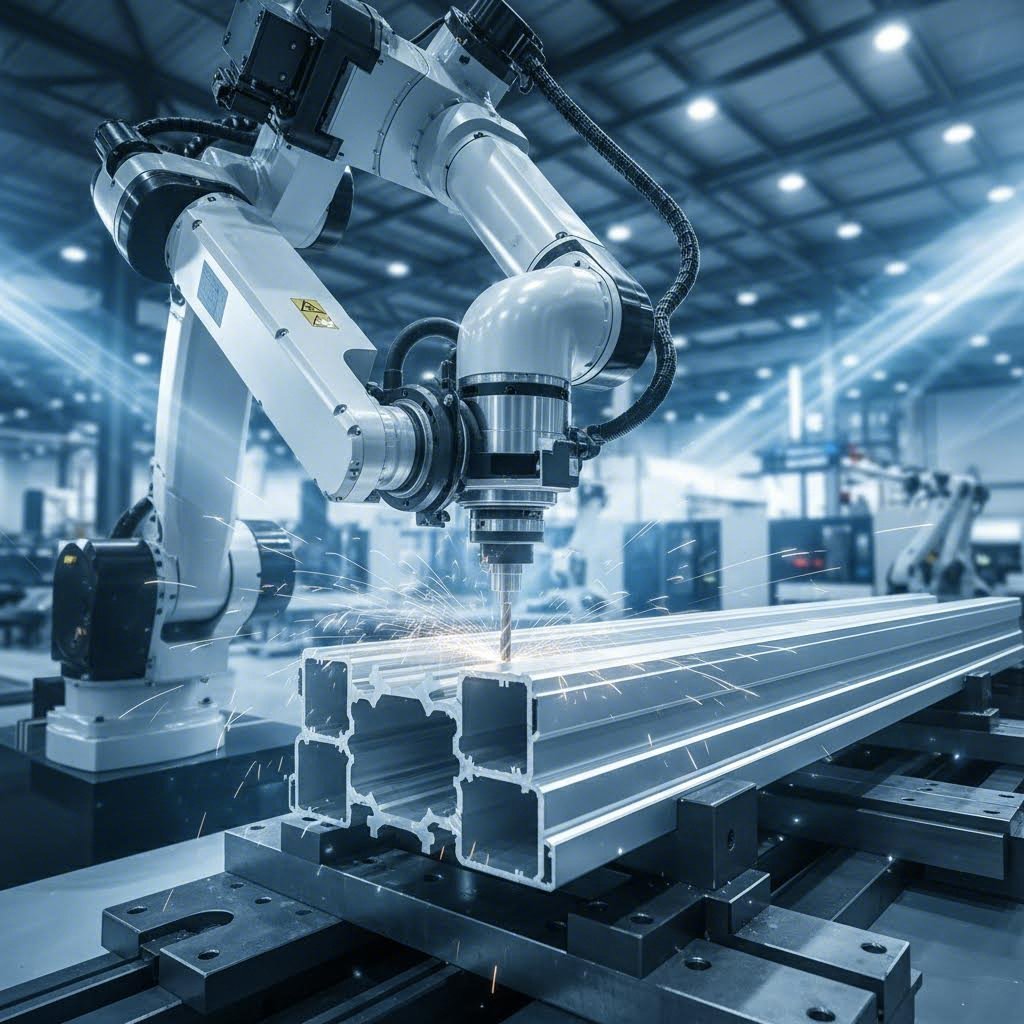
You've received your precision aluminum extrusions, but the journey to a finished component often doesn't end at the press. Secondary operations and surface treatments transform raw profiles into ready-to-install parts. What many buyers don't realize? These post-extrusion processes directly impact your final dimensional accuracy. Understanding these implications helps you plan projects that maintain precision from start to finish.
When extrusion tolerances alone won't satisfy your requirements, CNC machining steps in to achieve what the press cannot. According to precision machining specialists, post-machining aluminum extrusions typically achieve linear tolerances between ±0.05mm and ±0.10mm, with even tighter specifications possible on critical features under controlled conditions.
But here's what catches many buyers off guard: extrusion quality directly affects machining outcomes. If your c channel aluminum extrusion arrives with twist, bow, or wall thickness variation, the CNC machine must correct these issues before achieving final dimensions. This correction requires additional material removal, increasing both cycle time and cost.
Common CNC operations for aluminium extruded tubes and profiles include:
CNC milling consistently outperforms drilling for tolerance-critical features. Why? Milling uses controlled tool paths and constant feed rates, while drilling depends more on tool wear and chip evacuation. For aluminium extrusion box profiles requiring multiple precision holes, milling-based approaches deliver superior repeatability.
Fixturing deserves special attention. Aluminum extrusions are long and inherently flexible. Poor clamping causes bending during cutting, and when released, the part springs back to a different dimension than intended. Quality machine shops support the full profile length and distribute clamping pressure evenly to prevent these distortions.
Surface finishing enhances appearance, durability, and corrosion resistance. However, every coating adds thickness that affects your final dimensions. Planning for these additions during the design phase prevents tolerance problems after finishing.
According to finishing specialists, understanding each treatment's dimensional impact helps you specify appropriately:
One critical planning note: complete all machining operations before surface treatment. Drilling holes or machining features after anodizing removes the protective layer locally, creating potential corrosion sites. Additionally, anodizing renders aluminum electrically non-conductive, which matters for grounding or electrical contact applications.
For buyers requiring comprehensive capabilities, suppliers offering integrated extrusion and finishing simplify coordination and quality control. Shengxin Aluminium's deep processing services exemplify this approach, combining 35 extrusion presses with CNC machining centers and extensive surface treatment options including anodizing in custom colors, powder coating, PVDF, and micro-arc oxidation. This end-to-end capability under one roof eliminates the dimensional drift that often occurs when profiles travel between multiple facilities for different operations.
With secondary processing fundamentals covered, the next consideration becomes how these precision requirements vary across different industries and their unique application demands.
Different industries demand vastly different precision specifications from their aluminum extrusions. What works perfectly for an architectural curtain wall might fail catastrophically in an electronics thermal management application. Understanding these sector-specific requirements helps you specify tolerances that match your actual needs, avoiding both under-specification that causes assembly problems and over-specification that inflates costs unnecessarily.
Each industry brings unique challenges that drive precision requirements in specific directions. Here's what matters most across four key sectors:
Beyond industry categories, specific application requirements drive precision decisions. Consider these practical scenarios:
The key insight? Precision requirements should be driven by function, not assumptions. Specifying blanket tight tolerances across entire profiles wastes money. Instead, identify which features are truly critical to function and concentrate precision requirements there while allowing standard tolerances on non-critical areas.
With application requirements now clear, the next essential consideration becomes verifying that suppliers actually achieve the precision they promise through robust quality control methods.
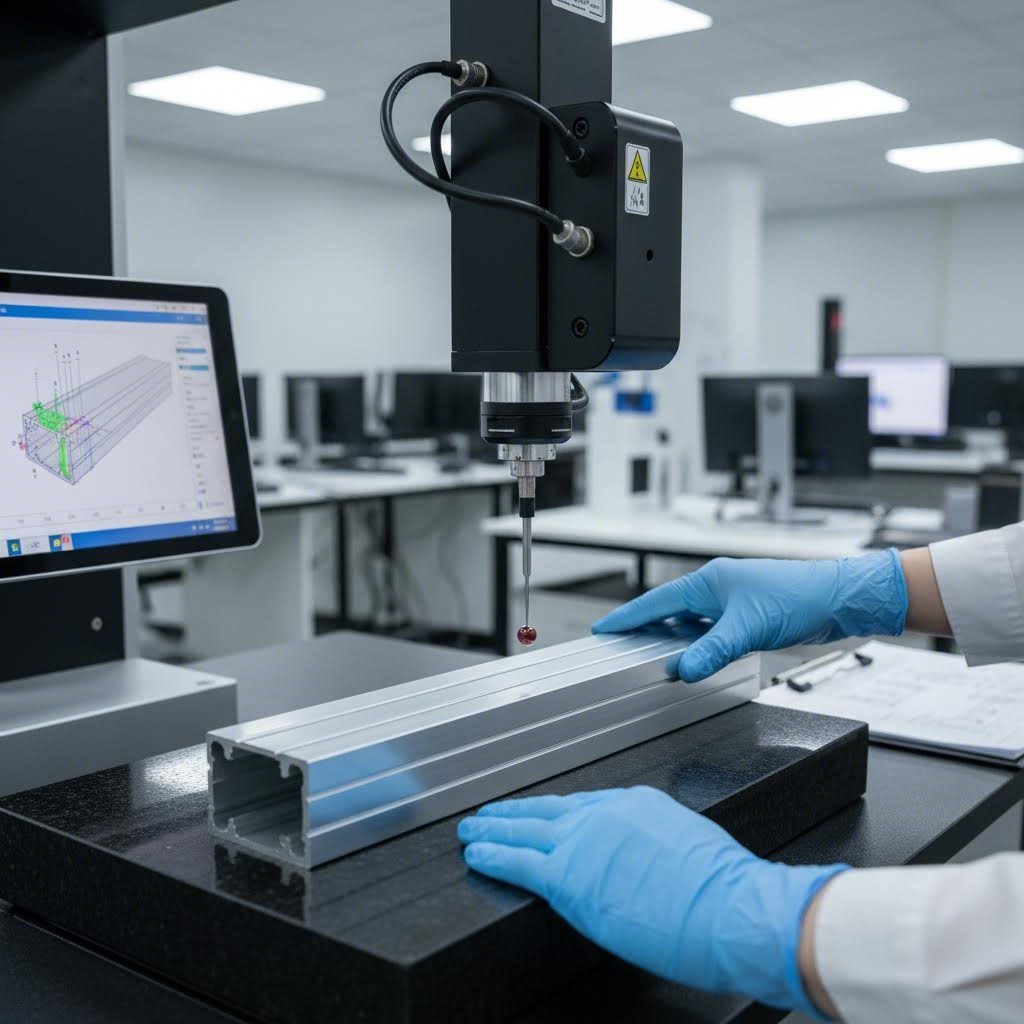
Suppliers love claiming "rigorous quality control," but what does that actually mean in practice? When you're sourcing precision aluminum extrusions, vague assurances aren't enough. You need to understand the specific inspection methods, testing protocols, and documentation practices that separate reliable suppliers from those making empty promises. Let's examine the quality control methodology that ensures your profiles meet specifications every single time.
According to precision extrusion specialists, quality starts well before extrusion with careful raw material selection and carries through every subsequent process. But how exactly do manufacturers verify precision? The answer involves multiple inspection stages using specialized equipment.
Dimensional Inspection: High-precision measuring equipment confirms that critical dimensions fall within tolerance. Calipers and micrometers handle basic measurements, but precision work demands more sophisticated tools. Optical measurement machines capture profile geometry without physical contact, while Coordinate Measuring Machines (CMMs) achieve micron-level accuracy on complex features. For aluminium track extrusions and similar profiles requiring exceptional straightness, specialized fixtures measure deviation along the entire length.
Material Analysis: According to quality inspection experts, verifying the correct alloy is crucial for both strength and corrosion resistance. Optical Emission Spectrometers (OES) provide fast, accurate alloy verification directly on the shop floor. This prevents costly mistakes like discovering that aluminium tube stock marked as 6061-T6 was actually substituted with lower-strength 6063-T5.
Mechanical Testing: Universal Testing Machines measure yield strength, tensile strength, and elongation, comparing results against alloy specifications. For quick on-site checks, Webster hardness testers detect incorrect heat treatment without removing material samples. Large aluminium extrusions destined for structural applications may undergo Charpy or Izod impact tests when safety-critical performance matters.
Surface Quality Assessment: Visual inspection identifies scratches, die lines, blisters, and other surface defects. Automated systems equipped with cameras examine profiles in-line during production, flagging non-conforming sections immediately. For anodized or coated profiles, eddy current methods measure oxide layer thickness in microns, while salt spray testing per ASTM B117 simulates accelerated corrosion exposure. Cross-hatch adhesion tests verify that coatings won't peel during service.
Inspection results mean nothing without proper documentation. As manufacturing quality specialists emphasize, maintaining accurate records provides traceability and accountability throughout the production process.
When evaluating precision extrusion suppliers, verify their quality control includes these essential elements:
For applications requiring v slotted aluminum insert profiles or other precision components used in modular assembly systems, this documentation becomes especially valuable. You can trace any quality issue back to its source and verify that replacement parts will match original specifications exactly.
Quality management system certifications provide additional confidence. ISO 9001 certification indicates standardized quality processes, while AS9100 registration demonstrates aerospace-grade quality controls. These certifications require documented procedures, regular audits, and continuous improvement initiatives that benefit all customers, not just those in certified industries.
Understanding these quality control fundamentals equips you to evaluate suppliers meaningfully. The next step becomes applying these criteria systematically when choosing your precision extrusion partner.
You've learned what precision aluminum extrusion involves, how tolerances are measured, and why quality control matters. But here's the practical challenge: how do you translate this knowledge into selecting an aluminum extruder supplier that actually delivers? The difference between a successful project and a costly failure often comes down to asking the right questions before placing your order.
According to supplier selection specialists, choosing the right partner affects your product design, manufacturing process, quality, and cost. An experienced supplier brings more than technical expertise; they bring lessons learned from years of solving complex extrusion challenges. When evaluating extruded aluminium suppliers, focus on these critical criteria:
| Evaluation Criteria | What to Look For | Why It Matters |
|---|---|---|
| Industry Experience | Years in operation, diverse sector portfolio | Demonstrates proven problem-solving across applications |
| Press Capacity Range | Multiple press sizes (600T to 5500T+) | Enables both delicate profiles and large structural sections |
| Tolerance Capabilities | Documented precision grades, minimum wall thickness | Confirms ability to meet your dimensional requirements |
| Alloy Flexibility | Range of alloys and tempers available | Ensures material properties match application demands |
| Secondary Processing | In-house CNC machining, cutting, drilling, bending | Reduces supply chain complexity and turnaround time |
| Surface Treatment Options | Anodizing, powder coating, PVDF, specialty finishes | Delivers finished components ready for installation |
| Quality Certifications | ISO 9001, AS9100, industry-specific standards | Validates systematic quality management practices |
| Technical Support | Design-for-manufacturability assistance, engineering input | Optimizes designs before production begins |
Production capacity deserves special attention. As industry experts note, understanding minimum order quantities is critical, especially for prototyping or limited production runs. Some aluminum window extrusions suppliers cater exclusively to high-volume clients, while others accommodate smaller batches. Confirm compatibility with your scale before investing time in detailed specifications.
Aluminium extruded profiles suppliers with integrated capabilities offer significant advantages. When die development, extrusion, machining, and finishing happen under one roof, you eliminate the dimensional drift that occurs when profiles travel between multiple facilities. Each handoff introduces potential for damage, miscommunication, and tolerance accumulation.
Don't accept vague assurances. According to procurement specialists, specific questions reveal a supplier's true capabilities:
Consider suppliers who function as technical partners rather than simple order-takers. The best aluminum extruder supplier relationships involve collaboration from initial concept through production optimization. This partnership approach identifies potential issues before they become expensive problems.
For buyers seeking comprehensive capabilities, Shengxin Aluminium's deep processing services exemplify the integrated approach that simplifies precision extrusion projects. With over 30 years of industry experience, their facility houses 35 extrusion presses ranging from 600T to 5500T capacity, enabling production of everything from intricate electronic components to large structural profiles. State-of-the-art CNC machining centers handle precise cutting, drilling, and bending to exact specifications, while extensive surface treatment options including anodizing in custom colors, powder coating, PVDF, and micro-arc oxidation deliver finished components ready for installation. Their technical team provides end-to-end support from die development through mass production, eliminating coordination headaches that plague multi-vendor supply chains.
When evaluating any precision extrusion partner, remember that the lowest quoted price rarely represents the best value. Factor in quality consistency, technical support, delivery reliability, and long-term partnership potential. A supplier who helps you optimize designs, maintains dimensional accuracy across production runs, and responds quickly to issues delivers value that far exceeds marginal cost differences.
Pricing for China precision aluminum extrusion typically ranges from $2.7 to $5+ per kilogram, depending on alloy selection, tolerance requirements, profile complexity, and surface finishing. Standard tolerances cost less than precision-grade work, which requires superior die engineering and rigorous quality control. Custom profiles with tight tolerances (±0.1mm) and specialized finishes like anodizing or PVDF coating command premium pricing. Leading suppliers like Shengxin Aluminium offer factory-direct pricing with comprehensive services from die development through mass production.
Evaluate manufacturers based on industry experience (30+ years preferred), press capacity range (600T to 5500T for versatility), documented tolerance capabilities, quality certifications (ISO 9001, AS9100), and in-house secondary processing. Request specific tolerance specifications, sample profiles from similar projects, and material certifications. Integrated suppliers offering die development, CNC machining, and surface treatments under one roof reduce supply chain complexity and maintain dimensional accuracy throughout production.
Three alloys dominate precision applications: 6063 (architectural alloy) offers excellent extrudability and surface finish for window frames and decorative trim. 6061 provides balanced strength and machinability for structural components requiring secondary machining. 7075 delivers aerospace-grade strength for defense and aviation applications but has reduced extrudability. Heat treatment tempers (T5, T6) further influence mechanical properties and dimensional stability, with T6 providing approximately 15-20% higher strength than T5.
Precision-grade aluminum extrusion achieves wall thickness tolerances of ±0.10mm to ±0.15mm, cross-sectional dimensions within ±0.10mm to ±0.20mm, straightness of 0.3mm to 0.5mm per meter, and surface finishes below Ra 1.6μm. Post-extrusion CNC machining can tighten linear tolerances to ±0.05mm on critical features. These specifications follow ANSI H35.2-2024 and ISO standards, representing roughly half the variation allowed in standard extrusion work.
Comprehensive secondary processing includes CNC machining (cutting, drilling, milling, tapping), precision bending, and extensive surface treatments. Anodizing adds 5-23 microns of corrosion-resistant oxide layer with custom color options. Powder coating provides up to 125 microns thickness with unlimited colors. PVDF coating offers exceptional UV resistance for architectural applications. Quality suppliers like Shengxin Aluminium integrate 35 extrusion presses with CNC machining centers and surface treatment facilities, delivering finished components ready for installation.



 dịch vụ trực tuyến
 0086 136 3563 2360
 sales@sxalu.com
 +86 136 3563 2360
 Việt
Việt English
 français
 Deutsch
 русский
 español
 português
 العربية
 ไทย
ไทย Українська