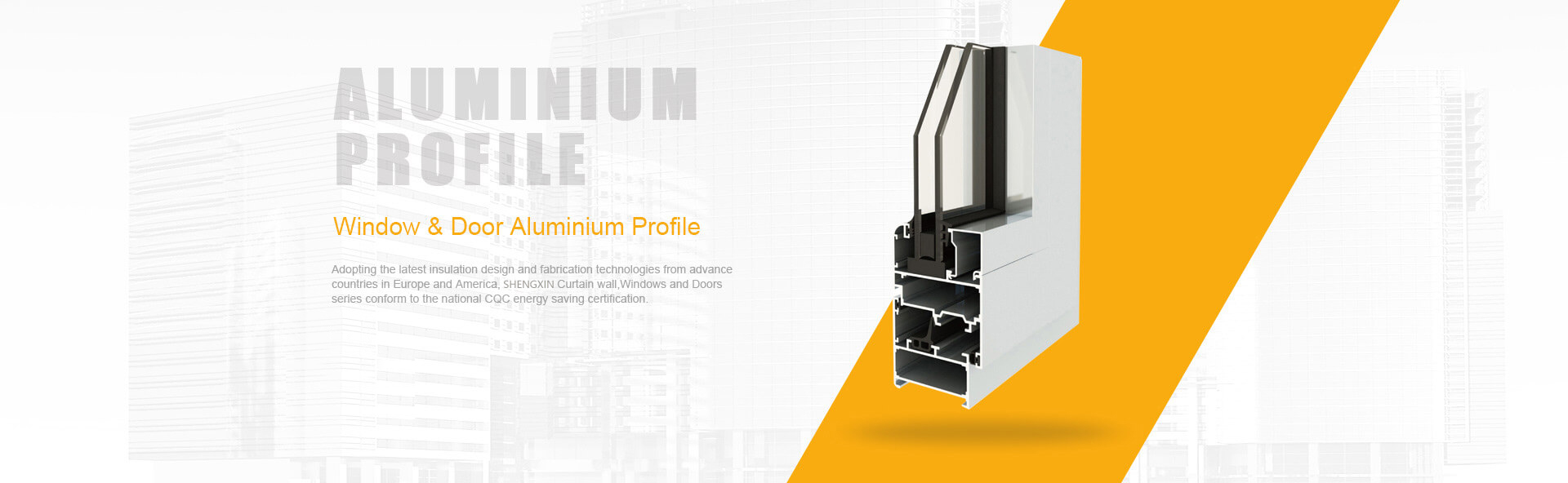
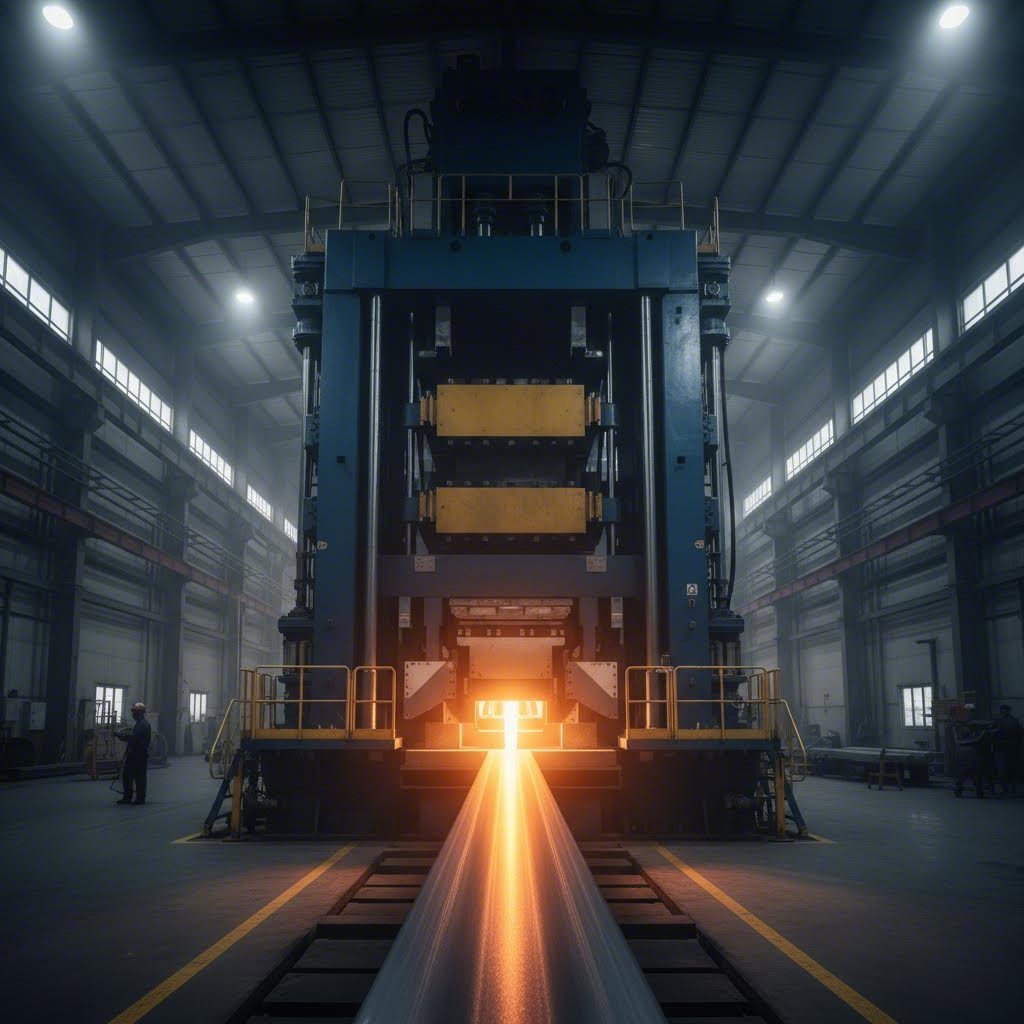
When you're exploring custom aluminum extrusions for structural applications, the alloy you choose matters just as much as the profile design itself. Among the many options available, 6005 aluminum stands out as a versatile performer that bridges the gap between common architectural alloys and high-strength industrial grades. But what exactly makes this alloy special, and why should it be on your radar for your next custom project?
So, what is extrusion aluminum in the context of 6005? Simply put, 6005 is a heat-treatable aluminum alloy specifically engineered for the extrusion process. According to Premium Alu, this alloy consists of 97.5% to 99.0% aluminum, combined with carefully balanced alloying elements that give it distinct performance advantages.
The magic behind 6005's capabilities lies in its chemical composition. Here are the primary alloying elements and their functional roles:
This precise blend of elements creates an alluminum extrusion material that offers medium-to-high strength without sacrificing workability - a balance that many engineers find ideal for demanding applications.
The 6xxx series aluminum alloys represent the workhorses of the extrusion industry. All members of this family share silicon and magnesium as their primary alloying elements, but each variant offers a different balance of properties.
Think of it this way: if you placed 6005 on a spectrum between 6063 and 6061, you'd find it occupying a strategic middle ground. It delivers higher strength than the widely-used 6063 alloy (which prioritizes surface finish and extrudability), yet it's easier to extrude into complex shapes than the stronger 6061 alloy. This positioning makes custom 6005 aluminum extrusions particularly attractive when your project needs both structural integrity and design flexibility.
What truly distinguishes 6005 from its siblings? Three key characteristics stand out:
For engineers and designers exploring alluminum extrusion options, understanding these foundational characteristics helps clarify when 6005 represents the optimal choice. Whether you're developing aluminum extrusions for transportation, construction, or industrial equipment, this alloy's balanced profile of strength, workability, and durability provides a solid starting point for custom projects.
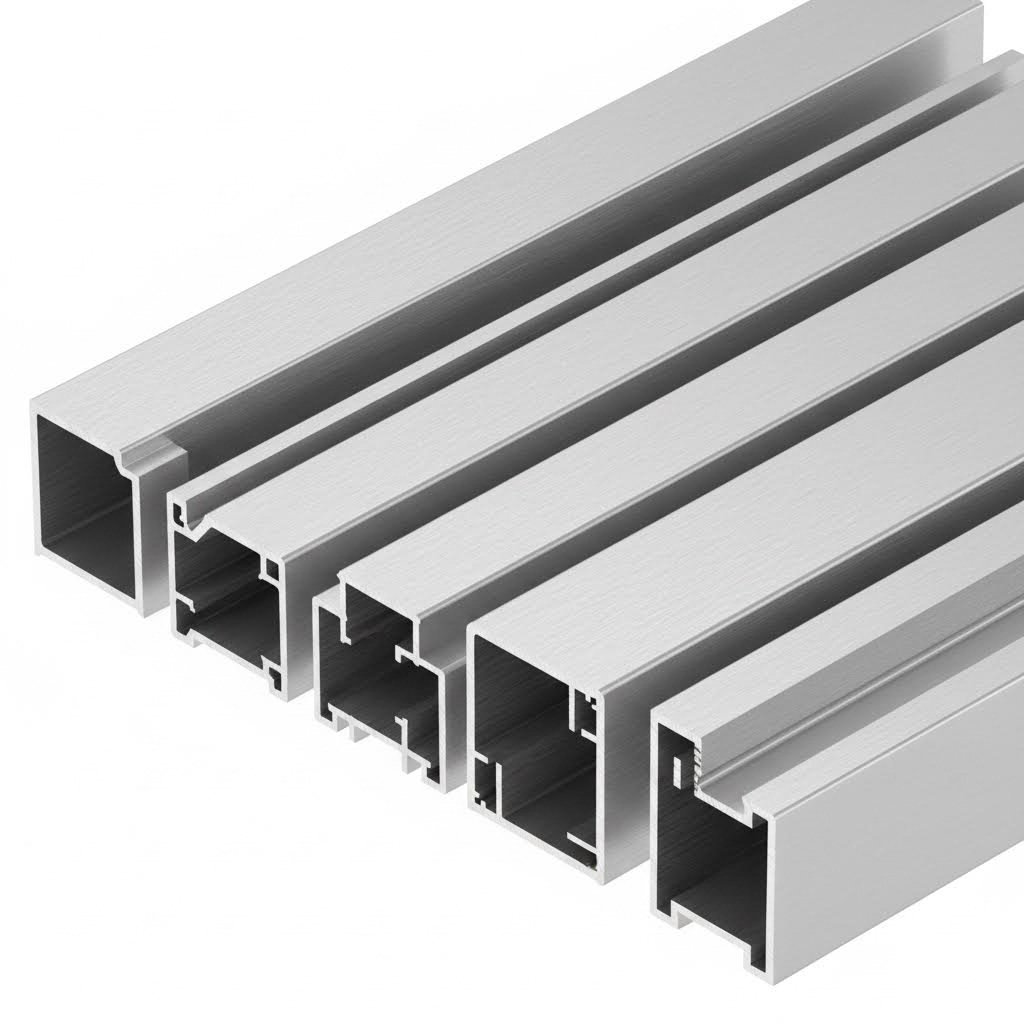
Now that you understand the fundamentals of 6005 aluminum, the next logical question is: how does it stack up against the alternatives? Whether you're specifying aluminum extruded components for a new product or evaluating material options for a structural project, understanding the trade-offs between common 6xxx series alloys helps you make confident decisions. Let's break down exactly where 6005 excels and when you might consider other options.
Here's a key insight that experienced engineers understand: as mechanical properties increase within the 6000 series, the ability to extrude complex shapes typically decreases. This relationship creates a balancing act between strength and design flexibility.
According to data from Yajialuminum, the strength ranking follows a clear pattern: 6082 > 6061 ≈ 6005 > 6063 > 6463. But strength alone doesn't tell the whole story. Consider these mechanical property comparisons in T6 temper:
| Property | 6005-T6 | 6061-T6 | 6063-T6 | 6082-T6 |
|---|---|---|---|---|
| Yield Strength | ~260 MPa (38 ksi) | ~276 MPa (40 ksi) | ~240 MPa (35 ksi) | ~340 MPa (49 ksi) |
| Tensile Strength | ~310 MPa (45 ksi) | ~310 MPa (45 ksi) | ~270 MPa (39 ksi) | ~350 MPa (51 ksi) |
| Elongation | 10-12% | 12-17% | 8-12% | 8-10% |
| Extrudability | Good | Moderate | Excellent | Difficult |
| Surface Finish Quality | Good | Moderate | Excellent | Fair |
| Weldability | Excellent | Good | Good | Good (reduced strength in HAZ) |
| Machinability | Fair | Excellent | Moderate | Moderate |
| Corrosion Resistance | Very Good | Good | Excellent | Excellent |
What does this mean practically? The 6063 alloy allows 25-35% thinner walls than 6061, according to Alexandria Industries. This translates directly to weight savings and material cost reductions when strength requirements permit. Meanwhile, 6005 aluminum sits in the sweet spot - offering strength comparable to 6061 while maintaining extrusion aluminum profiles with better detail definition and surface quality.
So when should you specify 6005 over its alternatives? The decision typically comes down to matching the alloy's strengths to your specific application requirements.
Choose 6005 when you need:
Consider 6061 instead when:
Consider 6063 instead when:
Consider 6082 instead when:
Here's a scenario that illustrates the 6005 advantage: imagine you're designing extrusion aluminum profiles for a transit vehicle frame. You need profiles strong enough to handle structural loads, complex enough to integrate mounting features and cable channels, and weldable enough for efficient assembly. While 6065 aluminum doesn't exist as a standard alloy designation, 6005 fills exactly this role - delivering the structural performance you need without forcing compromises on design complexity or fabrication efficiency.
The bottom line? For applications requiring better strength than 6063 but easier extrudability than 6061, 6005 aluminum consistently emerges as the optimal choice. Its balanced properties make it the go-to alloy for transportation frames, industrial structures, and construction systems where performance and manufacturability must work hand in hand.
You've chosen 6005 aluminum for your custom extrusions - but the material decision doesn't stop there. The temper designation that follows the alloy number dramatically influences your extrusion's mechanical properties, production costs, and delivery timeline. For custom extrusions, this choice often determines whether your project meets performance targets within budget. Yet many buyers overlook temper selection or simply default to T6 without understanding the trade-offs involved.
Let's demystify the two most common tempers for 6005 aluminum - T5 and T6 - so you can make an informed specification that balances strength requirements, cost considerations, and project timelines.
The T5 temper represents the more economical path for custom extruded aluminum projects. But what exactly happens during T5 processing, and when does it make sense for your application?
According to the Aluminum Association's temper designation guidelines, T5 indicates that the alloy has been cooled from the elevated temperature of the extrusion process and then artificially aged - without any intermediate solution heat treatment. In practical terms, the extrusion exits the press at around 500°C (932°F), cools in ambient air or with forced air cooling, and then proceeds directly to an aging furnace where it's held at approximately 175°C (350°F) for several hours.
This streamlined process delivers several advantages:
When should you specify T5 temper for your extrusion products? Consider this option for:
For applications demanding maximum strength from your 6005 aluminum, T6 temper delivers measurably superior mechanical properties - at a cost. Understanding what you're paying for helps determine whether that investment makes sense.
The T6 process adds a critical step: solution heat treatment. Your custom extrusions are heated to approximately 530°C (985°F) and held until the alloying elements fully dissolve into solid solution. The material then undergoes rapid quenching - typically in water - to lock those elements in place before artificial aging completes the process.
This additional thermal cycling produces tangible benefits:
When does T6 justify the additional processing cost and lead time? Specify T6 temper when:
Decision tip: Calculate your actual stress requirements before defaulting to T6. Many projects specify T6 out of caution when T5 properties would satisfy the design with significant cost savings.
Choosing between T5 and T6 temper for your custom extrusions ultimately comes down to answering three questions:
1. What are your actual strength requirements? Review your structural calculations. If peak stresses stay well below 6005-T5 limits with appropriate safety factors, the additional strength of T6 may represent overengineering.
2. How will the extrusion be loaded? Static loads favor T5, while cyclic or fatigue-critical applications generally warrant T6's superior performance under repeated stress.
3. What's your budget and timeline situation? T5 processing typically costs 10-15% less than T6 and shaves time from production schedules. For large orders, these differences compound significantly.
Keep in mind that temper selection also affects downstream processes. T6 material machines differently than T5, and weld properties vary between tempers. Discussing your complete fabrication workflow with your extrusion partner helps ensure the temper you specify aligns with every stage of production.
With temper selection clarified, the next consideration involves translating your design concept into a manufacturable profile - understanding the geometric constraints and design guidelines that govern what's possible in custom 6005 extrusions.
You've selected 6005 aluminum and determined the right temper - but can your design actually be extruded? This question trips up many engineers who approach custom aluminum extrusion with designs optimized for machining or casting rather than the unique physics of the extrusion process. Understanding the geometric constraints before finalizing your CAD model saves weeks of back-and-forth revisions and prevents costly die modifications.
Here's what you need to know to design custom extruded aluminum profiles that are both manufacturable and cost-effective.
Wall thickness represents one of the most critical parameters in aluminum profile extrusion. Too thin, and the metal won't flow properly through the die. Too thick, and you're wasting material and adding unnecessary weight. The sweet spot depends on your profile's overall size and complexity.
According to Engineers Edge, minimum wall thickness for aluminum extrusions correlates directly with the circumscribing circle diameter (CCD) - the smallest circle that completely encloses your profile's cross-section. For 6005 and similar 6xxx alloys, expect these general minimums:
What about wall thickness tolerances? Industry standards allow approximately ±10% variation on wall thickness, as noted by Engineers Edge. If your application demands tighter control, discuss this with your extrusion partner early - achieving ±5% or tighter may require premium tooling or secondary operations.
Corner radii deserve equal attention in your design. Sharp corners create stress concentrations in the die and impede metal flow during extrusion. The result? Reduced die life, inconsistent profiles, and potential cracking at sharp internal corners.
Here's the guidance that experienced die designers follow:
Design tip: When you specify larger corner radii, you're not just helping the extrusion process - you're also reducing stress concentrations in your finished part and improving fatigue performance.
Every feature you add to a custom aluminum extrusion affects die cost, extrusion speed, and dimensional consistency. Understanding these trade-offs helps you make informed decisions about which features truly add value versus which ones complicate manufacturing without clear benefits.
Circumscribing Circle Diameter and Press Capacity
The CCD of your profile determines which extrusion presses can produce it. According to the Aluminum Extruders Council, most common profiles stay within a 12-inch CCD, though some specialized facilities handle profiles up to 32 inches. However, economics favor smaller profiles - the design is greatly enhanced if you keep the profile CCD under 8 inches with weight-per-foot at 3 pounds or less.
Why does this matter? Larger CCDs require larger presses with higher tonnage ratings. These presses are less common, reducing your supplier options and potentially increasing lead times and costs. The relationship works like this:
| CCD Range | Typical Press Tonnage | Availability | Cost Impact |
|---|---|---|---|
| Under 6 inches | 1,000-2,500 tons | Widely available | Most economical |
| 6-10 inches | 2,500-4,500 tons | Common | Moderate |
| 10-16 inches | 4,500-7,000 tons | Limited | Premium pricing |
| Over 16 inches | 7,000+ tons | Specialized facilities only | Significant premium |
Hollow Versus Solid Profiles
Hollow profiles - those with enclosed voids - require more complex dies and careful design attention. The die must incorporate a mandrel supported by bridges, and aluminum must flow around these bridges and reweld on the exit side. This creates specific constraints:
When designing bespoke aluminium profiles with hollow sections, consider whether semi-hollow designs might achieve your goals. Semi-hollow profiles have openings that don't fully enclose, reducing die complexity while still providing structural benefits.
Tongue Ratios and Deep Channels
Tongue ratio - the relationship between the depth and width of protruding features - directly affects die strength and metal flow. The Aluminum Extruders Council specifically warns against high tongue ratios, recommending redesigns to reduce deep, narrow tongues wherever possible.
What's an acceptable tongue ratio? Most extruders prefer ratios of 3:1 or less (depth to width). A thin fin that's 1.5 inches tall but only 0.25 inches wide creates a 6:1 ratio - problematic for consistent extrusion. Redesign options include:
Draft Angles and Design Best Practices
Unlike casting or molding, extrusion doesn't strictly require draft angles for part release - the profile continuously exits the die. However, slight draft angles (0.5-2 degrees) on deep pockets or channels improve metal flow and reduce die wear.
Here are the design best practices that optimize your custom extruded profiles for manufacturability:
Following these guidelines doesn't guarantee a perfect extrusion on the first attempt, but it significantly improves your odds of a smooth production launch. The next step? Understanding what happens after you submit your design - the journey from concept through die development to finished parts.
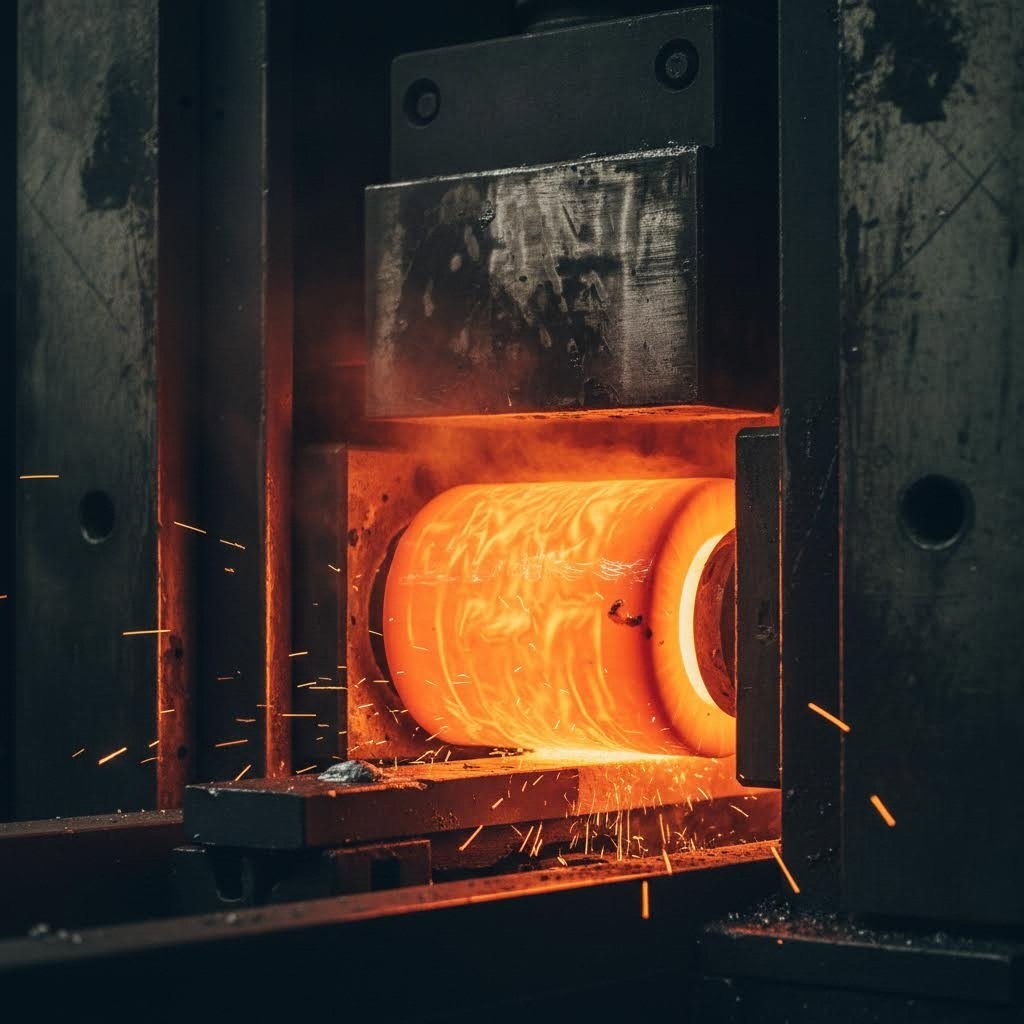
You've designed your profile, selected 6005 aluminum, and specified the right temper. Now what? For many buyers, the path from approved drawing to finished parts feels like a black box - you submit files, wait, and eventually receive extrusions. Understanding what actually happens during this journey helps you plan realistic timelines, anticipate decision points, and collaborate more effectively with your extrusion partner.
Let's walk through the complete custom extrusion process, from your initial concept through final delivery. This isn't just academic knowledge - it's practical insight that helps you set accurate project schedules and avoid common delays.
The front end of any custom extrusion project involves critical decisions that shape everything downstream. Rushing through these stages often creates problems that surface weeks later during production. Here's what happens before any aluminum gets extruded:
Your project begins with a detailed discussion of application requirements, volume expectations, and performance specifications. According to Star Extruded Shapes, this stage typically involves specialized design software such as AutoCAD or SolidWorks to create digital models that enable faster and more precise quoting, streamlined prototyping, and reduced time to market. Expect to provide 2D drawings or 3D CAD files, quantity forecasts, surface finish requirements, and tolerance specifications. The more complete your initial information, the faster this stage proceeds.
Your extrusion partner's engineering team reviews your profile against manufacturing constraints. They evaluate wall thickness ratios, tongue depths, hollow section requirements, and overall complexity. This analysis might reveal opportunities to simplify your design for better extrudability or identify features that need modification. Common feedback includes adjusting corner radii, balancing wall thicknesses, or recommending changes to hollow sections. Don't view design feedback as criticism - it's valuable input that improves your final product while potentially reducing costs.
Once your profile design is finalized, die engineering begins. This critical step translates your profile geometry into tooling specifications. Engineers determine die type (solid, semi-hollow, or hollow), bearing lengths for even metal flow, pocket depths, and mandrel support configurations for hollow profiles. The aluminum extrusion die design directly affects surface quality, dimensional consistency, and production speed. Experienced die engineers anticipate how 6005 aluminum will flow through specific geometries and adjust designs accordingly.
Aluminum extrusion dies are precision tools machined from hardened tool steel, typically H13 grade. Manufacturing involves CNC machining, EDM (electrical discharge machining) for complex features, heat treatment to achieve proper hardness, and final polishing of bearing surfaces. Simple solid dies might be completed in 2-3 weeks, while complex hollow dies with multiple ports can require 4-6 weeks or longer. Die cost varies dramatically based on complexity - expect anywhere from a few hundred dollars for simple shapes to several thousand for intricate hollow profiles.
Timeline insight: Die development typically represents 3-6 weeks of your total project schedule. For repeat orders using existing aluminum extrusion tooling, this phase is eliminated entirely - one reason why per-piece costs drop significantly after initial tooling is complete.
With your aluminum extrusion dies manufactured and ready, the production phase begins. This is where your 6005 aluminum transforms from cylindrical billets into finished profiles matching your specifications.
Before committing to full production runs, your extrusion partner runs trial samples. According to RapidDirect, the process of extruding aluminum begins with preheating billets to approximately 400-500°C, making the material malleable enough to force through the die under hydraulic pressure reaching up to 15,000 tons. Trial runs validate that the die produces profiles meeting dimensional specifications and surface quality requirements. First article samples are measured, photographed, and often sent to you for approval before production proceeds. This gate prevents costly problems from propagating through your entire order.
With trial samples approved, full production begins. The heated billet is loaded into the press, pushed through your custom die, and emerges as a continuous profile. As JM Aluminium explains, the extrusion undergoes immediate quenching - rapid cooling using air or water - to maintain structural integrity and lock in mechanical properties. The continuous extrusion is then cut to rough lengths and transferred for straightening. Production speeds vary based on profile complexity, but experienced facilities maintain consistent output once parameters are optimized.
Freshly extruded profiles often exhibit slight twists or bows from the thermal stresses of processing. Stretching corrects these distortions while simultaneously work-hardening the material. Each profile is gripped at both ends and pulled until straight, bringing dimensions into final specification. This step is essential for achieving the dimensional accuracy your application requires.
After straightening, profiles are cut to your specified lengths using precision saws. If you've specified T6 temper, the profiles proceed to heat treatment furnaces for solution treatment and aging. T5 temper requires only aging, reducing processing time. RapidDirect notes that proper aging ensures the correct temper designation - either T5 or T6 - delivering the mechanical properties you've specified.
Rigorous quality control ensures every extrusion meets your requirements. According to Star Extruded Shapes, quality control verifies dimensional accuracy against specifications, surface finish consistency, and overall condition checking for defects or imperfections. Inspection methods may include coordinate measuring machines (CMMs), optical comparators, surface roughness testers, and visual examination. Documentation from this stage provides traceability for your records.
Your finished custom 6005 aluminum extrusions are carefully packaged to prevent damage during transit. Packaging specifications often include interleaving paper between profiles to prevent scratching, protective end caps, and appropriate crating for long lengths. Proper packaging maintains the surface quality you've paid for throughout the shipping journey to your facility.
How long should you expect from order placement to delivery? Here's a realistic breakdown:
| Project Phase | New Die Order | Repeat Order (Existing Die) |
|---|---|---|
| Design review and approval | 1-2 weeks | 2-3 days |
| Die engineering and manufacturing | 3-6 weeks | N/A (die exists) |
| Trial extrusion and approval | 1 week | Optional |
| Production extrusion | 1-3 weeks | 1-3 weeks |
| Heat treatment (if T6) | 3-5 days | 3-5 days |
| Surface finishing (if required) | 1-2 weeks | 1-2 weeks |
| Quality inspection and shipping | 3-5 days | 3-5 days |
| Total Estimated Timeline | 7-14 weeks | 3-6 weeks |
These timelines assume standard complexity and no major design revisions. Complex profiles, specialty finishes, or peak-season scheduling can extend these estimates. The key takeaway? Plan ahead - especially for new tooling projects where aluminum extrusion die development represents a significant portion of your schedule.
With the extrusion process complete, your profiles are ready for the finishing touches that enhance both appearance and performance. The next consideration involves selecting from the range of surface treatment options available for your custom 6005 extrusions.
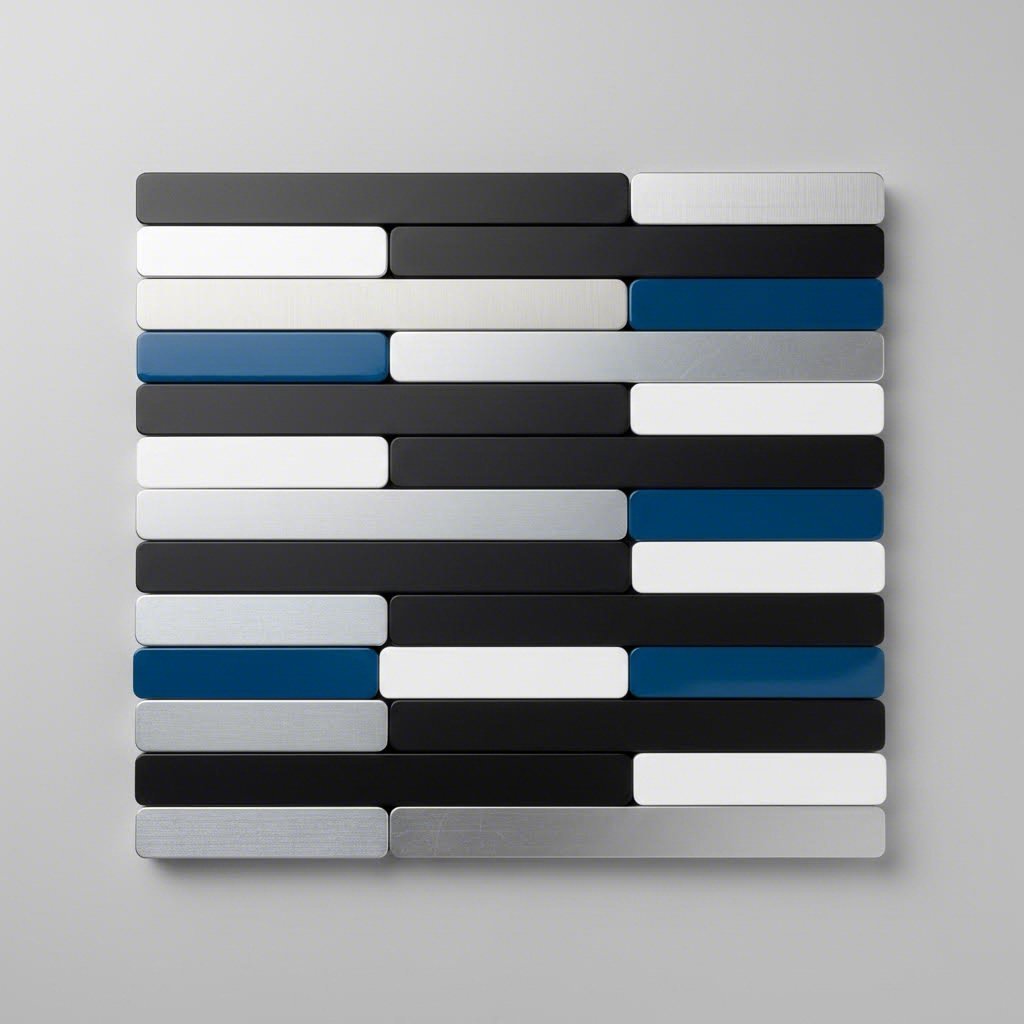
Your custom 6005 aluminum extrusions exit the production line with excellent mechanical properties - but the story doesn't end there. The surface finish you choose determines how your profiles look, how long they last in their intended environment, and how they perform in your final application. A raw "mill finish" aluminum surface remains vulnerable to scratches, stains, and gradual oxidation. Applying the right surface treatment protects your investment while enhancing both aesthetics and functionality.
The good news? 6005 aluminum responds well to virtually all common finishing processes. Its balanced alloy composition - without the higher copper content found in 6061 - produces consistent, high-quality results across anodizing, powder coating, and specialty finishes. Let's explore your options so you can specify the ideal treatment for your extruded aluminum products.
Anodizing isn't a coating applied to your aluminum - it's an electrochemical transformation of the surface itself. According to Minh Dung Holdings, this process submerges the aluminum in an acid bath while passing electric current through it, forming a super-hard protective layer of aluminum oxide that is fully integrated with the metal. This integration means the finish won't chip, peel, or delaminate like applied coatings can.
For custom aluminium extrusion projects, you'll typically choose between three anodizing types:
Why does 6005 anodize well? The alloy's moderate magnesium and silicon content creates a uniform oxide layer without the mottling or streaking that higher-copper alloys sometimes exhibit. This consistency matters especially for architectural applications where visual uniformity across multiple aluminium extruded profiles is essential.
When your project demands specific colors, textures, or maximum weather resistance, applied coatings offer capabilities that anodizing cannot match.
Powder Coating uses electrostatically charged dry powder sprayed onto grounded aluminum parts, then oven-cured to form a smooth, durable finish. As noted by industry sources, this method offers unlimited color and texture options (matte, gloss, metallic, textured), excellent impact and chip resistance, and is considered eco-friendly with no VOC emissions. However, powder coating shows less UV resistance than PVDF for long-term exterior exposure and adds 50-100 micrometers to your dimensions.
PVDF Coating (Polyvinylidene Fluoride, often sold as Kynar 500) represents the premium choice for exterior architectural applications. This liquid-applied finish delivers exceptional UV stability with color retention warranties extending 20-30 years, outstanding chemical and pollution resistance, and the ability to maintain appearance in harsh coastal or industrial environments. The trade-off? Higher cost and more limited color matching compared to powder coating.
Micro-Arc Oxidation (MAO) creates an exceptionally hard ceramic-like layer through plasma discharge in an electrolyte bath. This advanced treatment achieves hardness values exceeding HV 1000 - far beyond conventional anodizing - making it suitable for extreme wear applications.
Before applying protective treatments, mechanical finishing can enhance your aluminium extrusion products' appearance:
These mechanical processes often precede anodizing or coating, with the final treatment preserving and protecting the prepared surface.
The following table summarizes key factors to consider when selecting finishes for your custom 6005 extrusions:
| Treatment | Durability | Aesthetic Options | Relative Cost | Best Applications |
|---|---|---|---|---|
| Clear Anodizing | Good; integrated oxide layer | Natural metallic appearance | Low-Medium | Electronics, interior architecture, precision parts |
| Colored Anodizing | Good; dyed oxide layer | Range of colors; metallic undertone | Medium | Consumer products, architectural trim, signage |
| Hardcoat Anodizing | Excellent; HV 400+ hardness | Limited (gray/dark tones) | Medium-High | Wear surfaces, industrial equipment, sliding components |
| Powder Coating | Very Good; impact resistant | Unlimited colors and textures | Low-Medium | Furniture, fencing, window frames, automotive parts |
| PVDF Coating | Outstanding; 20+ year warranties | Wide color range; high gloss retention | High | Building facades, curtain walls, metal roofing |
| Micro-Arc Oxidation | Exceptional; ceramic-like hardness | Limited (white/gray tones) | High | Extreme wear, high-temperature, specialty applications |
Selection tip: Match your finish to your environment. Interior applications often justify cost-effective powder coating or clear anodizing, while building exteriors exposed to UV and weather typically warrant the investment in PVDF or thick-film anodizing.
Understanding these surface treatment options helps you specify finishes that align with both performance requirements and budget constraints. But which industries actually benefit most from custom 6005 aluminum extrusions, and what applications showcase this alloy's particular strengths? The next section explores the sectors where 6005's balanced properties deliver the greatest value.
Now that you understand how custom 6005 aluminum extrusions are designed, produced, and finished, the practical question remains: where does this alloy actually shine? Understanding which industries rely on 6005 - and why - helps you evaluate whether this material fits your specific project requirements.
The answer comes down to 6005's unique combination of properties. As noted by Yajialuminum, 6005 is best known as a structural aluminum extrusion alloy, with its blend of strength, weldability, and corrosion resistance making it a workhorse across multiple demanding sectors. Let's explore where this versatile alloy delivers the greatest value.
When you think about where 6005 aluminum truly excels, transportation immediately comes to mind. This sector demands materials that balance structural integrity with weight efficiency - exactly what 6005 delivers.
Why does transportation favor this alloy? Consider the requirements: vehicle frames and components must withstand dynamic loads, resist corrosion from road salt and weather exposure, and allow efficient fabrication through welding. According to Premium Alu, 6005's lightweight nature contributes directly to fuel efficiency, while its high strength and durability ensure structural integrity and long-term performance.
Specific transportation applications leveraging custom 6005 extrusions include:
The rail industry particularly appreciates 6005's performance in demanding environments. Railway applications subject profiles to continuous vibration, temperature cycling, and exposure to industrial pollutants - conditions that quickly reveal weaknesses in lesser materials. The alloy's proven track record in these unique extrusions has established it as a preferred choice for rolling stock manufacturers worldwide.
Beyond transportation, 6005 aluminum finds extensive application in structural and architectural systems where its balanced properties solve real engineering challenges.
Industrial Structures and Equipment
According to industry sources, 6005's structural applications extend across multiple industrial sectors. The alloy's medium-high strength makes it suitable for load-bearing applications, while its excellent extrudability allows manufacturers to create complex integrated profiles that reduce part counts and assembly time.
Key structural applications include:
Architectural Systems
While 6063 often dominates decorative architectural applications, 6005 earns its place when structural performance matters as much as appearance. Large aluminum extrusions for curtain wall systems, bridge components, and heavy-duty building frames frequently specify 6005 for its superior load-carrying capability.
Architectural applications benefiting from 6005 include:
What makes 6005 the right choice across these diverse sectors? The answer lies in how its properties align with real-world requirements:
Application insight: When evaluating whether 6005 suits your project, ask yourself: Does my application require better strength than 6063 while still needing complex profile geometries or welded assemblies? If yes, 6005 likely represents your optimal choice.
Understanding where 6005 excels helps you position your project requirements against the alloy's proven capabilities. But before committing to a supplier and placing orders, you'll need to understand the practical considerations of cost, tolerances, and minimum quantities - factors that directly impact your project budget and timeline.
You've identified 6005 as your ideal alloy, designed a manufacturable profile, and selected the perfect surface treatment. Now comes the question that shapes every project decision: what will this actually cost? Understanding the economics of custom extrusion aluminum helps you budget accurately, negotiate effectively, and identify opportunities to optimize your investment.
Unlike commodity products with fixed pricing, custom 6005 aluminum extrusions involve multiple cost components that vary based on your specific requirements. Let's break down what drives pricing, what tolerances you can expect, and how order quantities and lead times affect your bottom line.
The aluminum extrusion cost for your project depends on several interconnected factors. Recognizing how each element contributes helps you make informed trade-offs between features and budget.
Die and Tooling Costs
Your extrusion die represents a one-time investment that enables all future production runs. According to Yaji Aluminum, die costs vary dramatically based on complexity - from a few hundred dollars for simple solid shapes to several thousand for intricate hollow profiles.
Key factors affecting die cost include:
The good news? Die costs amortize across your production volume. A $2,000 die producing 40,000 kg of extrusion adds only $0.05 per kilogram to your material cost. For repeat orders, your existing tooling eliminates this expense entirely.
Material Costs
Aluminum pricing fluctuates with commodity markets, but your specific cost depends on:
Finishing and Secondary Operation Costs
Surface treatments and fabrication add to your per-piece pricing:
Volume Considerations
Order quantity significantly impacts your per-piece economics. Setup costs, die preparation, and quality checks create overhead that spreads across your order volume. Larger orders dilute these fixed costs, reducing unit pricing substantially.
Cost-saving strategy: Where possible, consolidate multiple profile variations into batch die orders. Suppliers may offer discounts for multiple designs ordered simultaneously through shared setup charges and bulk raw steel pricing.
Understanding what precision you can expect - and what quantities custom aluminum extruders require - helps you set realistic specifications and budget expectations.
Standard Tolerance Expectations
Aluminum extrusion tolerances follow industry standards, though tighter specifications are achievable at additional cost. According to industry sources, general tolerances are ±0.15 mm for dimensions under 25 mm, with tighter tolerances available when specified during die design.
Typical tolerance ranges include:
When specifying tolerances for stock aluminum extrusion profiles, request only the precision your application truly requires. Over-specifying tolerances increases die cost, slows production, and raises rejection rates - all adding to your final price.
Minimum Order Quantities
Minimum order quantities (MOQs) often surprise first-time buyers of aluminum extrusion custom projects. According to KMC Aluminium, these minimums exist for legitimate economic and technical reasons - not simply to increase order sizes.
Factors driving MOQ requirements include:
Typical MOQ ranges vary significantly by supplier and profile characteristics. Expect minimums from 250-500 kg for small profiles on standard presses, scaling upward to 1,000+ kg for larger extrusions. Specialty or extruded aluminum stock profiles with existing tooling may have lower minimums since die-related overhead is eliminated.
Lead Time Expectations
As highlighted by industry experts, three primary factors influence production lead time:
| Order Type | Tooling Lead Time | Production Lead Time | Total Estimated Time |
|---|---|---|---|
| New custom die - simple profile | 2-3 weeks | 2-3 weeks | 4-6 weeks |
| New custom die - complex profile | 4-6 weeks | 2-4 weeks | 6-10 weeks |
| Repeat order - existing die | None | 2-3 weeks | 2-3 weeks |
| With surface finishing | Add 0-2 weeks | Add 1-2 weeks | Add 1-4 weeks |
Budget tip: Plan your custom extrusion projects with realistic timelines. Rushing die development or demanding expedited production often costs significantly more than standard lead times. For critical deadlines, discuss timeline requirements upfront so your supplier can plan accordingly.
Armed with this understanding of costs, tolerances, and order requirements, you're prepared to evaluate potential suppliers and request meaningful quotes. The next step involves knowing what questions to ask and what specifications to provide when selecting your custom extrusion partner.
You've defined your 6005 aluminum requirements, understood the costs involved, and set realistic timeline expectations. Now comes a decision that will shape your project's success: choosing the right custom aluminum extrusion manufacturers to bring your design to life. This choice matters more than many buyers realize - the gap between capable suppliers and mediocre ones often determines whether your extrusions arrive on-spec and on-time, or become a source of ongoing frustration.
How do you separate truly capable custom aluminum extrusion suppliers from those who simply claim capabilities they can't deliver? The answer lies in asking the right questions, knowing what documentation to prepare, and understanding what end-to-end support actually looks like in practice.
When evaluating potential partners for custom metal extrusion services, surface-level assessments won't protect you from problems that emerge mid-project. According to industry guidance, a supplier's extrusion press defines what kind of profiles they can actually produce - making this your first evaluation checkpoint.
Use the following checklist to systematically assess each potential supplier. These questions reveal genuine capabilities rather than marketing claims:
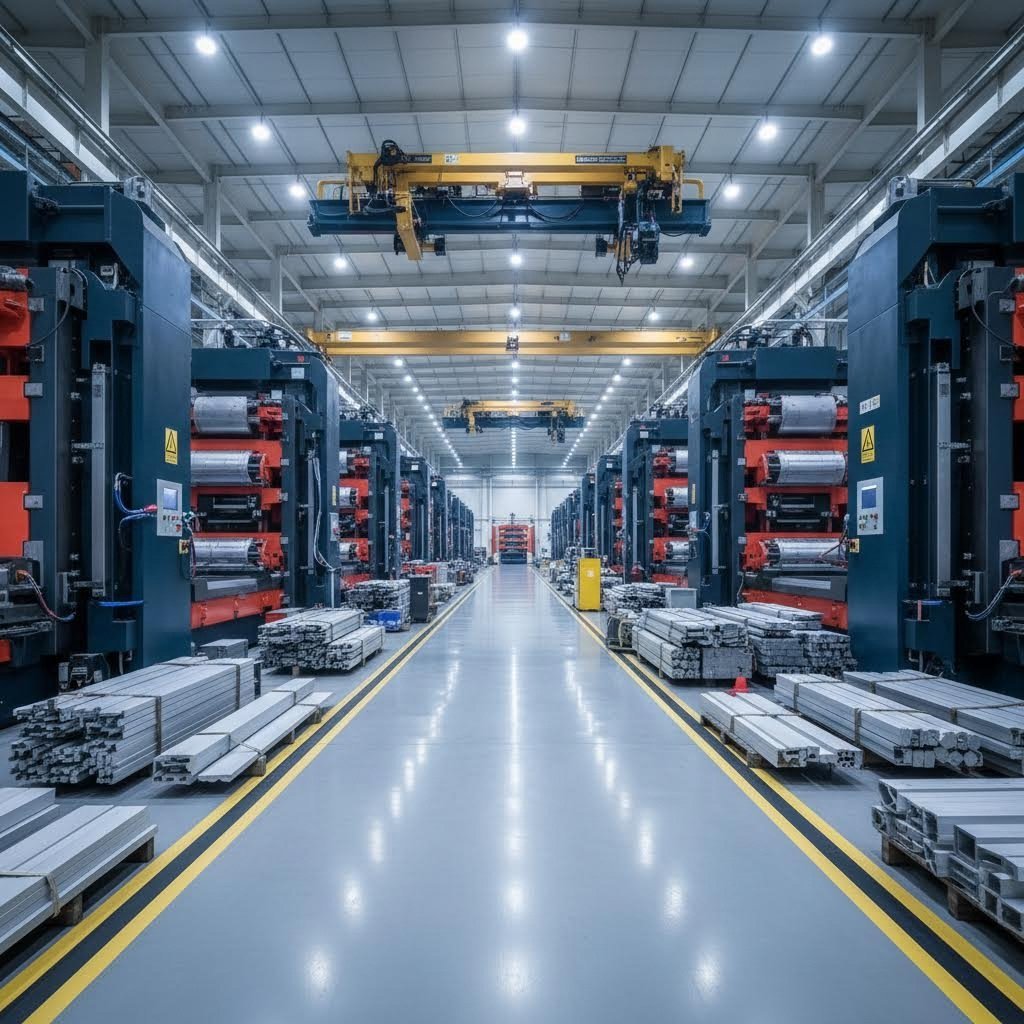
Press tonnage directly determines what profiles a facility can produce. Small presses (600-1800T) handle thin and precise profiles, medium presses (2000-3500T) suit general industrial applications, and large presses (5000T+) accommodate heavy structural components. A supplier with multiple press capacities offers flexibility as your needs evolve. For example, established manufacturers like Shengxin Aluminium operate 35 advanced extrusion presses ranging from 600T to 5500T, demonstrating the range needed to handle diverse custom aluminum extrusion profiles.
This question reveals more than cost structure - it indicates problem-solving speed. According to Aluphant, suppliers with in-house die workshops can modify or repair dies quickly, ensuring production continuity and consistent quality. When dies are outsourced, delays ripple through your entire project timeline whenever corrections are needed.
Certifications provide objective evidence of process control. According to PTSMAKE, a quality manufacturer should hold ISO 9001 at minimum, with IATF 16949 for automotive applications and AS9100 for aerospace work. These credentials show commitment to documented processes and continuous improvement - essential for reliable, repeatable results.
Strong technical communication differentiates professional suppliers from order-takers. A capable custom aluminum extrusion supplier will provide DFM (Design for Manufacturability) feedback on your drawings, offer feasibility and cost optimization suggestions, and proactively prevent issues rather than reacting after defects occur. Ask specifically about their process for reviewing new designs and what feedback you can expect before production begins.
Integrated finishing capabilities eliminate transportation between subcontractors, prevent damage, and shorten lead times. According to industry sources, a supplier with integrated CNC machining and surface finishing can deliver finished products directly to your assembly line. Look for comprehensive options including anodizing (clear, colored, hardcoat), powder coating, PVDF coating, and specialty treatments like micro-arc oxidation for demanding applications.
Few custom aluminum extrusion profiles ship without some fabrication. Evaluate capabilities including CNC machining centers for drilling, milling, and threading; precision cutting and sawing; bending and forming; welding and assembly; and quality inspection with CMM documentation. Comprehensive CNC machining centers capable of precise cutting, drilling, and bending ensure your profiles arrive ready for assembly rather than requiring additional vendor coordination.
Ask whether the factory provides traceable lot data and QA certificates with each batch. Key quality checks should include dimensional inspection against EN755-9 standards, surface roughness testing, hardness and tensile strength verification for T5/T6 temper, and CMM reports with visual inspection documentation. This level of quality verification is essential for industrial applications requiring consistent, repeatable results.
Lead time reliability often serves as the most practical indicator of capability. According to industry benchmarks, typical timelines include 10-20 days for die manufacturing, 7-15 days for extrusion production, and 5-10 days for surface finishing. Factories with ERP-based production systems generally deliver more consistently - ask how they manage scheduling during peak seasons.
Evaluation tip: Request a facility tour or detailed facility documentation before committing to large orders. What you see on the production floor often tells more than any capability statement.
Even the most capable supplier can't deliver excellent results without clear, complete specifications from you. Preparing thorough documentation before requesting quotes accelerates the evaluation process and ensures you receive accurate, comparable pricing from different custom aluminum extrusion manufacturers.
Documentation to Prepare Before Requesting Quotes
Compile the following materials to enable meaningful supplier responses:
The Value of End-to-End Support
When evaluating custom metal extrusion services, consider the strategic advantage of partners who support the complete journey from die development through mass production. Fragmented supply chains - where you coordinate separate vendors for extrusion, machining, and finishing - create coordination overhead, quality variability, and extended lead times.
Integrated suppliers offer several advantages:
Manufacturers with over 30 years of industry experience and technical teams providing end-to-end support can streamline the custom extrusion journey significantly. Whether you need custom 6063 aluminum tubes, architectural window frames, or complex industrial profiles, comprehensive capabilities - from die development through finishing and fabrication - reduce your project management burden while improving consistency.
During your evaluation, certain warning signs suggest a supplier may struggle to meet your requirements:
Selecting the right partner for your custom 6005 aluminum extrusions requires thorough evaluation, but the investment in due diligence pays dividends throughout your project. With your supplier identified and specifications prepared, you're ready to move forward with confidence toward production.
You've now explored every critical aspect of custom 6005 aluminum extrusions - from understanding the alloy's unique properties to evaluating capable suppliers. But knowledge without action remains theoretical. This final section distills everything into a practical framework that guides your next steps toward successful production.
Whether you're launching a new product design or optimizing an existing aluminium profile extrusion project, the decisions you make in the coming weeks will shape your results for years. Let's consolidate the key insights and create your path forward.
Throughout this guide, certain principles have emerged as make-or-break factors for successful custom extrusion projects. Before moving forward, verify that your project addresses each of these critical considerations:
The four pillars of custom extrusion success: Verify your alloy choice matches application requirements. Select temper based on actual stress calculations, not assumptions. Optimize your design for extrudability before finalizing CAD files. Match supplier capabilities to your complete project scope - not just extrusion alone.
Why 6005 Aluminum Remains the Smart Choice
For projects requiring custom aluminum profiles with structural capability, 6005 consistently delivers where alternatives fall short. This alloy occupies a strategic position in the aluminium profile extrusion landscape - stronger than 6063 for load-bearing applications, yet more extrudable than 6061 for complex geometries. Its excellent weldability, superior corrosion resistance, and proven performance across transportation, structural, and architectural applications make it the go-to choice when balanced properties matter.
Choose 6005 with confidence when your project demands:
Ready to transform your concept into finished extrusions? Follow this action checklist to initiate your project efficiently:
Partnering for Success
The complexity of custom extrusion projects - spanning die development, precision production, surface finishing, and secondary fabrication - rewards partnerships with manufacturers offering comprehensive end-to-end capabilities. Fragmented supply chains introduce coordination overhead, quality variability, and extended lead times that erode project value.
Manufacturers with extensive experience and integrated capabilities streamline the entire custom extrusion journey. For example, Shengxin Aluminium brings over 30 years of industry expertise to every project, operating 35 advanced extrusion presses (600T to 5500T) alongside comprehensive CNC machining centers and full surface treatment options including anodizing, powder coating, PVDF, and micro-arc oxidation. Their technical teams provide support from initial die development through mass production - exactly the integrated approach that simplifies complex custom projects.
Factory-direct pricing from established manufacturers eliminates middleman markups while ensuring accountability for quality and delivery. When you're ready to explore custom 6005 aluminum extrusion solutions with a partner capable of handling your complete project scope, connecting with experienced suppliers positions your project for success from day one.
Your custom 6005 aluminum extrusions represent more than material and manufacturing - they're the foundation for products and structures that will perform for decades. The investment you've made in understanding alloy selection, design optimization, and supplier evaluation pays dividends throughout your project lifecycle. Now it's time to put that knowledge into action.
6005 aluminum occupies a strategic middle ground between these common alloys. It delivers higher strength than 6063 (yield strength ~260 MPa vs ~240 MPa in T6 temper) while maintaining better extrudability than 6061. This balanced profile makes 6005 ideal for structural applications requiring complex geometries. Additionally, 6005 offers excellent weldability and superior corrosion resistance due to its lower copper content compared to 6061, making it preferred for transportation frames, rail cars, and welded assemblies.
Custom aluminum extrusion costs depend on multiple factors including die complexity ($300-$3,000+), profile size, alloy selection, temper designation, surface treatments, and order volume. Die costs are one-time investments that amortize across production runs. T6 temper processing adds 10-15% over T5. Surface treatments like anodizing, powder coating, or PVDF coating add per-piece costs. Larger order quantities significantly reduce unit pricing by spreading fixed setup costs. Factory-direct manufacturers like Shengxin Aluminium offer competitive pricing by eliminating middleman markups.
T5 temper involves air cooling from extrusion temperature by artificial aging, while T6 requires additional solution heat treatment and quenching before aging. T6 achieves approximately 13-19% higher strength (yield strength ~260 MPa vs ~230 MPa) and better fatigue resistance but costs 10-15% more with longer lead times. Choose T5 for cost-effective moderate-strength applications; specify T6 when maximum strength, fatigue life, or dynamic loading conditions demand peak performance.
6005 aluminum excels in transportation (rail car bodies, bus frames, truck components), structural applications (ladders, scaffolding, access platforms), and architectural systems (curtain wall frames, bridge components, solar mounting systems). The alloy's combination of medium-high strength, excellent weldability, and superior corrosion resistance makes it ideal for demanding environments. Rail and transit industries particularly value 6005 for its proven durability under continuous vibration and weather exposure.
New custom die orders typically require 7-14 weeks total: 3-6 weeks for die engineering and manufacturing, 1-3 weeks for production extrusion, plus additional time for heat treatment (3-5 days for T6) and surface finishing (1-2 weeks if required). Repeat orders using existing dies reduce timelines to 3-6 weeks. Complex profiles, specialty finishes, or peak-season scheduling can extend estimates. Working with integrated manufacturers offering in-house die production and finishing capabilities helps minimize lead times.



 dịch vụ trực tuyến
 0086 136 3563 2360
 sales@sxalu.com
 +86 136 3563 2360
 Việt
Việt English
 français
 Deutsch
 русский
 español
 português
 العربية
 ไทย
ไทย Українська