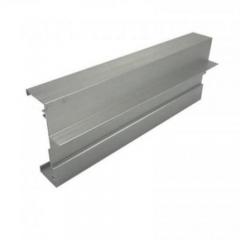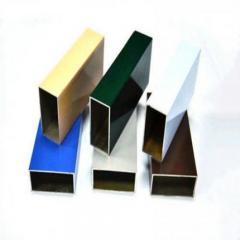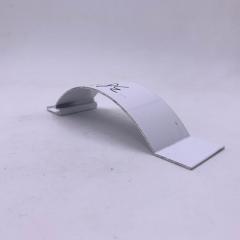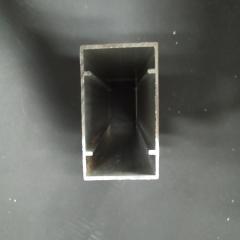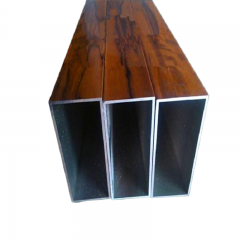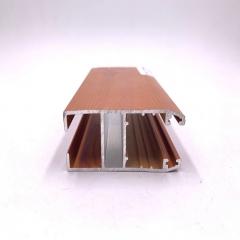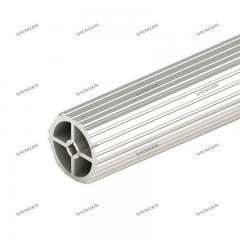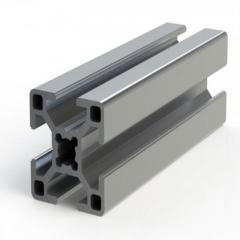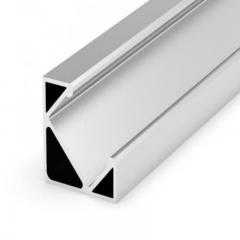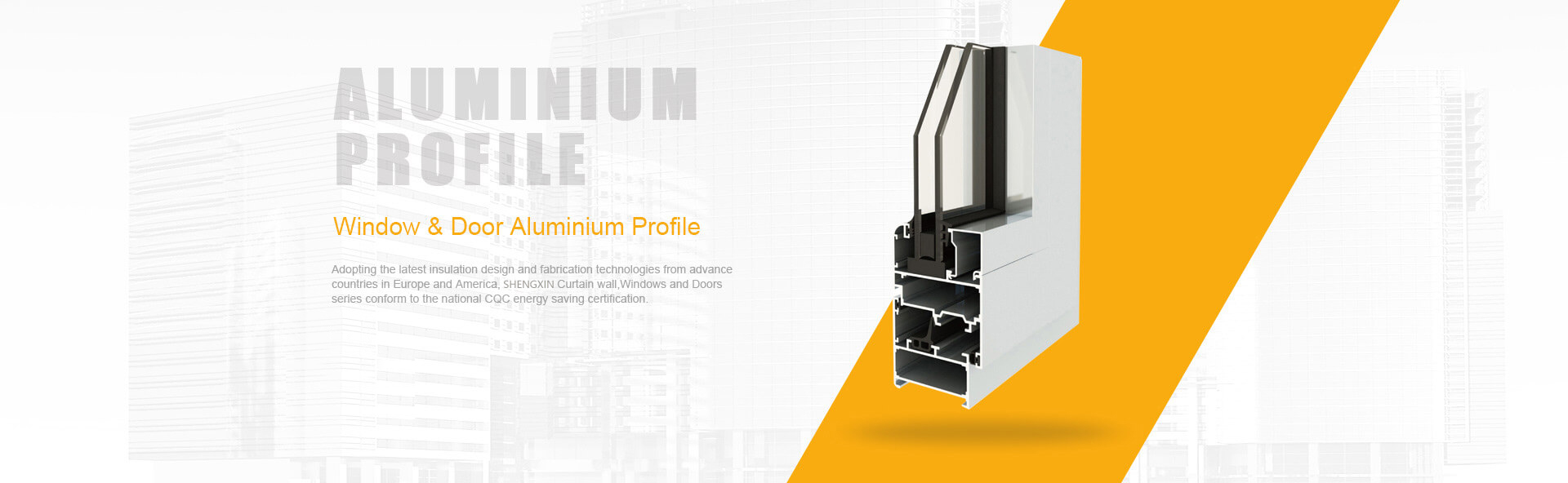
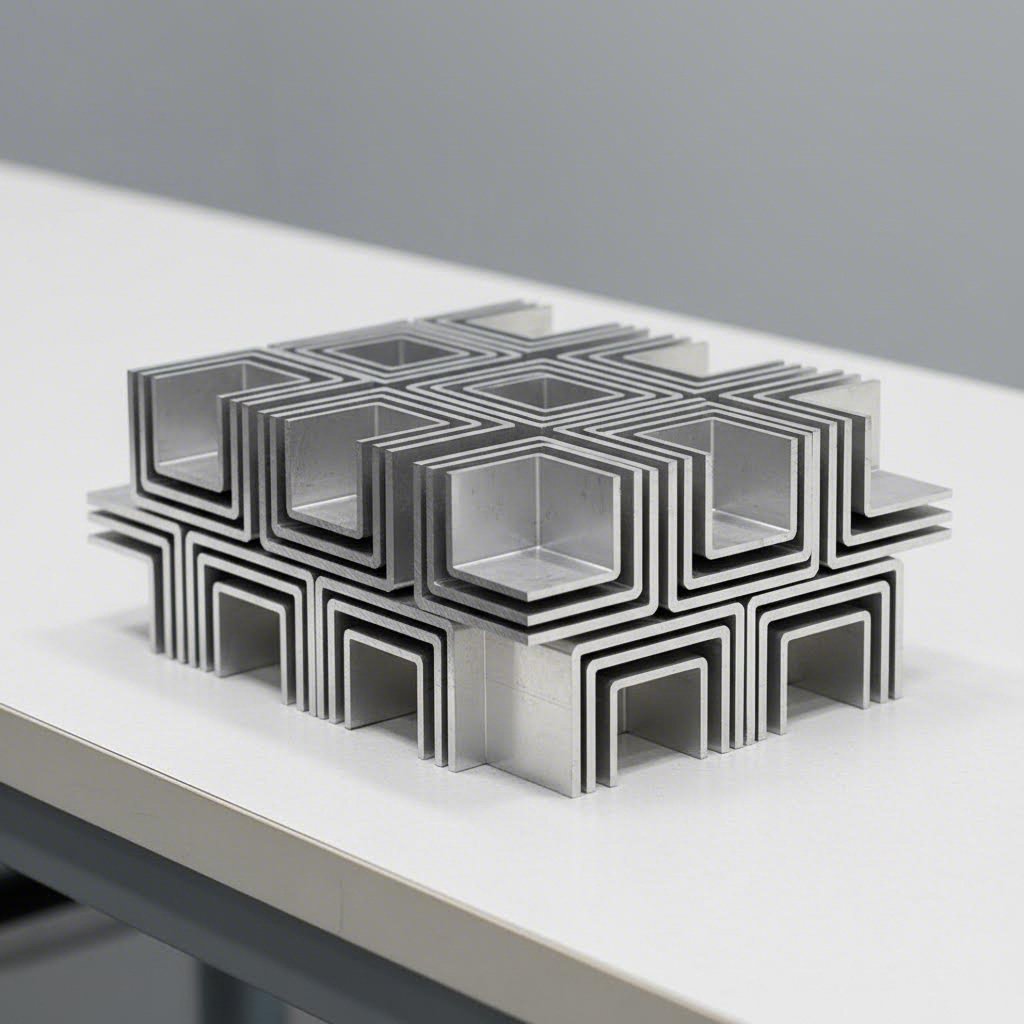
Ever wondered why some aluminum profiles seem built for heavy-duty structural work while others fall short? The answer often lies in the geometry. Double angle aluminum extrusions feature a distinctive profile with two perpendicular legs forming a V-shaped or L-shaped cross-section. Unlike single angle profiles that offer just one angular arm, these profiles provide two angular arms that can be equal or unequal in length—and that difference changes everything about how they perform under load.
Imagine holding two L-shaped brackets back-to-back. That's essentially what you're getting with an aluminum angle extrusion in the double configuration. The cross-section creates channels on both sides, allowing panels or components to slot directly into the profile rather than simply butting against it. This design isn't just about aesthetics—it fundamentally changes how the extrusion handles stress and connects to other materials.
The dual-leg structure means these extruded aluminum corner profiles can accept panels from multiple directions simultaneously. For applications like road case construction, this translates to panels inserting directly into extrusion slots, with the entire frame riveting together in one streamlined process. Builders working on multiple cases or production runs find the time savings substantial compared to single angle alternatives.
The double angle design distributes stress more evenly across both legs, offering over 30% higher load-bearing capacity compared to single angle profiles of equivalent material thickness.
When you compare these profiles to standard single angle extrusions, several practical differences emerge immediately. With single angle profiles, your panels are cut to match internal case dimensions—the extrusion sits outside the panel without interfering with sizing calculations. Simple enough, right?
Double angle configurations require more precision. Since panels slot into the extrusion channels, you'll need to subtract the channel depth from your panel dimensions. This adds complexity, especially when working with tight tolerances or custom layouts. You'll typically need a side profile drawing from your supplier to calculate panel dimensions accurately—working backward from desired internal dimensions minus the space occupied by the extrusions themselves.
However, this complexity comes with rewards. The aluminum corner extrusion design means fewer connectors are required during assembly, reducing both material costs and installation time for larger projects. The symmetrical configuration also provides balanced load distribution that single angles simply cannot match.
Most quality double angle profiles are manufactured using 6063 aluminum alloy—and this choice isn't arbitrary. This aluminum-magnesium-silicon alloy is specifically engineered for extrusion, offering excellent flow characteristics during manufacturing and superior surface finish on completed profiles.
What makes 6063 stand out? Its low impurity content and uniform metallurgical structure strike an ideal balance between aesthetics and structural stability. In T5 or T6 temper, these extrusions deliver a tensile strength of at least 205 MPa and yield strength of at least 180 MPa, with elongation between 8–10%. For applications demanding higher mechanical performance—think structural frameworks or aerospace components—6061-T6 alloy provides tensile strength of at least 290 MPa and yield strength of at least 240 MPa.
The natural oxide layer that forms on aluminum surfaces provides inherent corrosion resistance, but 6063's low iron and copper content means it also anodizes exceptionally well. This produces a more uniform oxide layer with consistent coloring—particularly important for architectural applications where appearance matters as much as performance.
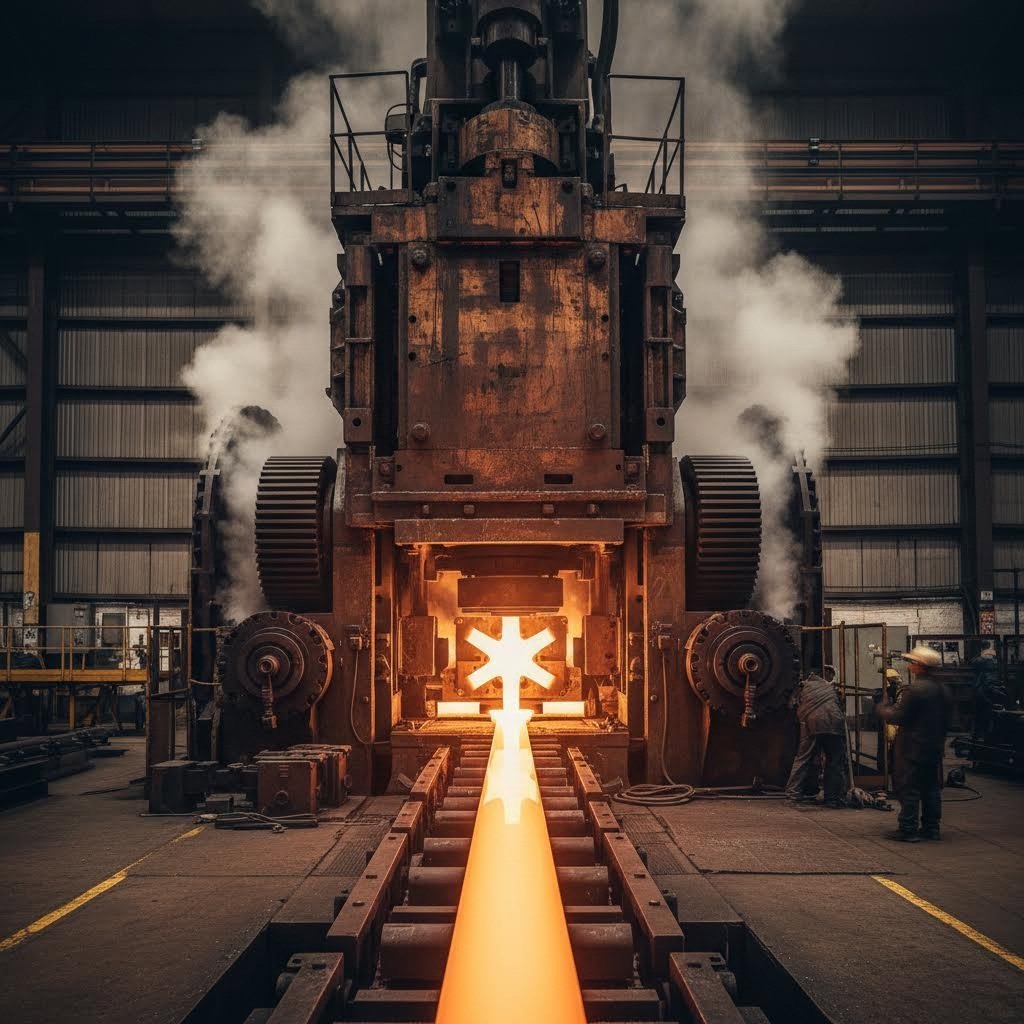
Understanding how double angle aluminum extrusions are actually made gives you a significant advantage when evaluating suppliers and specifying materials. Surprisingly, most product catalogs skip this entirely—leaving engineers and fabricators guessing about what separates quality angle extrusion from substandard alternatives. Let's walk through the complete manufacturing journey, from raw aluminum billet to finished profile.
The process begins with a cylindrical aluminum billet—essentially a thick, round block cut from a longer log of aluminum alloy material. Before anything else happens, this billet gets preheated in an oven to temperatures between 400–500°C (roughly 750–930°F). Why this precise range? The aluminum needs to become malleable enough for shaping without actually melting. Think of it like warming butter—soft enough to spread, but still holding its form.
Meanwhile, the extrusion die also undergoes preheating to approximately 450–500°C. This step isn't optional—it ensures even metal flow during extrusion and dramatically extends die life. Skip proper die preheating, and you'll see inconsistent wall thicknesses and premature tool failure.
Here's the complete sequence that transforms raw material into a finished aluminum extruded angle:
The die is where the magic happens—and where quality differences become most apparent. For extruded angle profiles, the die contains precisely machined openings that match the desired cross-sectional geometry. When the hydraulic ram pushes softened aluminum against the die face, the metal has nowhere to go except through these openings, emerging in the exact shape of the die aperture.
Press tonnage directly affects what's achievable. Smaller presses (around 1,000–2,000 tons) handle simpler profiles with thinner walls. Complex double angle geometries with tight tolerances often require presses exceeding 5,000 tons to maintain dimensional accuracy. Higher tonnage provides more consistent pressure distribution, resulting in better surface finish and tighter dimensional control across the profile length.
The extrusion ratio—the relationship between billet cross-section and final profile area—also matters significantly. According to industry research, higher extrusion ratios demand greater mechanical work to force metal through smaller openings. This affects everything from achievable tolerances to surface quality and production speed.
After extrusion, the profiles aren't finished—they need heat treatment to develop their final mechanical properties. This is where temper designations enter the picture, and understanding them helps you specify the right material for your application.
T5 temper indicates the profile was cooled directly from the extrusion process and then artificially aged without additional solution heat treatment. For 6063 aluminum, T5 delivers tensile strength around 185 MPa (27 ksi) with yield strength near 145 MPa (21 ksi). This temper works well for general-purpose applications—equipment frames, protective edging, and decorative trim where extreme strength isn't critical.
T6 temper involves solution heat treatment by artificial aging for maximum precipitation hardening. The result? Significantly higher strength—6063-T6 achieves tensile strength of approximately 240 MPa (35 ksi) and yield strength around 215 MPa (31 ksi). Choose T6 when your application involves structural loads, outdoor exposure with temperature cycling, or any situation demanding higher mechanical performance.
T66 temper represents a special variation of T6, using optimized treatment parameters to push hardness even higher. According to the Aluminum Association temper designation system, T66 indicates special undefined treatment to achieve maximum strength within the T6 family. Specify T66 for applications requiring the absolute highest hardness—precision machinery components, high-wear applications, or aerospace-grade structural elements.
Getting temper selection right matters more than many buyers realize. Ordering T5 when you need T6 can result in inadequate load capacity, while over-specifying T6 for simple trim applications wastes money without adding value. Understanding how each temper relates to the manufacturing process helps you match material properties to actual application requirements—which brings us to the dimensional specifications that complete the picture.
You've got the manufacturing knowledge—now you need the numbers. Finding accurate dimensional data for aluminum angle profiles can feel like searching for a needle in a haystack. Most suppliers list products without explaining what those specifications actually mean or how to use them for project planning. Let's fix that with a comprehensive reference you'll want to bookmark.
Double angle aluminum extrusions come in both equal leg and unequal leg configurations, with dimensions ranging from compact 1/2-inch profiles to heavy-duty 8-inch structural members. Wall thickness—the "C" dimension in standard callouts—typically spans from 1/16 inch for lightweight architectural applications up to 3/4 inch for demanding structural work.
Here's where it gets practical. The table below presents the most commonly available sizes based on industry supplier specifications, organized by leg dimensions and wall thickness. Weight-per-foot data helps you calculate shipping costs and ensure your supporting structure can handle the load:
| Size (A x B x C) | Leg Configuration | Alloy/Temper | Weight (lb/ft) |
|---|---|---|---|
| 1/2 x 1/2 x 1/16" | Equal Leg | 6063-T5 | 0.069 |
| 3/4 x 3/4 x 1/8" | Equal Leg | 6063-T5 | 0.206 |
| 1 x 1 x 1/8" | Equal Leg | 6063-T5 | 0.281 |
| 1 x 1 x 3/16" | Equal Leg | 6061-T6 | 0.406 |
| 1 x 1 x 1/4" | Equal Leg | 6061-T6 | 0.514 |
| 1-1/2 x 1-1/2 x 1/8" | Equal Leg | 6061-T6 | 0.440 |
| 1-1/2 x 1-1/2 x 1/4" | Equal Leg | 6061-T6 | 0.830 |
| 2 x 2 x 1/8" | Equal Leg | 6063-T5 | 0.581 |
| 2 x 2 x 1/4" | Equal Leg | 6061-T6 | 1.110 |
| 2 x 2 x 3/8" | Equal Leg | 6061-T6 | 1.606 |
| 3 x 3 x 1/4" | Equal Leg | 6061-T6 | 1.730 |
| 3 x 3 x 3/8" | Equal Leg | 6061-T6 | 2.474 |
| 4 x 4 x 1/4" | Equal Leg | 6061-T6 | 2.350 |
| 4 x 4 x 1/2" | Equal Leg | 6061-T6 | 4.414 |
| 6 x 6 x 1/2" | Equal Leg | 6061-T6 | 6.754 |
| 8 x 8 x 1/2" | Equal Leg | 6061-T6 | 9.141 |
| 2 x 1 x 1/8" | Unequal Leg | 6063-T52 | 0.431 |
| 2 x 1-1/2 x 1/4" | Unequal Leg | 6061-T6 | 0.956 |
| 3 x 2 x 1/4" | Unequal Leg | 6061-T6 | 1.405 |
| 4 x 3 x 3/8" | Unequal Leg | 6061-T6 | 2.926 |
| 6 x 4 x 1/2" | Unequal Leg | 6061-T6 | 5.578 |
Notice the pattern? Architectural applications typically use 6063-T5 alloy for its superior surface finish and anodizing characteristics, while structural applications favor 6061-T6 for its higher strength properties. Standard lengths run 20 feet for architectural profiles and 25 feet for structural grades—though custom lengths are available on mill orders.
When you encounter a callout like "1 8 angle aluminum" or "2 angle aluminum," here's how to decode it. The first numbers indicate leg dimensions in inches, while the final number represents wall thickness. So "1 x 1 x 1/8" means both legs measure 1 inch with a 1/8-inch wall thickness throughout.
Sounds straightforward, right? The confusion enters when shorthand notation drops the "x" symbols or uses decimals interchangeably with fractions. A "2 angle aluminum" specification typically refers to a 2 x 2-inch equal leg profile—but wall thickness might be listed separately or assumed based on standard offerings. Always confirm the complete A x B x C specification before ordering.
For unequal leg profiles, the larger dimension always comes first. A "3 x 2 x 1/4" profile has a 3-inch primary leg, 2-inch secondary leg, and 1/4-inch wall thickness. This asymmetrical design serves applications where load direction is predictable—the longer leg faces the primary stress direction.
Cross-sectional area directly determines load capacity. According to ASTM B308 standards, a 2 x 2 x 1/4-inch aluminum angle provides 0.944 square inches of cross-sectional area—nearly double the 0.491 square inches available in a 2 x 2 x 1/8-inch profile.
Here's what most suppliers won't tell you upfront: extruded aluminum profiles come with inherent dimensional variations. According to industry standards published by The Aluminum Association and ANSI H35.2, these tolerances are intentional—designed to balance manufacturing capabilities with practical application requirements.
What should you expect? Use these rules of thumb for initial planning:
These standard tolerances work perfectly for most applications—but they're not always achievable on improperly designed profiles. Complex geometries, thin walls relative to overall dimensions, or extreme length-to-width ratios can all affect what's practically achievable.
Need tighter tolerances? They're available, but expect higher costs. Achieving closer dimensional control requires die modifications, slower extrusion speeds, increased inspection frequency, and sometimes higher rejection rates. Before specifying non-standard tolerances, discuss requirements directly with your extruder—an experienced manufacturer may suggest design modifications that achieve your functional requirements without the premium pricing.
The relationship between profile size and achievable tolerance also matters. Larger profiles measured by circumscribing circle diameter generally allow tighter absolute tolerances, while smaller profiles may require proportionally looser specifications. Understanding these realities helps you specify requirements that are both achievable and cost-effective—setting the stage for selecting profiles that match your actual application demands.
Now that you understand the specifications, where do these profiles actually shine? Double angle aluminum extrusions serve three major application categories—each with distinct requirements that influence profile selection. Whether you're building touring equipment, constructing structural frameworks, or integrating industrial machinery, understanding these industry-specific demands helps you choose the right aluminum angle extrusions for the job.
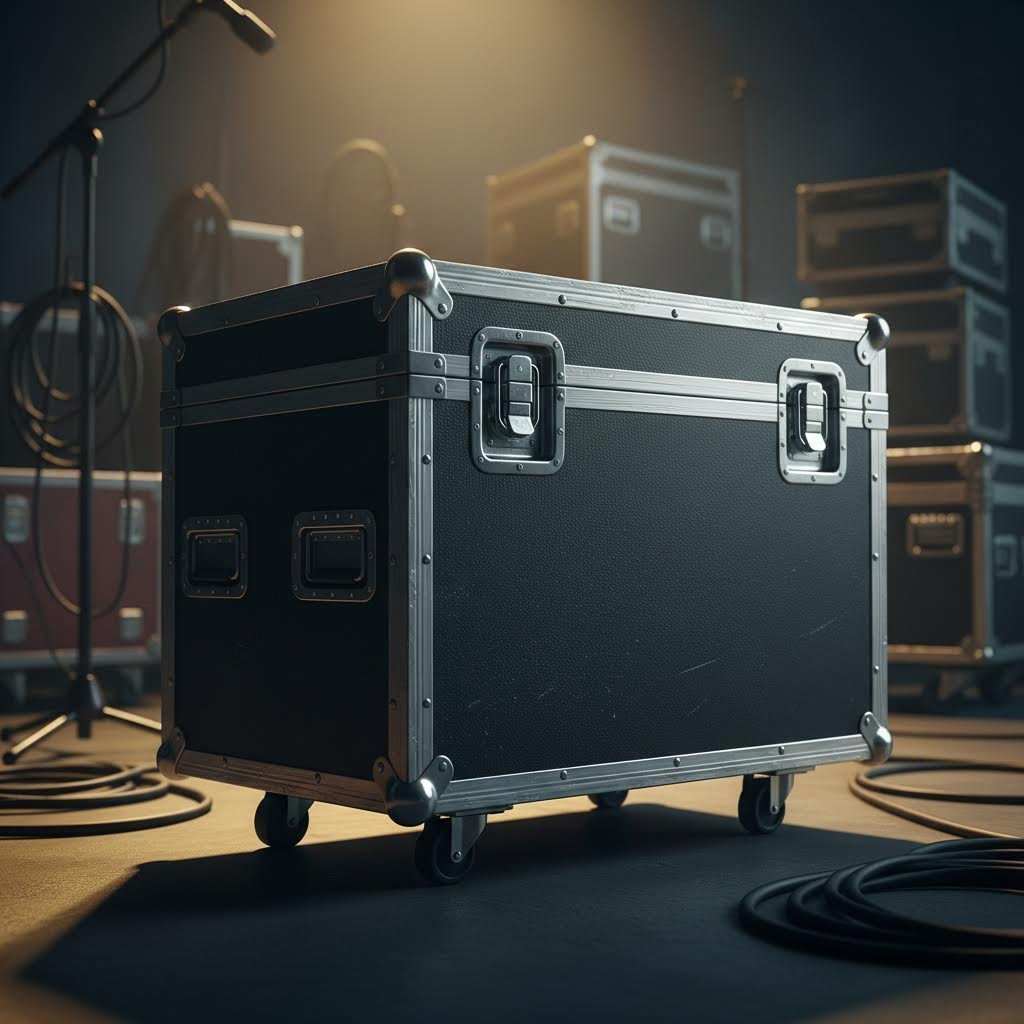
Ever watched roadies unload equipment from a touring truck? Those rugged cases protecting guitars, mixing consoles, and lighting rigs rely heavily on aluminum corner extrusions. Road cases endure brutal treatment—dropped from truck beds, stacked under heavy loads, exposed to temperature swings from desert heat to arctic cold. The double angle configuration handles this abuse exceptionally well.
Why do case builders prefer this profile geometry? The dual-channel design allows panels to slot directly into the extrusion from both directions. Instead of butting plywood against an external frame, the panels insert into integrated grooves—creating a cleaner appearance while distributing impact forces across more surface area. When a case gets dropped corner-first, that stress spreads across both legs rather than concentrating at a single edge.
When selecting profiles for road case applications, consider these criteria:
The assembly process differs from single angle construction. You'll rivet the entire frame together in one operation, with panels already seated in their channels. This speeds production significantly for shops building multiple cases—a meaningful advantage when filling large touring orders.
Structural framing demands different priorities entirely. Here, load-bearing capacity and connection integrity matter more than aesthetics. According to industry research on aluminum framing systems, these profiles support everything from machine frames and workstations to protective enclosures and conveyor supports.
The symmetrical load distribution becomes critical in structural applications. When forces act on the profile from multiple directions—as they often do in framing assemblies—the balanced geometry prevents the twisting and deflection that plague asymmetrical alternatives. This translates directly to more stable structures and longer service life.
Connection methods for structural aluminum angle extrusions vary based on load requirements:
For structural framing projects, lean manufacturing principles favor aluminum's modularity. As noted by manufacturing research, aluminum framing systems allow easy reconfiguration without significant cost—a major advantage for production environments needing frequent layout changes. The lightweight nature also reduces installation labor and allows structures on varied terrain without extensive groundwork.
Industrial settings present unique challenges that double angle profiles address effectively. Think equipment mounting, protective edging, panel integration, and cable management systems. The backbone of manufacturing operations relies on aluminum extrusions for machine bases, guarding systems, and workstation construction.
Equipment mounting applications leverage the profile's ability to accept fasteners from multiple angles. Need to secure a motor while also attaching a protective cover? The dual-leg design provides mounting surfaces in perpendicular planes—simplifying installation without custom brackets. For precision equipment like CNC machines or inspection stations, this mounting flexibility proves invaluable.
Protective edging represents another major industrial application. When equipment panels, safety barriers, or enclosures need finished edges that also provide impact protection, angle aluminum for sale in double configurations delivers both functions. The channels protect panel edges while the external surfaces absorb contact forces.
Selection criteria for industrial applications include:
Clean room and controlled environment applications also favor these profiles. The smooth surfaces clean easily, and proper anodizing creates non-porous surfaces that won't harbor contaminants. For pharmaceutical, food processing, or electronics manufacturing, these characteristics often determine profile selection.
Understanding which application category drives your project helps narrow profile options significantly—but the structural performance characteristics ultimately determine whether a specific profile meets your load requirements.
You've seen the dimensions and applications—but what actually happens when you put weight on these profiles? Understanding the structural engineering principles behind double angle aluminum extrusions separates informed specification from guesswork. Let's dig into the mechanics that determine whether your selected profile will perform reliably under load.
When force meets material, geometry determines outcome. The symmetrical design of double angle profiles creates a fundamentally different stress pattern than single angle alternatives. Picture this: when you apply force to a single angle, the load concentrates along one leg while the other primarily provides lateral stability. With double angle configurations, both legs actively share the burden.
According to structural analysis research, several factors determine how effectively an aluminum profile handles applied forces:
For axial loading scenarios, the maximum load a profile can withstand relates directly to yield strength multiplied by cross-sectional area. A 6061-T6 aluminum angle with its yield strength around 240 MPa can handle substantially more compression than the same geometry in 6063-T5 at 145 MPa. This isn't just theory—it's the difference between a structure that stands and one that fails.
The load-bearing capacity of an aluminum angle bar depends on material properties, geometric dimensions, loading type, and end conditions working together—not any single factor in isolation.
Why do engineers consistently choose double angle configurations for demanding applications? The answer lies in moment of inertia—a geometric property that quantifies resistance to bending. According to structural aluminum research, calculating this property involves the cross-sectional dimensions and their distribution relative to the neutral axis.
Consider the section modulus, which combines moment of inertia with centroidal distance to characterize bending resistance in a single term. For a double angle profile, the symmetrical geometry positions material effectively on both sides of the neutral axis. This balanced distribution means stress spreads more evenly when bending forces act on the profile—reducing peak stress concentrations that cause failure.
The practical implications become clear in real applications:
Leg length ratios also influence structural performance significantly. Equal leg profiles provide maximum resistance to forces acting at 45 degrees to either leg—ideal for corner bracing and diagonal applications. Unequal leg profiles concentrate strength in the primary load direction, making them preferable when force orientation is predictable and consistent.
Physical strength in structural aluminum profiles isn't a single number—it's a collection of parameters including tensile strength, yield strength, and modulus of elasticity that together determine behavior under stress.
One critical point that suppliers often overlook: these calculations assume idealized conditions. Engineering analysis confirms that real-world factors like corrosion, fatigue cycling, and temperature variations all affect actual load capacity. For critical structural applications, consulting a professional engineer remains essential—generic catalog specifications simply can't account for your specific installation conditions, safety factors, and regulatory requirements.
The strength-to-weight ratio that makes aluminum attractive also means careful profile selection matters more than with heavier materials. Understanding these structural principles helps you specify double angle aluminum extrusions that meet actual performance requirements—but how do they compare against alternative profile options?
So you understand the structural advantages of double angle aluminum extrusions—but are they always the right choice? Honest answer: no. Different profile geometries solve different problems, and sometimes a simpler or more specialized alternative delivers better value. Let's break down how these profiles stack up against the competition so you can make informed decisions rather than defaulting to familiar options.
The most common comparison buyers face is whether to specify double angle or single angle extrusions. Both feature perpendicular legs meeting at a corner—but the similarities end there.
Single angle profiles offer straightforward simplicity. According to aluminum profile research, an L profile with two legs meeting at a right angle reinforces corners and provides strength along both axes. You'll find them everywhere in frames, brackets, and machine supports. The key advantage? Lower cost and easier sizing calculations since panels butt against the profile rather than inserting into channels.
When does single angle make more sense? Consider these scenarios:
However, double angle configurations earn their premium when load distribution matters. The symmetrical design spreads stress across both legs simultaneously, delivering that 30%+ improvement in load-bearing capacity we discussed earlier. For road cases, structural frames, or any application where impacts come from unpredictable directions, the balanced geometry justifies the additional investment.
Sometimes the right answer isn't any angle profile at all. Channel profiles and T-slot extrusions solve problems that angle geometries simply can't address efficiently.
U-channels and C-channels excel at containment and guidance applications. As noted by aluminum channel research, these profiles feature a flat base with two parallel legs—perfect for making tracks, guides, or enclosures. The open sides add rigidity while creating natural pathways for sliding components, cables, or panels. Edge protection, structural support, sliding track systems, and glass panel framing all favor channel geometry over angles.
T-slot aluminum extrusion represents the modular building system revolution. These precision-engineered profiles feature T-shaped slots that accept sliding T-nuts or specialized fasteners—eliminating welding or permanent drilling entirely. According to industry research, this innovation streamlines design of industrial machine frames, laboratory enclosures, workstations, guarding systems, and automation equipment.
The aluminum profile comparison becomes clearer when you match geometry to function:
| Criteria | Double Angle | Single Angle | U/C Channel | T-Slot |
|---|---|---|---|---|
| Load Capacity | High - balanced distribution | Moderate - single axis strength | High - excellent bending resistance | Moderate to High - depends on slot configuration |
| Weight Efficiency | Good - material on both legs | Excellent - minimal material | Good - web adds mass | Moderate - slot geometry adds weight |
| Relative Cost | Medium-High | Low | Medium | High - precision machining required |
| Assembly Speed | Moderate - panel insertion required | Fast - simple attachment | Moderate - depends on application | Very Fast - no drilling or welding |
| Adjustability | Low - fixed once assembled | Low - fixed once assembled | Low - fixed once assembled | Excellent - infinite repositioning |
| Ideal Applications | Road cases, structural corners, impact protection | Edge trim, simple brackets, decorative framing | Panel guides, enclosures, sliding tracks | Modular frames, prototyping, adjustable assemblies |
Notice how T-slot aluminum extrusion dominates the adjustability category? That's not accidental. For prototyping environments, lean manufacturing cells, or any application requiring frequent reconfiguration, the ability to reposition components without new holes or welding delivers enormous value. The premium price pays for itself in reduced labor and material waste during iterative design processes.
Conversely, permanent installations rarely justify T-slot's higher cost. If your structure won't change after initial assembly, the simpler geometry of double angle or channel profiles provides equivalent strength at lower expense.
Here's the decision framework that experienced fabricators use:
The aluminum angle vs channel debate often comes down to geometry matching function. Channels capture and guide; angles reinforce and protect. Neither is universally superior—they're different tools for different jobs.
One final consideration: hybrid approaches often outperform single-profile solutions. Combining T-slot framing with double angle corner reinforcement, or using channels for panel tracks with angles for structural corners, leverages each geometry's strengths. The best designs match profile selection to localized requirements rather than forcing one geometry to serve every function.
Understanding these tradeoffs positions you to specify profiles that deliver optimal performance at appropriate cost—but profile selection is only half the equation. Surface treatments and finishes determine how your chosen geometry performs over time in real-world conditions.
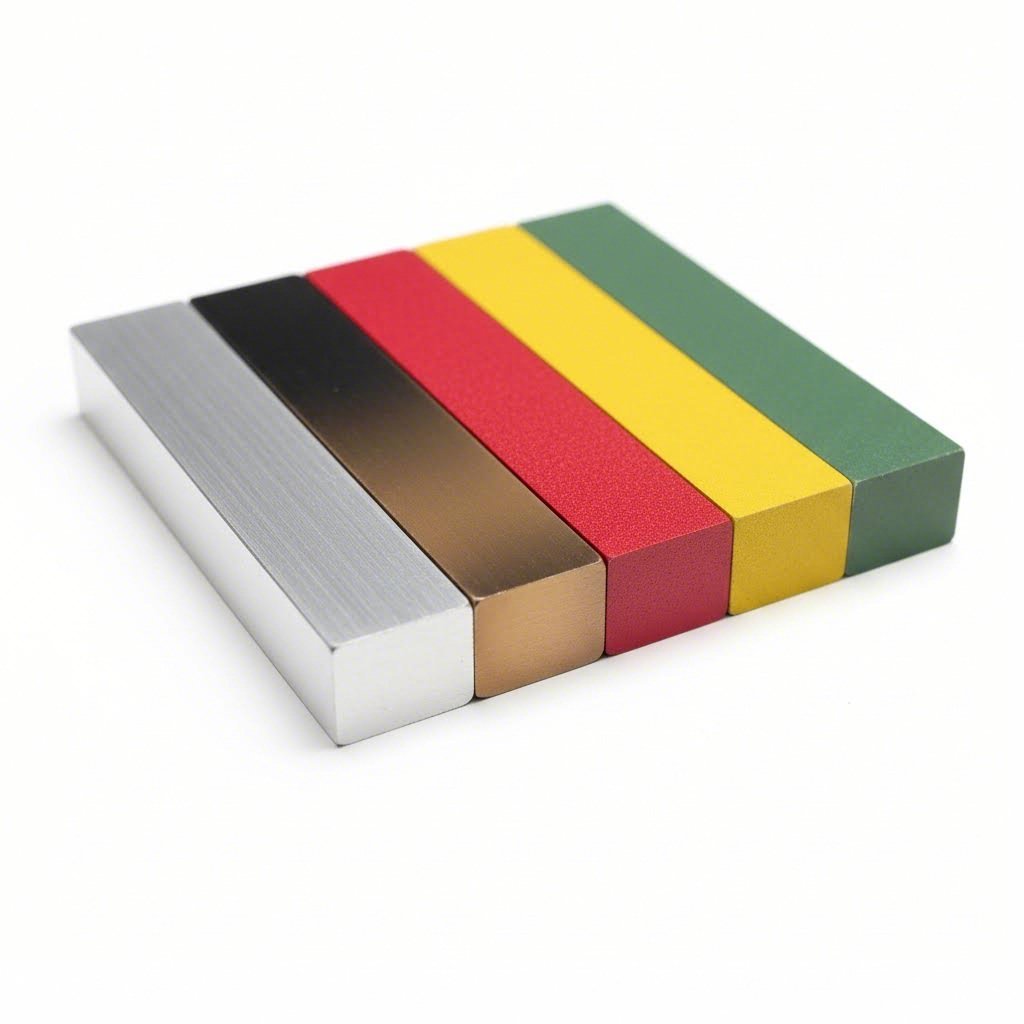
You've selected the right profile geometry and verified the specifications—but what happens when that aluminum meets the real world? Raw extrusions straight from the press won't survive harsh environments or meet aesthetic standards for visible applications. Surface treatments transform functional profiles into finished products that resist corrosion, handle abuse, and look professional for years. Let's explore your aluminum surface finish options and when each makes sense.
Unlike paints that sit on top of aluminum, anodizing actually becomes part of the metal itself. An electrochemical process stimulates the naturally-occurring oxide layer to grow thicker and denser—creating protection that can't peel or flake because it's integral to the surface. According to finishing industry research, this makes anodized aluminum angle profiles exceptionally durable for high-traffic areas where coatings face physical abuse and abrasive cleaning.
The process works by immersing aluminum profiles in an acid electrolyte bath while passing electrical current through the solution. This creates a controlled oxidation that builds a hard, porous oxide layer. The resulting coating thickness—typically measured in mils—directly determines longevity. Class I anodizing at 0.7 mils lasts roughly twice as long as Class II at 0.4 mils in equivalent conditions.
Anodizing provides a deeper, richer metallic appearance than organic coatings because the finish is translucent—you can see the base metal underneath, creating visual depth impossible to achieve with paint.
Color options extend beyond natural clear finishes. The porous structure of freshly anodized aluminum readily accepts dyes before sealing, enabling blacks, bronzes, and custom colors. However, the color palette remains more limited than powder coating options. For architectural applications where that distinctive metallic depth matters, anodized finishes deliver aesthetics that painted alternatives simply cannot match.
Here's what makes anodizing particularly attractive for structural applications:
The primary limitation? Chemical resistance. Acidic pollutants in urban environments can eventually erode anodized surfaces—though proper maintenance significantly extends service life. Coastal environments with salt exposure demand thicker coatings or alternative finishes entirely.
When unlimited color selection or specific performance characteristics matter most, powder coated aluminum extrusion finishes deliver. The process applies electrostatically charged dry powder to grounded aluminum parts, then bakes them at 160-200°C to melt and cure the coating into a uniform film. According to powder coating research, properly applied finishes last 5-30 years depending on formulation and environmental exposure.
Powder coating types vary significantly in performance characteristics:
The environmental advantages of powder coating deserve mention. No solvents means no volatile organic compound emissions during application—making compliance with air quality regulations straightforward. Overspray can be collected and reused, reducing waste compared to liquid painting operations.
For extreme outdoor exposure, PVDF coatings represent the gold standard. These polyvinylidene fluoride formulations—available from manufacturers like PPG, Sherwin Williams, and Akzo Nobel—provide the highest resistance to UV degradation, chemical attack, and color fading. According to coating selection research, PVDF has dominated curtainwall and metal roofing markets precisely because of this weather resistance combined with virtually unlimited color availability.
Coating thickness matters significantly for powder applications. Standard finishes require minimum 60 micrometers for adequate protection, with fluorocarbon coatings typically applied at 60-100 micrometers. Too thin and protection fails prematurely; too thick and orange peel texture or cracking can occur—particularly in high-wear areas.
Matching surface treatment to operating environment prevents premature failure and unnecessary expense. Consider these guidelines when specifying aluminum surface finish options:
One often-overlooked consideration: surface preparation quality determines coating longevity regardless of finish type. Proper cleaning, degreasing, and pretreatment create the adhesion foundation that prevents peeling and blistering. Skipping these steps—or performing them inadequately—undermines even premium coating systems.
For projects requiring precision double angle extrusions with demanding finish requirements, working with manufacturers offering comprehensive processing capabilities simplifies procurement. Suppliers like Shengxin Aluminium provide end-to-end services from extrusion through surface treatment—including anodizing in custom colors, powder coating, and PVDF application—ensuring consistent quality control across the entire production chain. This integrated approach eliminates the coordination challenges and quality variations that occur when extrusion and finishing happen at separate facilities.
With the right finish protecting your profiles, the next challenge becomes working with the material effectively—cutting, drilling, and fabricating without compromising that carefully selected surface treatment.
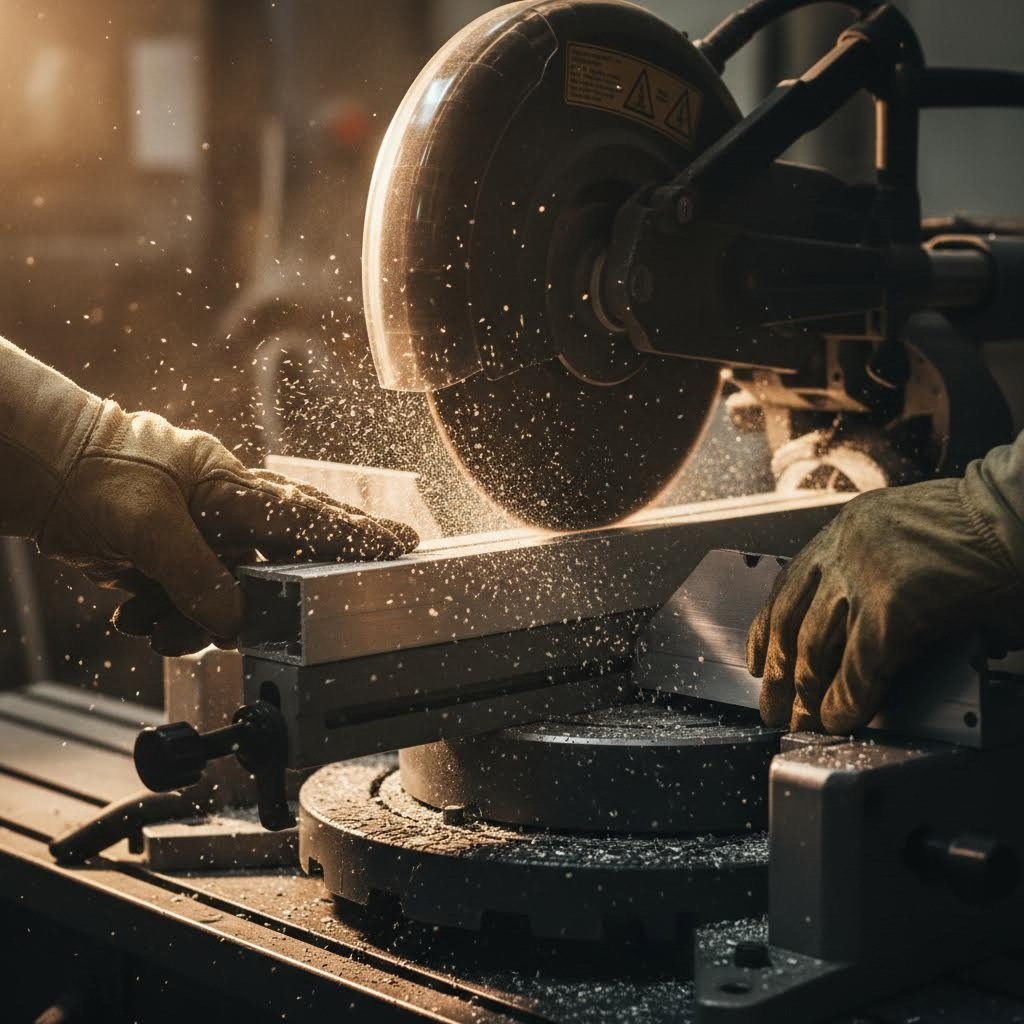
You've specified the perfect profile with the ideal finish—now comes the hands-on work. Surprisingly, most suppliers assume you already know how to cut, drill, and assemble aluminum extrusions correctly. That assumption leads to cracked profiles, ruined finishes, and frustrating rework. Whether you're a professional fabricator or tackling your first aluminum project, these aluminum fabrication tips will save you time, money, and headaches.
Cutting aluminum extrusions seems straightforward until you end up with burrs, rough edges, or profiles that won't fit together properly. The material's softness actually creates challenges—aluminum tends to gum up cutting tools and grab drill bits if you approach it like steel.
For clean cuts every time, follow this sequence:
Drilling aluminum angle profiles requires equally careful attention. According to drilling research, a drill press provides the stability and consistency that handheld drills simply cannot match—especially for multiple holes requiring precise alignment.
The recommended speed range for drilling aluminum is 2,000-3,000 RPM for smaller bits (around 1/4 inch diameter), with slower speeds for larger diameters. Here's the critical point most guides miss: aluminum requires higher speeds than steel but lower pressure. Let the bit do the work with steady, moderate feed pressure rather than forcing it through.
High-speed steel (HSS) or carbide drill bits are ideal for aluminum due to their durability and sharpness when cutting through soft metals. Dull bits cause poor-quality holes and can crack thin-wall sections.
For burr-free holes, consider using pilot drills or step drills that gradually enlarge the opening. Always apply lubricant like WD-40 to reduce friction and heat buildup during drilling—this extends bit life and produces cleaner results.
How you connect double angle extrusions determines whether your assembly performs reliably or fails prematurely. According to joining research, choosing the most cost-effective and efficient joining method depends on whether you need permanent, semi-permanent, or adjustable connections.
For bolted connections—the most common approach for adjustable assemblies:
Riveted connections work exceptionally well for road case construction and permanent assemblies where disassembly isn't anticipated. The double angle geometry actually favors riveting since both legs provide accessible mounting surfaces without awkward angles.
For structural applications requiring maximum strength, welding creates permanent joints that outperform mechanical fasteners. Use 4043 filler rod for 6063 alloy or 5356 for 6061—matching filler to base metal chemistry prevents cracking and ensures proper strength development.
Experience teaches through failure, but learning from others' mistakes is far less expensive. According to fabrication industry research, these problems appear repeatedly across projects of all scales:
Improper support during cutting: The single most common amateur mistake. When one side of a cut lacks support, the profile deflects as the blade passes through—creating a curved or angled cut face that prevents proper assembly. Always support both sides of the cut line, as close to the blade as safely possible.
Using incorrect drill speeds: Too slow and the bit grabs, potentially cracking thin walls or spinning the workpiece dangerously. Too fast and heat builds up, softening the aluminum and creating oversized holes. The 2,000-3,000 RPM range for standard bits provides the sweet spot for most double angle profiles.
Skipping lubrication: Dry cutting and drilling generate heat that degrades tool life and surface quality. Cutting lubricant costs pennies per application—skipping it costs dollars in ruined blades and scrapped parts.
Inadequate workpiece clamping: Aluminum's low density means profiles move easily when cutting forces engage. According to drilling best practices, securing the extrusion in a vise or clamping it firmly to the work surface prevents misaligned holes and dangerous workpiece movement.
Ignoring bending limitations: While aluminum bends more readily than steel, double angle profiles resist cold bending due to their geometry. The perpendicular legs create stress concentrations at the corner during bending attempts—frequently resulting in cracking rather than smooth curves. For bent shapes, specify custom extrusion dies rather than attempting to form standard profiles.
Damaging surface finishes: Anodized and powder-coated profiles scratch easily during fabrication. Protect finished surfaces with masking tape during cutting operations, and use soft-jaw vise inserts when clamping. Repairing damaged finishes after assembly is difficult and rarely matches the original appearance.
Tolerance stack-up errors: When assembling multiple profiles, small dimensional variations accumulate. A few thousandths per joint becomes meaningful across a large frame. Measure actual profile dimensions rather than assuming catalog values, and account for cumulative tolerance in your design.
Mastering these fabrication techniques transforms raw extrusions into functional assemblies—but the quality of your source material ultimately determines what's achievable. Selecting the right supplier completes the picture.
You've mastered the specifications, understood the structural principles, and learned proper fabrication techniques—but where do you actually source quality aluminum profiles? This final piece of the puzzle often determines project success more than any technical factor. A perfectly designed assembly fails if the extrusions arrive with dimensional issues, inconsistent temper, or surface defects that weren't apparent until installation. Let's walk through the verification process that separates reliable suppliers from those who deliver headaches.
Before placing any order for double angle aluminum extrusions, you need documentation that confirms what you're actually receiving matches what you specified. According to quality control research from precision extrusion manufacturers, comprehensive quality management spans the entire manufacturing process—from billet selection through final inspection. Suppliers cutting corners at any stage produce profiles that look acceptable but underperform in critical applications.
Here's your pre-order verification checklist:
One specification often overlooked: straightness and twist tolerances. Profiles may meet cross-sectional dimensions perfectly while exhibiting bowing or rotation along their length that makes assembly impossible. Standard tolerances allow 0.0125 inches per foot of straightness deviation—acceptable for most applications but problematic for precision framing over long spans.
The difference between a vendor and a partner becomes apparent when problems arise—and in manufacturing, problems always arise eventually. According to supplier selection research, top-tier aluminum extrusion suppliers offer engineering collaboration, quality assurance, and integrated production capabilities that align with your business goals—not just commodity profiles at the lowest price.
What separates quality aluminum profiles suppliers from commodity sources? Evaluate these capabilities:
Industry experience matters significantly when evaluating potential suppliers. A manufacturer specializing in architectural extrusions understands curtain wall specifications and anodizing standards—but may lack familiarity with road case construction requirements or industrial equipment tolerances. Look for evidence of long-term partnerships with clients in your industry, a robust project portfolio, and technical familiarity with your specific application type.
Here's what the aluminum extrusion ordering guide typically leaves out: coordinating between separate extrusion, machining, and finishing vendors creates quality control gaps that single-source suppliers eliminate. Every handoff introduces opportunities for damage, miscommunication, and tolerance variations.
Consider a typical custom double angle project requiring precision dimensions, CNC-machined mounting holes, and powder-coated finish. With fragmented sourcing, profiles travel from extruder to machine shop to coating facility—accumulating handling damage, lead time delays, and finger-pointing when problems emerge. With integrated capabilities, the same profiles flow through controlled processes under unified quality management.
For projects demanding precision double angle extrusions, manufacturers like Shengxin Aluminium demonstrate this integrated approach. Their facility houses 35 extrusion presses ranging from 600T to 5500T—enabling production of everything from intricate architectural profiles to heavy structural sections. State-of-the-art CNC machining centers handle precise cutting, drilling, and bending to exact specifications, while comprehensive surface treatment options (anodizing in custom colors, powder coating, PVDF, and micro-arc oxidation) complete profiles without quality-risking facility transfers.
The practical benefit? Technical teams providing end-to-end support from die development through mass production can optimize designs for manufacturability while meeting your dimensional and aesthetic requirements. This collaborative approach catches potential problems during engineering rather than discovering them during assembly—when fixes become expensive and deadlines get missed.
Before committing to any supplier, request physical samples to validate extrusion precision, surface finish consistency, and material quality. As recommended by supplier evaluation research, ask for quality certificates, production documentation, or facility tours to verify claims. The investment in proper supplier qualification pays dividends across every project that follows—turning aluminum extrusion sourcing from a recurring headache into a reliable competitive advantage.
Double angle extrusions feature two perpendicular legs with channels on both sides, allowing panels to slot directly into the profile from multiple directions. This symmetrical design distributes stress more evenly, providing over 30% higher load-bearing capacity compared to single angle profiles of equivalent material thickness. Single angles are simpler and cost 15-25% less, but only offer attachment from one direction. Choose double angles for road cases, structural corners, and applications requiring multi-directional load resistance.
Double angle aluminum extrusions come in equal and unequal leg configurations ranging from 1/2-inch compact profiles to 8-inch heavy-duty structural members. Wall thicknesses span from 1/16 inch for lightweight architectural applications up to 3/4 inch for demanding structural work. Common sizes include 1x1x1/8 inch, 2x2x1/4 inch, and 3x3x3/8 inch equal leg profiles. Standard lengths are typically 20 feet for architectural profiles and 25 feet for structural grades, with custom lengths available on mill orders.
6063 aluminum alloy is most common for double angle extrusions due to excellent extrusion flow characteristics and superior surface finish. In T5 or T6 temper, it delivers tensile strength of at least 205 MPa. For applications demanding higher mechanical performance like structural frameworks, 6061-T6 alloy provides tensile strength of at least 290 MPa and yield strength of at least 240 MPa. The 6063 alloy also anodizes exceptionally well, producing uniform coloring for architectural applications.
Double angle extrusions serve three major application categories: road case construction where the dual-channel design allows panels to slot directly into grooves for superior corner protection; structural framing for machine frames, workstations, and protective enclosures where symmetrical load distribution provides stability; and industrial equipment integration for mounting, protective edging, and panel integration. The profile's ability to accept fasteners from multiple angles simplifies installation across all these applications.
Match surface treatment to your operating environment. For indoor applications, mill finish or standard anodizing works well. Moderate outdoor exposure requires Class I anodizing or polyester TGIC powder coating for 10+ year service life. Harsh outdoor conditions, coastal environments, or chemical exposure demand PVDF coatings or fluoropolymer powders. Anodizing provides superior scratch resistance and UV stability, while powder coating offers unlimited color selection. Manufacturers like Shengxin Aluminium offer comprehensive finishing options including anodizing in custom colors, powder coating, PVDF, and micro-arc oxidation.



 dịch vụ trực tuyến
 0086 136 3563 2360
 sales@sxalu.com
 +86 136 3563 2360
 Việt
Việt English
 français
 Deutsch
 русский
 español
 português
 العربية
 ไทย
ไทย Українська