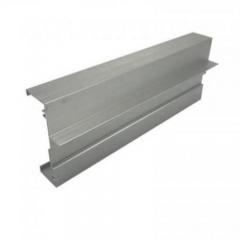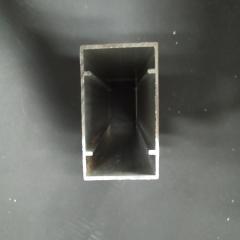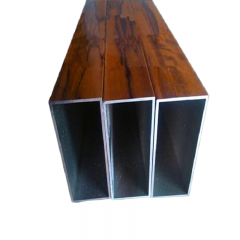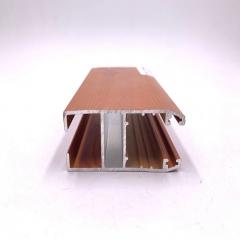

Have you ever collected five quotes for the same profile and found that no two of them priced quite the same part? That usually happens when the evaluation starts with suppliers instead of with your own specification. The most reliable way to judge aluminum extrusion companies is a staged funnel: define requirements, choose a sourcing model, prequalify, assess capability, issue the RFQ, compare total cost, audit, run a trial, award, and monitor. This guide is a vendor-neutral, buyer-side framework for OEMs, product engineers, architectural fabricators, and procurement teams who need more than a price per kilogram to make a confident decision.
A flat checklist treats certifications, tolerances, and freight as equally important and asks you to check everything at once. A funnel works differently. It removes weak fits early, so your engineering time goes only to serious candidates. Procurement guidance from ASCM makes the same point: supplier selection can no longer rest on price alone, and you need to define what you are trying to achieve before you scan the market. Here is the full process this guide follows:
Your baseline is a written document that every supplier is measured against. Imagine sending the exact same package to each candidate. Any difference in their responses then reflects the supplier, not a vague brief. Include:
Next, tag every line of the baseline as a must-have or a nice-to-have. Must-haves are knockout criteria. If a supplier cannot meet one, it leaves the process, no matter how attractive the quote looks. Typical examples include IATF 16949 certification for automotive programs or proven color consistency on finish-critical architectural surfaces. Nice-to-haves, such as in-house machining or a regional warehouse, earn extra points later but never override a knockout.
Why bother? Without this split, a low price can quietly pull an unqualified supplier onto your shortlist. You will notice the difference later, when an attractive quote turns out to exclude the certification or finish your program cannot do without.
A finished baseline often answers a question many buyers skip entirely. If your profile matches a standard catalog shape, you may not need a custom extruder at all. If it needs its own die, finishing, and machining, you are really looking for an aluminum extrusion production partner, and that changes who belongs on your list.
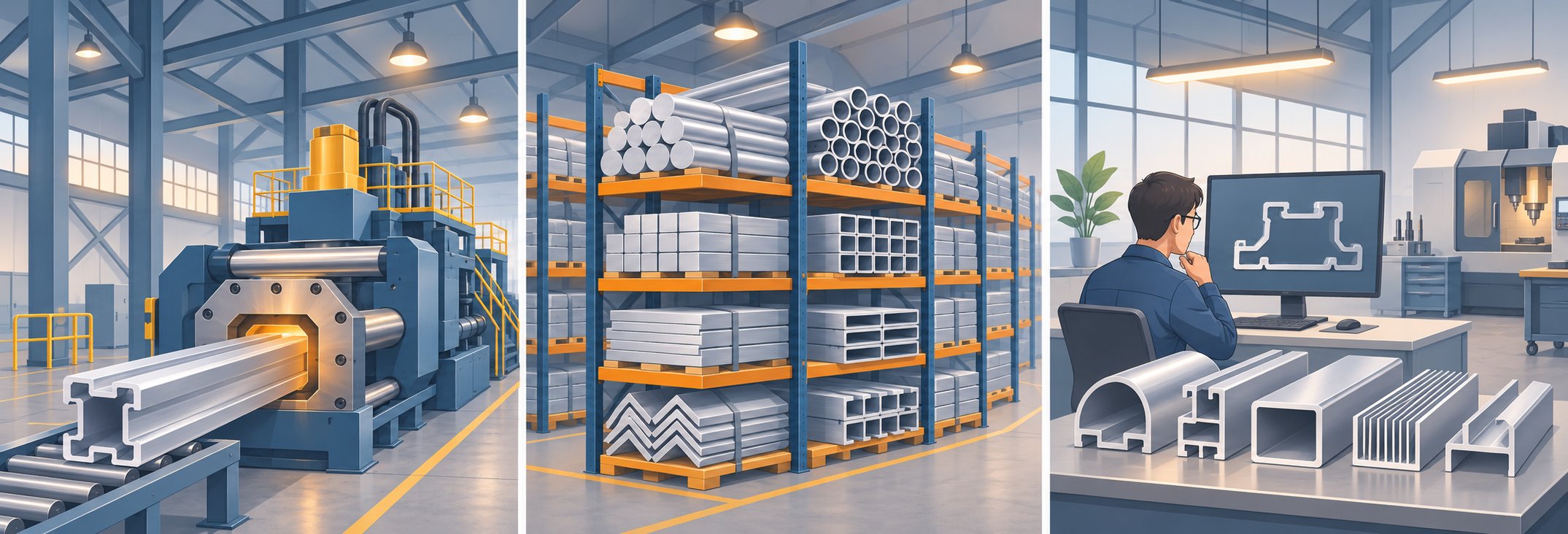
Before you search for a single extrusion company, ask a simpler question: who should actually make this profile? You have three routes. You can run your own extrusion line, buy stock shapes from a distributor, or outsource custom profiles to an extruder. Each route changes who belongs on your supplier list, so it pays to settle this before you start screening names.
Owning an aluminium extrusion machine sounds like total control. In practice, the press is only the beginning. You also need:
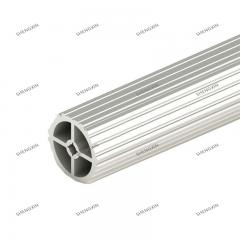
That is a major capital decision, and it only pays off when your volume keeps the line busy. This is why most OEMs outsource. A custom extruder spreads those fixed costs across many customers, and your die becomes part of a project instead of equipment you have to run. Shengxin Aluminium's custom aluminum extrusion services illustrate what this integrated model looks like: drawing review, alloy selection, die development, extrusion, machining, and finishing run in one profile manufacturing workflow. Typical applications include automation equipment, machine frames, heat sinks, solar mounting systems, and window and curtain wall components, with 6061, 6063, and 6005A as common alloys.
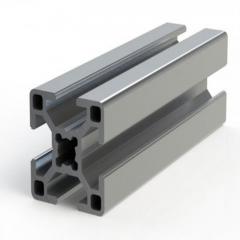
Distributors fit standard angles, channels, tubes, and T-slot sections. You buy by the stick or bundle, pay no die cost, and often get material quickly when it is in stock. Wondering where to buy aluminium extrusion profiles for a prototype or short run? A distributor is usually the fastest answer. The limit is simple, though. Distributors sell shapes someone else designed. Once your drawing needs its own cross-section, you need an extruder.
| Sourcing Model | Best For | Tooling | Customization | Secondary Operations | Key Trade-offs |
|---|---|---|---|---|---|
| Outsourced integrated custom extruder (e.g., Shengxin Aluminium) | Custom OEM and architectural profiles at repeat volumes | Custom die developed inside the project workflow | Cross-section built around your drawing | Machining and finishing coordinated by one supplier | Needs active supplier oversight; die build adds lead time; MOQs vary and require project review |
| Stock-profile distributor | Prototypes, low volumes, standard shapes | None | Limited to catalog shapes and cut lengths | Often cutting only; some offer drilling | Section designed for someone else; added machining is paid on every part; availability depends on inventory |
| In-house extrusion line | Very high, steady volume with strategic control needs | Own die shop or purchased dies | Full | Must build or contract finishing and machining | Heavy capital, staffing, billet supply, and utilization risk |
Minimums deserve an early question. Profile Precision Extrusions notes that many mills set a minimum of 500 or 1,000 pounds per run, while some quote each project individually. Two custom aluminum extrusion companies with similar capabilities can still differ sharply on this point.
Picking a model narrows the field to a category, but a category is not a shortlist. The real work starts when you have to decide which named extruders are worth your engineering team's time.
Search for an aluminum extrusion supplier online and you will find hundreds of results, many claiming to be a top choice. So where do you start? This step has a narrow goal. Turn that noise into a shortlist of three to six extrusion manufacturers that deserve a full technical review. Everyone else gets screened out early and cheaply, before your team spends hours on drawings and quote comparisons.
Cast a wide net first, then filter hard. Useful sources include:
One caution here. Most ranking articles that list the top extruders are written by suppliers themselves. Treat them as leads, not verdicts.
Certifications are fast filters because they map directly to the must-haves you flagged in Step 1. Match the requirement to your industry:
| Industry | Certification | What It Signals |
|---|---|---|
| General manufacturing | ISO 9001 | A documented quality management system with third-party audits |
| Automotive | IATF 16949 | Automotive-specific quality requirements, including defect prevention and supply chain controls |
| Aerospace | AS9100 | Aerospace quality requirements, with added emphasis on traceability, risk, and configuration control |
| Environmental | ISO 14001 | A certified environmental management system |
| Architectural finishes | Qualicoat; AAMA 2603/2604/2605 | Coatings tested against defined durability, adhesion, and weathering requirements |
Coating standards need a closer look. Qualicoat licenses approved coating applicators and inspects them regularly. The AAMA 260x series, by contrast, consists of coating performance specifications. As Sundial Powder Coating explains, the main difference between AAMA 2603, 2604, and 2605 is the length of South Florida weathering exposure: one, five, and ten years. So if a supplier says its finish meets AAMA 2605, ask for test evidence on the actual coating system.
A logo on a website proves nothing. A certificate you have checked proves quite a lot. Use this sequence:
Send each candidate a short questionnaire before any RFQ. Every answer should be a clear pass or fail:
Imagine an aluminium extrusion company that hesitates on that last question. You have learned something important without spending a dollar on samples.
Still, passing these knockouts only tells you that a supplier can make extrusions. Whether this aluminum extrusions manufacturer can hold your thin walls, your hollow sections, and your critical tolerances is a deeper question, and it takes a sharper set of tools to answer.
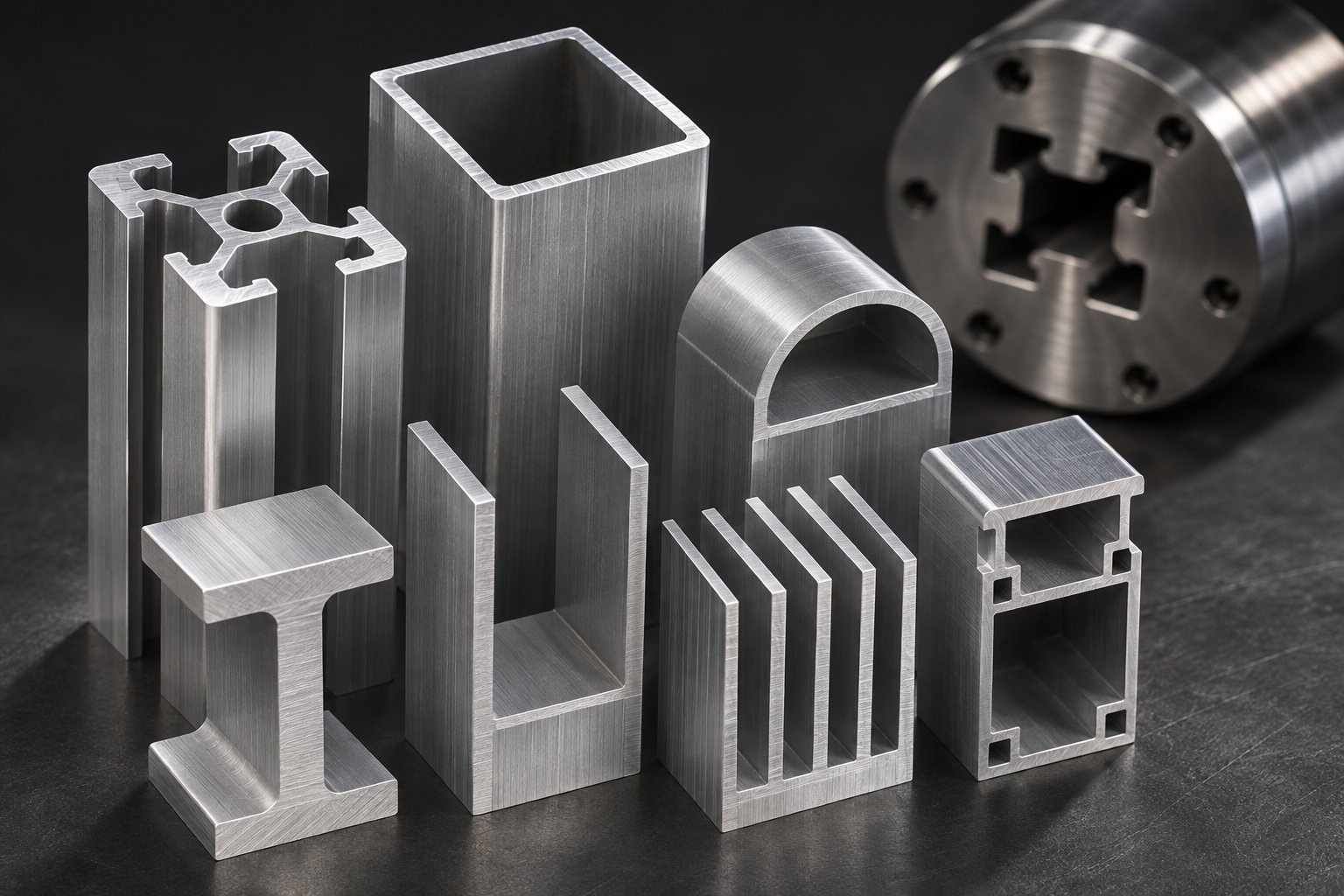
A supplier that passes your knockout questions has proven it can extrude aluminum. It has not yet proven it can extrude your part. In this step, test every criterion the same way: what it is, why it matters, what to ask, what evidence to request, and what a good answer looks like. The approach works the same whether you are vetting an Anaheim extrusion company a short drive away or a mill on another continent.
Every alloy is a trade-off among strength, corrosion resistance, machinability, weldability, formability, and anodizing response. 6063 is often chosen for surface finish, 6061 for strength and machining, and 6005A or 6082 for structural work. Temper matters just as much. In plain terms, T5 is cooled from the extrusion process and artificially aged, while T6 is solution heat-treated and then artificially aged. The real risk is a supplier that runs your alloy only occasionally, because its press settings, aging cycles, and die experience are tuned for something else.
The circumscribing circle is the smallest circle that fully encloses your cross-section. It is the fastest way to check whether a profile physically fits a supplier's presses. EN 755-9, for example, covers profiles that fit inside a circle of up to 800 mm, about 31.5 in, as Bor USA points out. Fit is only half the story, though. Shape class drives difficulty and die cost:
Thin walls add another layer. Achievable wall thickness depends on alloy, shape, press power and speed, surface treatment, and tolerances, and uniform walls extrude and cool more predictably.
Both tolerance systems offer a standard level and a closer one. The Aluminum Association tables behind ANSI H35.2 include both industry standard and precision tolerances. On the European side, EN 12020-2 is the precision counterpart to EN 755-9, but it names only 6060 and 6063, so a 6061 or 6082 profile falls under EN 755-9. Both systems also separate metal dimensions, measured across material such as a wall, from space dimensions, where more than 25% of the dimension is open space, such as a slot opening.
Unlike aluminum extrusion distributors, which resell finished shapes, an extruder can own anything from a single press to the whole value stream. Industry analysis in Light Metal Age notes that integration can reduce product variation, since an extruder that controls alloy and heat treatment can optimize downstream machining. It also warns that fabrication requires distinct expertise, capital, and quality control. Map who does what:
| Capability | In-House or Outsourced | Why It Matters |
|---|---|---|
| Die design and die shop | In-house helps for complex hollows; if outsourced, ask who handles die corrections | Die trials and corrections set your launch timeline |
| Billet sourcing or casting | Either; confirm alloy sources and traceability | Billet chemistry drives mechanical properties and finish response |
| Aging | Should be in-house | Aging controls the final temper and strength |
| Anodizing | Either; ask for the finisher's name if outsourced | Alloy and anodizing must be matched for consistent appearance |
| Powder coating | Either; check coating certifications | Coating thickness can affect dimensions and fit |
| CNC machining | Either; ask about fixturing for long parts | Twist, bow, and straightness affect machining accuracy |
| Fabrication | Either; confirm bending, welding, or assembly scope | Each process needs its own expertise and inspection |
| Packaging | Usually in-house | Poor packaging damages finished surfaces in transit |
Outsourcing is not automatically a red flag. A small extrusion co with a well-managed finishing partner can outperform a large plant with an overloaded in-house line. Still, each handoff adds transport, scheduling, and another quality system you must trust, which means more lead time and more risk. So ask one pointed question: when a defect appears after finishing, who owns the fix?
Every handoff between processes adds lead time and another point where quality can slip.
Even a strong capability review runs on the supplier's own words and hand-picked examples. To see how each candidate actually thinks about your part, you need to give every one of them the same complete package and compare what comes back.
When you send three suppliers three slightly different emails, you get three answers you cannot compare. One quotes mill finish, another assumes anodizing, and a third guesses at the cut length. A complete request for quotation fixes that. Identical inputs make quotes comparable, and they reveal something just as useful: which suppliers read your package critically and which simply attach a price to it.
Think of the RFQ as your first real test of the working relationship. It is also where your Step 1 baseline becomes a formal document that every shortlisted candidate must answer on equal terms.
The sourcing guide from CharMax Aluminum sums up the payoff: complete RFQs get faster, more accurate, and directly comparable quotes, while incomplete ones trigger rounds of questions. Send every candidate the same package:
Is your design sensitive? Ask for a non-disclosure agreement before you send files. Reputable suppliers treat drawings as confidential either way.
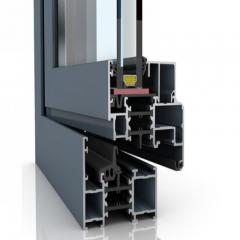
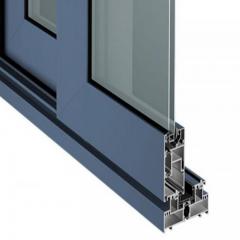
Architectural profiles are judged by how they look for years, not just how they fit. Add these points to the package:
Here is where the RFQ earns its keep. Many aluminium extrusion companies return a design-for-manufacturability (DFM) review alongside the price. A capable industrial aluminum extrusion supplier rarely quotes a complex profile without comment. Typical suggestions include:
Comments like these show real engineering depth. Treat a silent quote-as-drawn response with caution. Your drawing may be flawless, but more often nobody looked closely, and the problems surface at die trial, when a fix costs a new die instead of a quick redraw. Try asking directly: what would you change to make this profile easier to extrude? A blank answer tells you a lot.
The quality of an RFQ response is the best preview you will get of the production relationship.
Even with identical inputs, though, the quotes rarely come back in identical shape. One extrusion manufacturer folds die cost into the unit price, another lists it separately, and a third ties the metal to a monthly index. Suddenly, the lowest number on the page may not be the lowest cost at all.
Imagine the aluminum market drops and you expect your extrusion price to fall by the same percentage. It barely moves. Is the supplier pocketing the difference? Usually not. As Kimsen Global explains, the exchange price is only one layer in a much larger cost stack. Comparing aluminum extrusion vendors fairly means unpacking that stack first, then adding the costs that never show up on an invoice.
Most quotes start with metal. That cost is typically tied to the LME aluminum price plus a regional physical premium, such as the US Midwest or European duty-paid premium. On top of that sit billet conversion and alloy cost, the extrusion conversion premium, finishing, machining, inspection, packaging, and freight. Premiums can rise even while the LME falls, so the metal line alone rarely tells the whole story.
Suppliers also package these layers differently. One may fold the premium and billet conversion into a single surcharge. Another may quote a flat price per kilogram that hides the metal reference entirely. Ask every candidate to break out each component and to state exactly how metal adjustments work: which LME price (cash or three-month), which date or averaging period, and how often prices are reset.
A die charge looks like a one-line item. The terms around it often matter more than the number itself:
Procurement advisors at Inside Consulting observe that teams running their first TCO analysis routinely find their lowest-price supplier is not their lowest-cost supplier. Your estimates do not need to be precise. A directionally correct figure beats leaving a cost out entirely. Score each quote against the same rows:
| Cost Element | What to Ask | Hidden Cost Risk | Evidence to Request |
|---|---|---|---|
| Unit price | Which metal index, premium, and conversion costs are included? | Metal adjustments erase an apparent price advantage | Itemized price breakdown and written adjustment formula |
| Tooling | What is the die charge, who owns it, and who replaces it? | Die cost buried in unit price; surprise replacement charges | Written tooling agreement |
| MOQ and volume breaks | What is the minimum per run, alloy, and finish color? | Buying excess stock just to meet minimums | Price table by release quantity |
| Scrap and yield allowances | How is yield calculated, and what weight are you billed on? | Paying for billet ends, butts, saw cuts, and setup scrap | Stated yield assumptions and weight basis |
| Lead time and inventory carrying | What is the quoted lead time, and how often is it met? | Long or unreliable lead times force extra safety stock | On-time delivery records |
| Quality failure risk | What is the reject rate, and how are defects handled? | Incoming inspection, rework, and line stoppages | Defect history and sample inspection reports |
| Freight and duties | Which Incoterms, product classification, and country of origin apply? | Landed cost wipes out factory-price savings | Landed cost estimate and origin documentation |
| Secondary operations | Which machining and finishing steps are in-house, and where? | Extra freight, handling, and inspection at each handoff | Process routing showing every operation and location |
Weight the rows to fit your project. Among aluminum window extrusions suppliers, finishing and protective packaging can drive a large share of the total, since cosmetic surfaces need more care in transit. For an OEM industrial aluminum extrusion factory serving regulated programs, documentation such as first article reports and capability studies adds real cost, so define your critical characteristics instead of asking for full reports on every dimension.
Most of these rows can be filled in straight from a well-structured quote. The quality failure row is different. A low reject rate is only a promise until you have seen the certificates, inspection data, and shop floor behind it.

A supplier tells you its reject rate is low and its tolerances are tight. How would you actually know? Published standards give you a way to check. ASTM B221 covers extruded aluminum bars, rods, wire, profiles, and tubes. The EN 755 series splits the same job into parts: EN 755-1 sets technical conditions for inspection and delivery, EN 755-2 covers mechanical properties, and EN 755-9 covers profile tolerances. Profile Precision Extrusions describes standards such as ASTM B221 and AMS-QQ-A-200/8 as the backbone of process consistency and traceability. Your job is to turn them into two things: acceptance criteria written into your purchase order, and checkpoints you verify before you award.
Ask every shortlisted candidate for the same evidence package. Real documents from recent orders, with customer names redacted, tell you far more than a quality manual does.
The Production Part Approval Process (PPAP) shows that a supplier understands every requirement for a part and that its process makes the part consistently at the quoted rate. As FactoryQA explains, the AIAG PPAP manual (4th edition) defines 18 elements and five submission levels:
Here is a detail buyers often miss. The supplier completes every applicable element at every level. The level only changes what gets sent to you. If an open item such as a capability study is still in progress, you can grant interim approval for a limited time or quantity.
PPAP is the output of Advanced Product Quality Planning (APQP), which runs in five phases: plan and define the program, product design and development, process design and development, product and process validation, and feedback, assessment, and corrective action. Require APQP and PPAP for automotive programs and safety-critical parts. Aerospace buyers use AS9145, which pairs similar requirements with AS9102 first article inspection. For a general industrial bracket, a full Level 3 package may be overkill, and an FAI plus material certificates often does the job.
Documents show what a supplier says it does. An audit shows what it really does. Use this aluminum extrusion supplier audit checklist in person or over a live video walk-through:
That last test is revealing. The best aluminum extrusion partner for complex designs is rarely the one with the most polished plant tour. It is the one that can complete the mock trace in minutes rather than days. Virtual audits are useful for screening, but ask for live screen sharing of real records rather than prepared slides, and plan an in-person visit before a high-stakes award.
The debate over domestic vs overseas extrusion manufacturers often turns into a verdict. Treat it as a set of criteria you score instead. Domestic here simply means located in your own market.
| Criterion | Domestic Supplier | Overseas Supplier | What to Verify |
|---|---|---|---|
| Lead time | Usually shorter transit, faster response to schedule changes | Ocean transit and customs clearance add time | Door-to-door lead time, not just ex-works production time |
| Logistics | Truck delivery, smaller and more frequent releases are practical | Container planning, consolidation, and more handling | Packaging rated for the actual transport route |
| Oversight and communication | Same or similar time zone, easier site visits | Time zone gaps; language and documentation conventions can differ | A named engineering contact and response times during the RFQ |
| Cost structure | Often higher labor and conversion costs | Often lower conversion costs, offset by freight and inventory | Landed cost from your Step 6 TCO table |
| Duties and tariff exposure | Little or no import duty exposure | Duties depend on product classification and country of origin, and can change | Current duty status confirmed with a customs broker |
| Audit access | Simple to audit in person, including unannounced visits | Travel cost; may rely on virtual audits or third-party inspectors | Willingness to allow on-site audits and pre-shipment inspection |
Duty exposure deserves its own check, because it can outweigh every other cost row. For example, the US antidumping order on aluminum extrusions from China remains in force, and Commerce's latest administrative review kept the China-wide entity rate at 86.01 percent for exporters without a separate rate. Rates, rulings, and origin rules change, so confirm the status of each specific supplier before you compare quotes.
A certificate on file proves a system exists; a mock trace on the shop floor proves it works.
By the end of this step, you will likely hold a thick folder on each finalist, and no two will be strong in the same places. One audits beautifully but quotes long lead times. Another wins on landed cost but needs closer oversight. Weighing those trade-offs consistently, and then confirming them with real parts in your own assembly, calls for something more structured than a gut feeling.
Two finalists, two thick folders, and a team split down the middle. Sound familiar? Engineering prefers the supplier with the sharp DFM feedback. Purchasing prefers the one with the lower landed cost. If you are wondering how to choose an aluminum extrusion supplier when the evidence points in different directions, the answer is a weighted scorecard built on criteria everyone agreed on in advance. A trial order then checks the winner against real parts.
A scorecard replaces anecdotal impressions with consistent, measurable criteria, which is how SourceDay frames its purpose. For a selection decision, six criteria capture what the earlier steps uncovered:
Set the weights before you open any quote, so a low price cannot reshape the criteria after the fact. Score each criterion on a simple scale, such as 1 to 5, with a written definition of what earns each score. Multiply by the weight and add. Keep the list short, since too many metrics make a scorecard hard to maintain. Your Step 1 must-haves stay outside the math: a supplier that fails a knockout is out, whatever its total.
Weights should follow the project, not a generic template. Here is how emphasis typically shifts:
| Criterion | High-Volume Automotive | Low-Volume Custom | Architectural Finish-Critical |
|---|---|---|---|
| Quality system and PPAP readiness | Highest | Moderate | Moderate |
| Capacity and lead time reliability | Higher | Lower | Moderate |
| DFM and engineering support | Moderate | Highest | Moderate |
| Flexibility and MOQ | Lower | Higher | Moderate |
| Finish quality and coating certifications | Lower | Moderate | Highest |
| Color consistency across releases | Lower | Lower | Higher |
| Total cost | Higher, since small unit savings compound at volume | Moderate, since tooling and minimums often outweigh unit price | Moderate |
Imagine a low-volume machine frame program. Minimums vary widely: Profile Precision Extrusions notes that some extruders have no minimum order while others require 5,000 pounds. A flexible supplier with real DFM notes can easily outscore a cheaper mill whose minimum would leave you with a year of excess stock.
A scorecard ranks promises. An aluminum extrusion first article inspection tests them. First article inspection is a formal, documented check that an initial production part conforms to the drawing, specifications, and material and process requirements, as JLCCNC explains. One condition matters most: the first article must come from the intended production die, press, aging cycle, and finishing route, not a special one-off setup. Review four areas:
If a characteristic fails, it should be documented and corrected through the supplier's nonconformance process, by a partial or full re-inspection of the affected characteristics. Watch how the supplier handles that moment. It previews how they will handle problems in production.
A weighted scorecard tells you who should win; a first article in your own assembly tells you whether they can.
Still, a passed first article proves the supplier made the part correctly once. Whether the fiftieth release matches the first depends on what gets written into the contract at award and on what you keep measuring long after the trial parts are installed.

The scorecard picked a winner, and the first article passed in your own assembly. This is the moment many buyers rush, and it is where hard-won evidence can quietly slip away. Verbal agreements fade once production starts. A new buyer or a new plant manager inherits none of them. Clear aluminum extrusion contract terms turn everything you verified in Steps 1 through 8 into obligations both sides can point to.
Write these items into the purchase agreement or supply contract:
Aluminum extrusion supplier performance monitoring reuses the scorecard idea. The difference is that it now measures delivered results instead of promises. Review a short set of metrics on a fixed schedule, such as quarterly:
Agree on targets with the supplier at award, based on your own program needs, and share the results openly. A supplier that sees its scores tends to fix trends before they become escapes.
When a problem does appear, ask for a structured corrective action, not just a replacement shipment. The 8D method, which Ford developed in the 1980s, is a practical fit. As SixSigma.us outlines, its disciplines move from planning and team formation through problem description, interim containment, root cause analysis, permanent corrective actions, implementation and validation, and preventive actions, before formal closure. For extrusions, containment might mean sorting suspect bundles, while the root cause could sit in a worn die, an aging cycle, or a finishing bath. Watch the preventive step closely. A capable supplier checks whether the same cause could affect your other profiles too.
Ready to try the process on a real quote? Take any candidate and run it through the same steps. Shengxin Aluminium is one example of an integrated supplier you could evaluate this way. Its custom aluminum extrusion services combine drawing review, alloy selection, die development, extrusion, machining, and finishing, with 6061, 6063, and 6005A as common alloys and anodizing or powder coating available. A custom aluminum extrusion supplier evaluation might look like this:
You will notice that nothing here depends on which supplier you pick. The framework stays the same. Only the evidence changes, and that is exactly the point.
Judge every aluminum extrusion supplier by the evidence it can verify, not the claims it can make.
Treat it as a series of filters rather than one big comparison. Start with a written specification, then remove any supplier that fails a non-negotiable requirement, such as IATF 16949 for an automotive program. Only the remaining three to six candidates move on to a technical review and a formal RFQ. After that, compare their quotes on total cost, verify their quality systems with real documents and an audit, and rank the finalists with a weighted scorecard whose weights you set before opening any quote. Finally, confirm the top choice with a first article from the real production die and process. This order saves engineering time and stops a low price from pulling an unqualified supplier onto your shortlist.
A logo on a website is not proof. Ask for the full certificate, then confirm four things. First, it should list a certificate number, the standard, the scope, and an expiry date. Second, the certification body should be accredited, which you can check on IAF CertSearch or with the national accreditation body. Third, the scope must name the actual plant that will make your parts and cover the processes you need, such as extrusion, anodizing, or powder coating. A certificate for a sister plant or a sales office does not count. Fourth, the certificate must be current and not suspended. ISO certificates run for up to three years and require yearly surveillance audits, so an old copy may no longer be valid.
Send every supplier the same package so the quotes can be compared fairly. Include a dimensioned 2D drawing and a 3D model if machining is needed, with critical features clearly marked. State the alloy and temper, the default tolerance standard (ANSI H35.2 or EN 755-9) and any tighter tolerances, the surface finish spec, cut lengths and length tolerance, annual volume and release quantities, machining needs, inspection documents such as material certificates and first article reports, packaging, and Incoterms with the delivery location. For architectural profiles, also mark visible faces, name the coating standard, and reference an approved color sample. Then pay attention to which suppliers send back design-for-manufacturability suggestions, because that shows real engineering effort.
The price per kilogram is only one part of the total cost. The metal portion usually follows the LME aluminum price plus a regional premium, and each supplier may adjust it in a different way. On top of that come die charges and tooling terms, minimum order quantities, scrap and yield allowances, finishing, machining, packaging, freight, and import duties. Then there are hidden costs: extra safety stock when lead times are unreliable, incoming inspection and rework when quality slips, and extra handling when finishing is outsourced. A low unit price can also hide a die charge, or come with tooling terms that make it hard to move your die later. Building a simple total cost of ownership table for each quote often changes the ranking.
Treat every capability claim as something to confirm against your own part. Tolerances depend on profile geometry, alloy, and wall thickness, so ask for dimensional reports or capability data on features similar to your critical dimensions. A general promise is not enough. For example, Shengxin Aluminium states a +/-0.05 mm tolerance only for selected profiles, depending on geometry, alloy, and wall thickness, and it reviews minimum order quantities and specialty hard-alloy requests project by project. That is the kind of clear limit you should expect. Submit your drawings, quantities, finish specs, and application details for a project-specific quote. Ask for material certificates or inspection reports from comparable work. Then score the response with the same weighted scorecard you use for every other candidate.



 dịch vụ trực tuyến
 0086 136 3563 2360
 sales@sxalu.com
 +86 136 3563 2360
 Việt
 English
 français
 Deutsch
 русский
 español
 português
 العربية
 ไทย
 Українська