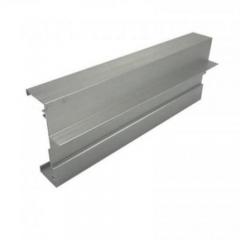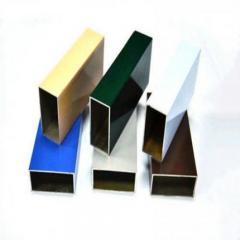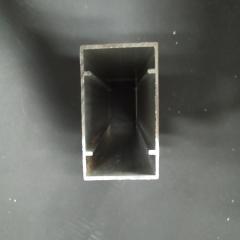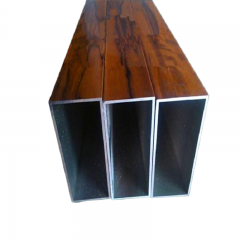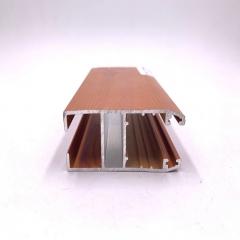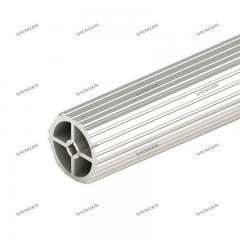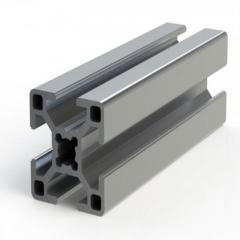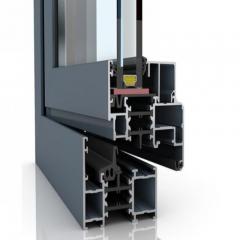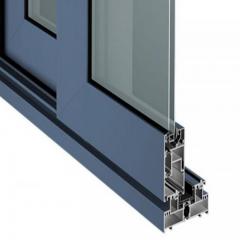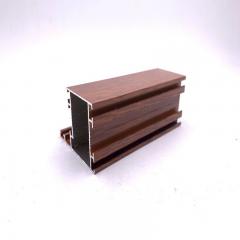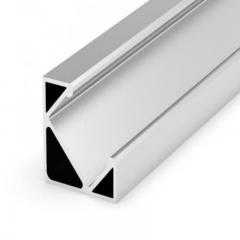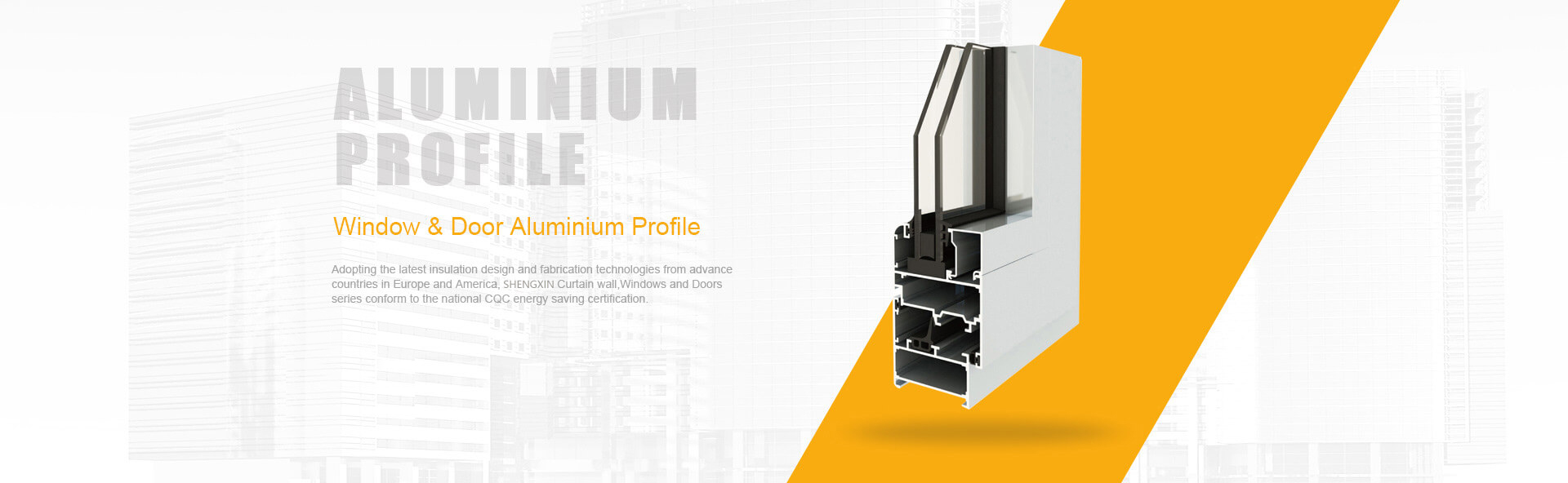
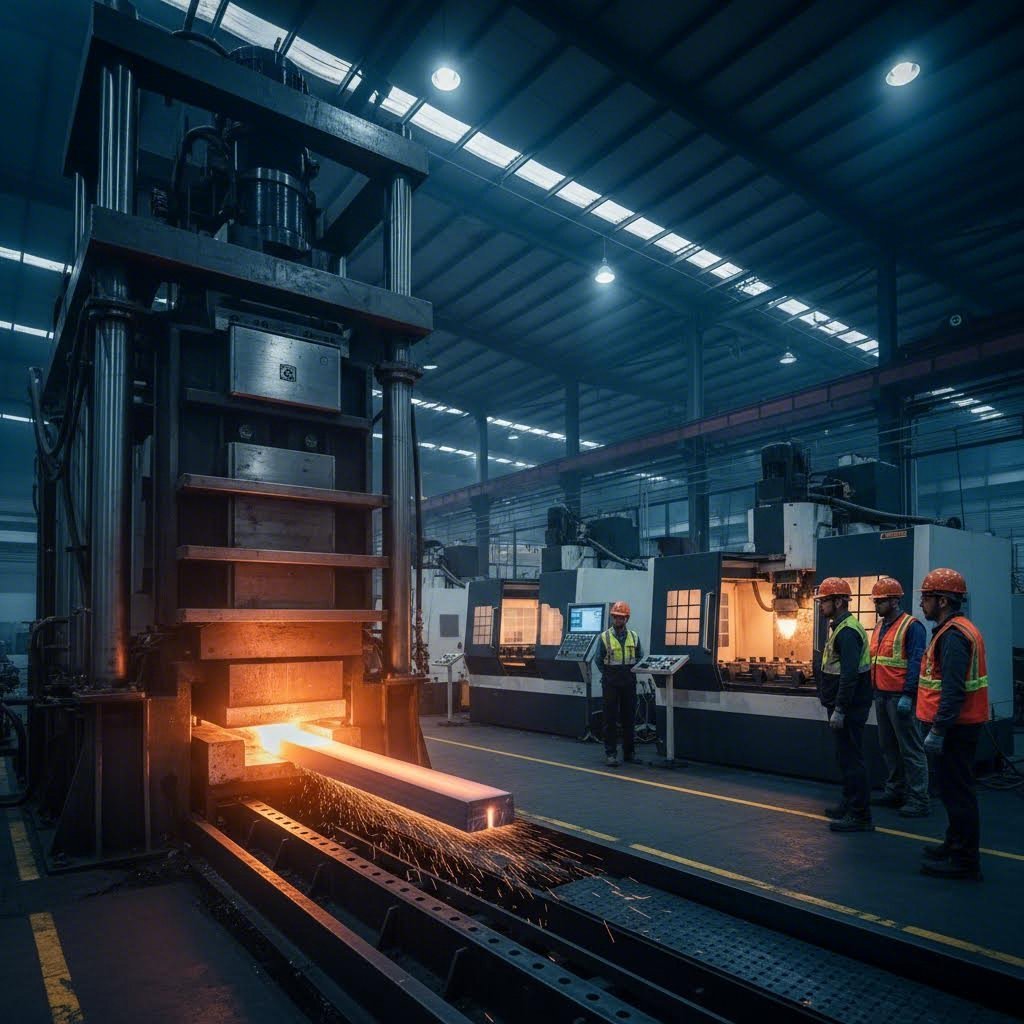
When you're sourcing aluminum components for your next project, you'll quickly encounter two types of suppliers: those who simply push metal through a die and those who transform raw profiles into ready-to-install parts. Understanding the difference between an extrusion-only operation and a true aluminum extrusion fabricator can save you significant time, money, and coordination headaches down the road.
So, what is aluminum extrusion exactly? At its core, the extrusion of aluminium involves forcing heated aluminum alloy through a shaped die to create profiles with consistent cross-sections. But here's the thing — that's just the beginning of the manufacturing journey. An extrusion-only supplier hands you a raw profile and sends you on your way. A fabricator, on the other hand, takes that profile and performs the secondary operations needed to deliver a finished, functional component.
Imagine receiving a shipment of extruded aluminum profiles that still need cutting, drilling, welding, and finishing before they're usable. You'd need to coordinate with multiple vendors, manage separate quality standards, and accept longer lead times. This is precisely why choosing an integrated fabricator matters.
A comprehensive aluminum extrusion fabricator combines multiple manufacturing capabilities under one roof. According to industry leaders like General Extrusions International, successful fabricators engage in extrusion, fabrication, anodizing, powder coating, finishing, and machining — all while providing design assistance and engineering support.
What is extruded aluminum when it leaves a fabricator's facility? It's no longer just a raw profile. It's a precision-cut, machined, welded, and finished component ready for immediate installation or assembly.
True fabricators offer a complete ecosystem of services that transform basic extrusions into custom aluminum extrusions tailored to your exact specifications. Here's what separates a genuine fabricator from an extruder-only supplier:
Throughout this guide, you'll gain a thorough understanding of the complete fabrication ecosystem — from how extrusion methods affect downstream quality to which certifications actually matter when evaluating potential partners. Whether you're sourcing architectural components, industrial frames, or precision mechanical parts, you'll learn exactly how to identify fabricators capable of delivering turnkey solutions that meet your specifications.
Before you can properly evaluate any fabricator, you need to understand what happens inside their extrusion facility. The aluminum extrusion process directly determines the quality of every downstream fabrication operation — from cutting precision to surface finish consistency. Think of it this way: a flawed extrusion creates compounding problems through every subsequent step.
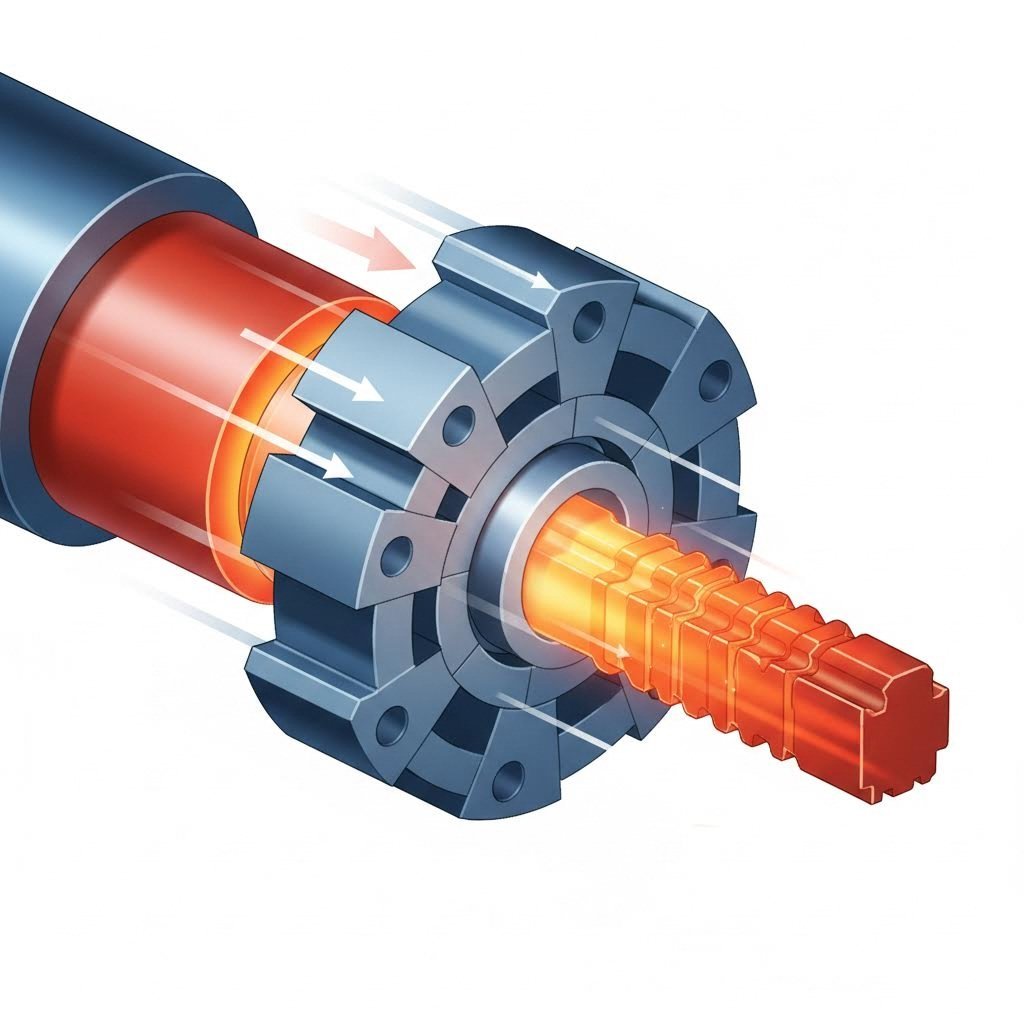
The aluminium extrusion process begins with heating cylindrical aluminum billets to temperatures between 700°F and 930°F (375°C to 500°C). At these temperatures, the metal becomes malleable enough to flow through a precision die, yet remains solid throughout. A powerful hydraulic ram then forces this softened aluminum through the die opening, where it emerges as a fully-formed profile matching the die's exact cross-section.
According to the Aluminum Extruders Council, various hydraulic press designs can exert anywhere from 100 tons to 15,000 tons of pressure — a range that directly impacts which profiles a facility can produce and at what quality level.
When evaluating an aluminum extrusion fabricator, understanding their extrusion method matters more than you might expect. The two primary approaches — direct and indirect extrusion — produce distinctly different results that affect your final fabricated components.
Direct extrusion is the most common method you'll encounter. Here, a moving ram pushes the heated billet through a stationary die. The aluminum flows in the same direction as the ram movement, making this a straightforward and cost-effective process. However, as the billet moves against the container walls, significant friction develops — creating heat variations that can affect dimensional consistency.
Indirect extrusion flips this arrangement. The billet remains stationary while the die moves toward it, contained within a hollow ram. Because the billet doesn't slide against container walls, friction drops dramatically. This translates to more consistent material flow, better temperature control, and superior surface finishes — especially important for curved aluminum extrusion applications or profiles requiring tight tolerances.
| Characteristic | Direct Extrusion | Indirect Extrusion |
|---|---|---|
| Friction Level | High — material contacts container walls | Low — minimal wall contact |
| Surface Finish Quality | Good — may require additional finishing | Excellent — smoother, more consistent |
| Profile Complexity | Best for large, simple cross-sections | Superior for intricate, detailed shapes |
| Dimensional Consistency | Moderate variation possible | Highly consistent throughout length |
| Typical Applications | Construction beams, channels, rods | Aerospace parts, electronics, thin-walled tubes |
| Equipment Cost | Lower initial investment | Higher equipment complexity |
| Die Wear Rate | Higher — more frequent maintenance | Lower — extended die life |
| Production Speed | Faster for simple shapes | Slower but more precise |
Here's something many buyers overlook: the aluminum extrusion press capacity directly limits what profiles a fabricator can actually produce. Press tonnage isn't just a specification on paper — it determines the size, complexity, and wall thickness of profiles available to your project.
Industry presses typically range from 600 tons for smaller, simpler profiles up to 5500 tons or more for large, complex cross-sections. Why does this matter? The extrusion ratio — the relationship between the billet's cross-sectional area and the profile's final area — demands specific pressure levels. Higher ratios require greater force to push metal through smaller or more intricate die openings.
Consider these practical implications when evaluating an aluminium extrusion machine capacity:
Die development also plays a crucial role in downstream fabrication quality. A well-designed die ensures uniform metal flow across all sections of the profile. The bearing length — the distance aluminum travels through the die opening — controls flow speed at different points. Skilled die engineers adjust these bearing lengths so thick and thin sections emerge at identical speeds, preventing the twisting or warping that creates fabrication headaches later.
When initial extrusion quality falls short, every subsequent fabrication operation suffers. Profiles with inconsistent wall thickness create welding challenges. Surfaces marred by die lines require additional finishing before powder coating. Dimensional variations force machinists to adjust tolerances on the fly. This is precisely why savvy buyers examine a fabricator's extrusion capabilities as carefully as their secondary processing equipment.
Once an aluminum extrusion profile emerges from the press, it's still far from being a finished component. The real transformation happens during secondary fabrication — where raw aluminum extrusion profiles become precision-engineered parts ready for installation. Understanding these operations helps you evaluate whether a fabricator can truly deliver turnkey solutions or whether you'll be coordinating multiple vendors yourself.
Think about it this way: an extruded aluminum profile is like a blank canvas. The fabrication operations that follow are what turn that canvas into a masterpiece. Let's explore exactly what happens during this critical phase of extrusion manufacturing.
Every fabrication sequence begins with cutting. But we're not talking about rough shop cuts here — precision extrusion demands CNC-controlled cutting that delivers clean edges, accurate lengths, and minimal material waste. Modern fabricators employ several cutting technologies depending on the profile geometry and tolerance requirements.
High-speed carbide saws handle standard cuts efficiently, while waterjet and laser cutting tackle complex angles and intricate shapes. According to Modig Machine Tool, a CNC machining center performs various techniques including sawing, deburring, drilling, turning, milling, and tapping — all to achieve the desired shape with pockets, holes, and other features.
Here's where things get interesting. CNC machining transforms simple extruded aluminum profiles into complex custom extruded aluminum components. Picture a standard rectangular tube that needs mounting slots, threaded holes, and precisely positioned cutouts. A multi-axis CNC center handles all of these operations in a single setup, maintaining tight tolerances throughout.
Key machining operations you'll encounter include:
The precision achievable through CNC machining is remarkable. While extrusion tolerances typically fall within ±0.1 to 0.4 mm depending on profile dimensions, CNC operations can hold tolerances in the tens of microns on critical features — essential for aluminum extrusion parts that must interface with other precision components.
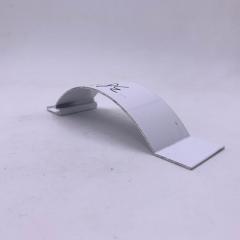
Not every application calls for straight profiles. Architectural curves, vehicle frames, and equipment guards often require bent sections that maintain structural integrity while following complex contours. This is where specialized forming equipment becomes essential.
According to Alubend, profile bending methods include roll bending, rotary draw bending, and stretch bending — each offering distinct advantages based on the complexity and accuracy of the desired shape. Roll bending works well for gradual curves, while rotary draw bending produces tighter radii without wrinkling or distortion. Stretch bending delivers the most precise curves by stretching the material beyond its yield point during forming.
Welding aluminum presents unique challenges that separate experienced fabricators from those just learning the craft. Aluminum's high thermal conductivity means heat dissipates quickly, requiring higher amperage and faster travel speeds than steel. The oxide layer on aluminum surfaces melts at much higher temperatures than the base metal, demanding proper cleaning and shielding gas coverage.
Most fabricators rely on two primary welding processes for extruded aluminum parts:
Friction stir welding (FSW) represents an advanced option for applications requiring low distortion and high joint efficiency. This solid-state process generates less heat than fusion welding, preserving the heat-treated properties of alloys like 6061-T6 that would otherwise soften in the weld zone.
When evaluating a fabricator's welding capabilities, ask about their fixture design and distortion control practices. Balanced welding sequences, proper fixturing, and pre-set angles to counter shrinkage distinguish professional operations from those learning through trial and error.
Understanding the typical workflow helps you appreciate why integrated fabricators deliver better results than cobbling together services from multiple vendors. Here's how aluminum extrusion profiles transform into finished components:
Why does this integrated approach matter so much? Consider what happens when you split these operations across multiple vendors. Each handoff introduces quality risks, communication gaps, and scheduling delays. Profile dimensions might be acceptable when leaving the extruder but drift out of tolerance after machining at a second facility. Surface damage during transit between shops requires rework. Lead times stretch as you coordinate schedules across independent companies.
An integrated aluminum extrusion fabricator maintains consistent quality standards throughout this entire sequence. Their quality team catches issues before they compound through subsequent operations. Their production planners optimize scheduling across all departments rather than waiting in separate queues. The result? Shorter lead times, fewer quality rejections, and single-source accountability when something does go wrong.
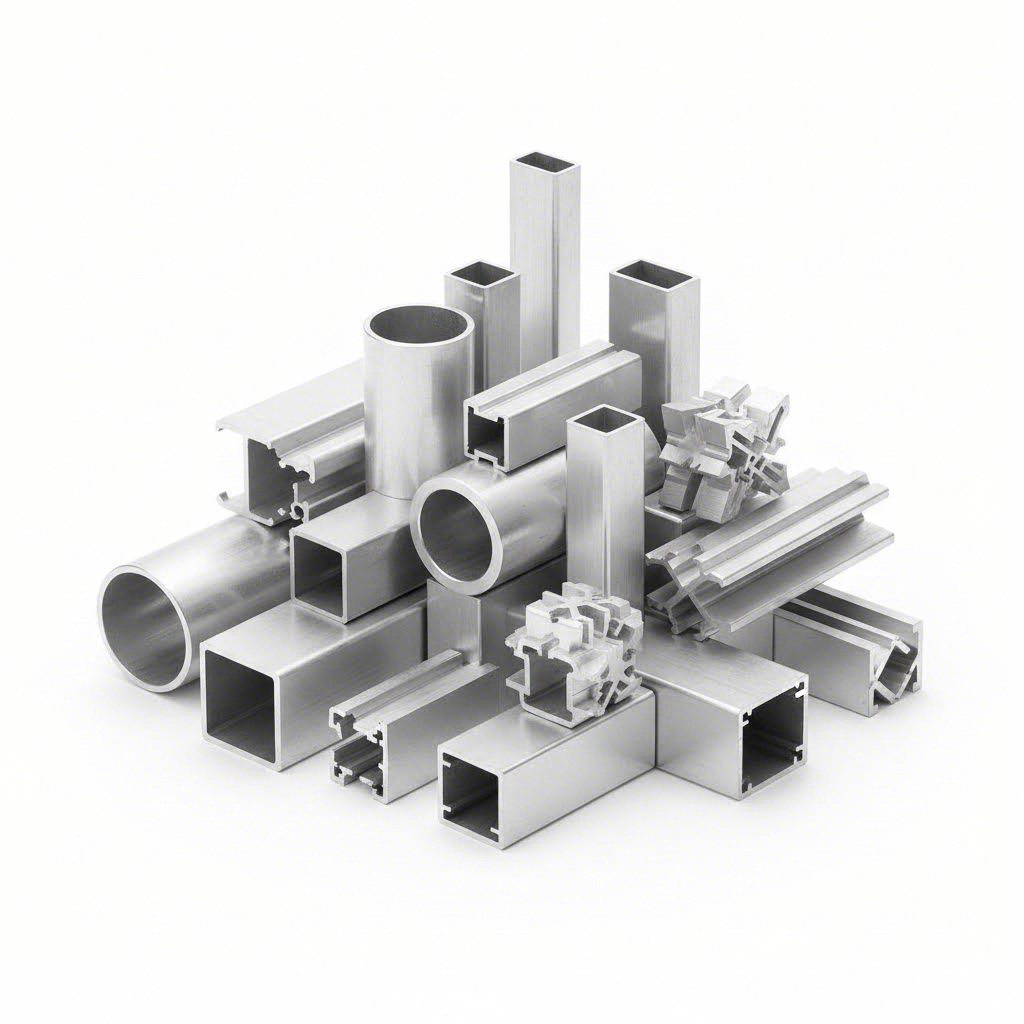
Here's something that catches many buyers off guard: the aluminum alloy you specify dramatically affects every fabrication operation that follows. Choose the wrong alloy, and you'll face machining difficulties, weld cracking, or finishing failures that no amount of fabricator skill can overcome. Choose wisely, and your aluminum extrusion profile practically manufactures itself.
Think of alloy selection as the foundation of your project. Just as a building's foundation determines what structures it can support, your alloy choice determines which fabrication processes will succeed — and which will struggle. Let's explore how to match aluminum profiles to your specific requirements.
When evaluating an aluminum extrusion fabricator, you'll quickly discover that 6061 and 6063 dominate the conversation. These two workhorses of the aluminum extrusion shapes family handle the vast majority of commercial applications — but they're far from interchangeable.
According to Eagle Aluminum, both alloys use silicon and magnesium as their primary alloying elements, yet their performance differs significantly. Aluminum 6061, developed in 1935, remains one of the most versatile options available. It offers excellent workability, high corrosion resistance, and superior weldability. Most importantly for structural applications, 6061-T6 delivers an ultimate tensile strength of at least 42,000 psi and yield strength of at least 35,000 psi.
Aluminum 6063 tells a different story. Often called "architectural aluminum," this alloy produces a surface finish far smoother than other commercially available options. However, as Alcobra Metals notes, its strength measures roughly half that of 6061 — making it better suited for applications where visual appeal matters more than structural performance.
So when should you choose one over the other? Consider these guidelines:
Here's the bottom line: if you need strength, 6061 wins. If you need beauty, 6063 delivers. Many successful projects actually use both — 6061 for structural members and 6063 for visible alum extrusion shapes and trim pieces.
Beyond the 6061 versus 6063 decision, understanding the broader alloy landscape helps you specify materials that match your fabrication requirements precisely. Each alloy family brings distinct advantages and limitations to the manufacturing floor.
The Gabrian aluminum extrusion guide explains that while pure aluminum offers exceptional formability, stronger alloys with higher concentrations of alloying elements become more difficult to extrude. This tradeoff between strength and processability runs throughout the alloy selection process.
| Alloy | Tensile Strength (psi) | Corrosion Resistance | Machinability | Weldability | Typical Applications |
|---|---|---|---|---|---|
| 1100 | 13,000 | Excellent | Fair | Excellent | Food containers, chemical equipment, decorative trim |
| 2024-T3 | 70,000 | Poor | Good | Not recommended | Aerospace structures, high-stress components |
| 6061-T6 | 45,000 | Good | Good | Excellent | Structural frames, marine components, machinery |
| 6063-T6 | 28,000 | Good | Fair | Excellent | Architectural profiles, window frames, furniture |
| 7075-T6 | 83,000 | Average | Average | Not recommended | Aircraft structures, high-performance components |
Notice how the highest-strength alloys — 2024 and 7075 — sacrifice weldability entirely? This matters enormously when your aluminum shapes require welded assemblies. Specifying 7075 for a welded frame means your fabricator cannot join the components without compromising joint integrity. According to Alcobra Metals, both 2024 and 7075 use copper as a primary alloying element, which delivers exceptional strength but makes conventional welding impractical.
Machinability ratings also deserve attention. While 2011 aluminum offers the best machinability of commonly available alloys — producing excellent surface finishes during cutting operations — it lacks the strength and corrosion resistance most applications demand. For projects requiring extensive CNC machining, 6061 provides a good balance: decent machinability with respectable strength and excellent weldability.
Formability presents another consideration. If your aluminum extrusion profile requires complex bends or tight curves, alloy selection directly impacts success rates. The 5052 alloy, for instance, offers the best forming characteristics among commonly available options — though it isn't heat-treatable and provides only moderate strength.
How does this affect your fabricator evaluation? A knowledgeable fabricator will ask detailed questions about your application before recommending alloys. They understand that specifying the wrong material creates problems no amount of manufacturing expertise can solve. If a fabricator simply accepts whatever alloy you mention without discussion, that's a warning sign — they may lack the experience to anticipate downstream fabrication challenges.
The integration between alloy selection and surface finishing deserves special attention too. Some alloys respond beautifully to anodizing while others produce disappointing results. As we'll explore next, understanding how finishing processes interact with your material choice prevents costly surprises when your parts emerge from the treatment line.
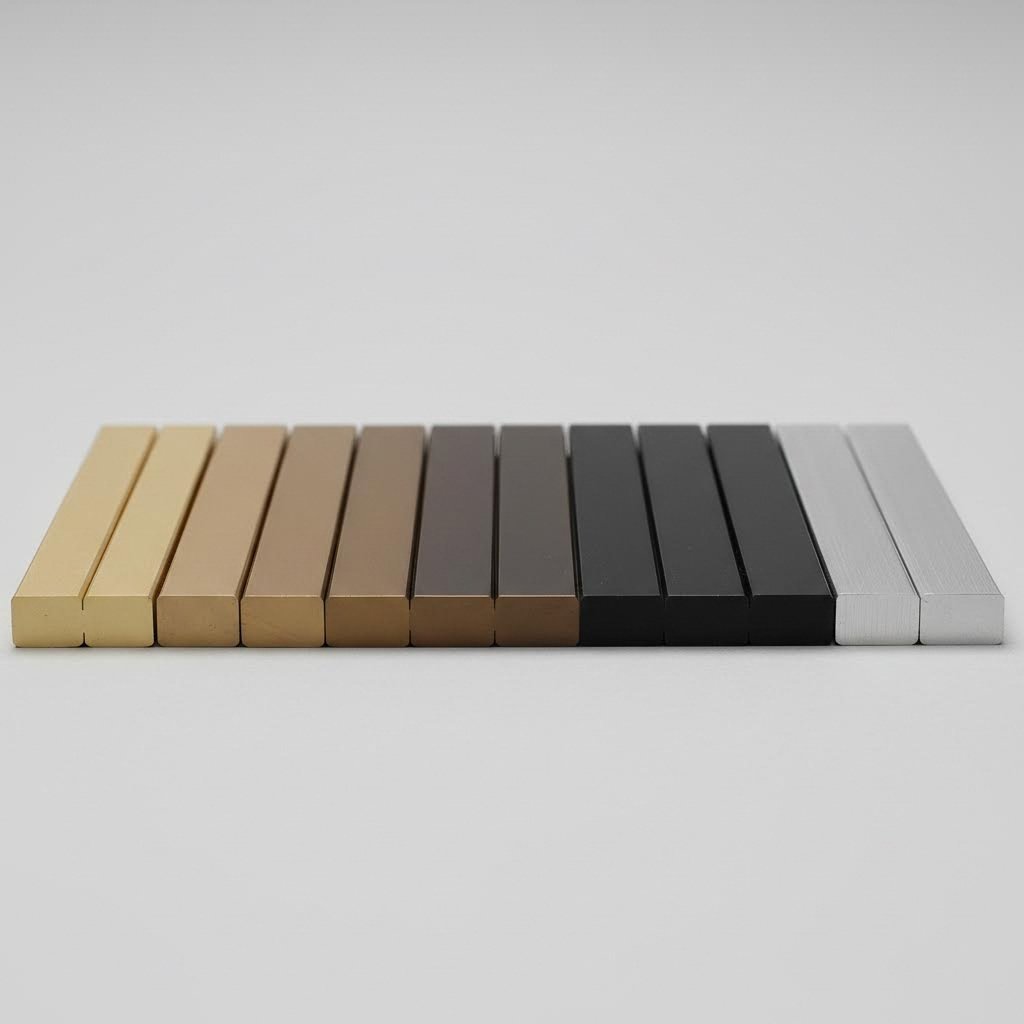
You've selected the right alloy and your profiles have been machined, bent, and welded to specification. But here's what separates good fabrication from great fabrication: the surface finish. An aluminium extruded profile without proper finishing is vulnerable to scratches, stains, and oxidation — essentially leaving your investment unprotected against the elements.
Surface treatment isn't just about aesthetics, though that certainly matters. The right finish enhances corrosion resistance, improves wear durability, and can even affect thermal performance. According to Minh Dung Holdings, applying a protective and decorative finish is essential for any aluminum product that will be seen, touched, or exposed to outdoor conditions.
What makes finishing particularly tricky? Timing. When you apply a finish in the fabrication sequence dramatically affects both the finish quality and your final component's performance.
When evaluating an aluminum extrusion fabricator, their finishing capabilities tell you a lot about their sophistication. Let's break down the primary options you'll encounter — each with distinct advantages for different applications.
Anodizing stands apart from other finishes because it isn't a coating at all. This electrochemical process thickens the aluminum's natural oxide layer, creating protection that's fully integrated with the metal itself. According to Righton Blackburns, anodizing produces a super-hard, durable film with exceptional abrasion resistance, better heat dissipation, and superior corrosion protection compared to non-anodized alternatives.
The real beauty of anodizing? Those micropores created during the process act as pools where dyes collect, allowing custom colors like champagne, bronze, rose gold, and black to become embedded within the oxide layer rather than sitting on top. This means the color won't peel or chip — it's literally part of the aluminum profile.
Powder coating delivers what anodizing cannot: virtually unlimited color options. Unlike liquid paint, powder coating uses electrostatically charged dry powder that bonds to the grounded aluminum, then cures in an oven to form a smooth, uniform film. Industry data shows typical film thickness ranging from 25 to 120 microns, providing excellent protection for extruded aluminum trim profiles in architectural and industrial applications.
PVDF (Polyvinylidene Fluoride) represents the gold standard for exterior projects demanding maximum durability. This high-performance liquid coating system — often known by the trade name Kynar 500 — offers unmatched UV resistance and color stability over decades of outdoor exposure. For monumental architecture, building facades, and coastal installations, PVDF delivers performance that powder coating simply cannot match.
Micro-arc oxidation takes protection even further. This advanced process creates ceramic-like coatings with hardness values exceeding conventional anodizing by several times. For industrial components facing extreme wear, thermal stress, or corrosive environments, micro-arc oxidation provides armor-like durability.
Here's where many projects go wrong: treating finishing as an afterthought rather than an integrated step in the fabrication sequence. The timing of surface treatment affects everything from dimensional accuracy to joint integrity.
Sounds complex? Consider this practical example. Anodizing adds a thin oxide layer that slightly increases overall dimensions — typically 2-3 microns per surface. For an aluminum profile with tight tolerance requirements, this dimensional growth must be factored into machining operations that occur before anodizing. Machine first, anodize second.
But welding? That's a different story. You cannot weld anodized aluminum without first removing the oxide layer from the joint area. The anodic coating melts at much higher temperatures than the base metal, creating contaminated welds and weak joints. So the sequence becomes: weld first, then anodize the completed assembly.
According to TPOS industry guidelines, proper fabrication sequencing requires:
Industry testing reveals significant performance differences based on proper sequencing and finish selection. Hard-anodized aluminum profiles often last 10-15 years or more in heavy-duty environments, compared to 5-10 years for standard powder coating under identical conditions. For wet areas like restroom partitions or hospital applications, hard anodizing or fluorocarbon powder coating provides the corrosion resistance that standard finishes cannot deliver.
When you're sourcing extruded aluminum trim profiles for architectural applications, visible automotive components, or industrial equipment, the finish you specify must match your end-use environment. A fabricator offering comprehensive surface treatment options — from standard anodizing through specialty PVDF and micro-arc oxidation — demonstrates the capability to match finishing solutions to application demands. Facilities like Shengxin Aluminium's processing center combine multiple finishing technologies including anodizing in custom colors, powder coating, PVDF, and micro-arc oxidation under one roof, eliminating the coordination headaches of splitting finishing work across multiple vendors.
With finishing options clarified, the next critical step is understanding how to evaluate whether a fabricator can actually deliver on their capabilities — which certifications matter, which equipment specifications to verify, and how to distinguish genuine turnkey partners from those who'll leave you coordinating multiple subcontractors.
You've learned about extrusion methods, fabrication operations, alloy selection, and finishing options. Now comes the moment of truth: how do you separate aluminum extrusion companies that can actually deliver from those making promises they can't keep? Evaluating potential partners requires a systematic approach that goes far beyond comparing price quotes.
Think of fabricator selection like hiring a key employee. You wouldn't hire someone based solely on their resume — you'd verify their capabilities, check references, and assess cultural fit. The same rigor applies when choosing an aluminum extrusion fabricator who'll become an extension of your manufacturing operation.
Before you send that first purchase order, you need concrete answers about what equipment sits on the fabricator's floor and whether it matches your project requirements. According to industry manufacturing experts, top-tier manufacturers invest heavily in advanced extrusion presses, automation, and quality control equipment — and this technological edge allows them to tackle complex designs others might shy away from.
Here's your essential capability checklist when evaluating aluminum extrusion services:
When a fabricator offers true turnkey aluminum extrusion services, all these capabilities exist under one roof. You'll recognize the difference immediately: single-source quoting, unified quality standards, and dramatically shorter lead times compared to coordinating multiple vendors.
Pay special attention to whether they handle custom extrusion projects regularly or primarily stock standard aluminum extrusions. Both have value, but your custom aluminum products require a partner experienced in die development, prototyping, and design iteration — not just pulling profiles from inventory.
Certifications aren't just logos on a website — they represent documented systems for consistent quality. But which certifications actually matter for profile precision extrusions, and which are merely nice-to-have?
ISO 9001:2015 serves as the baseline standard you should require from any serious fabricator. This certification confirms the manufacturer has established and follows documented procedures for key processes, emphasizes customer satisfaction, and commits to continuous improvement. According to quality manufacturing guidelines, holding ISO 9001 certification indicates that processes are in place to catch errors before they reach you and provides a structured way to manage changes.
What does ISO 9001:2015 verification actually mean for your project?
For specialized applications, look beyond ISO 9001. If your components serve automotive applications, IATF 16949 certification signals expertise in defect prevention and supply chain efficiency. Aerospace applications demand AS9100 certification, which adds requirements for safety, airworthiness, and product conformity.
Tolerance and specification standards deserve equal scrutiny. Ask potential fabricators about their standard tolerances for extruded profiles versus machined features. Quality aluminum extrusion companies maintain tolerances in the range of ±0.1 to 0.4mm for extrusion dimensions, with CNC operations holding much tighter specifications on critical features. Request their tolerance tables and compare them against your drawing requirements before committing.
Material verification matters too. Top aluminum suppliers for custom products maintain processes to verify incoming raw materials and confirm finished products meet required mechanical properties. Ask about tensile testing, hardness verification, and chemical composition analysis — these checks prevent substandard material from compromising your final components.
Finally, evaluate whether the fabricator acts as a genuine partner or simply a production facility. Do they offer design for manufacturability feedback? Will their engineers suggest profile modifications that simplify production while maintaining function? A fabricator invested in your project's success — not just fulfilling an order — demonstrates the collaborative approach that leads to better outcomes and long-term relationships.
You've identified a capable fabricator with the right certifications and equipment. Now what? Understanding how custom aluminum extrusion projects move from initial concept to finished components helps you plan realistic timelines and avoid the surprises that derail production schedules.
Here's the reality: custom profile extrusions don't happen overnight. Each project follows a structured workflow where skipping steps or rushing phases creates quality problems downstream. According to industry timeline analysis, custom aluminum extrusion timelines vary based on several factors — design complexity, die development requirements, order volume, and the specific fabrication operations required.
Let's walk through what happens from your first conversation with a fabricator through final delivery of your custom extrusions.
Every successful shape manufacturing project begins with clear communication. The process kicks off with an in-depth consultation where engineers discuss your desired profile shape, dimensional requirements, mechanical properties, and end-use applications. As Silver City Aluminum notes, this initial phase serves as the foundation for transforming ideas into concrete products.
Once requirements are established, design and engineering teams create detailed blueprints using specialized software like AutoCAD or SolidWorks. According to Star Extruded Shapes, these digital models enable faster and more precise quoting, streamlined prototyping, and reduced time to market.
The aluminum extrusion die represents the heart of your custom project. This precision-machined steel tool determines your profile's exact cross-section — and its quality directly impacts every component that follows. Aluminium extrusion dies require skilled craftsmanship and rigorous testing before production begins. Even minor errors in die design can affect dimensional accuracy and surface quality across thousands of extruded feet.
Die development timelines vary significantly based on complexity:
Experienced fabricators use computer-aided design and manufacturing to visualize the extrusion process before cutting steel. This simulation capability catches potential flow problems, die deflection issues, and cooling challenges before they become expensive production delays.
How long should you expect to wait for custom aluminum extrusion delivery? The honest answer: it depends on whether you're ordering standard profiles or developing something entirely new.
Standard aluminum extrusion profiles pulled from existing inventory ship within days. But custom projects requiring new die development follow longer timelines. Industry benchmarks suggest 1 to 1.5 months for typical custom orders, though some fabricators achieve faster turnaround. Silver City Aluminum reports standard lead times of 3 to 4 weeks, with rush orders fulfilled in as little as 3 days for urgent circumstances.
Order volume significantly affects scheduling. Larger production runs justify dedicated press time and continuous operation, while smaller orders may wait for schedule gaps or batch consolidation. Here's the complete workflow sequence you should expect:
Why do integrated fabricators deliver faster than coordinating multiple vendors? Simple: they eliminate handoff delays. When extrusion, fabrication, and finishing happen under one roof, your profiles move directly from press to CNC to finishing line without transport time, receiving inspections, or scheduling conflicts between independent companies.
Prototyping deserves special consideration for new designs. Before committing to full production, smart buyers request sample extrusions for fit-and-function testing. According to industry best practices, prototypes undergo comprehensive evaluation for dimensional accuracy, surface quality, and overall condition. Any issues identified during testing get addressed before production scales up — saving significant rework costs later.
The message is clear: realistic timeline planning prevents project delays. Build adequate lead time into your schedule for die development on new custom profile extrusions, factor in prototyping cycles for critical applications, and choose integrated fabricators who control the entire production sequence. Your reward? Predictable delivery dates and components that meet specifications the first time.

Ever wonder why the same aluminum extrusion fabricator might excel at architectural window frames but struggle with automotive structural components? Different industries demand fundamentally different fabrication capabilities, alloy expertise, and finishing processes. Understanding these sector-specific requirements helps you choose a partner whose strengths align with your project's actual needs.
According to Hugh Aluminum's technical specifications, industries like construction, transportation, electronics, and machinery widely use aluminum extrusions for their strength, versatility, and lightweight properties. But the fabrication details that matter most vary dramatically across these sectors.
Let's explore what each major industry demands — and which capabilities you should verify before committing to a fabricator.
When aluminum extrusions appear in building facades, window frames, and curtain walls, visual perfection becomes non-negotiable. Architects and building owners expect flawless surfaces, consistent color matching across thousands of components, and finishing durability measured in decades rather than years.
Architectural aluminum extrusions typically rely on 6063 alloy — the "architectural aluminum" known for producing superior surface finishes. This alloy responds beautifully to anodizing, accepting custom colors that become embedded within the oxide layer rather than sitting on top. For visible extruded aluminum shapes in high-end buildings, 6063's aesthetic advantages outweigh 6061's superior strength.
What fabrication capabilities matter most for architectural projects?
Unique extrusions for architectural applications often feature complex hollow sections with multiple chambers for drainage, fastener channels, and gasket grooves. Fabricators serving this market need press capacity and die expertise to produce these intricate aluminum profile extrusion shapes consistently.
Industrial equipment frames and automotive structural components couldn't be more different from architectural trim. Here, strength-to-weight ratios, fatigue resistance, and weld integrity matter far more than surface appearance.
According to the Aluminum Extruders Council's automotive research, aluminum extrusion plays an expanding role in vehicle lightweighting. The extrusion process allows design engineers to put metal where it's needed and incorporate features in a single part that eliminates the need for, and assembly cost of, multiple parts made of alternative materials.
Consider what this means practically. An SUV pillar cover originally assembled from roll-formed steel, stamped parts, and a glued plastic end cap became a single extruded aluminum replacement. The result? Weight reduction of 35%, elimination of buffing operations, better corrosion resistance, and a superior part at reduced cost.
Automotive and industrial applications demand different fabrication priorities:
Electronics enclosures represent another specialized niche. As MetalFab Group's fabrication guide explains, aluminum's thermal conductivity efficiently dissipates heat from electronic components, extending equipment lifespan. Lightweight enclosures also provide electromagnetic shielding while simplifying installation and transport.
How do you match your project's industry demands to the right fabrication partner? This comparison table summarizes the critical capabilities, typical alloys, and finishing requirements across major sectors:
| Industry Sector | Critical Fabrication Capabilities | Typical Alloys | Common Finishing Requirements |
|---|---|---|---|
| Architectural (Windows, Curtain Walls) | Precision mitering, thermal break assembly, high-volume consistency | 6063-T5, 6063-T6 | Anodizing (custom colors), PVDF, powder coating with color matching |
| Automotive (Structural Components) | Structural welding, crash testing, tight-tolerance machining | 6061-T6, 7075-T6 | E-coating, powder coating, mill finish with protective treatment |
| Industrial Equipment (Frames, Guards) | Heavy-duty welding, large-format machining, assembly services | 6061-T6, 6063-T5 | Powder coating, anodizing, mill finish for non-visible components |
| Electronics (Enclosures, Heat Sinks) | Precision CNC machining, EMI shielding integration, thermal management | 6061-T6, 6063-T5 | Anodizing (black common), chromate conversion, powder coating |
| Transportation (Rail, Marine) | Large-scale welding, corrosion-resistant fabrication, bending | 5083, 6061-T6, 6082 | Marine-grade anodizing, PVDF, specialty corrosion protection |
| Food and Medical Equipment | Sanitary welding, polished surfaces, NSF-compliant finishing | 5052, 6061-T6 | Electropolishing, sanitary finishes, FDA-compliant coatings |
Notice how extrusion shapes serving different industries require fundamentally different expertise? A fabricator specializing in architectural curtain walls may lack the structural welding certifications automotive applications demand. Conversely, an industrial equipment specialist might not maintain the color-matching precision architectural projects require.
When evaluating fabricators, ask about their experience in your specific sector. Request examples of similar projects, certifications relevant to your industry, and references from comparable applications. A fabricator with deep experience in your sector understands the unwritten requirements that generic manufacturers miss — from industry-specific testing protocols to supply chain expectations your competitors already meet.
Your application requirements should drive fabricator selection decisions. Match the capabilities they've proven to the demands your project actually presents, and you'll find a partner equipped to deliver components that perform in your real-world environment.
You've invested significant effort understanding the extrusion process, evaluating fabrication capabilities, comparing alloy options, and matching finishing requirements to your application. Now comes the decision that determines whether all that research pays off: selecting the aluminum extrusion fabricator who'll transform your project from concept to reality.
This isn't a decision to rush. According to Heather & Little's fabrication partner guide, finding the right partner requires thorough research, facility visits when possible, and clear documentation of expectations before work begins. The fabricator you choose becomes an extension of your manufacturing operation — their capabilities become your capabilities, and their limitations become your constraints.
Let's synthesize everything you've learned into a practical decision-making framework and outline the steps to launch your custom extrusion project successfully.
When you're ready to narrow your shortlist to a final selection, four critical factors should guide your decision. Each builds upon the evaluation criteria we've explored throughout this guide.
Integrated capabilities from die development through finishing represent the single most important differentiator. As Elemet Group's manufacturing analysis emphasizes, high-quality end-to-end production ensures that quality control and communication remain priorities throughout your project. When one company provides every step of the process, you avoid the disjointed results that come from coordinating multiple vendors.
Consider what integrated aluminum extrusion supply actually means for your project:
Equipment capacity matching your project needs ensures the fabricator can actually produce what you require. A fabricator with 35 extrusion presses ranging from 600T to 5500T — like those at Shengxin Aluminium's processing facility — can handle everything from delicate electronics profiles to large structural sections. Their CNC machining centers deliver the precision your custom aluminum extrusion profiles demand, while complete surface treatment options including anodizing, powder coating, and PVDF mean your finishing requirements stay in-house.
Quality certifications that match your industry provide documented assurance of consistent performance. ISO 9001:2015 serves as the baseline, but specialized applications may require IATF 16949 for automotive or AS9100 for aerospace. Verify certifications directly and ask how quality systems translate to your specific project requirements.
End-to-end technical support separates true partners from order-takers. The best fabricators offer design for manufacturability feedback, suggest profile modifications that reduce cost while maintaining function, and proactively identify potential issues before they become production problems. This collaborative approach — highlighted by UD Machine's supplier selection guide — ensures your projects benefit from their accumulated expertise.
Ready to move forward? Here's how to launch your project efficiently while setting expectations for success.
Prepare your requirements documentation. Before contacting fabricators, gather your drawings, specifications, and application details. Include tolerance requirements, surface finish expectations, alloy preferences, and anticipated volumes. The more complete your initial package, the more accurate your quotes will be.
Request detailed capability verification. Don't accept capability claims at face value. Ask for equipment lists, tolerance tables, and examples of similar projects. Top aluminum suppliers for custom products welcome these questions — they know their capabilities differentiate them from less-equipped competitors.
Evaluate both standard aluminum extrusion profiles and custom options. Sometimes standard profiles with minor modifications cost significantly less than fully custom designs. Experienced fabricators can identify opportunities to leverage existing dies while still meeting your functional requirements.
Plan for prototyping. For new designs, budget time and resources for sample approval before committing to production volumes. This investment catches issues early when corrections cost least.
Establish clear communication channels. Identify your primary contact, agree on update frequency, and define escalation paths for issues. Strong communication practices established upfront prevent misunderstandings during production.
The fabricator you choose should offer complete integration from advanced extrusion through precision fabrication and professional finishing — all under one roof with unified quality control. This single-source approach eliminates coordination headaches, compresses lead times, and ensures accountability for your project's success from first contact through final delivery.
Your aluminum extrusion project deserves a partner with proven capabilities, documented quality systems, and genuine commitment to your success. Take time to evaluate thoroughly, verify claims independently, and choose a fabricator whose strengths align with your specific requirements. The effort you invest in selection pays dividends throughout your project — and in every reorder that follows.
An aluminum extruder only pushes heated metal through a die to create raw profiles. An aluminum extrusion fabricator provides comprehensive secondary operations including precision cutting, CNC machining, bending, welding, surface finishing, and assembly. Fabricators deliver ready-to-install components rather than raw profiles, eliminating the need to coordinate multiple vendors and reducing lead times significantly.
Custom aluminum extrusion costs depend on several factors: die development fees (typically one-time charges based on profile complexity), alloy selection, order volume, fabrication requirements, and surface finishing. Simple profiles with existing dies cost less than complex hollow sections requiring new tooling. Integrated fabricators like Shengxin Aluminium offer factory-direct pricing that eliminates middleman markups, making custom solutions more affordable than coordinating multiple vendors.
ISO 9001:2015 certification serves as the essential baseline, confirming documented quality procedures and continuous improvement systems. For automotive applications, look for IATF 16949 certification. Aerospace projects require AS9100 certification. Additionally, verify the fabricator maintains material traceability, performs tensile testing, and provides tolerance documentation matching your project specifications.
Custom aluminum extrusion lead times typically range from 4-10 weeks depending on complexity. Die development takes 2-6 weeks based on profile intricacy. Sample approval requires 1-2 weeks, production extrusion 1-3 weeks, and fabrication plus finishing adds another 2-4 weeks. Integrated fabricators with in-house capabilities compress these timelines by eliminating handoff delays between separate vendors.
The best alloy depends on your application. For structural strength and weldability, 6061-T6 delivers excellent performance at 45,000 psi tensile strength. For architectural applications requiring superior surface finish and anodizing response, 6063-T6 is preferred. High-performance aerospace components may require 7075-T6, though this alloy cannot be conventionally welded. Experienced fabricators help match alloy selection to your specific machining, welding, and finishing requirements.



 dịch vụ trực tuyến
 0086 136 3563 2360
 sales@sxalu.com
 +86 136 3563 2360
 Việt
Việt English
 français
 Deutsch
 русский
 español
 português
 العربية
 ไทย
ไทย Українська