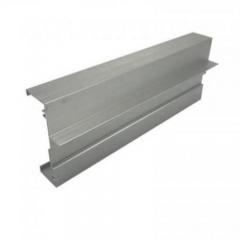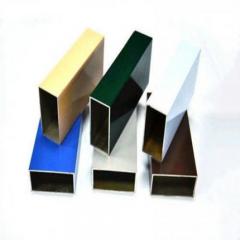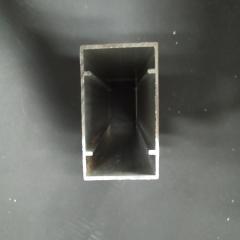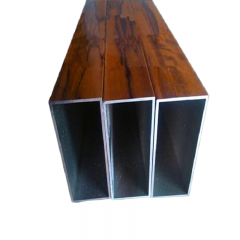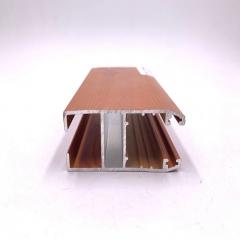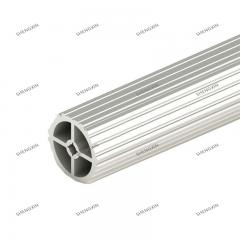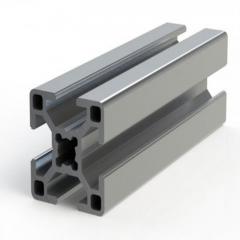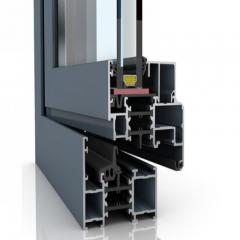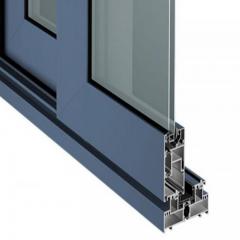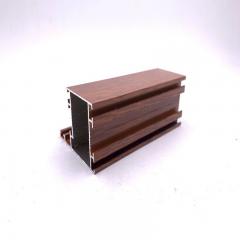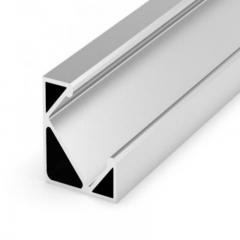
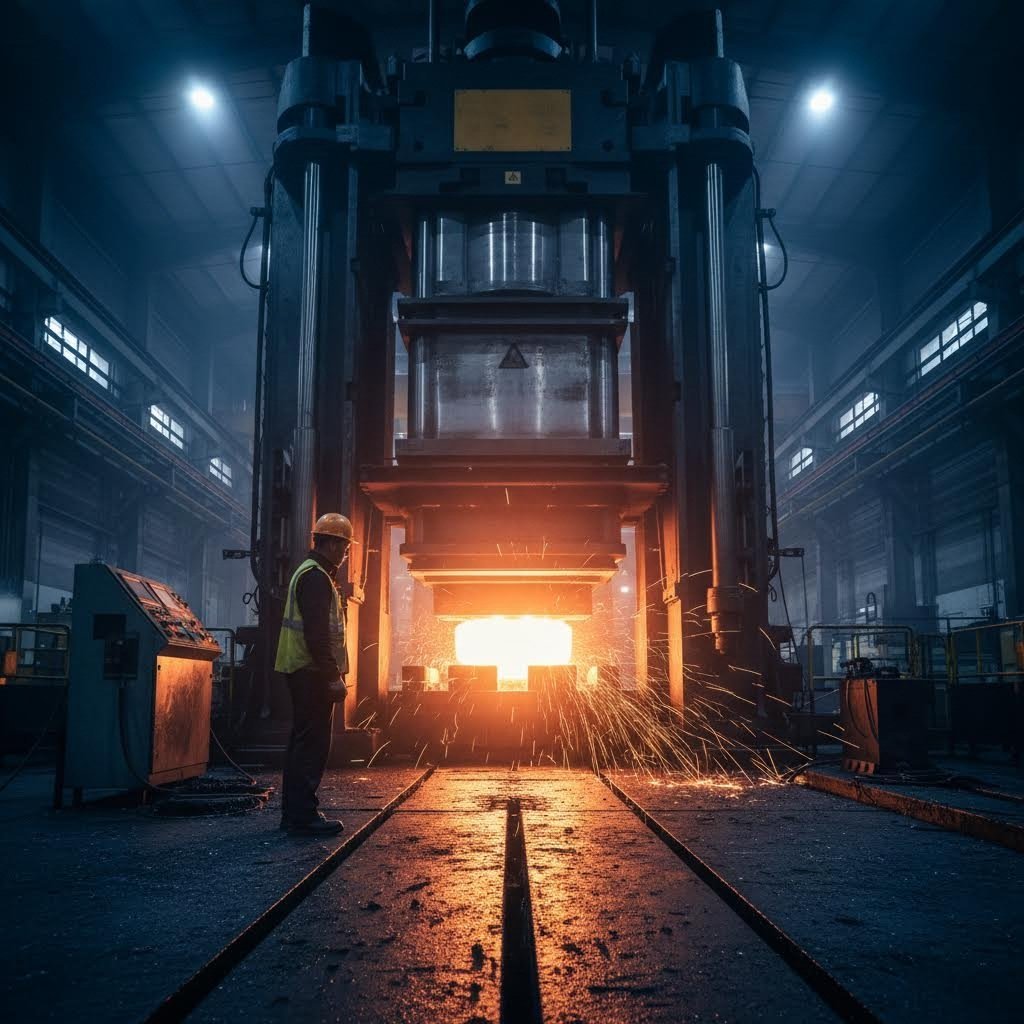
Have you ever wondered how those precisely shaped aluminum profiles in your windows, electronics, or industrial equipment come to life? The answer lies within an aluminum extrusion factory—a specialized manufacturing facility where raw aluminum billets transform into incredibly versatile shaped profiles through a fascinating process of heat and pressure.
At its core, an aluminum extrusion factory houses powerful machinery that heats aluminum billets to temperatures between 400-480°C (750-900°F) and forces this softened metal through custom-designed dies under immense pressure. The result? Aluminum extruded profiles with exact cross-sectional shapes that can be solid, hollow, or semi-hollow—engineered to meet precise specifications for countless applications.
The aluminium extrusion industry has revolutionized how we manufacture everything from architectural components to aerospace parts. Each aluminum extrusion machine within these facilities represents decades of engineering refinement, capable of producing extrusion products that meet exacting standards for strength, weight, and dimensional accuracy.
Think of an extrusion factory as a transformation hub. Raw cylindrical or rectangular billets enter one end, and finished profiles—ready for heat treatment, surface finishing, and fabrication—emerge from the other. This process allows manufacturers to flextrude aluminum shapes that would be impossible or prohibitively expensive to create through traditional machining methods.
Here's a reality most buyers don't realize: when you request a quote or discuss specifications with a sales representative, you're only seeing the tip of the iceberg. Behind every aluminum profile lies a complex manufacturing ecosystem involving die design, press operations, heat treatment, and quality control systems working in precise coordination.
This knowledge gap creates real problems. Buyers who don't understand factory operations often struggle to:
Understanding what happens inside an extrusion facility transforms you from a passive buyer into an informed partner—one who can ask the right questions, spot potential issues early, and ultimately select suppliers capable of delivering exactly what your project demands.
This article serves as your insider's guide to factory operations. You'll learn how each production stage affects final product quality, what equipment capabilities really mean for your projects, and how to evaluate suppliers based on their actual manufacturing strengths rather than just their sales presentations. Whether you're an engineer specifying custom profiles or a procurement professional sourcing extrusion products, this knowledge will empower smarter decisions and better outcomes.
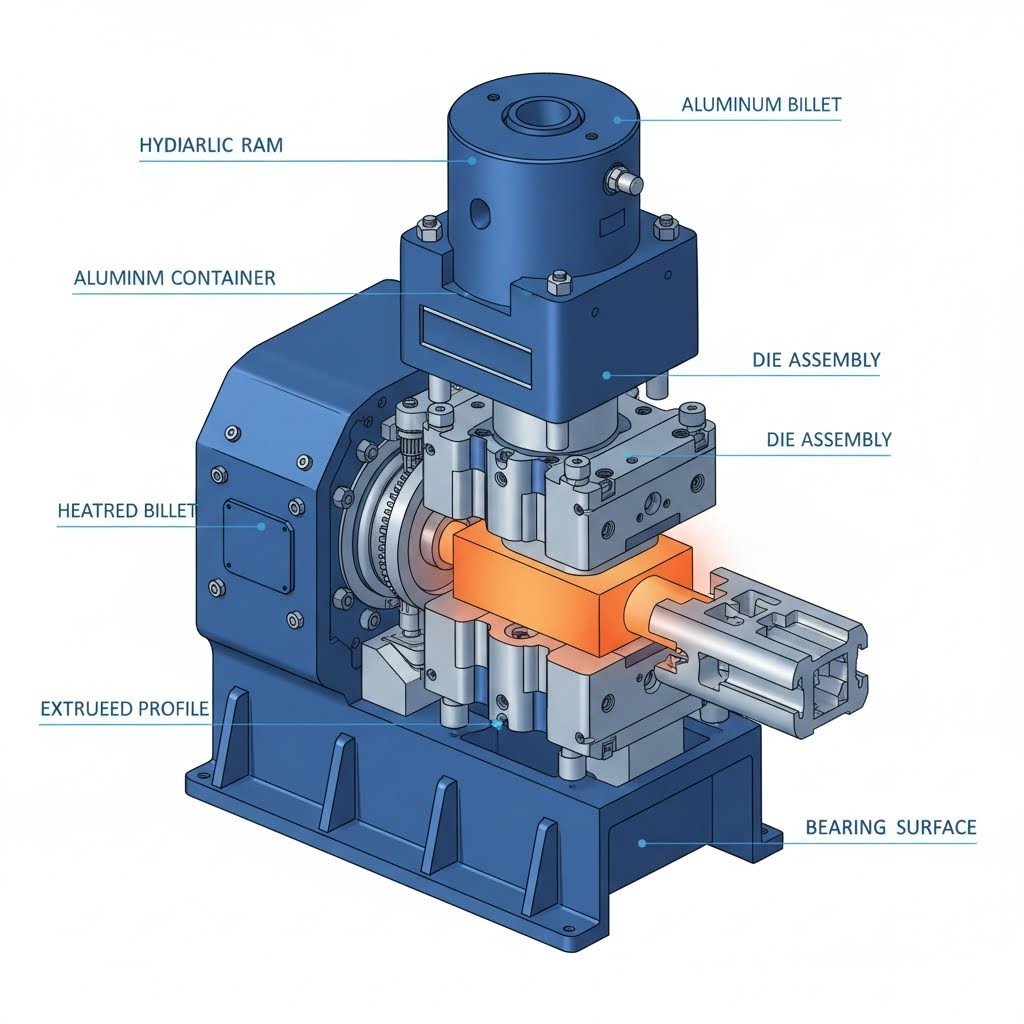
So how extruded aluminum is made exactly? The transformation from a simple aluminum billet into a precision-engineered profile involves six carefully orchestrated stages. Each step directly influences your final product's dimensional accuracy, mechanical properties, and surface quality. Understanding this production journey helps you recognize why certain specifications matter—and why cutting corners at any stage compromises results.
Whether you're ordering small aluminum extrusions for electronic enclosures or large aluminum extrusions for architectural curtain walls, every profile passes through the same fundamental process. Here's exactly what happens on the aluminum extrusion line:
Throughout this process, quality checkpoints determine whether profiles meet specification or get scrapped. Temperature monitoring occurs at multiple stages because even slight deviations affect the ability to extrude aluminum consistently. Dimensional checks verify that cross-sections match die specifications, while surface inspections catch defects before profiles advance to finishing.
The relationship between press tonnage and profile complexity deserves special attention. Imagine trying to push thick toothpaste through a fine mesh versus a wide opening—more complex profiles with thin walls, tight corners, or multiple hollow sections require substantially higher pressure. This is why facilities operating larger presses can produce aluminum extrusion systems with intricate geometries that smaller operations simply cannot achieve.
After the primary extrusion process, profiles often undergo heat treatment in ovens to reach T5 or T6 tempers. According to industry data from Gabrian, this treatment significantly enhances mechanical properties—for example, untreated 6061 aluminum (T4) has a tensile strength of 241 MPa, while heat-treated 6061 (T6) reaches 310 MPa.
Understanding these production stages helps you communicate more effectively with suppliers about your custom extrusion requirements. When you know what questions to ask about die design, press capacity, and quenching methods, you're better positioned to evaluate whether a factory can truly deliver the quality your project demands.
When you're evaluating aluminum extrusion companies, their equipment specifications tell you more about their capabilities than any sales pitch ever could. The machinery a facility operates—particularly its press tonnage range—directly determines what profiles they can produce, how complex your designs can be, and whether they're equipped to handle your project's scale.
Think of press tonnage like engine horsepower in vehicles. A compact car handles city driving perfectly, but you wouldn't use it to haul construction materials. Similarly, different press capacities serve different manufacturing needs. Understanding this relationship helps you match your project requirements to suppliers who actually have the right equipment.
Press tonnage represents the maximum extrusion force a machine can generate, measured in tons or meganewtons (MN). According to industry specifications from Machine4Aluminium, aluminum extrusion presses used in industrial production range from 500T to 12,500T (125MN), with tonnage typically increasing by a ratio of 1.25 between capacity levels.
Here's what those numbers actually mean for your projects:
The extrusion ratio—the relationship between billet cross-sectional area and final profile area—determines minimum tonnage requirements. Complex profiles with thin walls, multiple hollows, or intricate geometries demand higher ratios, which translates to greater press force. This is why some aluminum extrusion systems simply cannot produce certain designs regardless of operator skill.
Selecting a supplier with appropriate press capacity isn't just about whether they can make your part—it affects cost efficiency, lead times, and quality consistency. Running small profiles on oversized presses wastes energy and increases per-piece costs. Conversely, pushing large or complex sections through undersized equipment results in dimensional inconsistencies, surface defects, or outright production failures.
| Press Tonnage Range | Typical Billet Diameter | Common Applications | Profile Complexity |
|---|---|---|---|
| 500T - 1000T | Up to 90mm | Small profiles, electronics housings, trim pieces | Simple solid and semi-hollow shapes |
| 1250T - 2000T | 100mm - 200mm | Window frames, industrial components, heat sinks | Moderate complexity, standard hollows |
| 2500T - 3600T | 200mm - 300mm | Curtain walls, structural sections, transportation | Complex hollows, multi-void sections |
| 4000T - 5500T+ | 300mm+ | Large architectural, heavy industrial, rail systems | Maximum complexity, wide profiles |
An extruded aluminum corporation with diverse press capacity—say, ranging from 600T to 5500T—offers significant advantages. They can match each order to optimal equipment, maintaining efficiency across projects of varying scale and complexity. This flexibility often translates to competitive pricing and faster turnaround compared to facilities locked into narrow capacity ranges.
Extrusion is rarely the final step. Most extruded aluminum parts require secondary operations before they're ready for assembly or end use. This is where CNC machining centers become essential components of a complete manufacturing operation.
According to fabrication specialists at Silver City Aluminum, post-extrusion operations that add value include:
Facilities with in-house secondary capabilities offer a critical advantage: they eliminate the delays and quality risks associated with shipping partially-finished parts to subcontractors. When one top aluminum supply source handles everything from extrusion through final machining, you benefit from streamlined communication, consolidated quality control, and significantly faster lead times.
Before committing to any supplier, ask specifically about their CNC capabilities and what secondary operations they perform in-house versus outsource. This single question often reveals more about actual manufacturing competence than pages of marketing material ever could.
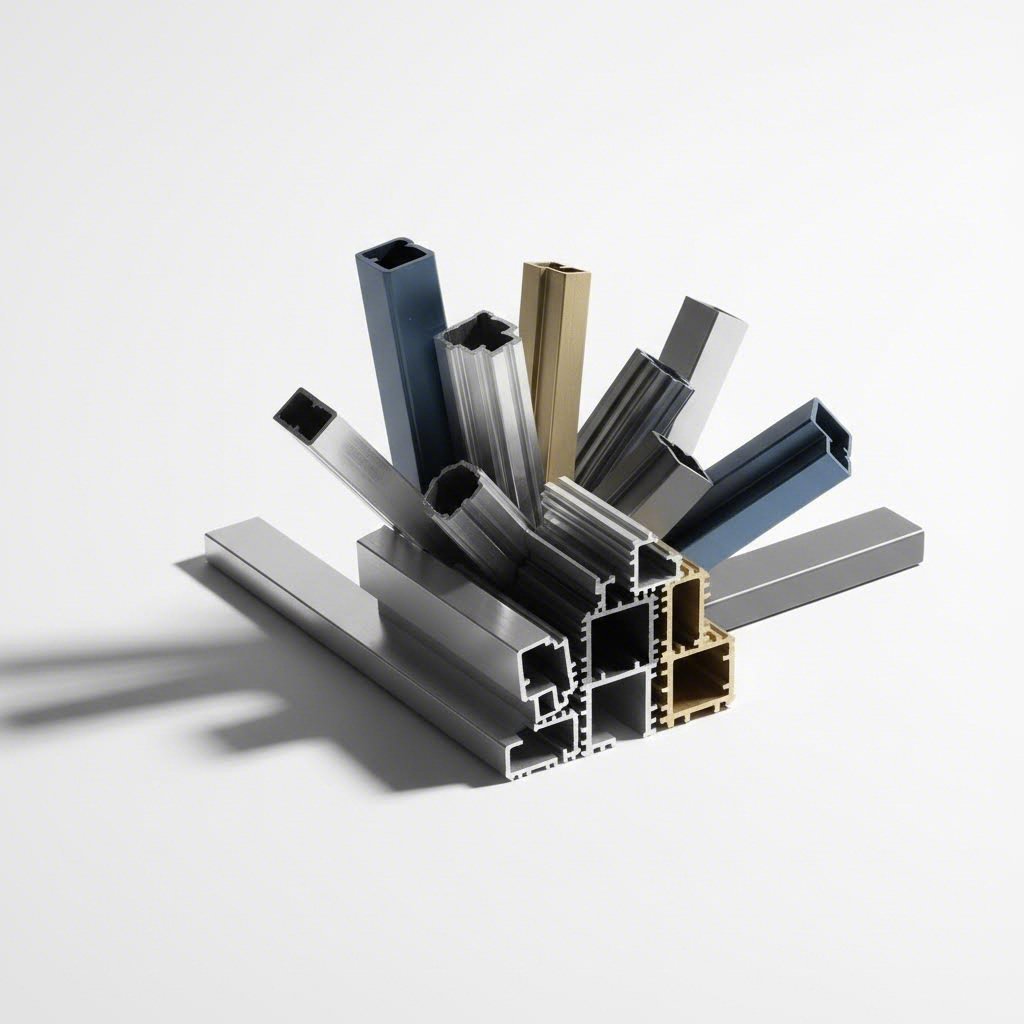
You've got the right press tonnage, understand the extrusion process, and know what secondary operations you need. But here's a question that trips up even experienced engineers: which aluminum alloy should you specify? This decision affects everything from structural performance to surface finish quality—and it's where factory expertise becomes invaluable.
Unlike steel, which comes in relatively standardized grades, aluminum alloys form a complex family with dramatically different properties. The 6000 series dominates extrusion applications because these alloys contain silicon and magnesium as primary alloying elements, making them ideal for the extrusion process while delivering excellent strength and corrosion resistance. But within this series, the differences matter significantly for your end application.
When factory engineers evaluate your custom extrusion requirements, they're balancing multiple factors that interact in complex ways. Here's what separates the three most common extrusion alloys:
6063 Aluminum is often called "architectural aluminum" for good reason. According to material specifications from RPM Industries, 6063-T52 delivers an ultimate tensile strength of 27,000 psi and yield strength of 21,000 psi—roughly half the strength of 6061. However, it offers a surface finish far smoother than other commercially available alloys, rating "Excellent" for anodizing and "Good" for forming operations.
6061 Aluminum stands as the most commonly used aluminum alloy across industries. With 6061-T6 achieving 45,000 psi ultimate tensile strength and 40,000 psi yield strength, it's specified for applications where structural performance is paramount. This alloy handles heat treatment well, machines easily, and welds reliably—making it the go-to choice for custom extrusion aluminum projects requiring strength.
6005A Aluminum bridges the gap between these two options. As a medium-strength alloy, 6005A-T61 temper provides mechanical properties similar to 6061-T6 (38,000 psi ultimate tensile, 35,000 psi yield) while offering improved extrudability compared to 6061. This makes it particularly valuable for bespoke aluminium extrusion projects requiring complex cross-sections that would be difficult to produce in 6061.
Walk through any commercial building, and the aluminum you see—window frames, curtain wall mullions, door thresholds—is almost certainly 6063. Why does this alloy dominate architectural applications despite its lower strength?
The answer lies in what architects and builders actually need. Custom aluminium extrusion for architectural projects prioritizes aesthetics, corrosion resistance, and finishing quality over raw structural capacity. Building codes typically require profiles designed with adequate cross-sectional area to meet load requirements, so the lower strength of 6063 rarely becomes a limiting factor.
Meanwhile, 6063's superior anodizing response delivers consistent, attractive finishes that maintain appearance over decades of weather exposure. For aerospace aluminum extrusions or heavy industrial applications, engineers specify 6061 or even 7000-series alloys. But for the vast majority of architectural and consumer product applications, 6063 provides the optimal balance of properties.
Experienced extrusion facilities don't just take orders—they consult with customers to ensure the specified alloy actually matches project requirements. When evaluating your custom extrusions request, factory engineers consider:
No single aluminum extrusion alloy is perfect for all applications. Understanding the limitations of each alloy—and how they align with your project requirements—prevents costly specification errors before production begins.
The best aluminum extrusion factories view alloy selection as a collaborative process rather than a simple order entry step. When you're discussing your project, pay attention to whether suppliers ask probing questions about your application or simply accept whatever alloy you specify. The former approach indicates engineering depth that typically translates to better outcomes throughout your project.
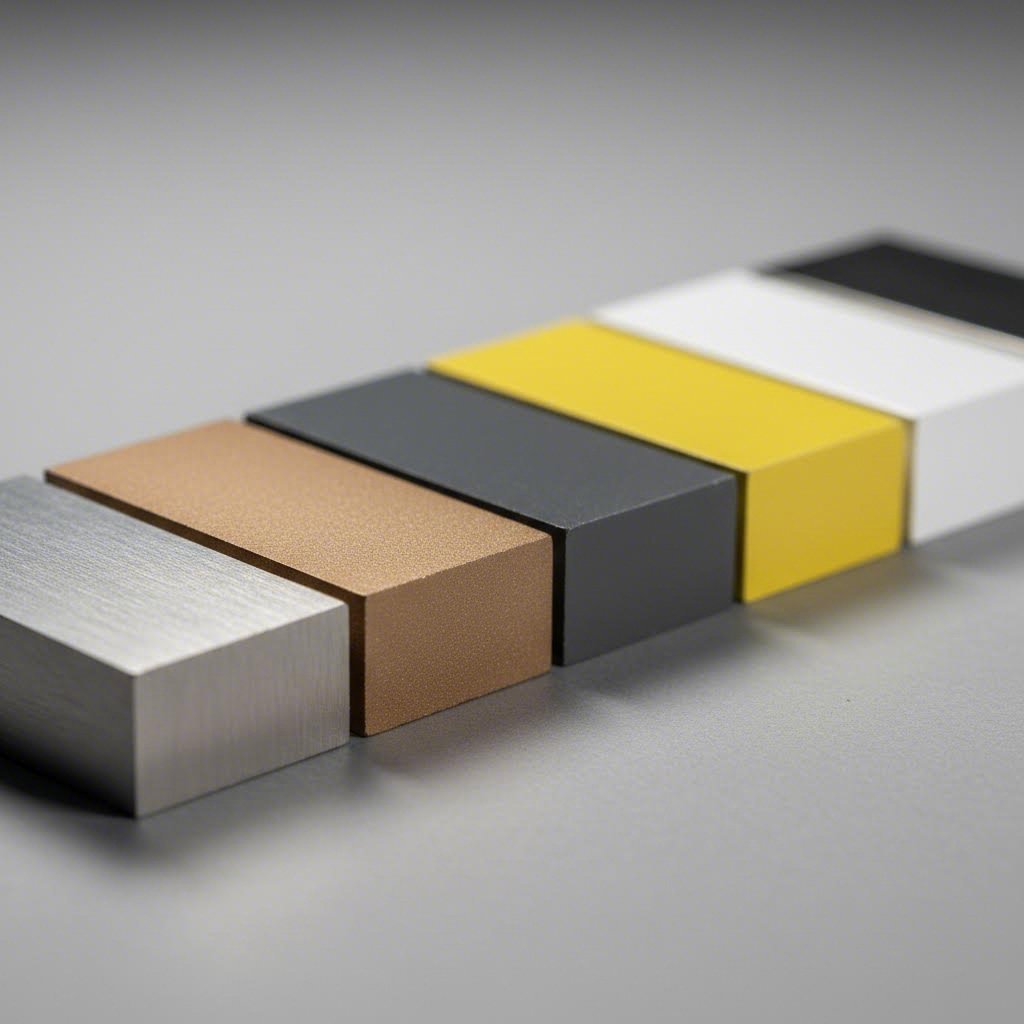
You've selected the right alloy and your profiles have been extruded to specification—but you're not finished yet. Raw "mill finish" aluminum, while functional, remains vulnerable to scratches, stains, and oxidation over time. The surface treatment you choose transforms your extrusion from a basic metal component into a finished product ready for decades of service.
Here's what many buyers overlook: aluminum extrusion services that include in-house finishing capabilities offer substantial advantages over facilities that outsource these operations. When one factory handles everything from billet to finished product, you eliminate shipping delays, reduce handling damage risks, and maintain consistent quality control throughout the process.
Modern aluminum profile manufacturing involves four primary surface treatment technologies, each serving distinct applications. Understanding their differences helps you specify the right finish—and evaluate whether potential suppliers actually have the capabilities your project requires.
Anodizing isn't a coating at all. This electrochemical process submerges aluminum in an acid bath while passing electric current through it, forming a super-hard protective layer of aluminum oxide that's fully integrated with the metal itself. According to Minh Dung Holdings, this makes anodizing unique—the protective layer won't chip or peel because it's part of the metal rather than applied on top.
Anodizing excels for aluminum extrusion supply applications requiring:
Powder Coating uses electrostatically charged dry powder sprayed onto grounded aluminum parts. The coated profiles then enter curing ovens where powder melts and flows into a smooth, durable finish. This technology dominates aluminum window extrusions suppliers' offerings because it delivers unlimited color options at reasonable cost.
PVDF Coating (Polyvinylidene Fluoride) represents the gold standard for exterior architectural applications. Applied as a high-performance liquid paint—often known by the trade name Kynar 500—PVDF coatings withstand decades of UV exposure, temperature extremes, and environmental pollutants without fading or chalking. Major building facades worldwide rely on PVDF-coated extruded aluminum systems for this reason.
Micro-Arc Oxidation (MAO) takes surface protection to another level entirely. As detailed by technical research, this advanced process—also called Plasma Electrolytic Oxidation—creates ceramic coatings 2-4 times harder than conventional anodizing. Originally developed to protect the Mir space station, MAO delivers exceptional wear resistance, electrical insulation, and corrosion protection for demanding applications.
Each surface treatment involves trade-offs between durability, aesthetics, cost, and application suitability. The following comparison helps you match finishing methods to project requirements:
| Treatment | Durability | Color Options | Relative Cost | Best Applications |
|---|---|---|---|---|
| Anodizing | Excellent hardness; integrated protection | Limited palette; metallic tones | Medium | Electronics, architectural facades, precision parts |
| Powder Coating | Good impact resistance; can chip under severe stress | Unlimited RAL/custom colors | Low-Medium | Window frames, furniture, automotive, industrial components |
| PVDF Coating | Exceptional UV/weather resistance; 20+ year warranties | Wide range including metallics | High | Curtain walls, building facades, metal roofing |
| Micro-Arc Oxidation | Superior hardness; ceramic-level protection | Limited; natural oxide colors | Highest | Aerospace, high-wear industrial, extreme environments |
Consider this real-world comparison: standard anodizing withstands approximately 200 hours in salt spray testing, while MAO coatings sustain over 2,000 hours under the same conditions. For aluminum extrusion manufacturing destined for marine or chemical environments, this ten-fold improvement in corrosion resistance often justifies MAO's premium cost.
Environmental factors also matter. Traditional anodizing produces aluminum hydroxide waste and uses sulfuric acid, creating disposal challenges. MAO technology incorporates 99% distilled water and generates no hazardous byproducts—an increasingly important consideration as regulations tighten.
When evaluating aluminum extrusion supply sources, pay close attention to which finishing operations they perform internally versus outsource. Factories with comprehensive in-house capabilities deliver several advantages:
A capable aluminum extrusion manufacturing facility offering multiple finishing options—anodizing lines, powder coating booths, and advanced treatments like MAO—positions itself as a true single-source solution. This matters especially for projects requiring mixed finishes across different components, where coordinating multiple outside vendors creates logistical headaches and quality control gaps.
Before finalizing any supplier relationship, ask specifically about their finishing capabilities and capacity. Can they anodize to your required color specifications? Do they maintain AAMA certification for architectural coatings? Understanding these details upfront prevents surprises when your project moves from quotation to production.
You've evaluated press tonnage, alloy options, and finishing capabilities—but here's a critical question many buyers overlook: how do you verify that a factory actually delivers consistent quality? The answer lies in understanding what industry certifications really mean and how quality control systems translate to reliable products reaching your facility.
When browsing supplier websites, you'll encounter alphabet soup: ISO 9001, IATF 16949, AS9100. Most us aluminum companies display these logos prominently, yet few explain what these certifications actually require. This knowledge gap leaves buyers unable to distinguish between factories with robust quality systems and those merely checking boxes.
Industry certifications aren't participation trophies—they represent documented evidence that a factory maintains specific operational standards verified through independent audits. Here's what the major certifications actually demand:
ISO 9001 establishes the baseline for quality management systems. According to industry guidance from Ya Ji Aluminum, this certification verifies process control, traceability, and continuous improvement practices. For any american aluminum extrusion supplier, ISO 9001 should be considered the minimum acceptable standard—not a differentiator.
IATF 16949 builds upon ISO 9001 with automotive-specific requirements. If you're sourcing extruded aluminum parts for vehicles, this certification indicates the factory understands zero-defect expectations, statistical process control, and the rigorous documentation automotive OEMs demand. An american aluminum co serving automotive clients without IATF certification raises immediate red flags.
AS9100 represents the aerospace industry's quality standard. Any aircraft extrusion company must demonstrate traceability to raw material sources, robust configuration management, and prevention-focused quality systems. The documentation requirements alone exceed what typical industrial manufacturers maintain—which is precisely why aerospace certification signals exceptional operational discipline.
Certification plaques on walls mean little without understanding how auditors evaluate facilities. During certification audits, inspectors examine whether documented procedures actually match shop floor practices. They trace individual parts back through production records, verify calibration of measuring equipment, and interview operators about their quality responsibilities.
This audit process reveals whether a factory treats quality as a genuine operational priority or merely administrative overhead. Facilities that pass automotive or aerospace audits demonstrate:
For the aluminum extrusion industry broadly, these certified facilities represent the upper tier of operational capability. A united states aluminum company maintaining AS9100 certification has already proven its systems can satisfy the most demanding quality requirements—giving you confidence they'll meet yours.
Beyond certifications, understanding how factories actually inspect products helps you evaluate their quality commitment. Comprehensive quality control in the aluminum extrusion industry involves three categories of testing:
Dimensional verification confirms profiles match design specifications. Advanced facilities use coordinate measuring machines (CMM) for precise three-dimensional measurements, while simpler checks employ calibrated gauges and fixtures. Ask potential suppliers whether they perform first-article inspection on new dies and how frequently they verify dimensions during production runs.
Surface quality assessment catches defects before finishing operations. Inspectors examine profiles for die lines, scratches, handling marks, and surface irregularities that would affect appearance after anodizing or coating. Facilities serving architectural markets typically maintain stricter surface standards than those focused on industrial applications.
Mechanical property testing verifies that heat treatment achieved specified strength levels. Tensile testing machines measure ultimate strength, yield strength, and elongation—the properties that determine whether your profiles will perform as designed. Certified facilities maintain documented evidence of these test results for every production lot.
When evaluating quality systems at potential suppliers, these questions reveal more than certification logos ever could:
Suppliers who answer these questions confidently—with specific data rather than vague assurances—demonstrate the operational transparency that distinguishes reliable partners from risky vendors. A factory hesitant to discuss quality systems or unable to produce documentation likely lacks the disciplined processes your projects require.
Certifications prove a factory has established quality systems. The questions you ask reveal whether those systems actually function—and whether the supplier views quality as a competitive advantage or an inconvenient requirement.
Understanding these quality fundamentals positions you to evaluate suppliers based on demonstrated capability rather than marketing claims. With certification requirements and inspection methods clarified, you're ready to tackle the practical aspects of supplier selection—the evaluation criteria and red flags that separate exceptional partners from problematic vendors.
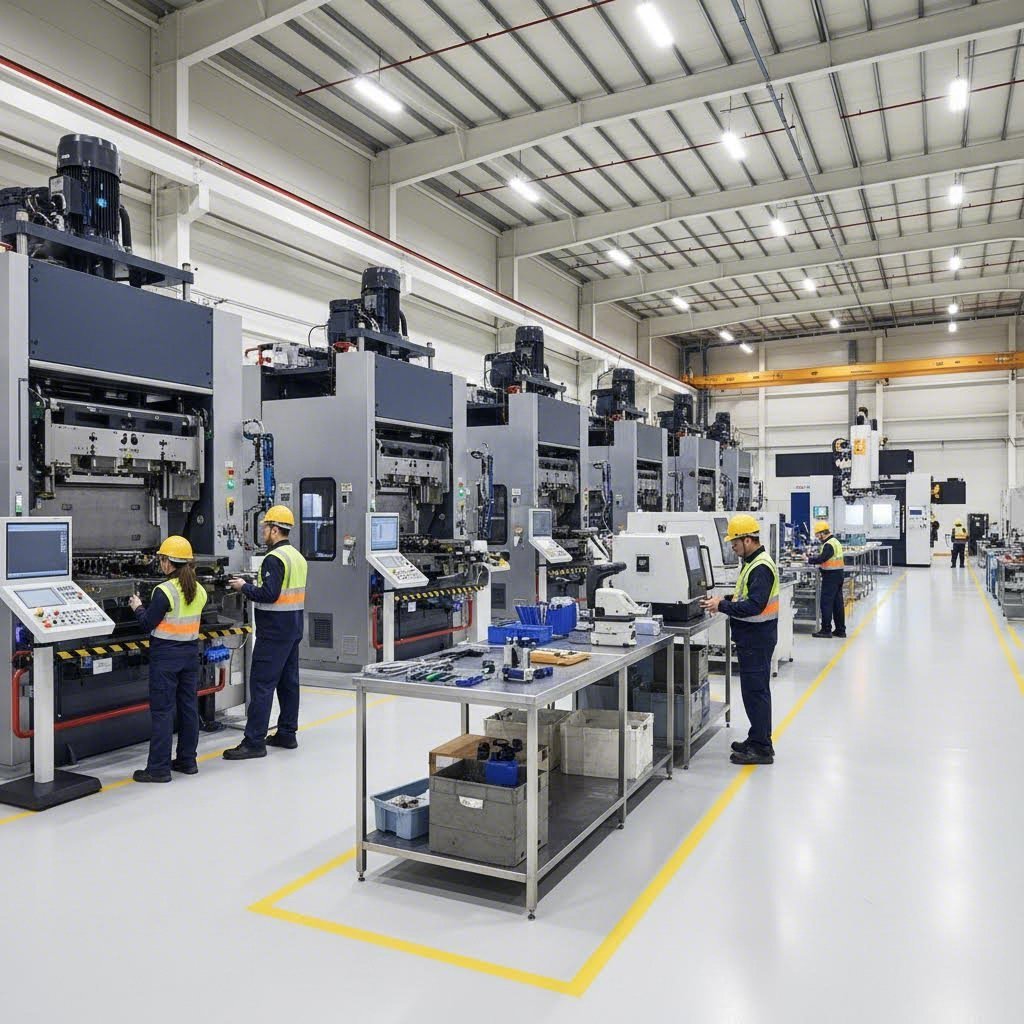
You understand the extrusion process, alloy properties, finishing options, and quality systems. Now comes the practical question: how do you actually choose the right aluminum extrusion suppliers for your project? This decision impacts everything from product quality to delivery reliability—and making the wrong choice creates headaches that ripple through your entire production schedule.
Finding top aluminum suppliers for custom products requires more than comparing quotes. It demands a systematic evaluation of capabilities, asking the right questions, and recognizing warning signs before you commit to a supplier relationship. Let's break down exactly what to look for—and what to avoid.
When you partner with aluminum extrusion suppliers, you're essentially adding an extension to your manufacturing operation. The questions you ask during evaluation reveal whether a supplier can actually deliver what your project demands—or whether they're overpromising to win your business.
Start with capability verification. Can the extrusion co handle your profile's complexity? According to industry guidance from Ya Ji Aluminum, you should review their extrusion press tonnage, die library, and machining centers. A supplier claiming they can produce your intricate hollow section but operating only small-tonnage presses cannot physically deliver on that promise.
Here's a practical evaluation checklist to guide your supplier conversations:
Pay close attention to how custom aluminum extrusion suppliers answer these questions. Vague responses like "we can handle anything" without specific data should raise concerns. Confident suppliers provide exact press tonnages, show sample projects, and offer facility tours or virtual walkthroughs.
Experience teaches buyers to recognize patterns that predict supplier performance. These warning signs and positive indicators help you separate capable extrusion companies from those likely to cause problems:
Where your supplier is located affects more than shipping costs. According to sourcing analysis from Monarch Metal, the domestic versus international sourcing decision now hinges on lead time, compliance risk, quality control, and total landed cost—not just the line item on a quote sheet.
Domestic aluminum extrusion suppliers typically deliver:
International sourcing may still make sense for high-volume, price-sensitive programs with predictable demand. However, you must calculate total landed cost—including freight, duties, tariffs, carrying costs, and risk buffers—rather than focusing solely on per-pound pricing. As Monarch Metal notes, an eight-week ocean transit forcing two extra months of inventory at 18 percent annual carrying cost can erase a 5-8 percent price advantage overnight.
The smartest procurement teams increasingly run dual-source models: domestic suppliers for responsive custom work and design iterations, with offshore options for stable high-volume production once specifications are locked. This approach balances cost efficiency with supply chain resilience.
Beyond equipment and certifications, evaluate whether a supplier functions as a true technical partner. Die development support proves especially critical for custom profiles. Experienced extrusion companies collaborate during design phases, identifying potential manufacturability issues before expensive tooling is cut.
Ask how they handle design reviews. Do engineers analyze tongue ratios, material flow, and wall thickness transitions? Will they suggest modifications that reduce die complexity or improve extrusion consistency? This collaborative approach—rather than simply accepting whatever drawing you provide—often distinguishes exceptional suppliers from adequate ones.
Technical consultation extends beyond initial die design. The best suppliers offer ongoing support for production optimization, surface treatment recommendations, and secondary operation planning. When you need to modify a design mid-production or troubleshoot quality issues, responsive engineering support makes the difference between minor adjustments and major project delays.
The right aluminum extrusion supplier doesn't just manufacture parts—they contribute expertise that improves your final product while preventing costly mistakes before they happen.
With evaluation criteria established and warning signs identified, understanding realistic production timelines becomes your next priority. Lead times and scheduling factors directly impact your project planning—and knowing what to expect helps you set achievable deadlines from the start.
You've found a capable supplier, verified their certifications, and confirmed they can produce your profile. Now comes the question that drives every project manager's planning: how long will this actually take? Understanding production timelines—and the factors that extend or compress them—helps you set realistic expectations and avoid the costly delays that plague poorly planned projects.
Here's what most buyers discover too late: lead times for custom aluminum extrusion aren't fixed numbers. They're dynamic estimates influenced by die complexity, factory workload, finishing requirements, and even commodity market conditions. Grasping these variables transforms you from someone who accepts delivery dates into someone who understands—and can negotiate—them.
Every aluminum extrusion order moves through distinct phases, each adding time to your delivery date. According to industry guidance from KMC Aluminium, three primary factors influence production lead time: tooling, extrusion, and fabrication. Let's break down what happens during each stage.
Tooling Lead Time applies when you're ordering custom aluminum extrusion profiles requiring new dies. This phase—typically 2 to 4 weeks—involves designing the die geometry, machining it from hardened tool steel, and heat treating it for durability. Complex profiles with intricate hollows, tight tolerances, or unusual shapes may require additional time. Remember, the die must be tested to verify the extrusion matches your specifications before full production begins.
Extrusion Lead Time covers actual production scheduling and pressing. Once your die is ready, your order enters the production queue. Where you land in that queue depends on the factory's current workload, press availability, and your order's priority. The extrusion run itself—heating billets, pressing profiles, cooling, stretching, and cutting—typically happens within days. But waiting for an available production slot can add weeks.
Fabrication Lead Time encompasses all post-extrusion operations. Many aluminum extruded products require surface finishing, CNC machining, cutting to length, drilling, or assembly. Each operation adds processing time. A profile needing only precision sawing might add 2-3 days, while custom anodizing by multi-axis machining could add 2-3 weeks.
Beyond these standard phases, several variables can stretch or shrink your timeline. Understanding them helps you plan more accurately—and identify opportunities to accelerate delivery when needed.
Factory capacity and workload directly impact scheduling. Custom aluminum extruders operating near full capacity may quote longer lead times simply because production slots are scarce. Conversely, facilities with available press time might expedite orders. This is why building relationships with multiple suppliers provides scheduling flexibility during high-demand periods.
Profile complexity influences multiple timeline stages. Simple solid shapes using existing dies can ship within 1-2 weeks. Complex hollow sections requiring new tooling, tight tolerances, and specialized finishing might take 8-12 weeks from order to delivery. The extrusion industry operates on this spectrum—your project's position determines realistic expectations.
Minimum order quantities relate directly to production efficiency. According to KMC Aluminium, MOQ requirements exist for legitimate technical and economic reasons. Die preparation, press setup, and quality verification create overhead costs regardless of run size. Larger orders spread these costs across more pieces, improving efficiency. Smaller quantities—while possible—may require premium pricing or longer waits as factories batch similar jobs together.
The following table illustrates typical timeline ranges for different project types:
| Project Type | Die/Tooling Phase | Production Phase | Finishing Phase | Total Lead Time |
|---|---|---|---|---|
| Standard profile (existing die) | None | 1-2 weeks | 1-2 weeks | 2-4 weeks |
| Simple custom profile (new die) | 2-3 weeks | 1-2 weeks | 1-2 weeks | 4-7 weeks |
| Complex custom profile (new die) | 3-4 weeks | 2-3 weeks | 2-3 weeks | 7-10 weeks |
| Complex profile with extensive fabrication | 3-4 weeks | 2-3 weeks | 3-4 weeks | 8-12 weeks |
Here's something that catches many buyers off guard: aluminum is a commodity traded on global markets, and prices fluctuate daily. This volatility affects how factories quote metal extrusion products—and why some quotes carry short validity periods.
Many facilities base quotes on current London Metal Exchange (LME) aluminum prices plus a fabrication premium. When commodity prices spike, your quote from last month may no longer be valid. Some factories address this by offering live pricing indicators or quote validity windows of 7-14 days. Others build pricing buffers into quotes to absorb moderate fluctuations.
Understanding this dynamic helps you time purchases strategically. If aluminum prices are trending downward, waiting a few weeks might reduce costs. If prices are rising, locking in quotes quickly protects your budget. Sophisticated buyers track LME trends and discuss pricing mechanisms with suppliers to understand exactly how commodity swings affect their orders.
Several approaches help buyers shorten or stabilize delivery timelines:
The extrusion industry rewards buyers who plan ahead and communicate clearly. Rushed orders with incomplete specifications create problems for everyone—production errors, quality compromises, and premium charges that erode project budgets. By understanding what drives realistic timelines, you position yourself to plan projects that succeed rather than scramble to recover from preventable delays.
You've now explored the complete journey inside an aluminum extrusion factory—from billet heating through quality certification. But knowledge without action doesn't move your project forward. The question becomes: how do you translate this understanding into selecting a supplier that actually delivers results?
Whether you're comparing hydro extrusions north america facilities, evaluating regional tower extrusions providers, or considering international extrusion corporation options, the evaluation criteria remain consistent. What separates capable custom aluminum extrusion manufacturers from adequate ones comes down to integrated capabilities, technical depth, and transparent partnership.
Let's distill everything covered into actionable takeaways. When evaluating any aluminum extrusion factory, these capabilities signal genuine manufacturing competence:
These aren't abstract ideals—they're practical differentiators that determine whether your project succeeds smoothly or struggles through preventable complications.
The hydro extrusions landscape includes everything from small specialty shops to massive international operations. Your ideal partner depends on project specifics: volume requirements, profile complexity, finishing needs, and geographic considerations.
For buyers seeking comprehensive capabilities, vertically integrated facilities offer distinct advantages. Consider what this integration actually delivers: when one factory controls everything from die design through surface treatment, you benefit from streamlined communication, consolidated accountability, and significantly faster turnaround. No shipping profiles between separate extrusion and finishing vendors. No finger-pointing when quality issues arise. One partner owns the entire outcome.
Vertically integrated factories transform what could be a fragmented supply chain into a single-source solution—reducing your coordination burden while improving quality consistency and delivery reliability.
As an example of this integrated approach, Shengxin Aluminium demonstrates what comprehensive factory capabilities look like in practice. Their operation includes 35 extrusion presses spanning 600T to 5500T capacity, CNC machining centers for precision secondary operations, and complete surface treatment options including anodizing (with custom colors), powder coating, PVDF, and micro-arc oxidation. With over 30 years of experience, their technical team provides end-to-end support from die development through mass production—exactly the partnership model that reduces risk for custom aluminum extrusion profiles.
Ready to source aluminum extruded products for your next project? Here's a practical roadmap:
The aluminum extrusion industry rewards informed buyers. You now understand what happens inside these facilities, what equipment capabilities mean for your projects, and how to evaluate suppliers beyond surface-level marketing claims. This knowledge positions you to ask better questions, recognize genuine expertise, and ultimately select partners capable of delivering exactly what your applications demand.
Whether you're developing architectural systems, industrial components, or precision engineered assemblies, the right factory relationship becomes a competitive advantage—not just a procurement transaction. Start your evaluation process with clear requirements, apply the criteria outlined throughout this guide, and build partnerships with suppliers who view your success as their success.
An aluminum extrusion factory is a specialized manufacturing facility that transforms raw aluminum billets into shaped profiles through a process involving heat and pressure. The billet is heated to 400-500°C, then forced through a custom-designed die using hydraulic presses ranging from 600T to 5500T. The resulting profile emerges with the exact cross-sectional shape of the die opening. After extrusion, profiles undergo cooling, stretching for straightness, precision cutting, and often heat treatment and surface finishing before shipment.
Evaluate suppliers based on press capacity range (matching your profile complexity), in-house finishing capabilities, engineering support availability, quality certifications (ISO 9001, IATF 16949, AS9100), and minimum order quantities. Request samples, ask for customer references, and verify their die development process. Vertically integrated facilities like Shengxin Aluminium—with 35 presses from 600T-5500T, CNC machining centers, and comprehensive surface treatments—offer advantages through consolidated quality control and faster lead times.
Lead times vary based on project complexity. Standard profiles using existing dies typically ship within 2-4 weeks. Simple custom profiles requiring new dies take 4-7 weeks, while complex custom profiles with extensive fabrication may require 8-12 weeks. Key phases include die fabrication (2-4 weeks for custom tooling), production scheduling, extrusion runs, and finishing operations. Factory workload, profile complexity, and finishing requirements all influence your delivery date.
The 6000 series dominates extrusion applications. 6063 aluminum excels for architectural projects due to its superior surface finish and anodizing response—ideal for window frames and decorative profiles. 6061 aluminum offers higher strength (45,000 psi tensile) for structural applications requiring welding and machining. 6005A bridges both options with medium strength and improved extrudability for complex cross-sections. Factory engineers evaluate structural loads, environmental exposure, finishing requirements, and cost constraints to recommend the optimal alloy.
Four primary surface treatments serve different applications. Anodizing creates an integrated protective oxide layer ideal for electronics and architectural facades with limited color options. Powder coating offers unlimited RAL colors at moderate cost for window frames and industrial components. PVDF coating provides exceptional UV resistance with 20+ year warranties for building facades. Micro-arc oxidation delivers ceramic-level hardness for aerospace and extreme environments. In-house finishing capabilities—like those at facilities offering anodizing, powder coating, PVDF, and MAO—streamline supply chains and ensure quality consistency.



 dịch vụ trực tuyến
 0086 136 3563 2360
 sales@sxalu.com
 +86 136 3563 2360
 Việt
 English
 français
 Deutsch
 русский
 español
 português
 العربية
 ไทย
 Українська