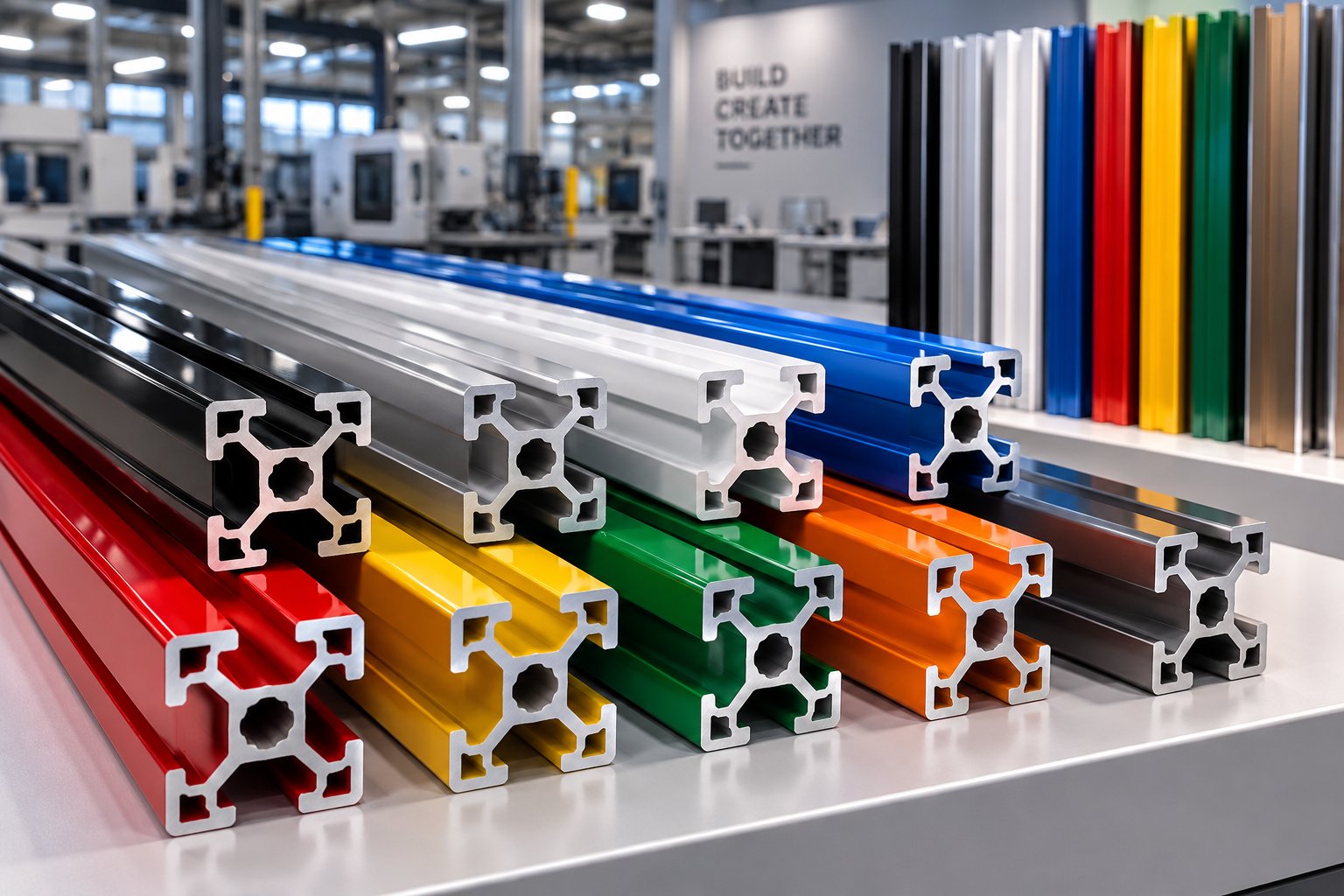
When you're specifying materials for architectural facades, industrial equipment, or consumer products, you'll often encounter the term "powder coated aluminum extrusions." But what exactly makes this finishing method so popular among engineers, architects, and manufacturers worldwide?
Powder coating is a dry finishing process where electrostatically charged powder particles are sprayed onto aluminum surfaces and then cured with heat, forming a durable, uniform, and decorative protective layer.
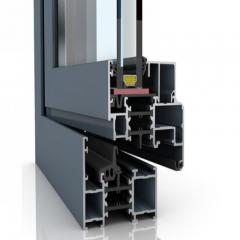
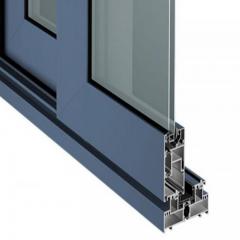
Unlike traditional wet paint applications, this process creates a finish that's thicker, more resilient, and remarkably consistent across complex shapes. Whether you're working with aluminum square tubing for structural frameworks or intricate extruded tube profiles for window systems, this finishing method delivers exceptional results.
Imagine trying to paint a 1/4 aluminium tube with liquid coating. You'd likely encounter drips, uneven coverage, and difficulty reaching every surface uniformly. Powder coating eliminates these challenges entirely.
The key difference lies in the application method. Liquid painting involves spraying wet paint containing solvents onto surfaces and allowing it to air dry. Powder coating, however, uses completely dry powder particles that adhere electrostatically before undergoing heat curing. This fundamental distinction creates several practical advantages:
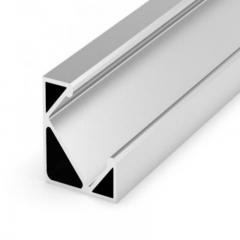
Aluminum extrusions specifically benefit from powder coating because of their inherently complex cross-sectional profiles. When you powder coat aluminum, the electrostatic charge ensures particles reach recessed areas, internal corners, and detailed surfaces that liquid paint often misses.
So how does dry powder actually stick to metal surfaces? The science is elegantly simple yet remarkably effective.
During application, powder particles pass through a spray gun that imparts a negative electrostatic charge. Meanwhile, the aluminum extrusion is grounded, creating a positive electrical potential. This charge differential causes powder particles to be attracted to and cling uniformly across the aluminum surface—even against gravity on vertical or overhead surfaces.
The grounding process is critically important. According to industry research, maintaining excellent ground during powder application significantly improves surface topography and coating consistency. Without proper grounding, issues like uneven film thickness and poor transfer efficiency can compromise the final result.
Once applied, the coated aluminum enters a curing oven where temperatures between 110-250°C trigger a chemical transformation. The powder particles melt, flow together, and cross-link into a continuous, durable film that's mechanically bonded to the aluminum substrate. This creates a finish that won't peel, crack, or flake under normal service conditions.
Understanding these fundamentals helps you appreciate why powder coated aluminum extrusions have become the preferred choice for applications demanding both aesthetic appeal and long-term performance. In the following sections, we'll explore exactly how to specify them correctly for your specific requirements.
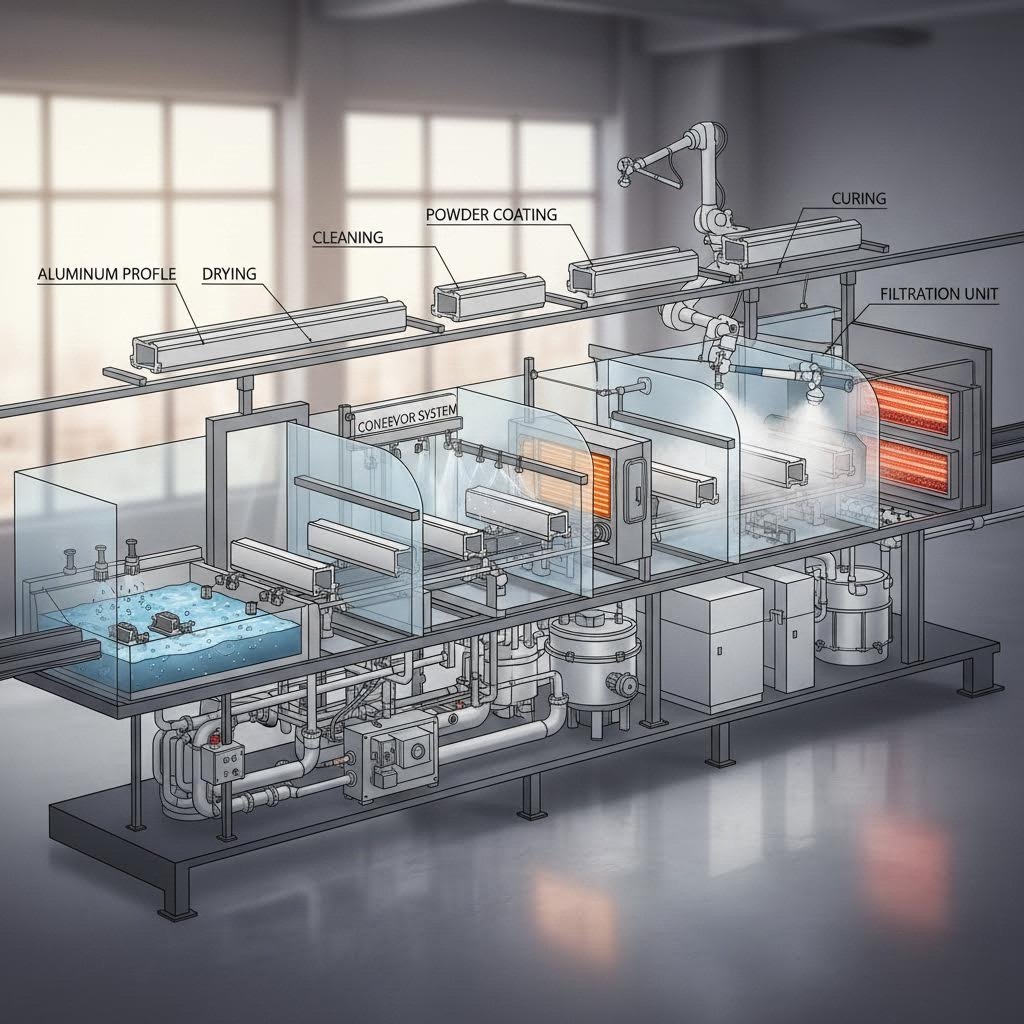
Now that you understand how electrostatic attraction makes powder coating possible, let's walk through the entire process step by step. Knowing what happens at each stage helps you evaluate suppliers and troubleshoot quality issues when they arise.
The complete powder coating process involves far more than simply spraying powder and baking it. Professional coating of square aluminum tubing and complex extrusion profiles requires meticulous attention at every phase. Here's the sequential breakdown:
Here's something many specifiers don't realize: the pre-treatment phase often determines 80% of your coating's long-term performance. You can use the finest aluminum square stock and premium powder, but skip proper pre-treatment and you'll face adhesion failures within months.
A thorough aluminum pretreatment process typically includes eight stages:
The conversion coating step deserves special attention. Traditional chromate conversion coatings provide excellent corrosion resistance but face increasing environmental restrictions. Chrome-free alternatives using zirconium or titanium-based chemistries now offer comparable performance while meeting stricter regulations. When specifying extruded aluminum square tubing for sensitive applications, confirm which conversion coating type your supplier uses.
After pre-treatment, masking protects areas that must remain coating-free. Special high-temperature masking tape rated for temperatures approaching 400°F covers threads, machined surfaces, and assembly interfaces. For 1 square tube aluminum profiles requiring clean internal surfaces, specialized plugs prevent powder from entering hollow sections.
Once powder is electrostatically applied, curing transforms loose particles into a durable, crosslinked finish. Getting the parameters right is critical—too little heat leaves uncured powder that scratches easily, while excessive temperature can cause discoloration or brittleness.
According to industry specifications, most aluminum powder coatings cure at 325-400°F (163-204°C) for 10-25 minutes. However, these numbers represent metal temperature, not oven temperature—a distinction that matters enormously for varying substrate thicknesses.
| Curing Factor | Typical Range | Impact on Quality |
|---|---|---|
| Oven temperature | 350°F - 450°F (177°C - 232°C) | Controls crosslinking speed and degree |
| Dwell time | 10 - 30 minutes | Ensures complete cure throughout coating |
| Metal temperature | 325°F - 400°F (163°C - 204°C) | Actual surface temp drives cure chemistry |
| Ramp-up time | Varies by part mass | Thicker 1 aluminium square tube sections require longer heating |
Coating thickness represents another critical quality parameter. Most powder coatings fall within 2.0 to 5.0 mils (50-125 microns) for general applications. Architectural specifications like AAMA 2605 require minimum thickness of 50 microns (2 mils), while Qualicoat standards typically demand 60-80 microns for exterior aluminum applications.
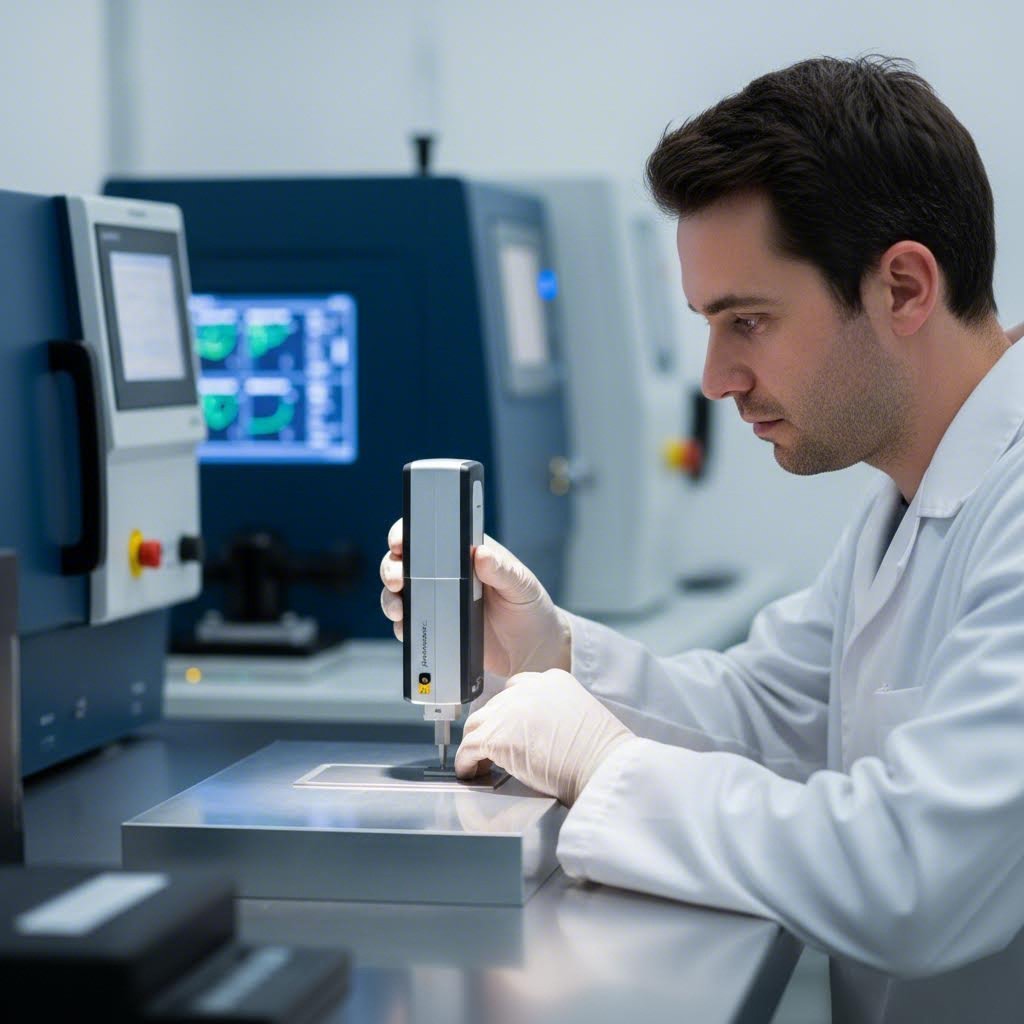
Quality professionals measure dry film thickness using specialized gauges. Eddy current instruments work well for non-conductive coatings on aluminum substrates, providing accurate readings without damaging the finish. Regular thickness checks throughout production runs ensure consistency across all pieces.
Final inspection combines instrumental testing with visual examination. Quality control teams verify:
Understanding these process details empowers you to ask the right questions when evaluating powder coating suppliers. But process knowledge alone isn't enough—you also need to understand the different coating chemistries available and which ones suit your specific application requirements.
With proper pre-treatment and curing parameters established, your next critical decision involves selecting the right powder chemistry. Not all powder coatings perform equally—each formulation brings distinct advantages and limitations that directly impact your project's long-term success.
Think of powder coating chemistry like choosing building materials. You wouldn't specify the same materials for an interior office partition as you would for an oceanfront structural aluminum tubing installation. The same principle applies to powder coatings. Let's explore your options.
The three primary powder coating chemistries—epoxy, polyester, and fluoropolymer—each occupy distinct performance niches. Understanding these differences helps you match coating capabilities to application demands.
Epoxy Coatings: These thermosetting powders deliver exceptional adhesion and outstanding chemical resistance. When you need aluminum square pipe components to withstand aggressive chemicals, solvents, or corrosive environments, epoxy formulations excel. However, they have one significant weakness: UV stability. Epoxy coatings chalk and degrade when exposed to sunlight, making them unsuitable for exterior applications. Choose epoxy for interior industrial equipment, laboratory fixtures, and components requiring maximum chemical protection.
Polyester Coatings: Standard polyester and super-durable polyester (SDP) formulations dominate architectural and exterior applications. According to industry material selection guidelines, polyester powders offer superior UV resistance compared to epoxy while maintaining good mechanical properties. Super-durable polyester extends this protection further, providing enhanced weathering resistance for demanding outdoor installations. When specifying aluminum extrusion square profiles for window frames, curtain walls, or aluminium box tube railings, polyester chemistry typically represents the optimal balance of performance and value.
Fluoropolymer (PVDF) Coatings: For premium weathering performance, fluoropolymer coatings stand unmatched. These specialized formulations maintain color and gloss retention for decades, even in harsh coastal or industrial atmospheres. The most common fluoropolymer chemistry—polyvinylidene fluoride (PVDF)—meets the most stringent architectural specifications. While more expensive than polyester alternatives, PVDF coatings deliver exceptional long-term value for high-visibility projects where appearance matters.
Selecting the appropriate chemistry requires evaluating several factors: environmental exposure, aesthetic requirements, expected service life, and budget constraints. Hybrid formulations offer another option worth considering.
Epoxy-Polyester Hybrids: These blended formulations combine epoxy's excellent adhesion with polyester's improved UV tolerance. While not suitable for extended outdoor exposure, hybrids work well for interior applications requiring both chemical resistance and light stability. They're commonly specified for aluminum box tubing components in commercial interiors, retail fixtures, and office furniture.
The following comparison table summarizes key performance characteristics across major powder coating chemistries:
| Coating Type | UV Resistance | Flexibility | Chemical Resistance | Recommended Applications |
|---|---|---|---|---|
| Epoxy | Poor | Good | Excellent | Interior industrial, chemical processing equipment, laboratory fixtures |
| Standard Polyester | Good | Excellent | Moderate | General exterior, aluminum tube square components, consumer products |
| Super-Durable Polyester | Very Good | Excellent | Moderate | Architectural exteriors, structural aluminum tubing, building facades |
| Epoxy-Polyester Hybrid | Fair | Good | Very Good | Interior with light exposure, office systems, display fixtures |
| Fluoropolymer (PVDF) | Excellent | Good | Good | Premium architectural, high-rise facades, coastal environments |
Beyond chemistry selection, consider available colors, textures, and special effects. As noted in coating selection resources, powder coatings offer nearly endless palette options—from bold metallics to subtle matte finishes and even surfaces mimicking wood or stone textures. These aesthetic choices can be combined with any compatible base chemistry.
When evaluating powder coating options for your aluminum square pipe or architectural profiles, remember that chemistry selection directly impacts which industry certifications your finish can achieve. The next section explores these critical quality standards and what they mean for your specifications.
You've selected your coating chemistry—but how do you verify that your finished square aluminum tube or architectural profile will actually perform as promised? This is where industry standards and certifications become invaluable.
Unlike vague marketing claims, recognized quality certifications provide measurable, third-party verified performance guarantees. Understanding these standards helps you specify with confidence and hold suppliers accountable to defined benchmarks.
In North America, the AAMA specifications represent the gold standard for architectural coating performance. Originally developed by the American Architectural Manufacturers Association (now the Fenestration and Glazing Industry Alliance), these voluntary specifications establish clear testing and performance requirements.
Three primary AAMA specifications apply to powder coated aluminum extrusions:
It's worth noting that these specifications apply to both liquid and powder coatings—a common misconception suggests they're only for liquid finishes. When specifying 3 4 aluminum square tube for monumental buildings, stadiums, or government facilities, AAMA 2605-compliant fluoropolymer powders deliver the same premium performance as traditional 70% PVDF liquid paints.
Key testing requirements become progressively stricter across specifications:
| Test Category | AAMA 2603 | AAMA 2604 | AAMA 2605 |
|---|---|---|---|
| South Florida Weathering | 1 year | 5 years | 10 years |
| Color Retention (Delta E) | Slight change allowed | ≤5 Delta E units | ≤5 Delta E units |
| Gloss Retention | Not specified | ≥50% of original | ≥50% of original |
| Salt Spray Resistance | 1,500 hours | 3,000 hours | 4,000 hours |
| Humidity Resistance | 1,500 hours | 3,000 hours | 4,000 hours |
For European markets and international projects, Qualicoat certification serves as the leading quality benchmark. This international quality label specifically addresses aluminum tubing square profiles and architectural components.
What sets Qualicoat apart from less rigorous processes? Several critical factors:
The real-world impact is significant. Non-certified coatings may show visible fading and wear within just 12 months, while Qualicoat-certified products offer durability guarantees ranging from 15 to 25 years—even in challenging conditions.
GSB (Gütegemeinschaft für die Stückbeschichtung von Bauteilen) represents another European standard worth knowing. Similar to Qualicoat in scope, GSB certification validates coating quality primarily in German-speaking markets and provides comparable performance assurances for aluminum extrusion applications.
When specifying powder coated aluminum extrusions, referencing these standards eliminates ambiguity. Rather than accepting generic "powder coating" that might be any quality level, stating "coating shall meet AAMA 2605" or "Qualicoat Class 2 certified" establishes clear, enforceable performance expectations. This protects your project from substandard finishes while ensuring long-term value from your investment.
Now that you understand what these certifications guarantee, let's explore how to match specific coating selections to your particular application requirements.
Understanding coating chemistries and certifications is essential—but how do you translate that knowledge into the right specification for your specific project? Whether you're designing window systems, industrial machinery, or consumer products, the application environment drives every coating decision you'll make.
Let's break down the major application categories and explore exactly which coatings work best for each scenario.
Architectural projects represent the largest market for powder coated aluminum extrusions, and for good reason. From sleek curtain walls on high-rise buildings to residential window frames, these applications demand coatings that balance aesthetic appeal with decades of weather resistance.
Window Frames and Door Systems: These components face direct sunlight, rain exposure, and temperature cycling throughout their service life. For residential windows using 1 inch square aluminum tubing profiles, AAMA 2604-compliant super-durable polyester typically provides the optimal cost-performance balance. Commercial projects in harsh climates may warrant upgrading to AAMA 2605 fluoropolymer finishes.
Curtain Walls and Building Facades: High-visibility facade applications require premium coating performance. Consider your building's orientation—south-facing elevations receive significantly more UV exposure than north-facing surfaces. For monumental projects, specifying fluoropolymer coatings ensures color consistency across all elevations for 20+ years.
Railings and Exterior Trim: These elements often use aluminum square profiles in various sizes, from 1 square aluminum tubing for handrail components to larger structural members. Black square aluminum tubing has become particularly popular for modern architectural aesthetics, but dark colors absorb more heat and require coatings with excellent thermal stability.
Environmental exposure conditions should heavily influence your architectural coating selection:
Industrial applications present entirely different challenges than architectural projects. Here, chemical resistance, abrasion tolerance, and functional performance often outweigh aesthetic concerns.
Manufacturing Equipment: Machinery frames, guards, and enclosures built from 2 inch aluminum square tube or similar structural profiles frequently encounter cutting fluids, lubricants, and cleaning chemicals. Epoxy or epoxy-polyester hybrid coatings excel in these environments, providing the chemical resistance that standard polyester cannot match.
Food Processing and Medical Equipment: These specialized applications require coatings that meet FDA or NSF standards for incidental food contact. Certain powder formulations are specifically approved for these environments—always verify compliance before specifying.
Consumer Products and Furniture: From outdoor patio furniture to exercise equipment, consumer products prioritize both durability and visual appeal. Black aluminum square tubing components for furniture frames benefit from textured finishes that hide minor scratches while providing UV resistance for outdoor use. For 1.5 aluminum square tube applications in premium furniture, metallic or pearlescent special effects can differentiate products in competitive markets.
The following table matches application categories with recommended coating specifications:
| Application Category | Recommended Coating Type | Finish Options | Applicable Standard | Key Performance Requirements |
|---|---|---|---|---|
| Residential Windows | Super-Durable Polyester | Smooth, matte to semi-gloss | AAMA 2604 | UV resistance, color retention |
| Commercial Curtain Walls | Fluoropolymer (PVDF) | High gloss, metallics available | AAMA 2605 / Qualicoat Class 3 | 20+ year weathering, color consistency |
| Exterior Railings | Super-Durable Polyester | Textured, semi-gloss | AAMA 2604 | Abrasion resistance, UV stability |
| Industrial Equipment | Epoxy or Hybrid | Smooth or textured, any gloss | Application-specific | Chemical resistance, impact tolerance |
| Outdoor Furniture | Standard Polyester | Textured, low to medium gloss | AAMA 2603 minimum | UV resistance, scratch hiding |
| Food/Medical Equipment | FDA-Compliant Formulations | Smooth, easy-clean | FDA/NSF certification | Cleanability, chemical resistance |
Color Matching and Aesthetic Options: Modern powder coating technology offers virtually unlimited color possibilities. Standard RAL and Pantone matching ensures consistency across project phases, while custom color development accommodates unique branding requirements. Gloss levels range from dead matte (5-10 gloss units) through semi-gloss (40-60 units) to high gloss (80+ units).
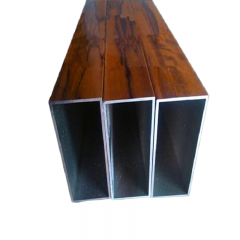
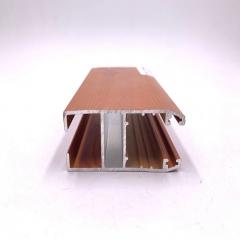
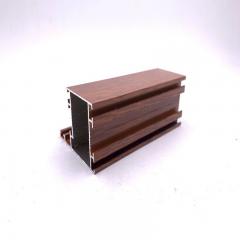
Special effects have expanded dramatically in recent years. Metallic finishes incorporate aluminum flakes for sparkle, while pearlescent powders create color-shifting effects. Textured finishes—including wrinkle, hammer-tone, and sand textures—provide both aesthetic interest and practical scratch concealment. Wood-grain and stone-effect transfer films can even make aluminum square components mimic natural materials.
With your application requirements defined and coating type selected, the next logical question becomes: how does powder coating compare against alternative finishing methods? Understanding these trade-offs ensures you're making the optimal choice for your project.
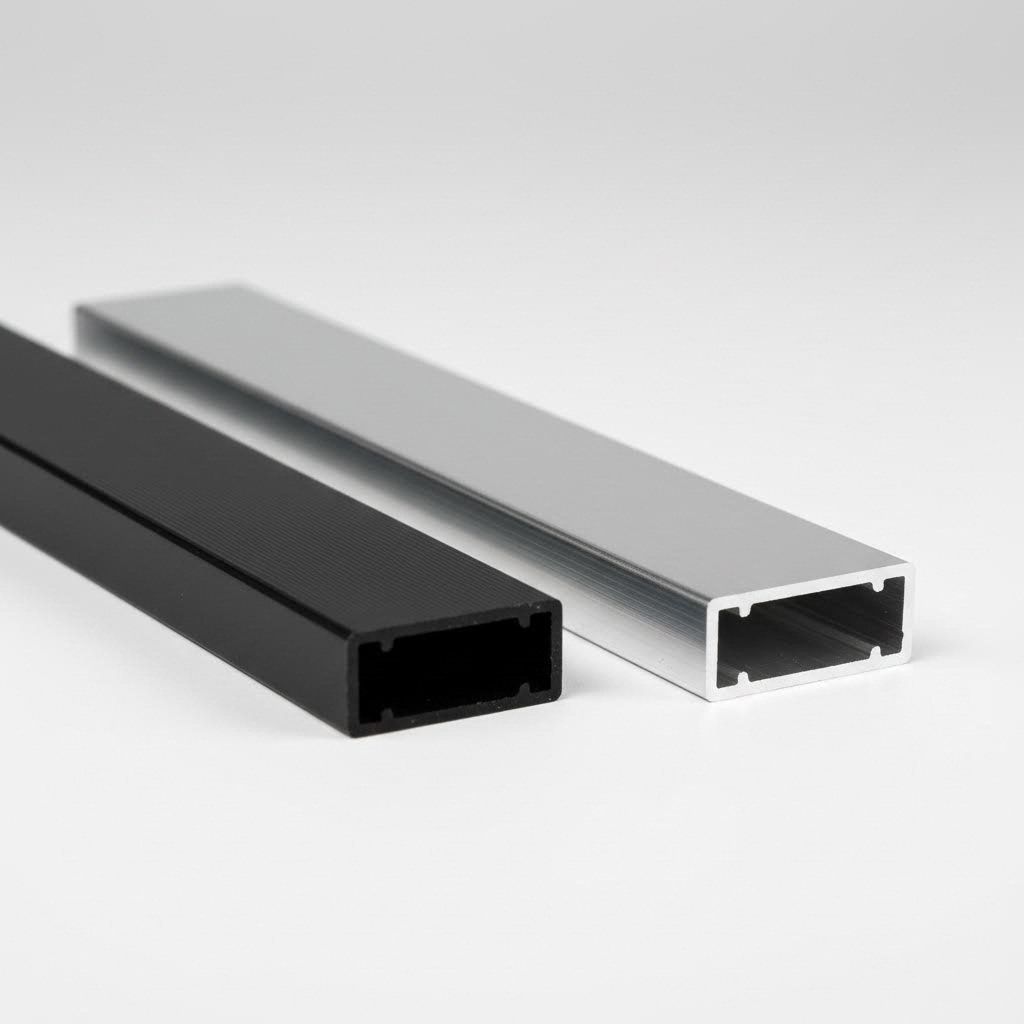
You've explored powder coating chemistry, certifications, and application-specific recommendations. But here's a question that often surfaces during the specification process: is powder coating actually the best choice for your project, or would anodizing or liquid paint serve you better?
Making an informed decision requires understanding how these finishing methods stack up against each other. Let's examine the key differences so you can confidently select the optimal finish for your anodized aluminum extrusion, square aluminum profiles, or aluminum tube frame applications.
Anodizing and powder coating represent fundamentally different approaches to protecting aluminum surfaces. Anodizing is an electrochemical process that converts the aluminum surface into a durable aluminum oxide layer—essentially becoming part of the metal itself. Powder coating, by contrast, applies a separate protective layer on top of the aluminum substrate.
This distinction creates meaningful performance differences:
A common question arises: can you powder coat anodized aluminum? Technically, yes—but the anodized layer creates adhesion challenges. The oxide surface doesn't accept powder coating as readily as bare aluminum with proper chemical pre-treatment. If you're considering this approach, the anodized layer typically needs mechanical abrasion or chemical etching before powder application, adding cost and complexity. For most projects, choosing one finish or the other proves more practical than combining them.
Despite powder coating's advantages, liquid paint finishes—particularly PVDF (polyvinylidene fluoride) coatings—remain relevant for specific applications. When might liquid paint outperform powder?
Ultra-thin applications: Liquid coatings can achieve film thicknesses as low as 20-30 microns, which matters when tight dimensional tolerances are critical. Black aluminum square tube components requiring precise fits may benefit from thinner liquid applications.
Field touch-ups: Liquid paint allows straightforward on-site repairs, while powder coating requires oven curing—typically impractical for installed components.
Extremely large structures: Components exceeding oven dimensions cannot be powder coated. Massive architectural elements or industrial structures sometimes require liquid application by necessity.
However, powder coating's environmental advantages often tip the balance in its favor. According to the Powder Coating Institute, powder coatings emit negligible volatile organic compounds (VOCs) into the atmosphere since they contain no solvents. This represents a significant environmental benefit over solvent-based liquid paints.
Additional sustainability advantages include:
The following comparison summarizes key differences across finishing methods for square aluminum and other extrusion applications:
| Factor | Powder Coating | Anodizing | Liquid Paint (PVDF) |
|---|---|---|---|
| Relative Cost | Moderate | Low to Moderate | Moderate to High |
| Durability | Excellent impact and chip resistance | Superior abrasion resistance | Excellent weathering |
| Color Options | Unlimited colors, textures, effects | Limited to metallics, earth tones, black | Full color range |
| Environmental Impact | Negligible VOCs, recyclable overspray | Water-based process, some chemical waste | Contains solvents, VOC emissions |
| Best Applications | Architectural, industrial, consumer products | High-wear components, natural aesthetics | Field-repairable, ultra-thin requirements |
| Typical Film Thickness | 50-125 microns | 5-25 microns | 20-40 microns |
| Field Repair | Difficult (requires oven curing) | Very difficult | Straightforward |
For most aluminum tube frame and architectural applications, powder coating delivers the optimal combination of durability, aesthetics, and environmental responsibility. Anodizing excels when natural metallic appearance or extreme abrasion resistance matters most. Liquid PVDF remains valuable for oversized components or situations requiring field repairs.
Understanding these trade-offs positions you to make specification decisions with confidence. But finishing selection represents just one cost consideration—next, we'll examine the full range of factors affecting your powder coating investment.
You've selected the right coating chemistry, verified certification requirements, and compared finishing alternatives. Now comes the question that often determines project feasibility: what will this actually cost, and is the investment worthwhile?
Understanding powder coating economics goes beyond simple per-piece pricing. Smart specifiers evaluate total lifecycle costs—including maintenance, replacement cycles, and warranty protection—to make decisions that deliver genuine long-term value.
When you request quotes for powder coating services, you'll notice significant price variations between suppliers. These differences aren't arbitrary—they reflect real variables in the coating process that directly impact your final cost.
According to industry pricing guides, several key factors determine what you'll pay for finished aluminum tube for sale or custom extrusion projects:
Let's put this into perspective with a practical example. For a standard aluminum square tube stock order:
| Cost Component | Typical Range | Impact on Total |
|---|---|---|
| Powder material | $5-15 per pound | 15-25% of total |
| Labor (application) | $15-30 per hour | 25-35% of total |
| Pre-treatment | $1-5 per part | 10-20% of total |
| Equipment/energy | $10-20 per hour | 15-25% of total |
| Setup/changeover | Variable | 5-15% of total |
Transfer efficiency also affects your aluminum tube price significantly. Well-maintained equipment with skilled operators achieves 60-70% transfer efficiency, meaning most powder reaches the part. Poorly calibrated systems may waste 40% or more as overspray—cost you're absorbing without receiving value.
Here's where the real financial picture emerges. Initial coating cost represents just one component of total ownership expense. Quality powder coated aluminum extrusions deliver substantial savings over their service life.
Maintenance cost reduction: Properly specified coatings require only periodic cleaning with mild soap and water. Compare this to painted surfaces needing regular touch-ups or refinishing every 5-7 years. For commercial aluminum tube sales applications like storefronts and building facades, maintenance savings alone can justify premium coating investments.
Extended replacement cycles: AAMA 2605-compliant coatings maintain appearance for 20+ years in demanding environments. Lesser specifications may require complete refinishing or component replacement within 10 years. When you calculate the full lifecycle cost—including removal, disposal, and reinstallation—investing in quality coating upfront typically proves more economical.
Warranty protection: Quality suppliers stand behind their work. Expect warranties ranging from 5 years for standard commercial coatings up to 20 years for premium fluoropolymer finishes on architectural applications. These warranties should cover:
When evaluating aluminum tube for sale pricing, request warranty documentation upfront. Suppliers offering minimal or no warranty protection may deliver lower initial costs but leave you exposed to premature failures and replacement expenses.
The relationship between initial investment and long-term performance follows a predictable pattern: spending 15-25% more for certified, properly applied coatings typically reduces total lifecycle costs by 30-50% compared to budget alternatives. For projects where appearance and durability matter, this math strongly favors quality.
Of course, even the best coating requires proper care to deliver its full service life. Understanding maintenance requirements helps you maximize your powder coating investment.
You've invested in quality powder coated aluminum extrusions—now how do you protect that investment for decades to come? Think of maintaining your coated profiles like caring for your car: regular attention prevents small issues from becoming expensive problems.
The good news? Powder coated surfaces require remarkably little maintenance compared to other finishes. According to AkzoNobel's maintenance guidelines, a simple routine keeps your 1 aluminum square tubing, architectural profiles, and structural components looking fresh year after year.
How often should you clean powder coated surfaces? The answer depends entirely on your environmental conditions. Industry guidelines recommend cleaning at least every six months for mild environments—and much more frequently in challenging locations.
For coastal installations within 500 meters of saltwater, cleaning frequency increases to every three months. Industrial atmospheres with chemical pollutants demand similar attention. Why so often? Soot, grime, and salt deposits contain moisture and corrosive elements that attack coatings when left in prolonged contact with the surface.
The cleaning method is straightforward:
What should you absolutely avoid? Certain cleaning agents will damage powder coatings permanently:
Sheltered areas actually require more attention than exposed surfaces. Rain naturally rinses pollutants from exposed areas, while protected sections accumulate deposits that accelerate degradation. Pay special attention to 1in aluminum tubing components under overhangs, inside corners, and recessed locations during your cleaning routine.
Beyond routine cleaning, periodic inspection identifies minor issues before they become major problems. For commercial installations, establish a documented inspection protocol that examines:
When minor damage occurs, prompt repair prevents moisture from reaching the aluminum substrate. According to coating repair specialists, modern two-component hybrid touch-up systems now achieve 80-90% of original coating performance. These specialized products chemically bond with cured powder coatings—far superior to standard spray paints that lack UV stability and adhesion.
For field repairs on 1in square aluminum tubing or larger profiles:
Warranty maintenance requirements deserve special attention. Most coating warranties become void if recommended cleaning schedules aren't . Keep documented records of all cleaning dates and methods used—suppliers may request this documentation if warranty claims arise.
Here's a practical maintenance checklist for your powder coated aluminum extrusions:
With proper care, quality powder coated finishes deliver decades of reliable performance. But even the best maintenance program can't compensate for poor initial coating quality—which brings us to the critical question of selecting the right supplier partner for your extrusion and coating needs.
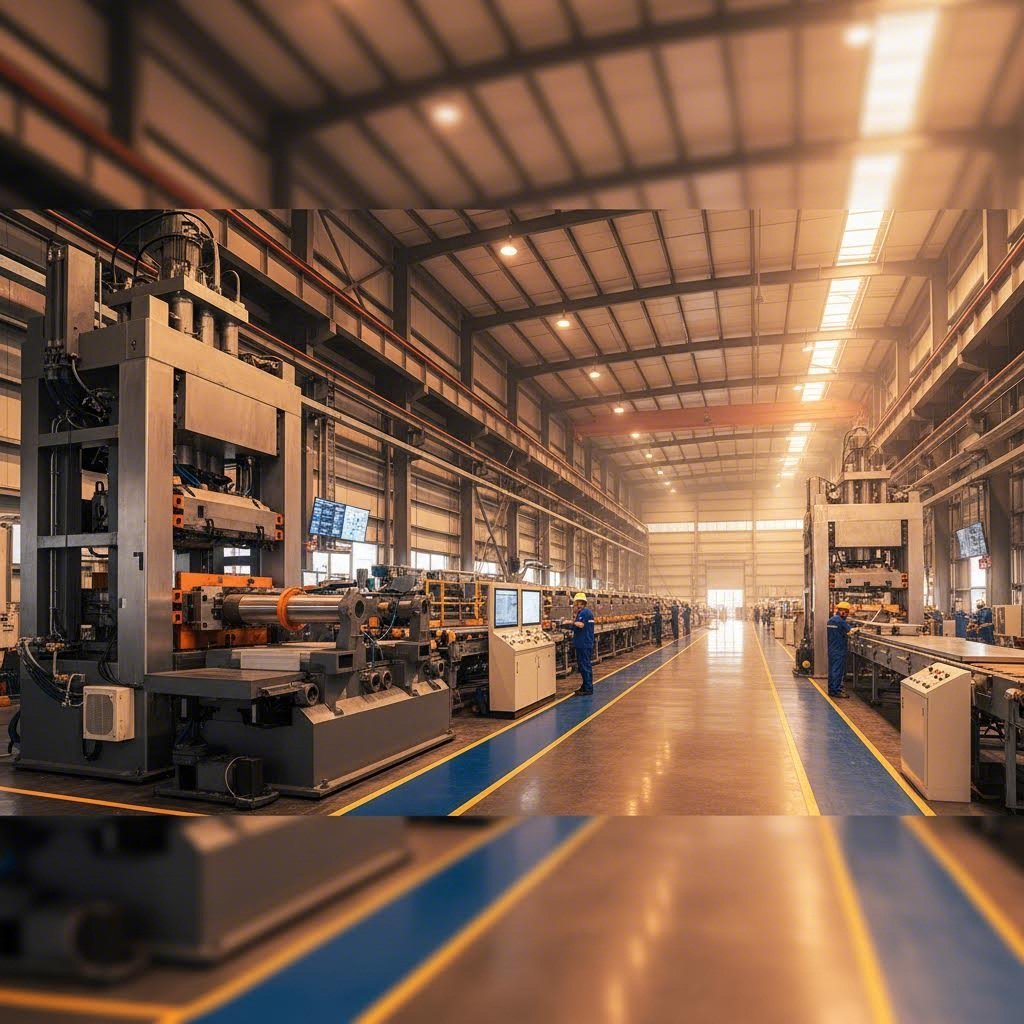
You've mastered coating chemistry, certification requirements, application selection, and maintenance protocols. But here's the reality: none of that knowledge matters if you partner with the wrong supplier. The gap between exceptional and mediocre aluminum powder coating services often determines whether your project succeeds or becomes a costly lesson in specification enforcement.
Selecting an extrusion and coating partner requires evaluating capabilities that go far beyond price quotes. Let's explore exactly what separates reliable suppliers from those who deliver headaches along with their products.
When you're sourcing aluminum extrusion square tube profiles or custom architectural components, integrated manufacturing capabilities should top your evaluation criteria. Why does integration matter so much? Every handoff between separate extrusion, machining, and finishing vendors introduces quality risks, communication gaps, and schedule delays.
According to industry procurement guidance, evaluating aluminum extrusion supplier capability requires examining multiple interconnected factors. Here's what experienced specifiers prioritize:
Press capacity deserves particular attention. Small presses (600-1800T) handle thin, precise profiles like alu square decorative trim. Medium presses (2000-3500T) produce general industrial aluminum structural tubing. Large presses (5000T+) manufacture heavy structural components for construction and transportation applications. A supplier with multiple press sizes maintains flexibility as your project requirements change.
Imagine ordering custom 1 2 aluminum square tube profiles from one vendor, shipping them to a separate machine shop for drilling, then forwarding to a third facility for powder coating. Each transfer introduces handling damage risks, dimensional verification requirements, and schedule coordination challenges. Now multiply those complications across thousands of pieces.
Integrated suppliers eliminate this fragmentation. When extrusion, machining, and finishing occur under one roof—or at least under unified management—several benefits emerge:
Consistent quality control: A single quality system governs every production stage. Dimensional checks after extrusion inform machining setups. Surface preparation protocols align with coating specifications. Problems get identified and resolved before they multiply.
Streamlined communication: Technical questions reach engineers who understand the entire process. When you need aluminium tube frame components with specific hole patterns and custom coating colors, one project manager coordinates all requirements rather than you translating between disconnected vendors.
Reduced lead times: Industry benchmarks suggest typical project timelines of 4-6 weeks for standard projects: 10-20 days for die manufacturing, 7-15 days for extrusion production, and 5-10 days for surface finishing. Integrated facilities often compress these schedules by eliminating transportation and queue times between operations.
Process optimization: Experienced suppliers provide Design for Manufacturability (DFM) feedback on your drawings. They'll identify opportunities to simplify profiles, reduce machining operations, or optimize coating specifications—savings that separate vendors have no incentive to suggest.
Surface treatment versatility represents another critical evaluation factor. While powder coating may be your primary requirement today, future projects might demand different finishes. Suppliers offering comprehensive treatment options—powder coating for color variety, anodizing for natural metallic aesthetics, PVDF for premium weathering, and specialized processes like micro-arc oxidation for extreme hardness—provide long-term partnership value.
When evaluating potential partners, consider requesting:
| Evaluation Area | Questions to Ask | Why It Matters |
|---|---|---|
| Equipment | What press tonnages are available? How many CNC centers operate? | Determines profile size range and machining capacity |
| Integration | Are extrusion, machining, and finishing performed in-house? | Reduces handoff risks and coordination complexity |
| Quality Systems | What certifications do you hold? How is traceability maintained? | Ensures repeatable quality and audit readiness |
| Experience | How long have you operated? What similar projects have you completed? | Indicates process maturity and problem-solving capability |
| Surface Options | What coating types and treatments are available? | Provides flexibility for varied project requirements |
| Pricing Structure | Is factory-direct pricing available? What drives cost variations? | Affects project economics and budget predictability |
Factory-direct pricing deserves mention as a selection criterion. Suppliers who manufacture rather than broker—those with their own extrusion presses, machining equipment, and coating lines—typically offer more competitive pricing because they control costs at every stage. Traders and intermediaries add margins without adding value.
Technical communication quality often reveals supplier professionalism before you place an order. Capable manufacturers provide proactive DFM feedback, offer feasibility assessments, and share inspection documentation transparently. They prevent problems rather than reacting after defects occur.
As you finalize supplier selection for your powder coated aluminum extrusions, remember that the lowest quote rarely delivers the lowest total cost. Equipment capabilities, integration level, quality systems, and communication responsiveness ultimately determine whether your aluminum extrusion square tube components arrive on time, within specification, and ready for successful installation.
Yes, aluminum extrusions are ideal candidates for powder coating. The electrostatic application process ensures charged powder particles wrap around complex profiles evenly, reaching recessed areas and internal corners that liquid paint often misses. You can achieve various textures and finishes, from smooth matte to high-gloss metallics, making powder coating excellent for hiding surface imperfections while enhancing durability. Proper pre-treatment with cleaning, degreasing, and conversion coating ensures optimal adhesion and long-term performance.
Powder coating costs vary based on several factors: surface area, part complexity, coating specification, volume, and color selection. Professional powder coating typically ranges from $50 to $150 per hour, with additional considerations for pre-treatment and setup. Standard polyester powders cost $5-15 per pound, while premium fluoropolymer formulations command higher pricing. Custom color matching adds $500-2,000 to project costs. For best value, consider suppliers like Shengxin Aluminium offering factory-direct pricing with integrated extrusion and coating services.
Powder coated aluminum can last 10 to 30 years when properly applied with thorough surface preparation. Longevity depends on coating chemistry and certification level. AAMA 2603 coatings suit interior applications, while AAMA 2604-compliant super-durable polyester offers 10+ year warranties for commercial exteriors. Premium AAMA 2605 fluoropolymer coatings maintain appearance for 20+ years even in harsh coastal or industrial environments. Regular maintenance cleaning every 6 months further extends coating life.
Powder coating has some limitations: all powder coatings require oven curing at 325-400°F, making field repairs difficult. Achieving continuous thin films under 1 mil (25 microns) is challenging with powder. Color changeovers in production are slower than liquid paint. Additionally, components exceeding oven dimensions cannot be powder coated. However, these drawbacks are offset by benefits including negligible VOC emissions, recyclable overspray, superior durability, and excellent coverage on complex aluminum extrusion profiles.
Technically yes, but it presents challenges. The anodized oxide layer creates adhesion difficulties since it doesn't accept powder coating as readily as bare aluminum with proper chemical pre-treatment. The anodized surface typically requires mechanical abrasion or chemical etching before powder application, adding cost and complexity. For most projects, choosing either anodizing or powder coating proves more practical than combining them. If you need both corrosion protection and color variety, powder coating with proper pre-treatment typically delivers better results.



 dịch vụ trực tuyến
 0086 136 3563 2360
 sales@sxalu.com
 +86 136 3563 2360
 Việt
 English
 français
 Deutsch
 русский
 español
 português
 العربية
 ไทย
 Українська