Have you ever needed just 50 custom aluminum profiles for a prototype but found that most manufacturers want orders in the thousands? You're not alone. Understanding what is aluminum extrusion in a short run context can save you significant time and money on specialized projects.
The aluminum extrusion definition describes a process where heated aluminum billets are forced through a shaped die to create profiles with consistent cross-sections. But here's where it gets interesting: short run aluminum extrusion takes this same fundamental process and adapts it specifically for limited production quantities, typically ranging from as few as 25 pieces to around 500 units.
So what exactly qualifies as a "short run"? While standard production runs often start at 1,000 pieces or more, short run manufacturing fills the gap for smaller quantities. To define extruded aluminum production in the short run category, manufacturers generally recognize these thresholds:
These small aluminum extrusions serve manufacturers who need custom profiles without the commitment of high-volume orders.
Imagine you're launching a new product line. You need custom aluminum profiles, but ordering 5,000 pieces when you only need 200 ties up capital and warehouse space. This is precisely why batch size dramatically impacts your bottom line.
In traditional aluminum extrusion, tooling costs are amortized across thousands of units. When you understand what is extruded aluminum production economics, you'll recognize that die costs remain relatively fixed regardless of quantity. A die costing $2,000 adds just $0.40 per piece when spread across 5,000 units, but that same die adds $20 per piece for a 100-unit run.
Short run techniques address this challenge through strategic approaches like simplified die designs, soft tooling options, and optimized setup procedures that reduce the per-piece cost impact for limited quantities.
Today's market demands agility. Product lifecycles are shorter, customization expectations are higher, and just-in-time manufacturing has become the standard rather than the exception. The aluminium extrusion definition has evolved to accommodate these realities.
Several factors are driving increased demand for short run capabilities:
Understanding these dynamics helps you recognize when short run aluminum extrusion techniques offer the most strategic advantage for your specific manufacturing needs. The key is matching your quantity requirements with the right production approach to optimize both cost and timeline.
Now that you understand what defines short run production, let's dive into how the aluminum extrusion process actually works and where short run techniques diverge from standard manufacturing. Whether you're producing 50 pieces or 50,000, the fundamental physics remain the same, but the optimization strategies differ significantly.
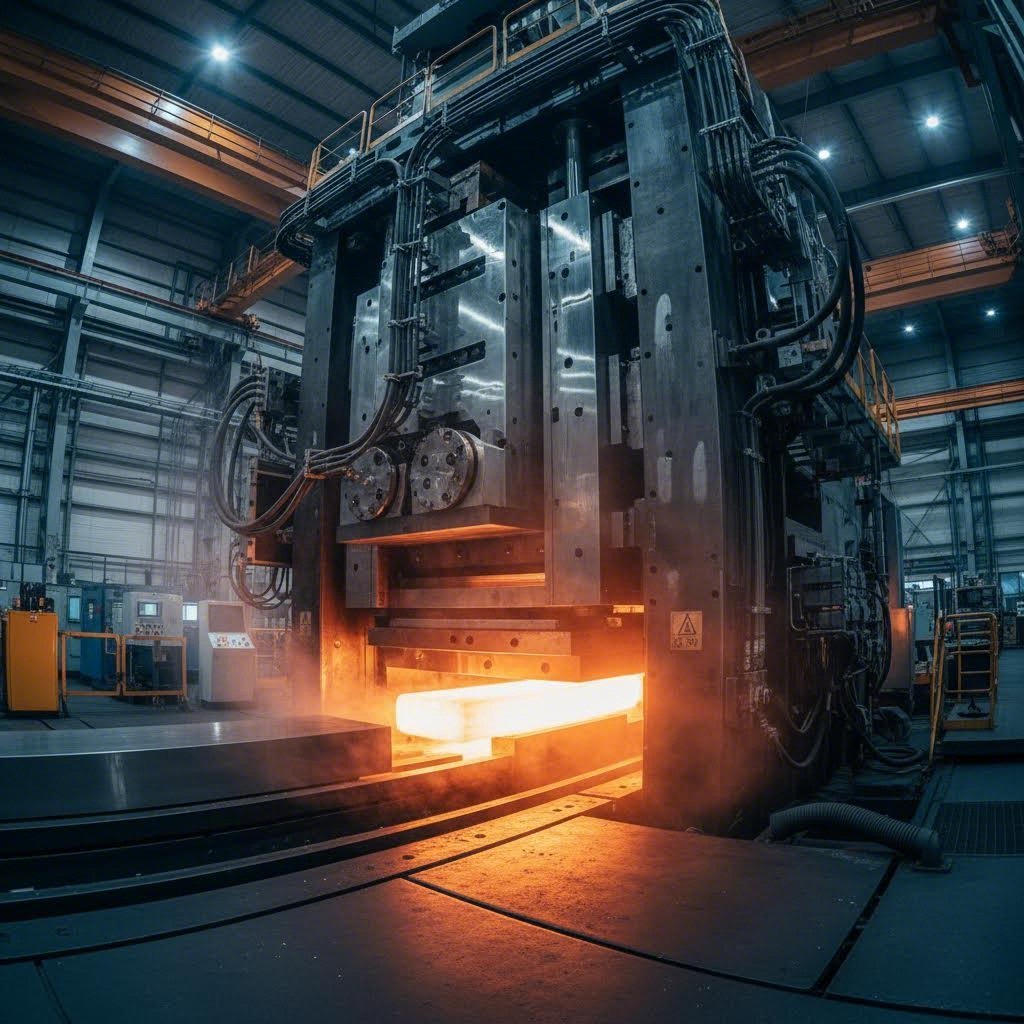
Ever wondered how is aluminum extrusion made? Picture squeezing toothpaste through a shaped nozzle. That's essentially what happens when a heated aluminum billet meets an extrusion die, just with considerably more force and precision involved.
The aluminum extrusion process follows a carefully orchestrated sequence of steps. Here's how aluminum extrusion is made from raw billet to finished profile:
Understanding this metal extrusion process helps you appreciate where short run techniques can introduce efficiencies without compromising quality.
How does aluminum extrusion work at the molecular level? It's all about achieving the perfect balance between temperature and pressure. Get this wrong, and you'll face surface defects, dimensional inaccuracies, or premature die wear.
The aluminium extrusion process operates within carefully controlled parameters:
These parameters aren't arbitrary. They're calculated based on the specific alloy's characteristics, the complexity of the profile geometry, and the desired mechanical properties of the finished product.
Here's where the extruded aluminum process gets interesting for limited quantities. Standard high-volume production optimizes for throughput and efficiency over extended runs. Short run production requires a different mindset entirely.
When processing limited quantities, experienced operators make several strategic adjustments:
The technical expertise required for short run success shouldn't be underestimated. Operators must understand how aluminum behaves under varying conditions and make real-time adjustments that high-volume production handles through statistical process control over thousands of pieces.
What makes short run production particularly demanding is maintaining the same quality standards as high-volume manufacturing while working with less forgiving economics. Every rejected piece in a 100-unit run represents 1% scrap loss, compared to just 0.02% in a 5,000-unit production. This reality drives the need for specialized tooling strategies that balance initial investment against production quality, which leads us to examine die selection and tooling approaches optimized specifically for small batch manufacturing.
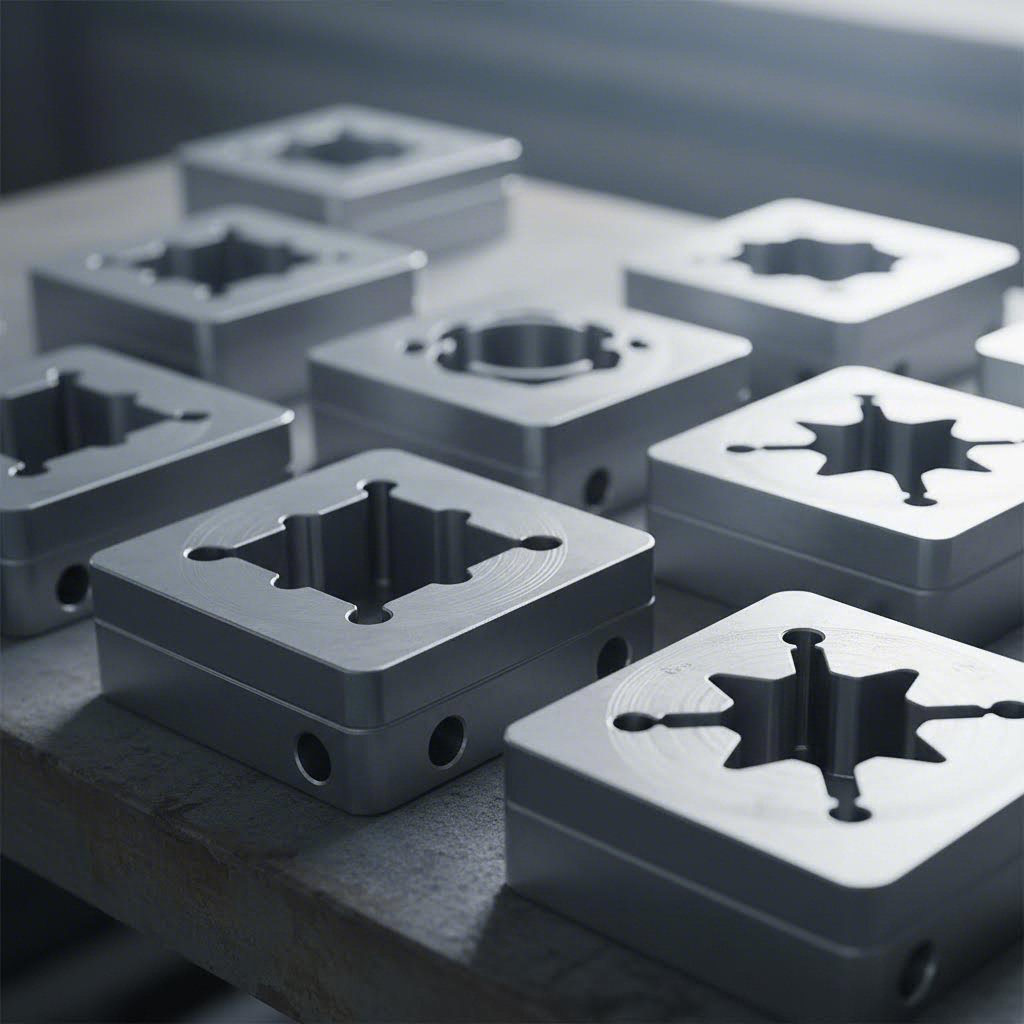
When you're producing just 100 aluminum profiles instead of 10,000, your tooling strategy needs a complete rethink. The extrusion die you select and how you approach tooling investment can mean the difference between a profitable short run project and one that breaks your budget before the first piece exits the press.
Sounds complex? It doesn't have to be. The key is matching your tooling approach to your specific quantity requirements, timeline, and long-term production plans.
Imagine you need 200 custom aluminum profiles for a new product launch. Should you invest $2,500 in a premium steel die that lasts for 40,000 kg of extrusion, or explore alternatives designed specifically for limited quantities? This is where understanding soft tooling versus hard tooling becomes essential.
Soft tooling uses materials that are easier to machine and modify, making it ideal for prototyping and short production runs. According to manufacturing experts, soft tooling offers faster turnaround times and lower upfront costs, though the resulting tools have shorter lifespans and are typically efficient for only 25-50 injection molding shots in plastic applications. For aluminum extrusion, this translates to simplified die designs using less expensive tool steel grades or aluminum-based die materials for very short runs.
Hard tooling, by contrast, relies on premium H13 tool steel or similar alloys designed for extended production. Aluminum extrusion dies made with hard tooling typically last for 20,000-50,000 kg of extrusion for solid profiles, making them cost-effective when you're committed to ongoing production.
The decision between these approaches ultimately depends on your estimated production needs. As one industry expert notes, "When deciding between soft vs. hard tooling, we want to understand what your estimated need is for these parts—what do you need now, what do you need in 6 weeks, and what do you need for the full year."
Beyond the die material itself, how quickly you can switch between different aluminium extrusion dies directly impacts short run economics. Traditional die changes might consume 30-60 minutes of press downtime. When you're running just 50 pieces before switching to a different profile, that setup time devastates your per-piece cost.
Quick-change die systems address this challenge through several innovations:
For manufacturers handling multiple short run orders daily, investing in quick-change capabilities can reduce per-order setup costs by 40-60%, making previously uneconomical small batches suddenly viable.
Your aluminum extrusion tooling costs don't have to mirror high-volume production expenses. Smart strategies can dramatically reduce your investment while maintaining production quality.
First, consider profile complexity. Die cost analysis shows that simple cross-sections like flat bars or angles require minimal machining, with solid dies costing $300-$800. Complex hollow profiles requiring mandrel and bridge assemblies can run $1,000-$3,000 or more. For short runs, simplifying your profile geometry—even slightly—can cut tooling costs significantly.
Second, understand die type selection for your specific application:
| Die Type | Initial Cost | Durability (kg) | Best-Fit Batch Sizes | Ideal Applications |
|---|---|---|---|---|
| Solid Die (Flat) | $300-$800 | 20,000-50,000 | Any quantity | Angles, channels, flat bars |
| Semi-Hollow Die | $800-$1,500 | 15,000-35,000 | 100+ pieces | Mounting brackets, partial enclosures |
| Hollow Die | $1,000-$3,000 | 10,000-30,000 | 250+ pieces | Tubes, square hollow sections |
| Multi-Cavity Die | $1,500-$5,000+ | 15,000-40,000 | 500+ pieces | LED housings, small repetitive parts |
| Simplified Short-Run Die | $200-$500 | 5,000-15,000 | 25-200 pieces | Prototypes, bridge production |
Third, explore cost-reduction strategies specific to limited production:
Finally, consider die amortization carefully. A $2,000 die for a 100-piece run adds $20 per piece to your tooling cost. But if you anticipate reordering those profiles within the die's lifespan of 30,000 kg, that same die might ultimately produce 5,000 pieces at just $0.40 per piece. The extrusion tooling investment should reflect your realistic long-term demand projections, not just the immediate order.
With your tooling strategy aligned to short run economics, the next critical decision involves selecting the right aluminum alloy—a choice that significantly impacts both die wear and production efficiency for limited quantities.
You've optimized your tooling strategy and selected the right die type. Now comes a decision that can make or break your short run economics: which aluminum alloy should you extrude? The aluminum extrusion material you choose directly impacts die wear rates, production speeds, surface finish quality, and ultimately your per-piece costs.
Here's what many manufacturers discover too late: alloys that perform beautifully in high-volume production may create headaches in limited quantity runs. Why? Because certain alloys require extensive die conditioning, slower extrusion speeds, or specialized handling that simply doesn't amortize well across small batches.
When evaluating aluminum extrusion alloys for limited production, three characteristics matter most:
The extrusion of aluminium alloys involves complex interactions between the heated metal and die surfaces. Alloys with lower magnesium content generally extrude more easily, while those with higher zinc or copper additions offer strength at the cost of reduced extrudability. For short run success, prioritizing alloys that balance these trade-offs becomes essential.
If there's one aluminum alloy extrusion that dominates short run production, it's 6063 alloy. Often called the "workhorse of aluminum extrusion," this alloy offers an exceptional combination of properties that align perfectly with limited quantity manufacturing.
Why does 6063 shine for short runs? Consider these advantages:
The aluminium alloy extrusion characteristics of 6063 make it particularly forgiving for operators working with limited quantities. Its medium-strength properties satisfy most architectural, heat sink, and general-purpose applications.
While 6063 handles most short run projects admirably, certain applications demand different extruded aluminum alloy options:
What about 7075 alloy? While it offers the highest strength-to-weight ratio, its significantly reduced extrudability and higher material costs make it challenging for short run economics. Reserve 7075 for aerospace or high-performance applications where no alternative meets your strength requirements.
The extrusion of aluminium alloys involves more than just raw material pricing. A cheaper alloy that requires slower extrusion speeds, more die conditioning, or higher scrap rates can actually cost more per finished piece than a premium alloy that runs efficiently.
Consider this real-world scenario: you need 150 custom profiles. Running 6061 instead of 6063 might save $0.15 per pound on raw material. But if 6061 requires 10 additional conditioning billets to achieve acceptable surface quality, and your production speed drops by 20%, those savings evaporate quickly.
For short run aluminum extrusion projects, evaluate total production cost rather than material cost alone:
When you're manufacturing just 100-500 pieces, these secondary factors often outweigh raw material price differences. The smartest aluminum extrusion alloys selection optimizes the entire production equation, not just one line item on your cost sheet.
With your alloy selection aligned to short run economics, the next step involves designing your profile geometry to further minimize tooling costs and maximize production efficiency.
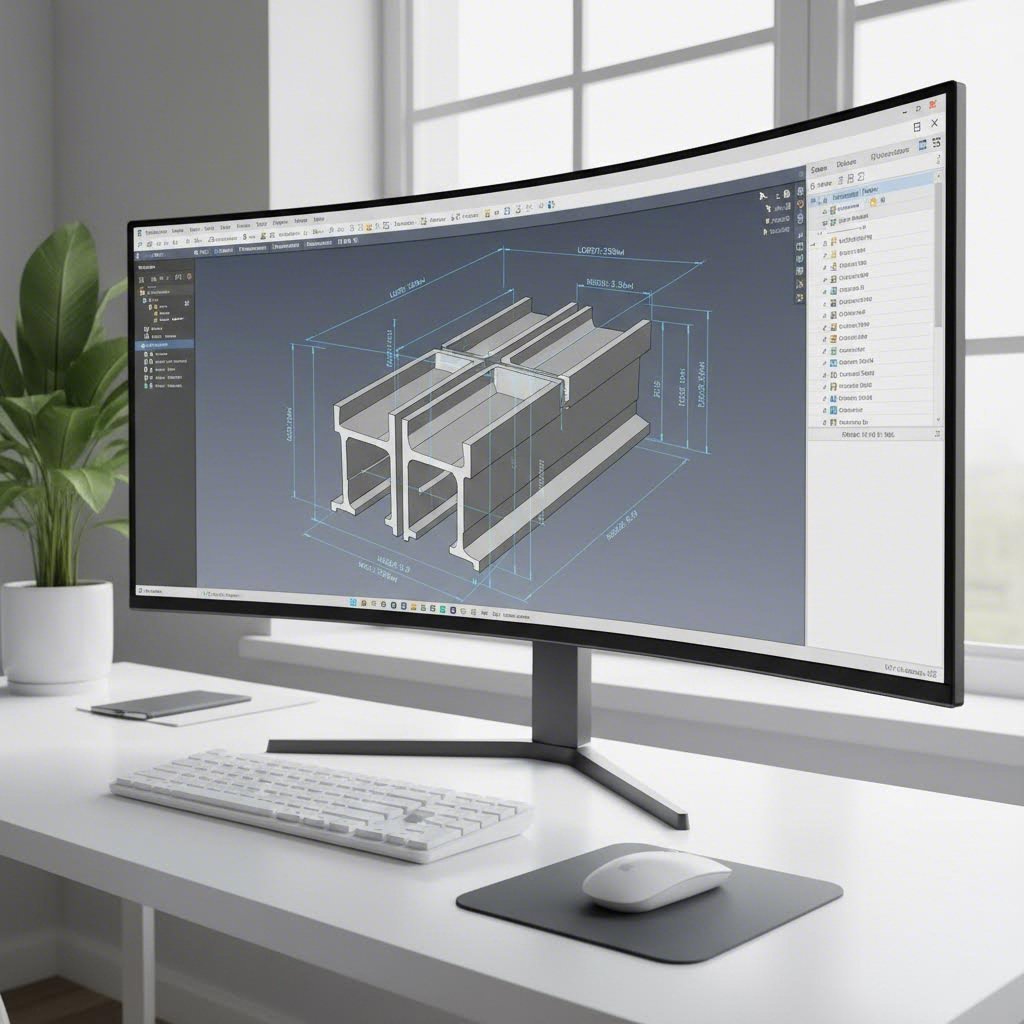
You've selected the right alloy and understand your tooling options. But here's what separates cost-effective short run projects from budget disasters: your aluminum extrusion design decisions made before the die is ever cut. Thoughtful profile geometry can slash tooling costs by 30-50% while simultaneously accelerating setup times and reducing scrap rates.
Think of it this way—every design choice you make either simplifies or complicates the die manufacturing process. For high-volume production, complex features spread their cost across thousands of pieces. For short runs? Those same features can double your per-piece expense.
When designing aluminum extruded profiles for limited quantities, simplicity isn't just a preference—it's a financial imperative. Complex extrusion shapes require more intricate die machining, tighter tolerances, and longer conditioning cycles before achieving production-quality output.
Consider these geometry simplification strategies:
Modern design software like AutoCAD and SolidWorks includes extrusion-specific analysis tools that can flag problematic geometry before you submit drawings for quoting. Taking an extra hour during the design phase to optimize your profile aluminum extrusion geometry can save days of production complications later.
Wall thickness directly impacts both die complexity and extrusion success rates. Too thin, and you'll face breakthrough issues and surface defects. Too thick, and material costs climb while cooling times extend.
For short run production, these wall thickness guidelines help balance manufacturability with performance:
What happens when your application genuinely requires thin walls? Expect higher per-piece costs due to slower extrusion speeds, more careful die design, and potentially increased quality inspection requirements. For short runs, consider whether a slightly thicker wall accomplishes your weight or space constraints while dramatically improving production economics.
Beyond geometry basics, several design-for-manufacturability principles specifically target short run tooling economics. Implementing these modifications can transform a marginally viable project into a clearly profitable one.
Use standard circumscribing circle diameters. Dies must fit within standard die holder sizes. Designing your profile to fit within common circumscribing circles (75mm, 100mm, 150mm, 200mm) avoids custom die block sizing that adds 15-25% to tooling costs.
Specify general tolerances where possible. Standard aluminum extrusion tolerances of ±0.15mm for dimensions under 25mm satisfy most applications. Each tighter tolerance specification requires additional die precision, inspection steps, and potential rework. Reserve precision tolerances only for critical mating surfaces.
Design for secondary operations efficiency. If your types of extruded aluminum require machining, punching, or other post-processing, design features that facilitate these operations. Include flat reference surfaces, adequate material for clamping, and access for cutting tools.
Leverage existing die modifications. Before commissioning a completely new die, ask potential suppliers about modifying existing tooling. Sometimes a standard profile with minor alterations—additional slots, modified flanges, or adjusted dimensions—can be achieved by modifying an existing die at 40-60% of new die cost.
Consider multi-use design approaches. If you anticipate needing several different aluminum extrusions shapes for a product line, evaluate whether a single versatile profile could serve multiple functions with different cut lengths or minor secondary machining. One die serving three applications beats three separate tooling investments.
The upfront investment in design optimization pays dividends throughout your short run project. A profile designed with these principles typically achieves production-quality output faster, experiences fewer rejected pieces, and requires less operator intervention—all factors that compound to significantly reduce your per-piece costs when manufacturing limited quantities.
With your design optimized for short run economics, the next critical step involves running the numbers: when does short run extrusion make financial sense compared to alternative manufacturing methods like CNC machining or die casting?
You've designed an optimized profile and selected the perfect alloy. Now comes the question that determines whether your project moves forward: does short run extrusion actually make financial sense for your specific situation? The answer isn't always obvious, and choosing the wrong manufacturing method can cost you thousands in unnecessary expenses.
Let's break down the economics with a practical framework you can apply to your next project. Understanding the true costs—not just the quoted prices—separates smart manufacturing decisions from expensive mistakes.
Here's where most project managers get tripped up: they compare quoted unit prices without accounting for the complete cost picture. The extrusion manufacturing process involves several cost components that must be analyzed together.
Your true per-piece cost includes these elements:
The aluminum extrusion manufacturing process becomes more economical as quantities increase because fixed costs spread across more pieces. But at what point does this crossover occur compared to alternative methods?
Imagine you need 75 custom aluminum parts. Should you extrude them, machine them from bar stock, or explore die casting? Each method has a different cost structure that favors specific quantity ranges.
The extruding manufacturing process follows this general cost pattern:
CNC machining shows the opposite pattern—low setup costs but higher per-piece expenses due to longer cycle times and more material waste. Casting sits somewhere between, with moderate tooling costs and efficient per-piece production at higher volumes.
To find your break-even point, use this formula:
Break-even quantity = (Extrusion die cost - Alternative setup cost) ÷ (Alternative per-piece cost - Extrusion per-piece cost)
For example, if your extrusion die costs $1,500 with a $4 per-piece cost, and machining requires $200 setup with $18 per-piece cost, your break-even occurs at approximately 93 pieces. Below that quantity, machining wins. Above it, extrusion delivers better economics.
The aluminium extrusion manufacturing process competes directly with CNC machining and die casting for many applications. This comparison helps you evaluate which method aligns with your project requirements:
| Factor | Short Run Extrusion | CNC Machining | Die Casting |
|---|---|---|---|
| Tooling Cost | $500-$3,000 | $50-$500 (fixtures) | $5,000-$50,000+ |
| Per-Unit Cost (50 pcs) | $15-$40 | $25-$100 | $150-$300 |
| Per-Unit Cost (250 pcs) | $6-$15 | $20-$80 | $30-$60 |
| Per-Unit Cost (1,000 pcs) | $3-$8 | $18-$70 | $8-$20 |
| Lead Time (First Article) | 2-4 weeks | 3-7 days | 6-12 weeks |
| Design Flexibility | Moderate (2D profiles) | High (3D geometry) | High (complex 3D) |
| Minimum Practical Quantity | 25-50 pieces | 1 piece | 500-1,000 pieces |
| Material Waste | 5-10% | 40-70% | 3-8% |
| Surface Finish Quality | Excellent | Excellent | Good (requires finishing) |
Short run extrusion isn't always the answer. Recognizing when alternative manufacturing methods better serve your needs prevents costly missteps.
Choose CNC machining when:
Choose die casting when:
Choose short run extrusion when:
The manufacturing process extrusion method excels when your geometry aligns with its strengths. A linear profile with complex cross-sectional details—heat sinks, structural channels, decorative trim—represents extrusion's sweet spot. But a compact 3D part with varying geometry along its length? That's machining or casting territory.
Before committing to any method, request quotes from suppliers in each category. Real-world pricing often differs from estimates, and the competitive landscape in your region affects available options. Armed with actual numbers, you can apply this framework to make a confident, economically sound manufacturing decision.
Understanding the economics is essential, but timing matters too. Next, let's examine realistic lead time expectations and how production scheduling impacts your short run project timeline.
You've run the numbers and confirmed that short run extrusion makes economic sense. Now comes a question that can make or break your product launch: how long will it actually take? Understanding realistic lead times helps you plan effectively and avoid costly delays that ripple through your entire project schedule.
The good news? Short run production often delivers faster turnaround than you might expect—when you work with the right manufacturer and plan strategically.
Lead times for aluminum extrusion vary dramatically based on several factors: die availability, production volume, finishing requirements, and your supplier's current workload. Here's what you can realistically expect across different scenarios:
| Production Scenario | Die Status | Quantity | Typical Lead Time | Key Time Drivers |
|---|---|---|---|---|
| Rush prototype | Existing die | 25-50 pcs | 3-7 days | Scheduling availability |
| Short run (new die) | New custom die | 50-200 pcs | 2-4 weeks | Die fabrication time |
| Short run (existing die) | Existing die | 100-500 pcs | 1-2 weeks | Production scheduling |
| Standard production | New custom die | 1,000+ pcs | 4-6 weeks | Die fabrication + run time |
| High-volume production | Existing die | 5,000+ pcs | 3-5 weeks | Extended press time |
Notice something interesting? Short runs with existing dies can actually deliver faster than large production orders. Why? Because an aluminum extrusion machine running your 200-piece order completes in hours, not days. The scheduling flexibility of small batches often means slotting into available press time that wouldn't accommodate a week-long production run.
The critical variable is die status. New die fabrication typically requires 10-14 business days regardless of your production quantity. This fixed timeline explains why planning ahead—or leveraging existing tooling—dramatically accelerates short run delivery.
Imagine you're developing a new product and need functional prototypes for testing. Traditional manufacturing timelines might suggest waiting 6-8 weeks for production tooling and initial samples. Short run techniques compress this timeline significantly.
Here's how experienced manufacturers accelerate delivery on an aluminium extrusion line optimized for quick-turnaround projects:
For product development teams, this acceleration translates directly into competitive advantage. Testing physical prototypes weeks earlier means identifying design issues sooner, iterating faster, and reaching market ahead of competitors still waiting for their samples.
What happens when demand exceeds your current inventory but full-scale production tooling isn't ready? This gap—often lasting 4-8 weeks—can mean lost sales, delayed launches, or disappointed customers. Bridge production using short run techniques fills this critical window.
Bridge production works particularly well when:
The economics of bridge production differ from standard short runs. You're essentially paying a premium per piece to avoid the greater cost of stockouts or missed opportunities. A manufacturer with flexible aluminium extrusion machine capacity can often accommodate bridge orders on short notice, using existing dies or rapidly fabricating simplified tooling.
Consider this scenario: your product launch generated stronger demand than projected. Standard production lead time is 5 weeks, but you need 300 additional units now. A bridge run using your existing die—even at 30% higher per-piece cost—protects revenue and customer relationships while full production scales up.
Want to minimize wait times on your next short run project? These strategies help experienced project managers get profiles faster:
The relationship between quantity and lead time isn't always linear. Running 500 pieces might only add a day of press time compared to 100 pieces, but the scheduling, setup, and finishing phases remain similar. Understanding these dynamics helps you make informed decisions about order quantities that balance cost, timing, and inventory management.
With realistic lead time expectations established, your next consideration involves finding the right manufacturing partner—one with the equipment flexibility and technical expertise to deliver quality short run production consistently.
You've optimized your design, selected the right alloy, and confirmed the economics work. Now comes a decision that determines whether your project succeeds or stumbles: choosing the right manufacturing partner. Not every aluminum extrusion supplier handles short runs effectively. Some are geared exclusively for high-volume production, while others have built their entire operation around flexible, limited-quantity manufacturing.
So how do you separate suppliers who genuinely excel at short run aluminum profile extrusion from those who simply accept small orders reluctantly? Let's examine the specific capabilities that matter most.
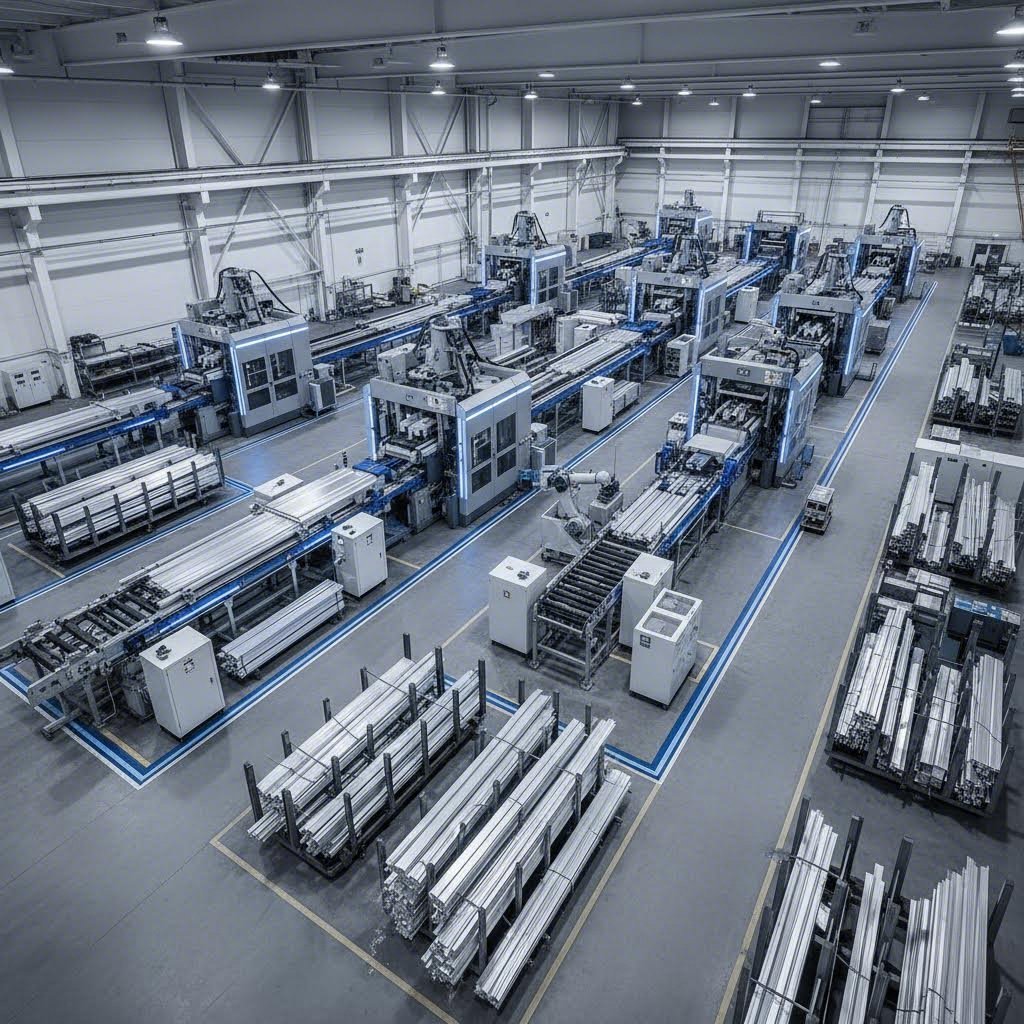
Walk into any extrusion facility and you'll see presses—but the range and configuration of those aluminum extrusion systems tells you everything about their short run readiness. Here's what to look for:
For example, manufacturers like Shengxin Aluminium operate 35 extrusion presses spanning 600T to 5500T capacity, paired with CNC machining centers for complete aluminum extrusion processing under one roof. This equipment diversity represents the flexibility ideal for short run production—your project gets matched to appropriately sized equipment without waiting for capacity on a single overloaded press.
Equipment alone doesn't guarantee short run success. The technical expertise supporting that equipment often matters more. When evaluating potential suppliers, probe these areas:
During initial conversations, ask potential suppliers about their experience with projects similar to yours. Specific examples of successful short run projects—particularly in your industry or with similar profile complexity—indicate genuine capability rather than aspirational claims.
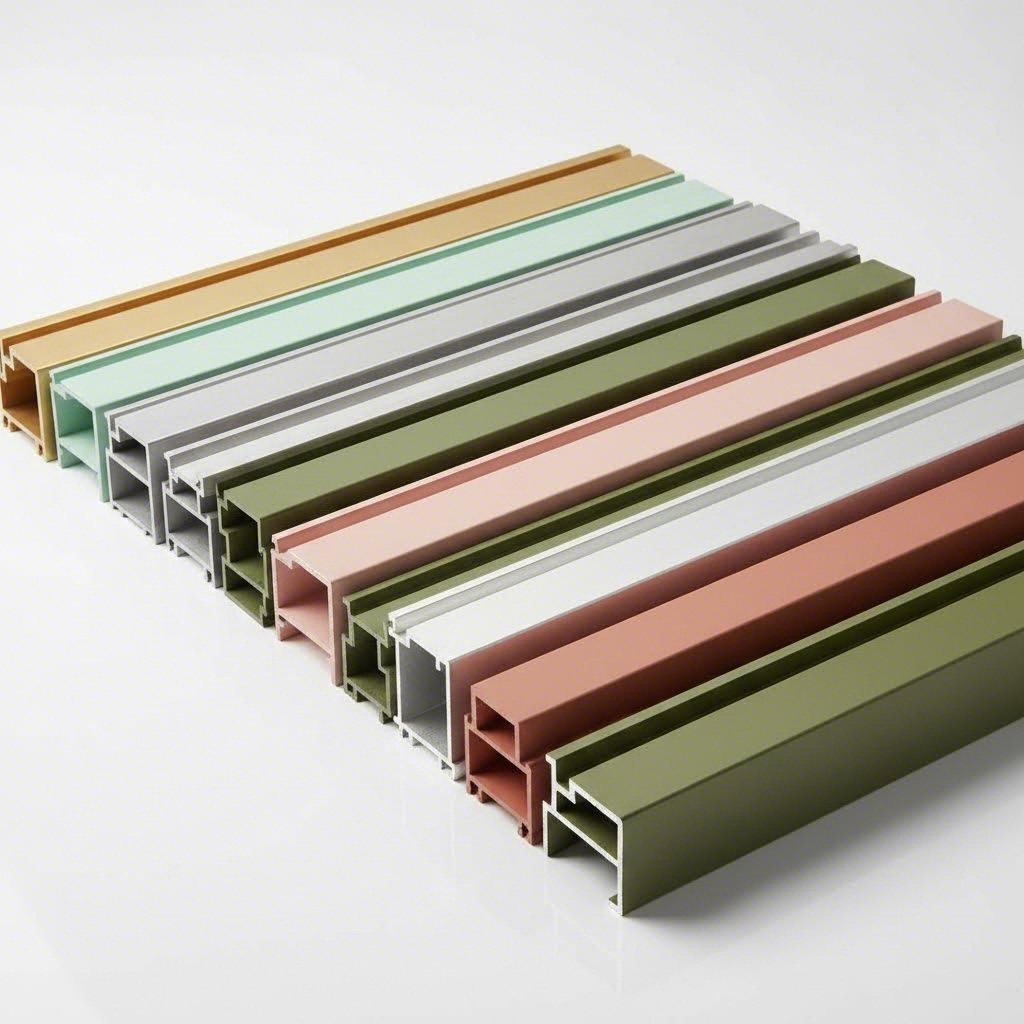
Your finished aluminum extrusion often requires surface treatment for corrosion protection, aesthetics, or functional performance. For aluminum tube extrusion or complex profiles, in-house finishing capabilities prevent quality issues that arise when parts ship between multiple facilities.
Evaluate these surface treatment options:
Manufacturers offering comprehensive finishing options—like anodizing in custom colors, powder coating, and advanced treatments such as micro-arc oxidation—provide significant advantages for short run projects. You avoid coordinating between separate extrusion and finishing vendors, reduce transit damage risks, and maintain clear accountability for final quality.
Before committing to any supplier for your extrusion machining or production needs, work through this evaluation checklist:
Industry veterans with decades of experience, like Shengxin Aluminium's 30+ years in the aluminum extrusion field, typically demonstrate refined processes for handling limited-quantity orders efficiently. Their factory-direct pricing models often provide cost advantages compared to distributors or trading companies who add markup without adding manufacturing value.
The right supplier relationship transforms short run aluminum extrusion from a challenging compromise into a genuine competitive advantage. With equipment flexibility, technical expertise, and comprehensive finishing capabilities aligned to your needs, you're positioned to execute projects that would be impractical or uneconomical with less capable partners.
Now that you understand how to evaluate potential manufacturing partners, let's synthesize everything we've covered into actionable next steps for launching your short run extrusion project successfully.
You've now explored the complete landscape of short run aluminum extrusion techniques—from defining production quantities and understanding the core process to optimizing designs, selecting alloys, and evaluating suppliers. The question remaining is straightforward: what should you do next to turn this knowledge into successful project execution?
Whether you're prototyping a new product, filling a bridge production gap, or serving a niche market with specialized profiles, the path forward requires deliberate action. Let's distill everything into practical takeaways and concrete next steps.
Before diving into your next project, keep these essential insights front of mind:
Understanding what are aluminum extrusions used for in your specific application helps you make informed decisions at each stage. Whether you need structural channels, heat sink profiles, or decorative trim, matching your requirements to the right manufacturing approach ensures both quality and cost efficiency.
Not every project suits aluminium extrusion. Before committing, run through this decision framework:
Short run aluminum extrusion delivers maximum value when your profile is primarily two-dimensional, quantities fall between 50-500 pieces, surface finish quality matters, and future reorders are likely.
If your geometry requires complex 3D features, quantities are below 25 pieces, or you need parts immediately without die lead time, alternative methods like CNC machining may serve you better. Conversely, if you anticipate thousands of units annually, investing in standard production tooling typically yields superior long-term economics.
The break-even analysis framework covered earlier provides your mathematical foundation. But don't rely solely on calculations—request actual quotes from multiple suppliers across manufacturing methods. Real-world pricing often surprises project managers who estimated based on general guidelines.
Ready to move forward? These concrete steps position your project for success:
For projects requiring comprehensive support from die development through finished production, partnering with established manufacturers offers significant advantages. Shengxin Aluminium, with over 30 years of industry experience, exemplifies the capabilities to look for: extensive press capacity ranging from 600T to 5500T, in-house CNC machining, and comprehensive surface treatments including anodizing in custom colors, powder coating, and micro-arc oxidation. Their factory-direct pricing model and end-to-end project support represent the partnership approach that transforms short run challenges into competitive advantages.
What are aluminum extrusions capable of delivering for your next project? With the techniques, frameworks, and supplier evaluation criteria now at your disposal, you're equipped to answer that question confidently. Short run aluminum extrusion isn't just a compromise for small quantities—it's a strategic manufacturing approach that, when executed properly, delivers custom profiles with optimized economics and accelerated timelines.
Your next step is simple: take your optimized design, reach out to qualified suppliers, and start the conversation that turns your concept into reality.
The two primary methods are direct and indirect extrusion. In direct extrusion, the most common approach, a hydraulic ram pushes heated aluminum billets (700-930°F) through a stationary die to create the desired profile shape. Indirect extrusion moves the die toward the stationary billet. For short run production, direct extrusion dominates due to simpler tooling requirements and faster setup times, making it more economical for quantities between 25-500 pieces.
The three basic extrusion methods are direct, indirect, and hydrostatic extrusion. Direct extrusion pushes the billet through the die using a ram. Indirect extrusion moves the die toward the billet, reducing friction. Hydrostatic extrusion uses pressurized fluid to force material through the die. For short run aluminum projects, direct extrusion remains the preferred choice because it offers the best balance of tooling cost, setup efficiency, and production flexibility for limited quantities.
T5 aluminum undergoes high-temperature forming by artificial aging, cooled directly from the extrusion process. T6 involves solution heat treatment plus artificial aging, providing higher strength but requiring additional processing steps. For short run applications, T5 temper (commonly 6063-T5) is often preferred because it eliminates the extra heat treatment cycle, reducing costs and lead times while still delivering adequate strength for most architectural and general-purpose applications.
Lead times vary based on die availability and quantity. With existing dies, short runs of 100-500 pieces typically deliver in 1-2 weeks. New custom dies require 2-4 weeks for fabrication before production begins. Rush prototypes using existing tooling can ship in 3-7 days. Manufacturers with diverse press capacities and quick-change die systems can significantly accelerate timelines by slotting small orders into available production windows.
Choose short run extrusion when your profile is primarily two-dimensional with consistent cross-section, quantities fall between 50-500 pieces, and you anticipate future reorders. Extrusion delivers superior surface finish and lower per-piece costs at these volumes. CNC machining wins for quantities under 25 pieces, complex 3D geometries, or when you need parts immediately without waiting for die fabrication. The break-even point typically occurs around 50-100 pieces depending on profile complexity.



 dịch vụ trực tuyến
 0086 136 3563 2360
 sales@sxalu.com
 +86 136 3563 2360
 Việt
 English
 français
 Deutsch
 русский
 español
 português
 العربية
 ไทย
 Українська