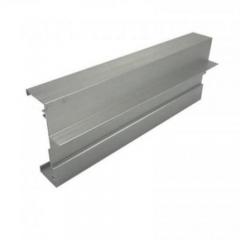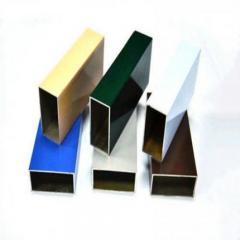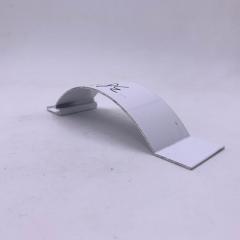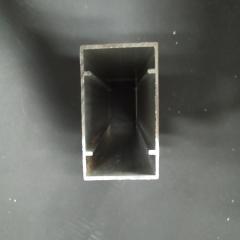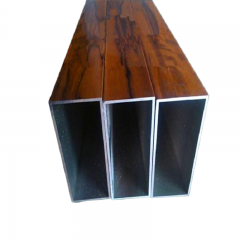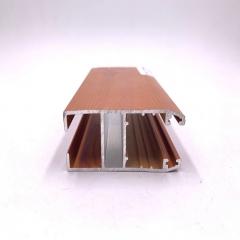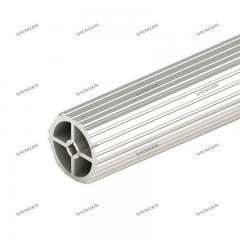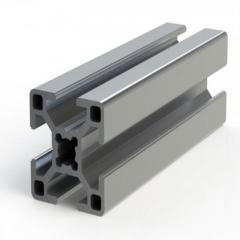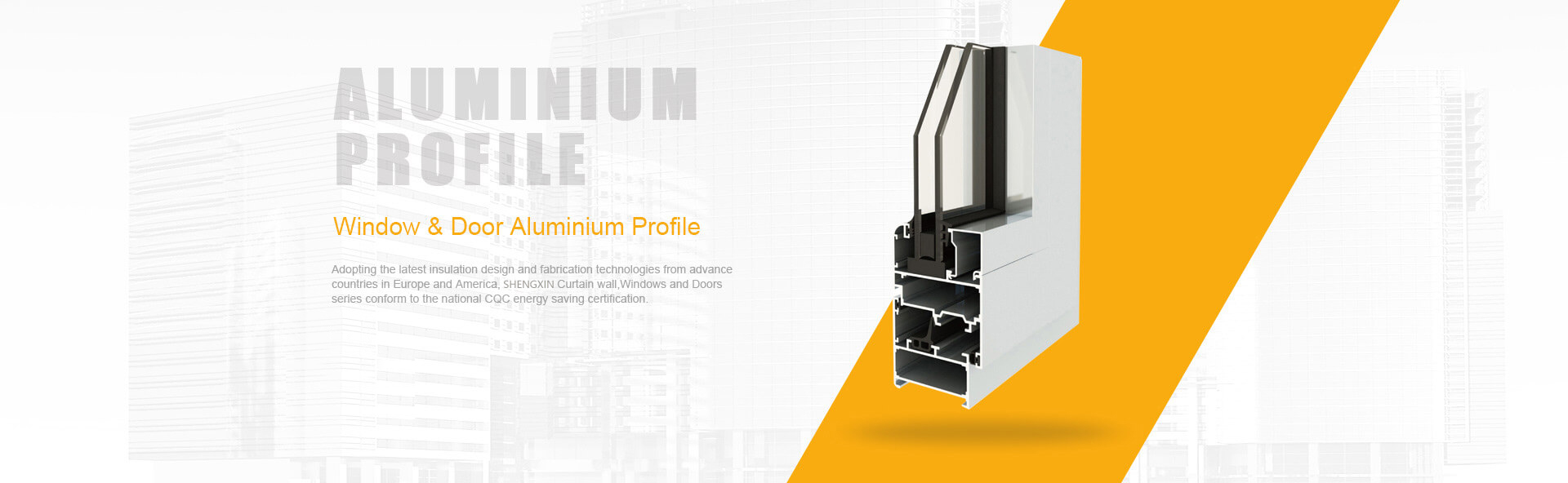
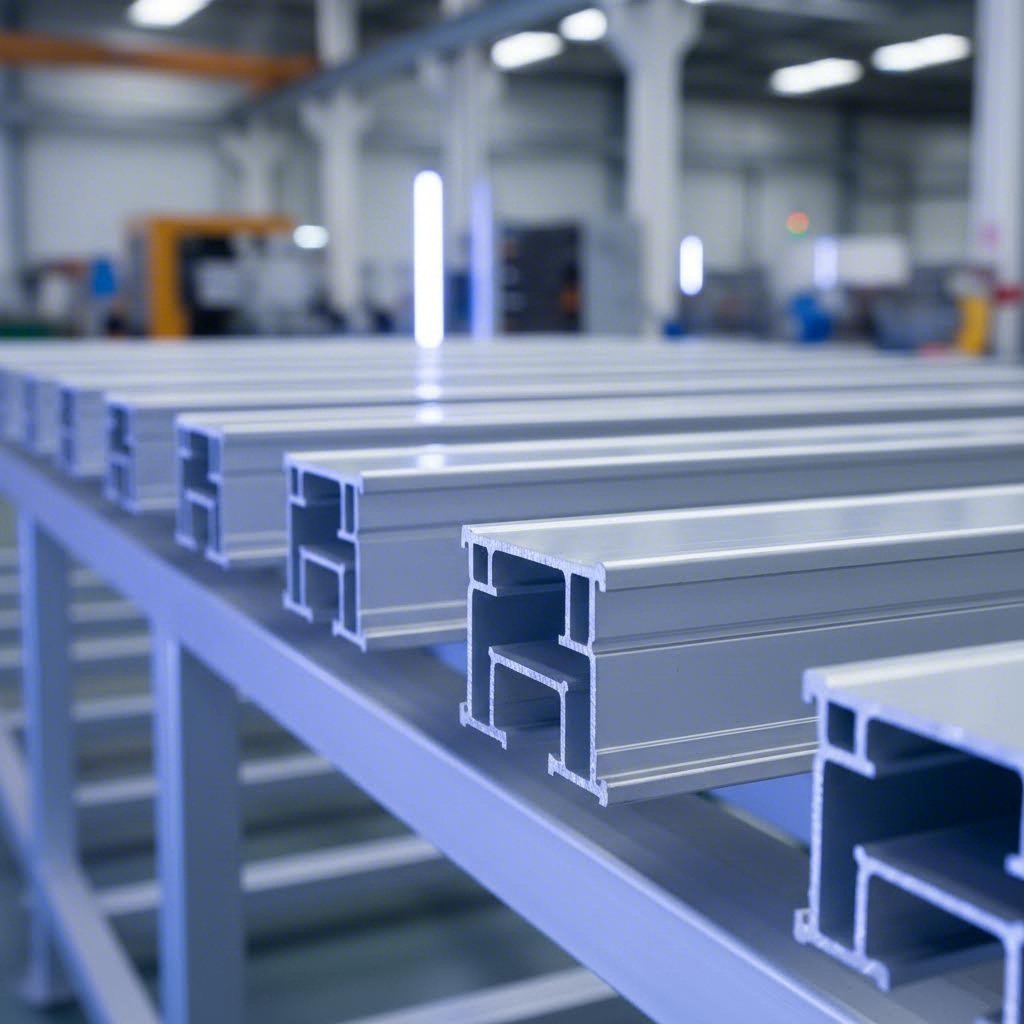
Ever wondered what keeps your solar panels securely mounted through decades of harsh weather? The answer lies in a component most installers overlook: solar panel frame aluminum extrusions. These precisely engineered profiles do far more than simply hold panels in place. They form the structural backbone of every photovoltaic system, protecting delicate cells while enabling efficient mounting and long-term performance.
A solar panel frame is the sturdy perimeter structure that encases and protects the sensitive components within a PV module. According to Vishakha Renewables, these frames secure critical units including PV cells, tempered glass, back sheets, and EVA film. The quality of your solar module frame directly impacts system efficiency, making proper specification essential for any installation.
When comparing materials for PV panel frames, aluminum consistently outperforms alternatives like steel. But why has this lightweight metal become the industry standard?
Consider the key advantages aluminum brings to solar applications:
According to Zetwerk's analysis, aluminum doesn't rust like steel and offers superior natural corrosion resistance thanks to its built-in oxide film. While steel may seem stronger on paper, aluminum's remarkable strength-to-weight ratio makes it far more practical. Steel is approximately 2.5 times denser than aluminum, making it significantly heavier to handle and more expensive to ship.
Research indicates that aluminum comprises more than 85% of the total mineral material used in manufacturing solar PV components. This dominance stems from its unique combination of properties: lightweight construction, excellent corrosion resistance, and outstanding recyclability.
So how exactly are these frames manufactured? The extrusion process involves heating aluminum to a high temperature until it becomes molten. This softened metal is then pushed through a specially designed die, emerging as long, uniform profiles that form the solar panel frame structure.
After extrusion, the profiles undergo shot blasting to smooth surfaces and remove imperfections. The critical final step is anodizing, where an electrochemical process creates a protective oxide layer that dramatically improves corrosion resistance. This treatment ensures frames can withstand years of exposure to rain, wind, and intense sunlight.
The average lifespan of an aluminum solar frame ranges from 15 to 25 years, though properly specified frames with quality surface treatments can last even longer. With solar panels expected to generate power for 25 to 30 years, frame selection becomes a decision with decades-long consequences.
Throughout this guide, you'll discover the nine critical specifications that separate high-performance frames from budget alternatives. We'll explore alloy selection, dimensional requirements, surface treatments, load specifications, and supplier evaluation criteria that every buyer needs to understand. Whether you're a DIY installer, commercial contractor, or procurement professional, mastering these specifications ensures your solar investment delivers maximum returns.
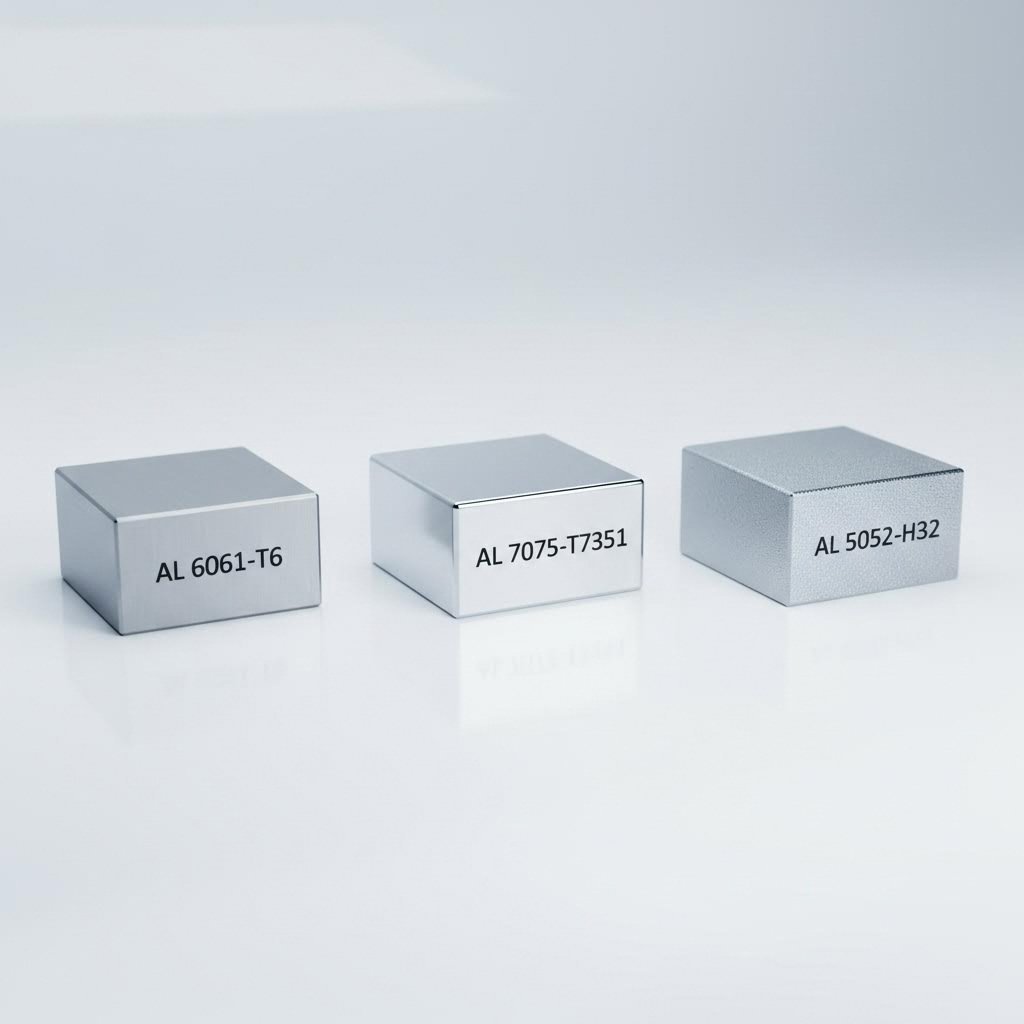
Now that you understand why aluminum dominates solar panel frame material choices, here's a question most installers never ask: which aluminum alloy is actually in your frame? Not all aluminum performs equally. The specific alloy determines everything from structural strength to how well the frame welds to mounting hardware. Yet this critical specification rarely appears in standard product documentation.
Solar panel aluminium frames typically use alloys from the 6000 series, specifically 6061-T6, 6063-T5, and 6005-T5. Each brings distinct advantages depending on your installation requirements. Let's break down what separates these alloys and why the difference matters for your project.
Understanding the mechanical properties of each alloy helps you match frame specifications to real-world performance demands. According to MakeItFrom.com, the differences in tensile and yield strength between common solar alloys are substantial:
| Property | 6061-T6 | 6063-T5 | 6005-T5 |
|---|---|---|---|
| Tensile Strength (UTS) | 310 MPa | 180 MPa | 230-270 MPa |
| Yield Strength | 270 MPa | 140 MPa | 200-240 MPa |
| Corrosion Resistance | Good | Excellent | Very Good |
| Weldability | Good | Excellent | Good |
| Extrudability | Moderate | Excellent | Very Good |
| Recommended Applications | Utility-scale, tracking systems, heavy-duty ground mounts | Residential rooftop, aesthetic installations | Commercial rooftops, carports, mid-range projects |
What do these numbers mean in practice? The 6061-T6 alloy delivers nearly 72% higher tensile strength than 6063-T5. When your installation faces extreme wind loads or must span significant distances without additional support, that strength difference becomes critical. However, higher strength comes with tradeoffs in extrudability and surface finish quality.
The 6063-T5 alloy offers superior extrudability, meaning manufacturers can create more complex profile shapes with smoother surface finishes. This makes it ideal for extruded aluminum panels where appearance matters. The alloy also demonstrates excellent corrosion resistance and anodizing quality, producing cleaner, more uniform finishes that blend seamlessly with modern solar panels.
Sitting between these options, 6005-T5 provides a balanced profile. According to SoEasy Solar, this alloy offers higher mechanical strength than 6060/6063 variants while maintaining good extrudability and structural integrity. It's particularly well-suited for load-bearing components in solar tracking systems and long-span carport structures.
Choosing the right alloy isn't just about strength numbers on a specification sheet. Your installation environment and project scale should drive the decision. Here's how to think through the selection process:
Residential rooftop installations typically don't require maximum structural strength. Panels mount close to the roof surface with relatively short spans between attachment points. For these applications, 6063-T5 dominates the market. Its excellent surface finish and superior corrosion resistance make it perfect for visible installations where aesthetics matter. The alloy's outstanding extrudability also means lower manufacturing costs, translating to more competitive frame pricing.
Commercial and industrial projects often demand a middle-ground approach. You'll encounter larger panel arrays, longer spans, and potentially more demanding load requirements. The 6005-T5 alloy provides the strength upgrade commercial installations need while maintaining good formability for rails, clamps, and secondary framing elements.
Utility-scale solar farms and tracking systems represent the most demanding applications. These installations must withstand significant wind and snow loads across massive structures. The 6061-T6 alloy's superior tensile and yield strength makes it the primary choice for main structural members in these environments.
When evaluating solar panel frame material, always verify the specific alloy designation. Frames labeled simply as "aluminum" without alloy specification may use lower-grade materials that compromise long-term performance.
Weldability differences also affect mounting system integration. If your installation requires welded connections between frame components and mounting hardware, 6063-T5's excellent weldability simplifies the process. The 6061-T6 alloy, while weldable, requires more careful technique and may need post-weld heat treatment to restore full strength in the weld zone.
One often-overlooked factor is thermal conductivity. According to MakeItFrom.com, 6063-T5 offers higher thermal conductivity at 210 W/m-K compared to 6061-T6's 170 W/m-K. This means frames using 6063-T5 dissipate heat more efficiently, potentially benefiting panel performance in extremely hot climates where thermal management matters.
Understanding these alloy distinctions puts you ahead of most installers who never look beyond basic frame dimensions. But dimensions matter too, and the next section reveals how frame profile sizing affects load capacity and installation compatibility.
You've selected the right alloy for your project. But here's where many installers stumble: choosing a frame profile that's either undersized for the load or oversized for the budget. Solar panel frames aluminum profiles come in a surprisingly wide range of dimensions, and picking the wrong size can compromise structural integrity or waste money on unnecessary material.
The cross-sectional dimensions of your frame determine how much stress it can handle before deflecting or failing. Thicker, wider profiles provide greater moment of inertia, which translates directly to improved resistance against wind uplift, snow loading, and mechanical stress during installation. Let's explore how to match frame dimensions to your specific application requirements.
Solar panel frame design has evolved alongside increasing panel sizes and wattages. According to Huajian Aluminium, common sectional sizes range from compact profiles for small residential panels to robust frames for high-wattage commercial modules:
| Frame Dimensions | Panel Wattage Range | Installation Type | Wind Load Zone Suitability |
|---|---|---|---|
| 17x17mm to 20x20mm | Up to 30 watts | Small off-grid, portable systems | Low wind zones only |
| 25x25mm | 30-80 watts | Residential rooftop, RV installations | Low to moderate wind zones |
| 30x25mm | 30-120 watts | Residential rooftop, carports | Moderate wind zones |
| 35x35mm | 80-180 watts | Commercial rooftop, ground mount | Moderate to high wind zones |
| 40x35mm to 50x35mm | 160-220+ watts | Utility-scale, tracking systems | High wind zones, heavy snow regions |
| 46x40mm to 60x35mm | 300+ watts | Large-format commercial, utility projects | Extreme conditions |
Notice the pattern? As panel wattage increases, so does panel size and weight. Larger panels require frames with greater cross-sectional area to maintain structural rigidity. A 400-watt commercial panel weighing 22 kilograms demands significantly more frame support than a 100-watt residential module at 8 kilograms.
Custom dimensions are also widely available. According to Hugh Aluminum, manufacturers offer sizes like 23x17mm, 28x25mm, 40x28mm, 42x35mm, 46x48mm, and 46x60mm to meet specific project requirements. This flexibility allows solar panel frame designers to optimize material usage while meeting exact structural specifications.
Sounds complex? It doesn't have to be. The key is understanding how three factors interact: panel characteristics, installation environment, and mounting configuration.
Panel size and weight establish baseline requirements. Larger panels create longer unsupported spans between mounting points, increasing bending stress on the frame. Heavier panels add static load that compounds with dynamic environmental forces.
Installation environment introduces variable loads. Ground-mounted systems in open fields face higher wind exposure than flush-mounted rooftop installations. Panels tilted at steep angles catch more wind but shed snow more effectively. Coastal locations may require larger profiles not for strength, but to accommodate thicker anodizing for corrosion protection.
Mounting configuration affects how loads transfer through the frame. Frames with four attachment points distribute stress more evenly than those with only two clamps. The location of mounting slots relative to panel corners influences how edge loading translates into frame deflection.
Here's what separates quality solar panel frames from budget alternatives: precision manufacturing tolerances. According to Aluminum Artist, solar frames demand significantly tighter specifications than standard industrial profiles:
Why do these tolerances matter? Imagine assembling a 40-panel array where each frame is slightly out of square. Those small errors compound across the installation, creating gaps, misalignments, and mounting difficulties. Quality-conscious buyers should request tolerance documentation from suppliers before placing orders.
Residential panels typically use thinner frames in the 25-35mm range because they mount in protected locations with shorter spans. Commercial and utility-scale projects require frames in the 35-50mm range to handle larger panels, longer spans, and more demanding environmental exposure. Understanding these distinctions ensures you specify frames that match actual project demands rather than defaulting to one-size-fits-all solutions.
With dimensions and tolerances defined, the next critical specification is surface treatment. How your frame is finished determines whether it will look pristine or corroded after years of outdoor exposure.
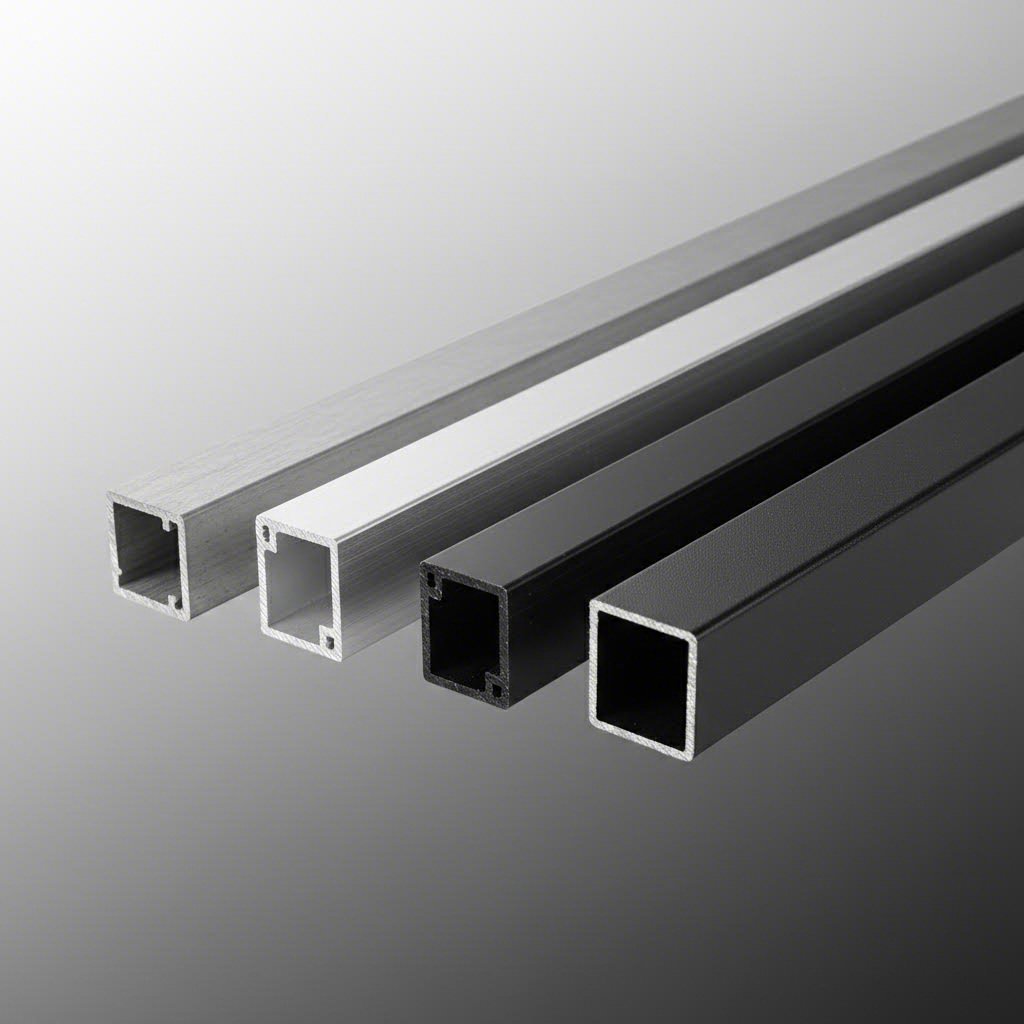
Your solar frame's alloy and dimensions are locked in. But here's what really determines whether that aluminium frame solar panel looks pristine or pitted after 20 years of outdoor exposure: surface treatment. This protective finishing layer stands between raw aluminum and everything nature throws at it, from salt-laden coastal winds to intense desert UV radiation.
According to Alumetrik, selecting the right surface treatment is crucial for ensuring the durability, performance, and aesthetics of your solar installation. Each treatment offers unique benefits, making it essential to consider specific environmental conditions when choosing the appropriate finish.
Two treatments dominate the aluminum frame for solar panel market: anodizing and powder coating. Both protect against corrosion, but they work through fundamentally different mechanisms.
Anodizing is an electrochemical process that thickens aluminum's natural oxide layer. According to Goldapple Aluminium, this treatment significantly enhances the hardness and strength of aluminum, providing resistance to scratches, abrasion, and denting. The process creates an integral part of the metal surface rather than adding a separate coating layer.
Powder coating takes a different approach. Dry powder particles are electrostatically applied to the frame, then heat-cured to form a durable, paint-like finish. This treatment offers superior resistance to chipping, peeling, and fading while providing a wide range of color options for aesthetic customization.
Here's how the main surface treatment options compare across key performance categories:
| Treatment Type | Corrosion Resistance | UV Stability | Cost Factor | Aesthetic Options | Recommended Environments |
|---|---|---|---|---|---|
| Mill Finish (Raw) | Low to Moderate | Moderate | Lowest | Natural aluminum only | Indoor, protected installations only |
| Anodized | High | Excellent | Moderate | Limited colors, metallic sheen | Coastal areas, humid climates, harsh environments |
| Powder Coated | High | Very Good | Moderate to High | Wide color range, smooth finish | Residential, commercial, aesthetic-focused projects |
| PVDF Coating | Excellent | Excellent | Highest | Premium colors, superior gloss retention | Extreme coastal, industrial, high-UV environments |
| Micro-Arc Oxidation | Exceptional | Excellent | Premium | Ceramic-like finish | Extreme conditions, specialty applications |
What about environmental impact? Anodizing is considered more environmentally friendly due to its lack of chemical emissions during processing. Powder coating, while effective, can release volatile organic compounds during application, though modern processes have significantly reduced this concern.
Where you install matters enormously. A solar frame that performs flawlessly in Arizona may corrode rapidly on a Florida coastline. Understanding climate-specific requirements helps you specify the right protection level.
Coastal installations face the harshest conditions. According to Gulf Coast Windows, salt air, high humidity, and intense sunlight all take a toll on aluminum surfaces. Homeowners in these regions should choose models with protective finishes that significantly reduce the risk of pitting or deterioration. Enhanced anodizing or PVDF coatings are essential for installations within several miles of saltwater.
Inland desert installations present different challenges. While humidity-driven corrosion is minimal, intense UV radiation and extreme temperature swings stress surface coatings. Standard anodizing typically provides adequate protection here, though powder coating offers additional fade resistance for visible installations.
Humid continental climates with freeze-thaw cycles require treatments that resist moisture infiltration. Anodized finishes excel here because the oxide layer becomes part of the aluminum itself, leaving no coating edge where moisture can penetrate.
Micro-arc oxidation represents an emerging premium option for extreme environments. This advanced process creates a ceramic-like surface layer with exceptional hardness and corrosion resistance. While currently more expensive than standard treatments, it's gaining traction for utility-scale installations in challenging locations.
Can aluminum frames really last 30 to 50 years? Yes, but only when three factors align: surface treatment quality, appropriate environmental matching, and proper maintenance.
Surface treatment quality varies significantly between suppliers. A nominally anodized frame might have an oxide layer of 5 microns or 25 microns, with dramatically different performance. Quality specifications should call out minimum coating thickness, adhesion testing results, and salt spray testing hours.
Environmental exposure accelerates or slows degradation. Frames installed at steep angles shed water and debris more effectively than low-slope installations. Shaded areas may trap moisture longer, promoting corrosion even with quality finishes.
Maintenance practices extend service life regardless of initial treatment. Here's what each finish type requires:
The right surface treatment transforms a commodity aluminum extrusion into a durable solar frame capable of protecting your investment for decades. But even the best finish can't compensate for inadequate structural performance. Next, we'll examine the load specifications that determine whether your frames can handle what nature delivers.
You've selected the perfect alloy, specified precise dimensions, and chosen a surface treatment matched to your climate. But here's the specification that separates installations that survive extreme weather from those that fail catastrophically: pv frame load capacity. Your aluminum solar panel frame must withstand forces that most installers never calculate, from hurricane-force wind uplift to the crushing weight of accumulated snow.
According to ExpertCE, properly calculating for solar wind and snow loads is a critical, non-negotiable step for ensuring the safety, longevity, and code compliance of any rooftop photovoltaic installation. These calculations result in a required design pressure, measured in pounds per square foot (psf), that the entire assembly must withstand. Let's explore what these forces mean for your solar power frames.
Wind doesn't simply push against your panels. It creates complex aerodynamic forces that can rip an entire array off your roof. When wind flows over a tilted solar panel, the airfoil-like shape generates significant uplift, actively pulling the system upward. Understanding these forces is essential for specifying frames that won't fail.
According to Anern Solar, engineers use established formulas from ASCE 7 standards to convert wind speed into pressure. This pressure is then applied to the array's surface area to calculate final forces: uplift, downward pressure, and lateral shear. The highest pressures concentrate at corners and edges, requiring careful attention to frame strength in these zones.
Several site-specific variables determine total wind force on your solar panel structural frame:
How does frame cross-section geometry affect wind resistance? Imagine two frames with identical alloys but different profiles. A frame with greater cross-sectional area provides higher moment of inertia, meaning it resists bending and deflection more effectively under wind loading. The relationship isn't linear though. Doubling wall thickness doesn't double strength. Engineers optimize profile geometry to maximize strength-to-weight ratio while minimizing material cost.
In colder climates, accumulated snow can become the dominant structural load. According to ExpertCE, fresh snow can weigh 5-12 psf, but wet, compacted snow can exceed 20 psf. That's a substantial load pressing down on your frames throughout winter months.
ASCE 7 provides ground snow load maps as starting points, but solar arrays create unique challenges. Panels act as obstructions, causing snow to drift and accumulate in uneven patterns. This creates unbalanced loads where one section carries heavy weight while another remains clear, generating torsional stress on mounting rails and frame connections.
The slick glass surface of solar panels complicates matters further. Snow slides unpredictably, sometimes accumulating on lower panels or roof sections in concentrated loads. A partial slide leaves some panels heavily loaded while others are bare, creating exactly the kind of unbalanced stress that can crack frames or shear mounting hardware.
Panel tilt angle creates a tradeoff between wind and snow performance. According to Anern Solar, angles greater than 30 degrees allow snow to shed more effectively, but this steeper tilt increases wind loading. Your frame specification must account for whichever force dominates in your specific location.
Different installation types face distinct structural demands. Here's how load specifications typically break down across project scales:
Not all aluminum extrusions are created equal. The manufacturing process itself affects frame quality and structural performance. Two primary methods exist: direct extrusion and indirect extrusion.
In direct extrusion, the ram pushes heated aluminum billet through a stationary die. This common method works well for most solar frame profiles but creates friction between the billet and container walls. That friction generates heat and can introduce surface imperfections or internal stresses.
Indirect extrusion moves the die toward the billet instead. This reduces friction and produces more consistent material properties throughout the profile's cross-section. The result is often a stronger, more uniform extrusion with better surface quality. However, indirect extrusion costs more and limits profile complexity.
According to Howard Precision Metals, the extrusion process not only allows creation of numerous shapes but can produce pieces stronger than aluminum formed by other methods. Quality manufacturers control extrusion temperature, speed, and cooling rates to optimize mechanical properties in the finished frame.
The racking system creates a continuous load path, transferring wind and snow forces from panels through the frame and mounting hardware down to the building structure or foundation. Every component in this path must be engineered to handle calculated loads without failure.
When evaluating solar power frames, request documentation showing the frame's tested load capacity, not just material specifications. Quality suppliers provide wind and snow load ratings based on actual testing or engineering calculations per ASCE 7 standards. This data tells you whether the frame can handle your site's specific environmental demands.
Structural performance specifications ensure your frames survive environmental extremes. But even the strongest frame fails if it doesn't integrate properly with your mounting system. The next section covers the installation considerations that connect frame selection to real-world mounting hardware compatibility.
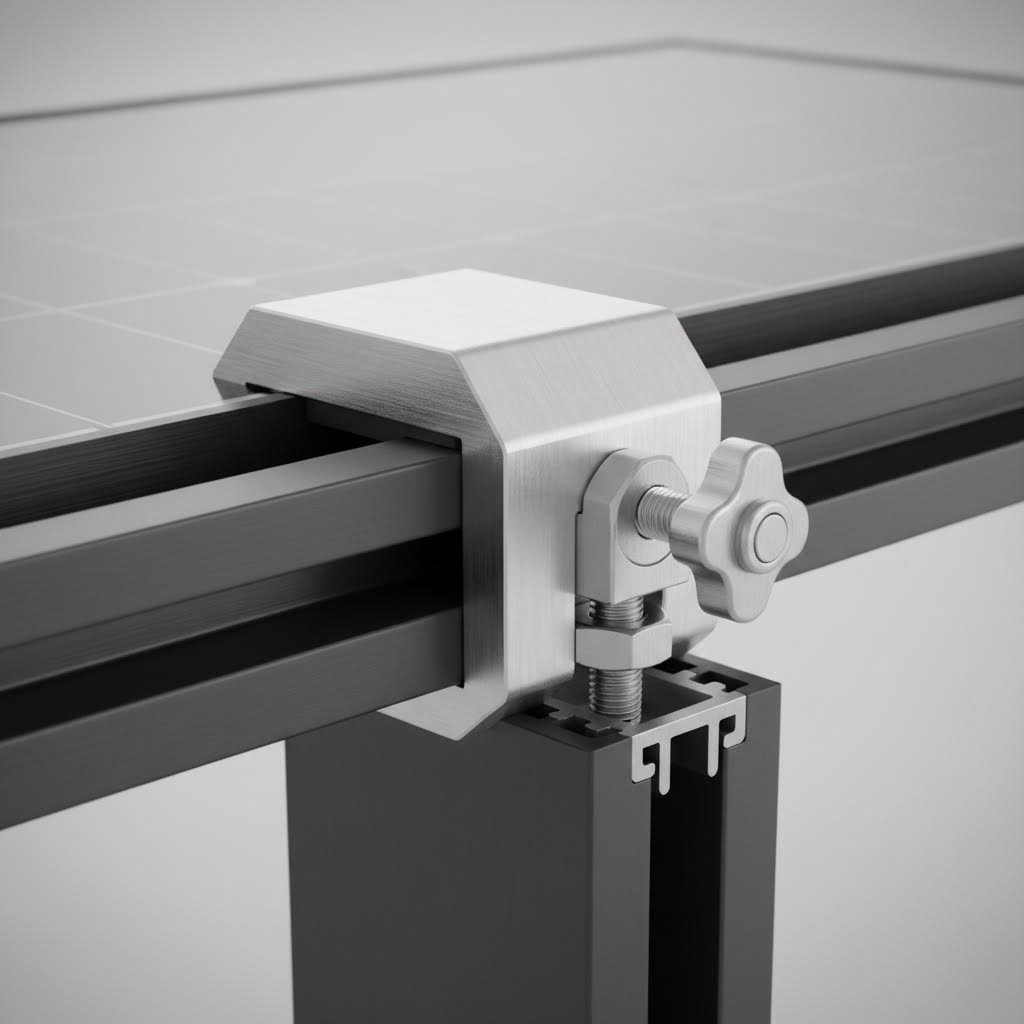
You've specified the perfect frame: right alloy, correct dimensions, appropriate surface treatment, and verified load capacity. But here's where many projects hit unexpected snags. Your solar panel mounting frame must physically connect to racking hardware, and that interface determines whether installation proceeds smoothly or becomes a frustrating exercise in incompatible components.
The gap between frame selection and practical pv panel frame installation rarely gets discussed. Most manufacturers assume you'll figure it out on-site. Let's bridge that gap by examining exactly how frame design affects mounting system compatibility across different installation types.
Fixed-tilt ground mount systems represent the most straightforward solar frame mounting system configuration. Panels attach to horizontal rails supported by vertical posts driven into the ground or secured to concrete foundations. But even this simple arrangement demands attention to frame-to-rail interface details.
Frame corner key design plays a crucial role in mounting clip compatibility. Corner keys are the internal connectors that join frame extrusions at each panel corner. Their shape and positioning determine where mounting hardware can safely attach without interfering with panel assembly. Some corner key designs create internal obstructions that prevent clamps from seating properly in certain slot positions.
When matching your solar panel frame kit to ground mount hardware, follow these considerations in sequence:
Tolerance requirements become critical at the frame-to-clamp interface. Standard mounting clamps accommodate slot widths within a specific range, typically ±0.5mm. Frames with slots outside this tolerance won't accept standard hardware, requiring custom clamps or shimming that complicates installation.
Rooftop installations introduce additional complexity. Ballasted systems rely on weight rather than roof penetrations, while attached systems require precise alignment with underlying structure. Each approach places different demands on frame design.
Ballasted flat-roof systems use weighted mounting bases that grip panel frames without penetrating the roof membrane. These systems require frames with specific slot configurations that accept ballast tray clamps. The frame must also withstand the concentrated loads where clamps grip, without crushing or deforming under the combined weight of ballast blocks and wind forces.
Pitched roof systems using rail-mounted clamps need frame slots positioned where rails naturally fall based on rafter spacing. If your frame's slot positions don't align with standard rail spacing, you'll face either custom rail fabrication or compromised attachment patterns.
Single-axis and dual-axis tracking systems present the most demanding integration requirements. According to industry specifications, tracking systems create dynamic loads as panels rotate throughout the day. Frames must accommodate specialized mounting hardware that allows rotation while maintaining secure attachment. The pivot points concentrate stress, requiring frames with reinforced sections or thicker walls in attachment zones.
Here's a specification most installers overlook until inspection day: electrical grounding. According to Solar Permit Solutions, most solar installation inspections fail due to improper grounding and bonding. Understanding how frame design facilitates these requirements prevents costly rework.
Grounding connects electrical components to Earth at zero voltage potential. Bonding connects metal equipment parts together to establish electrical continuity. Both are essential safety requirements, but they serve different purposes in your solar array.
Modern solar installations simplify bonding through UL 2703 listed racking systems. These systems bond modules together through the mounting hardware itself, eliminating the older practice of drilling holes in each frame for separate bonding wires. However, your frame must be compatible with these listed systems to benefit from simplified bonding.
Frame design affects grounding and bonding in several ways:
When evaluating frames for grounding compatibility, verify that your selected mounting hardware carries appropriate UL listings for combined support and bonding functions. This eliminates the need for separate equipment grounding conductors at each module, significantly reducing installation labor.
The dimensional tolerances discussed earlier become especially critical where frames interface with mounting hardware. Here's what to specify for reliable integration:
These specifications may seem overly precise for outdoor construction. But when you're installing hundreds or thousands of panels, small tolerance issues compound into major problems. Quality frames from reputable manufacturers meet these specifications consistently, while budget alternatives often show significant variation within the same shipment.
Request sample frames before committing to large orders. Verify slot dimensions, corner key design, and surface finish quality match your mounting hardware requirements. This simple step prevents costly compatibility issues during installation.
Proper frame-to-mounting-system integration ensures your installation proceeds efficiently while meeting all code requirements. But how do you identify suppliers capable of delivering frames that meet these demanding specifications? The next section provides actionable guidance for evaluating aluminum extrusion suppliers.
You've defined exactly what your solar frames need: specific alloy, precise dimensions, appropriate surface treatment, verified load capacity, and mounting compatibility. But here's the challenge that determines whether those specifications translate into reality: finding an aluminum extrusion supplier capable of consistently delivering what you've specified.
According to Ya Ji Aluminum, choosing the right aluminum extrusion supplier is a strategic decision that directly impacts product quality, lead times, and supply chain scalability. A reliable solar frame manufacturer acts as a technical partner, supporting precision manufacturing, consistent performance, and long-term growth. Let's examine the criteria that separate capable pv frame suppliers from those who simply can't deliver.
Start your supplier evaluation with certifications. These third-party verifications confirm that a manufacturer maintains consistent processes rather than relying on luck to produce quality frames.
ISO 9001:2015 certification should be your baseline requirement. This international standard verifies that the aluminum frames supplier maintains documented quality management systems covering everything from incoming material inspection to final product testing. According to industry guidance, these standards verify process control, traceability, and continuous improvement practices that minimize rejects, warranty issues, and downstream production interruptions.
Beyond ISO 9001, look for industry-specific certifications relevant to your application:
Certifications alone don't guarantee quality. Ask about in-house testing capabilities. Does the supplier offer tensile strength testing, dimensional inspection using coordinate measuring machines (CMM), salt spray resistance checks, or hardness verification? A strong quality assurance program catches problems before frames ship, protecting your installation schedule from defective materials.
When evaluating potential suppliers, dig deeper than marketing claims. These tangible capabilities reveal whether a manufacturer can actually produce the frames you need:
Die development expertise deserves special attention for custom profiles. According to Karkhana.io, flexible manufacturing solutions enable easy and quick adaptation to emerging market demands and variations while fulfilling customer project requirements. Top-tier suppliers assist with die design and prototyping, ensuring manufacturability from the design stage. This collaboration prevents costly revisions after production begins.
Not every aluminum extrusion supplier can deliver solar-grade frames. Watch for these warning signs that indicate potential problems:
Vague quality claims without documentation. Any reputable manufacturer readily provides test reports, certification copies, and tolerance specifications. Hesitation or excuses suggest the documentation doesn't exist or wouldn't pass scrutiny.
Inability to provide samples. Before committing to production orders, you should receive physical samples matching your specifications. Suppliers unwilling to provide samples may lack confidence in their consistency or may be planning to substitute materials.
Overpromising lead times. Solar frame production involves multiple steps: billet casting, extrusion, machining, surface treatment, and quality inspection. Suppliers promising impossibly fast delivery are either cutting corners or will miss deadlines.
Lack of clear communication about materials and tolerances. If a supplier can't explain exactly which alloy they'll use or what dimensional tolerances they guarantee, expect problems when frames arrive. Quality manufacturers speak confidently and specifically about their capabilities.
No industry-specific experience. According to Ya Ji Aluminum, suppliers with proven experience in your industry are better equipped to understand technical needs, anticipate challenges, and offer efficient solutions. General metal fabricators rarely match the expertise of dedicated solar frame specialists.
The best extrusion suppliers operate as an extension of your production team, offering end-to-end support from initial design consultation through die development, prototyping, mass production, and logistics coordination.
Why does comprehensive supplier capability matter? Consider what happens when you work with a fragmented supply chain: one vendor extrudes profiles, another handles machining, a third provides surface treatment, and you coordinate logistics between all of them. Every handoff introduces quality risks, communication gaps, and schedule delays.
According to industry analysis, full-service suppliers deliver value-added services that reduce coordination costs and improve turnaround times. When a single supplier controls extrusion, machining, finishing, and shipping, accountability is clear and problems get solved quickly.
Evaluate potential suppliers across the complete production journey:
Financial stability also matters for long-term partnerships. A stable, growth-oriented supplier invests in technology, maintains consistent quality, and honors commitments through market fluctuations. Review business credentials and expansion history before establishing supply relationships.
Finding the right aluminum extrusion supplier ensures your carefully developed specifications become reality. But beyond technical performance, today's procurement decisions increasingly consider environmental impact. The next section examines how aluminum frame selection aligns with sustainability goals.
You're investing in solar energy to reduce environmental impact. But here's a question worth asking: does your frame choice support or undermine that sustainability mission? The aluminum in your solar panel frames carries its own environmental footprint, and understanding that footprint helps you make procurement decisions aligned with genuine green values.
According to Recycling Today, recycling aluminum requires up to 95% less primary energy than producing aluminum from bauxite. That's not a marginal improvement. It's a transformative reduction that makes recycled aluminum solar frames dramatically more sustainable than those made from virgin material.
Why does aluminum dominate sustainable solar panel frames? The material's inherent properties create a compelling environmental case that extends far beyond simple recyclability.
Consider the lifecycle advantages. Aluminum frames protect solar panels for 25 to 30 years of clean energy production. When those panels finally reach end-of-life, the aluminum doesn't become waste. According to RatedPower, a typical silicon PV module contains approximately 8% aluminum, primarily in the frame structure. This aluminum retains its value and properties indefinitely, ready for complete recovery and remanufacture.
The energy equation tells a powerful story. According to research from the European Aluminium Association, primary aluminum production requires 157 megajoules per kilogram, while recycled aluminum ingots need only 7.85 megajoules per kilogram. When you specify eco-friendly pv frames made from recycled content, you're choosing material that consumed a fraction of the energy during manufacturing.
Resource conservation extends beyond energy. Mining bauxite ore involves habitat disruption, water consumption, and transportation emissions. Every kilogram of recycled aluminum in your sustainable solar panel frames bypasses this extraction entirely, reducing demand for destructive mining practices.
What happens when solar panels reach end-of-life? According to Okon Recycling, proper recycling can recover up to 95% of semiconductor materials and 90% of glass content. But aluminum frame recyclability stands apart. The metal recovers completely, maintaining its properties through unlimited recycling cycles without degradation.
The scale of this opportunity is staggering. The International Renewable Energy Agency estimates that by 2050, recoverable value from solar panel materials could exceed $15 billion globally. Aluminum frames contribute significantly to this circular economy potential, providing high-value scrap that manufacturers eagerly purchase.
According to industry research, recycling aluminum from solar panel frames uses 95% less energy than producing new aluminum from raw bauxite. This efficiency creates genuine environmental savings at the end of your system's productive life, completing a true circular economy loop.
When evaluating suppliers for recycled aluminum solar frames, look for these sustainability certifications and claims:
Be cautious of vague sustainability claims without documentation. Phrases like "eco-friendly" or "green" mean little without supporting certifications or third-party verification. Quality suppliers readily provide the documentation that substantiates their environmental claims.
The aluminum frame recyclability advantage aligns perfectly with solar energy's core mission. You're generating clean electricity while using materials designed for complete recovery and reuse. This closed-loop approach transforms what could be waste into valuable feedstock for future manufacturing, creating the circular economy that genuine sustainability requires.
With sustainability considerations addressed, you're now equipped to make informed frame selections across every critical specification. The final section brings together all these factors into actionable guidance for your specific project type.
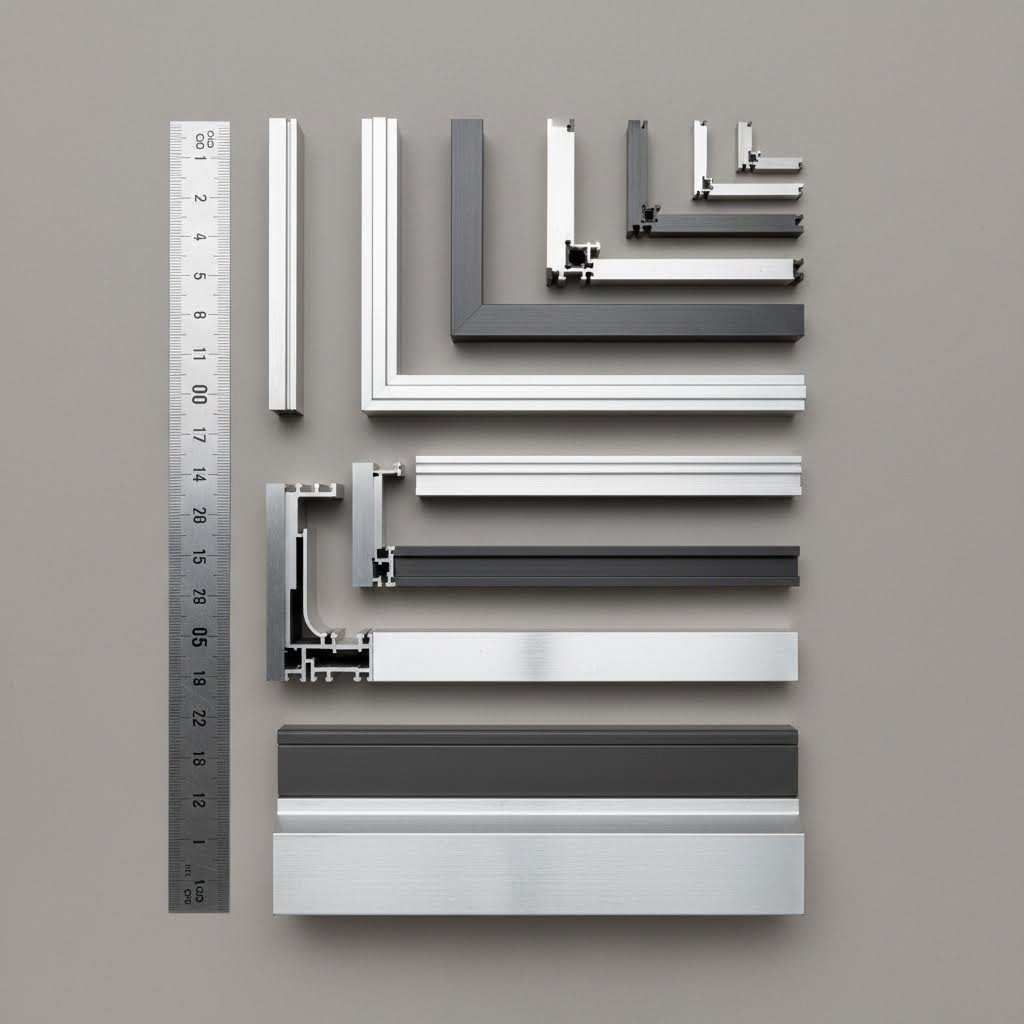
You've navigated alloy chemistry, dimensional specifications, surface treatments, load calculations, mounting compatibility, supplier evaluation, and sustainability considerations. That's a lot of ground to cover. But here's the payoff: you now understand the nine specifications that separate high-performance solar panel frame aluminum extrusions from commodity alternatives that compromise your investment.
How do you translate this knowledge into procurement action? The answer depends on your project scale, buyer role, and specific installation requirements. Let's synthesize everything into actionable guidance tailored to your situation.
Different project types demand different specification priorities. Use this solar frame buying guide as your reference when developing procurement requirements:
| Specification | Residential Projects | Commercial Projects | Utility-Scale Projects |
|---|---|---|---|
| Recommended Alloy | 6063-T5 (superior finish, excellent extrudability) | 6005-T5 or 6063-T5 (balanced strength and cost) | 6061-T6 or 6005-T5 (maximum structural strength) |
| Frame Dimensions | 25x25mm to 35x35mm | 35x35mm to 50x35mm | 50x35mm to 60x35mm |
| Surface Treatment | Standard anodizing or powder coating | Enhanced anodizing; PVDF for coastal sites | PVDF or micro-arc oxidation for extreme environments |
| Dimensional Tolerance | ±0.3mm acceptable | ±0.2mm preferred | ±0.15mm required for precision mounting |
| Quality Certification | ISO 9001:2015 minimum | ISO 9001:2015 plus material test reports | ISO 9001:2015, full traceability, third-party testing |
| Load Documentation | Manufacturer's published ratings | Engineering calculations per ASCE 7 | Site-specific structural analysis required |
Notice how pv frame specifications scale with project complexity. Residential installations prioritize aesthetics and cost efficiency. Commercial projects balance performance with budget constraints. Utility-scale developments demand maximum strength and documentation regardless of cost premium.
Your role in the procurement process shapes which specifications deserve primary attention. Here's what each buyer type should prioritize:
Looking for solar panel frame selection that simplifies your installation? Focus on kit-friendly options that include pre-cut frames, matching mounting hardware, and clear assembly instructions. Verify that frame slots accept standard clamps without modification. Request sample pieces before ordering complete kits to confirm quality meets expectations.
Key priorities for DIY buyers:
Volume pricing and supply consistency drive your aluminum frame procurement decisions. Establish relationships with suppliers who maintain inventory, guarantee lead times, and provide quantity discounts. Consistency matters enormously when installing hundreds of panels. Dimensional variations that seem minor become major headaches across large arrays.
Key priorities for commercial contractors:
Your specifications become contractual requirements. Demand complete documentation: material certifications, test reports, tolerance verification, and quality system audits. According to federal procurement guidelines from the U.S. Department of Energy, agencies should require compliance with applicable codes, standards, and quality verification throughout the project lifecycle. Apply similar rigor to your commercial procurements.
Key priorities for procurement professionals:
Throughout this guide, we've emphasized the importance of comprehensive supplier capabilities. The ideal partner combines manufacturing expertise, quality systems, and technical support into seamless end-to-end service.
What does such a partner look like in practice? Consider Shengxin Aluminium as an example of a manufacturer meeting the quality criteria discussed throughout this article. With over 30 years of aluminum extrusion experience, their facility houses 35 advanced extrusion presses ranging from 600T to 5500T capacity. This equipment range enables production of everything from fine residential frame profiles to heavy structural members for utility-scale installations.
Their capabilities extend well beyond basic extrusion. State-of-the-art CNC machining centers handle precise cutting, drilling, and bending to exact specifications. Comprehensive surface treatment options include anodizing in custom colors, powder coating, PVDF, and micro-arc oxidation for superior durability in demanding environments. To explore custom aluminum extrusion services, evaluate how their deep processing capabilities align with your project requirements.
The value of end-to-end support becomes clear when you consider the complete buyer journey. From initial die development through prototyping, mass production, and logistics coordination, a single accountable partner eliminates the coordination headaches of fragmented supply chains. Technical teams experienced in solar frame requirements help optimize designs before production begins, preventing costly revisions downstream.
The right supplier relationship transforms procurement from a transactional process into a technical partnership. Look for manufacturers who invest in understanding your specific requirements rather than simply quoting standard products.
You now possess the knowledge that most installers never acquire. The nine specifications covered in this guide represent the critical factors that determine whether your solar panel frames deliver decades of reliable performance or become the weak link in your photovoltaic system.
Start by defining your project requirements across each specification category. Document your alloy preference, dimensional requirements, surface treatment needs, load specifications, and mounting compatibility requirements. Use this documentation as the foundation for supplier discussions.
Request samples before committing to production orders. Verify that physical frames match specifications, that slots accept your mounting hardware, and that surface finishes meet aesthetic requirements. This simple step prevents costly surprises during installation.
Evaluate suppliers against the criteria outlined in this guide. Prioritize those offering comprehensive capabilities, documented quality systems, and responsive technical support. The lowest price rarely delivers the best value when frame quality determines system longevity.
Whether you're a DIY installer mounting your first residential array, a commercial contractor scaling operations, or a procurement professional specifying utility-scale requirements, these specifications ensure your solar investment performs as intended. The frames you select today will support clean energy generation for decades to come. Make that selection count.
Solar panel frames primarily use aluminum alloys from the 6000 series, specifically 6063-T5, 6005-T5, and 6061-T6. These alloys offer the ideal combination of strength, corrosion resistance, and extrudability for photovoltaic applications. The 6063-T5 alloy dominates residential installations due to its superior surface finish and excellent extrudability, while 6061-T6 is preferred for utility-scale projects requiring maximum structural strength. Aluminum comprises over 85% of mineral material used in solar PV manufacturing because it's lightweight, naturally corrosion-resistant, and fully recyclable.
The 33% rule refers to local fire and building codes that restrict rooftop solar panel arrays to covering no more than 33% of a roof's plan-view area before additional setbacks or fire-path clearances apply. This regulation ensures firefighters have adequate roof access during emergencies. When planning your installation, factor in these coverage limitations alongside frame specifications, mounting system requirements, and local building codes to ensure your solar array meets all regulatory requirements.
Aluminum solar panel frames typically last 15 to 25 years, though properly specified frames with quality surface treatments can match or exceed the 25 to 30-year lifespan of solar panels. Longevity depends on three critical factors: surface treatment quality (anodizing thickness, PVDF coating), environmental exposure (coastal salt air vs. inland conditions), and maintenance practices. Frames with enhanced anodizing or PVDF coatings in harsh environments significantly outperform standard mill-finish aluminum in corrosion resistance and UV stability.
The key differences lie in strength and extrudability. 6061-T6 offers significantly higher tensile strength at 310 MPa compared to 6063-T5's 180 MPa, making it ideal for utility-scale projects and tracking systems requiring maximum structural capacity. However, 6063-T5 provides superior extrudability, smoother surface finishes, and better corrosion resistance, making it perfect for residential rooftop installations where aesthetics matter. The 6005-T5 alloy offers a balanced middle ground with 230-270 MPa tensile strength while maintaining good formability.
Coastal installations require enhanced anodizing or PVDF coatings to withstand salt air, high humidity, and intense UV exposure. Standard anodizing may be insufficient within several miles of saltwater. PVDF (polyvinylidene fluoride) coatings offer the highest protection with excellent corrosion resistance, superior UV stability, and premium gloss retention. Micro-arc oxidation is an emerging premium option that creates a ceramic-like surface layer with exceptional hardness for extreme coastal environments. Manufacturers like Shengxin Aluminium offer comprehensive surface treatment options including anodizing, powder coating, PVDF, and micro-arc oxidation to match specific environmental requirements.



 dịch vụ trực tuyến
 0086 136 3563 2360
 sales@sxalu.com
 +86 136 3563 2360
 Việt
Việt English
 français
 Deutsch
 русский
 español
 português
 العربية
 ไทย
ไทย Українська