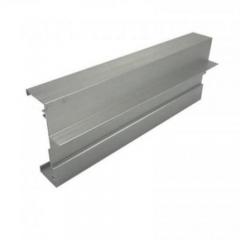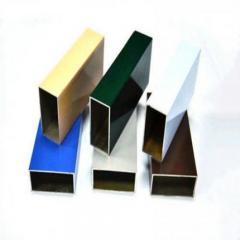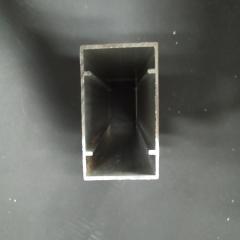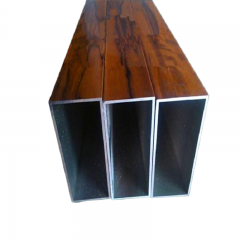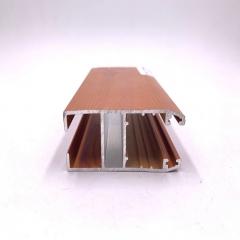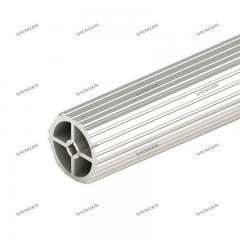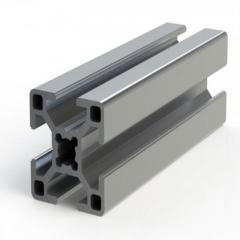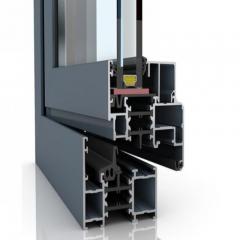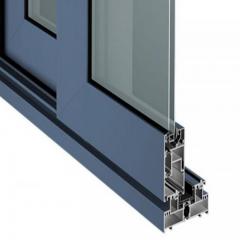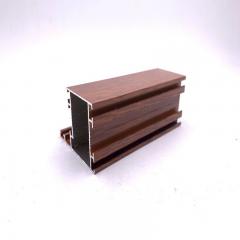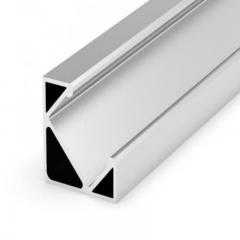

When you need a budget before a supplier has reviewed your drawing, a manual estimate helps. An aluminum extrusion cost calculator is best understood as a clear framework, not a magic price engine. If you are also asking, what is aluminum extrusion, it is the process of pushing heated aluminum through a die to create continuous shapes with a consistent cross-section. That matters because shape, weight, finish, and order size all change the final price.
An aluminum extrusion cost calculator is a transparent method for estimating likely project cost before a formal quote exists.
Used well, this approach can estimate total order cost, cost per kg, cost per meter, and cost per part for standard or custom aluminum extrusions. It cannot confirm exact die feasibility, real-time press availability, final scrap rate, minimum order quantity, or the true freight charge to your destination. In other words, it is the text version of a calculator page where every assumption stays visible, so buyers, engineers, and sourcing teams can test options instead of relying on a black-box guess.
A useful estimate should show more than one number. You will usually want startup cost, recurring cost, total order value, and converted unit views by kilogram, meter, and part. That makes it easier to compare different aluminum extrusion profiles, design options, and order volumes on the same basis.
Manual estimates are most useful during early design review, internal budgeting, RFQ preparation, and quote checking. Imagine comparing two aluminum extrusion concepts, one lighter but more complex and one heavier but simpler. A clear estimate helps you see which driver is moving first. The math only becomes trustworthy when the terms do too, because words like die cost, yield, and finishing often mean different things to different teams.
Sounds complex? It usually feels that way because two quotes can use the same word for very different cost buckets. Before any manual estimate works, you need shared definitions. That matters whether you are pricing a custom aluminum extrusion profile from a drawing or checking a standard option in an aluminum extrusion profiles catalog.
For a typical aluminum profile extrusion project, some inputs mainly affect the first production run, while others repeat on every order. Cost ranges from Sino Extrud show why this distinction matters: a simple small aluminum extrusion die may cost under $1,000, while large or highly complex dies can reach $15,000 to $25,000 or more. Design guidance from AEC also notes that extrusions are generally more economical when the circumscribing circle diameter stays within about 1 to 10 inches, with lower cost often seen below 8 inches.
| Term | Meaning, timing, and pricing effect |
|---|---|
| Die cost | The hardened tool that forms the shape. Usually a first-run cost, then amortized across repeat volume unless replaced or revised. Raises startup cost first, then unit cost if spread over low volume. |
| Tooling | Broader than the die. May include fixtures, cut tools, drill jigs, or inspection gauges. Often one-time, but some items return when parts need new setups. |
| Profile complexity | More hollows, thin features, asymmetry, or tight detail increase engineering difficulty. This can raise die cost, setup time, scrap risk, and recurring press cost. |
| Wall thickness | Balanced walls usually extrude more efficiently. Very thin or uneven walls can slow production and increase rejection risk, affecting recurring unit cost. |
| Yield | The share of good output from total input. Higher yield lowers effective cost per kg, per meter, and per part on every order. |
| Scrap | Material lost in startup, trimming, defects, or process instability. This recurs and pushes up the real cost of usable material. |
| Finishing | Anodizing, powder coating, or other surface treatment. Usually a recurring cost, often quoted per meter, per kg, or per batch. |
| Secondary operations | Cutting, drilling, machining, bending, or assembly after extrusion. Usually recurring and often charged per part or per operation. |
| Overhead | Factory costs such as power, maintenance, setup support, and administration. Built into recurring conversion cost or applied as a burden rate. |
| Margin | The supplier's markup above total cost. It applies to the whole quote, so it changes both total order value and unit pricing. |
When you compare aluminum extrusion shapes or review common aluminum extrusion sizes, unit mismatch causes more confusion than the math itself. One sheet may show lb/ft. Another may show kg/m. A drawing may only show cut length and quantity.
That normalization keeps the estimate consistent. Raw metal often starts as cost per kg, finishing may be priced per meter, and machining often lands per part. You will notice that once terms and units line up, the quote stops looking random and starts revealing its real structure: metal, tooling, press conversion, and the yield loss sitting between them.
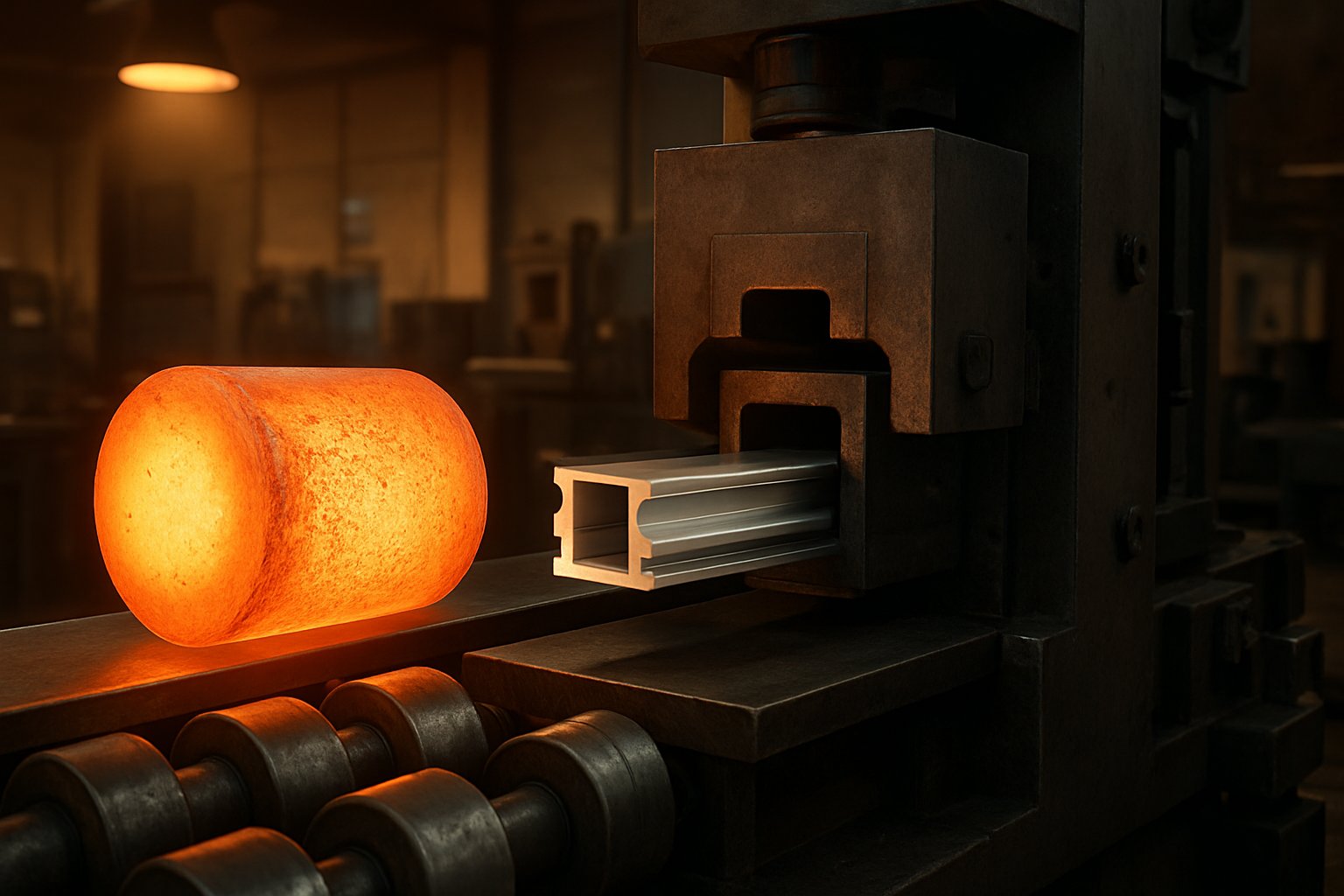
When the units finally match, supplier math usually starts with the metal itself. In a practical aluminum extrusion cost calculator, the base stack follows the same logic used on the shop floor: billet first, tooling second, conversion on the press third, and yield loss last. A simplified split from SinoExtrud places aluminum billet at about 55 percent of total price and the extrusion process at about 25 percent, while American Douglas Metals notes raw material often accounts for more than half of extrusion operating expense. That is why the base aluminum extrusion process cost rarely moves for just one reason. Weight, alloy, geometry, and production stability all pull on different parts of the stack.
Imagine two drawings with similar weight. The one with steadier flow, lower setup burden, and better yield often wins before anodizing, machining, packaging, or freight ever enter the spreadsheet. That is where small downstream choices start to overshadow small differences in raw extrusion price.
When the base profile looks affordable, the quote often changes downstream. Published cost benchmarks show why: anodizing is listed at USD 800-1,400 per ton, powder coating at USD 1,300-1,800 per ton, and PVDF at USD 2,700+ per ton. Those steps sit on top of extrusion cost, and small differences in raw metal can disappear once finish, inspection, and aluminum extrusion machining are added.
Imagine two identical sections. One ships in mill finish. The other must be a visible black aluminum extrusion or decorative aluminum extrusion trim. You’ll notice the second version usually needs tighter appearance control. The same reference notes that coating thickness, visible surface area, and QC standards influence finishing cost. That is why anodized aluminum extrusions are often priced by both weight and cosmetic requirement, not by alloy weight alone. Thin walls, deep grooves, and tight tolerances can also raise rejection risk because marks, color variation, or distortion are harder to hide on decorative parts.
Deep processing adds another layer. Simple drilling is listed at USD 200-300 per ton, while CNC machining or welding runs about USD 900-2,100 per ton. In practice, cutting aluminum extrusion to exact lengths, drilling hole patterns, bending, or light assembly may be quoted separately from the base profile because setup time and jig complexity vary by drawing. Packaging and freight are usually their own buckets as well. For long, visible, or finished parts, extra film, spacers, pallets, and handling can matter more than buyers expect.
| Downstream step | What it includes | When it is usually quoted | Common charging basis | Typical cost behavior |
|---|---|---|---|---|
| Anodizing | Oxide finish for durability, corrosion resistance, and color | After alloy, color, and film thickness are confirmed | Per kg or per ton, sometimes per meter for trim programs | USD 800-1,400/ton |
| Powder coating | Pretreatment, powder application, and curing | After color and texture are specified | Per kg, per ton, or per meter | USD 1,300-1,800/ton |
| PVDF | High-weather-resistance coating for exposed applications | After exterior performance spec is set | Per kg or per meter | USD 2,700+/ton |
| Cutting | Sawing to final length | After cut list and tolerance are known | Per cut, per part, or per meter | Short lengths and tight tolerance increase handling time |
| Drilling or punching | Holes, slots, and simple features | After drawings and fixtures are defined | Per part, per operation, or per ton | Simple drilling USD 200-300/ton |
| CNC machining, bending, welding | Complex features, forming, or joining | After tolerance and setup review | Setup fee plus per part, or per ton | USD 900-2,100/ton for CNC machining or welding |
| Assembly | Hardware insertion, subassembly, and fit checks | After BOM and work content are confirmed | Per part or per order | Labor-driven and sensitive to takt time |
| Packaging | Protective film, spacers, strapping, and pallets | Near shipping stage, after finish and bundle rules are set | Per part, per bundle, per meter, or per order | Visible parts such as aluminum extrusion trim often need more protection |
| Freight | Inland transport, export packing, and shipment | After destination and Incoterms are known | Per order or shipment | Volatile and often large enough to outweigh small extrusion-price differences |
The tricky part is not whether these adders exist. It is that each one may be quoted in a different unit. Finish may be per ton, machining per part, packaging per bundle, and freight per order. That mix is exactly why a manual aluminum extrusion cost calculator has to convert every bucket into one calculation path before cost per kg, cost per meter, and cost per part mean anything useful.
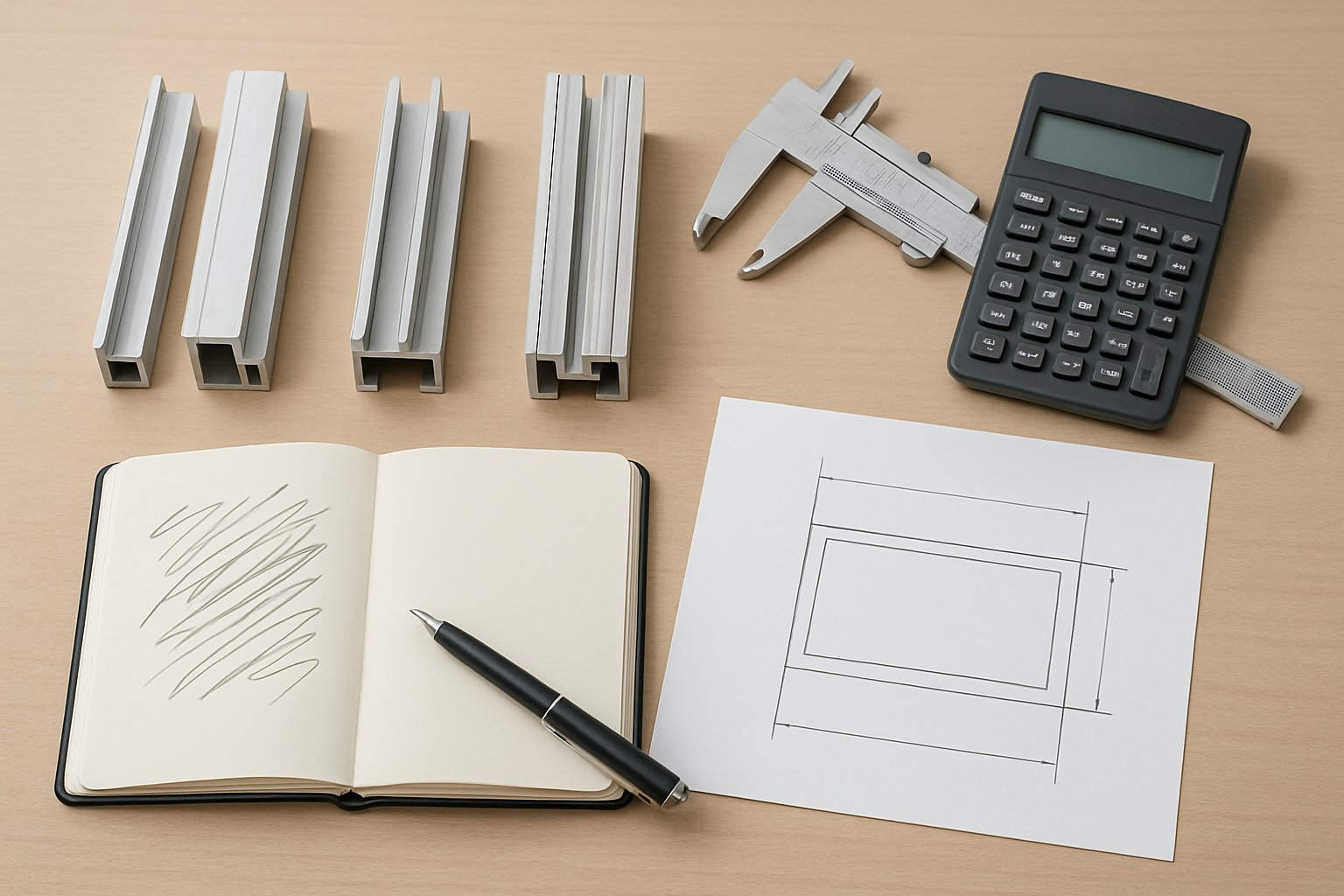
When finish is quoted per ton, cutting per part, and freight per shipment, the estimate only works if every line follows one calculation order. That is the practical value of an aluminum extrusion cost calculator in text form. Whether you are reviewing a standard 2020 aluminum extrusion, checking 2020 aluminum extrusion dimensions from a catalog, or comparing a 2040 aluminum extrusion with a 4040 aluminum extrusion, the workflow stays the same. Only the inputs change.
If you have supplier rate sheets or quote data, insert those figures directly. If not, keep the model symbolic so real supplier inputs can be added later without rewriting the structure.
| Metric | Variables that feed it | Formula view |
|---|---|---|
| Total order cost | All cost buckets | Ctotal |
| Cost per kg shipped | Total order cost, good shipped weight | Ctotal / Wgood |
| Cost per meter shipped | Total order cost, good shipped meters | Ctotal / Mgood |
| Cost per part | Total order cost, quantity | Ctotal / Q |
| First-run startup burden per part | Die, tooling, setup, quantity | (Ctool_total + Csetup) / Q |
Imagine two profiles with similar mass. One can still quote higher because yield is weaker, cutting time is longer, or finish handling is stricter. That is why even a familiar section size does not guarantee a reliable number on its own. The math is transparent. Confidence depends on which inputs are stable enough to trust before a supplier checks die feasibility, run speed, and shipment assumptions.
That is where many spreadsheets become overconfident. A manual estimate is strongest as a directional tool, not a final commitment. It can help you compare standard aluminum extrusions with a custom aluminum extrusion, test volume assumptions, and spot missing cost buckets before an RFQ goes out. But a supplier quote is doing technical review your spreadsheet cannot do. Guidance on budgetary quotes notes that early estimates are rough planning numbers, while firm quotes depend on complete specifications and engineering review.
You can usually predict profile weight from drawings or catalog data, cut length, order quantity, alloy family, and whether finishing or machining is required. You can also model fixed-cost dilution with reasonable confidence, because more volume spreads die and setup across more kg, meters, or parts. If packaging rules and destination are already known, those can be estimated directionally too.
Some items only become clear after review by an aluminum extrusion manufacturer. Die feasibility, actual press fit, realistic run speed, scrap assumptions, tolerance risk, finishing-line capability, minimum order quantity, setup policy, and shipping method all need confirmation. A section that looks simple on paper may still need a more complex die or slower production if wall thickness, visible surfaces, or dimensional demands create instability.
| Category | Manual estimate check | What to verify in the quote | Risk to watch |
|---|---|---|---|
| Raw material | Weight, alloy, metal rate basis | Same alloy, same shipped weight basis | Alloy mismatch or hidden surcharge |
| Tooling | One-time or amortized | Die fee, ownership, replacement terms | Double counting in unit price |
| Conversion | Per kg or process-time logic | Setup, press cost, heat treatment included | Bundled charges that hide setup |
| Yield and scrap | Applied once in the model | Yield assumption and scrap credit | Inflated loss factor |
| Finishing and machining | Per kg, meter, part, or order | Coating spec, CNC scope, inspection level | Missing spec changes price later |
| Packaging and freight | Separate from part cost | Packing method, Incoterms, destination | Omitted logistics added later |
If a quote looks unusually low, check whether something is missing. If it looks high, check whether the supplier included real risk, handling, or inspection work. You will notice the cleanest quotes usually come from suppliers whose actual production range matches the job.
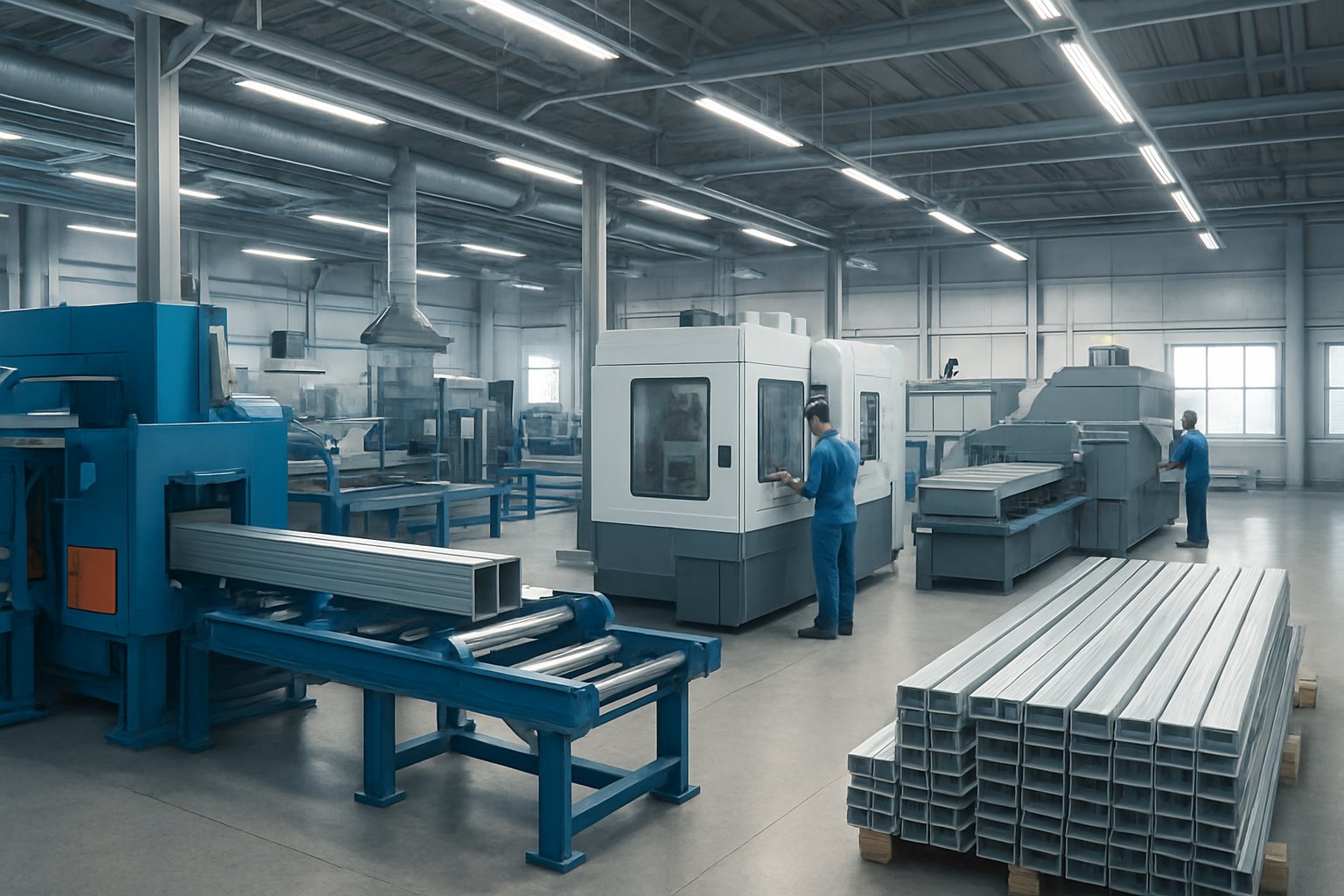
When a quote looks precise before production starts, it usually reflects more than careful math. It reflects factory fit. For custom extrusion aluminum work, supplier capability changes how confidently costs can be estimated, because press range, die support, machining depth, and finishing options all affect feasibility, scrap, setup time, and rehandling. That matters for aluminum extrusion parts with tight hole locations, for projects using aluminum extrusion connectors, and for any aluminum extrusion enclosure where fit and surface quality have to work together.
Among aluminum extrusion suppliers, the most complete estimates often come from factories that can review more of the process in-house. On its Shengxin Aluminium processing page, Shengxin lists more than 30 years of experience, 35 extrusion presses from 600T to 5500T, CNC cutting, drilling, and bending, plus anodizing, powder coating, PVDF, and micro-arc oxidation. That kind of range can improve quote completeness because one team can assess die development, press fit, machining scope, and surface treatment together. It does not automatically mean the lowest price for every simple repeat job, but it usually reduces uncertainty on complex profiles. Guidance from Profile Precision Extrusions points to the same logic, noting that value-added operations at the mill can reduce overall component cost and simplify the supply chain.
| Supplier type | Capability profile | Quote completeness | Downstream service coverage | Typical tradeoff |
|---|---|---|---|---|
| Shengxin Aluminium Deep Processing & Custom Extrusion Services | Press range 600T-5500T, die support, CNC cutting, drilling, bending, anodizing, powder coating, PVDF, micro-arc oxidation | Usually stronger for full cost roll-up on custom profiles | High, from extrusion through deep processing and finishing | Broad capability may be more than needed for a very simple stock run |
| Press-only extruder | Strong at raw profile production, limited post-processing | Good for base extrusion only, weaker for finished-part pricing | Low to medium | More handoffs, more coordination risk |
| Machining shop buying outside extrusion | Strong on hole patterns and cut features, weak on die and press review | Often incomplete for first-run extrusion economics | Medium | Useful for prototypes, less complete for total program costing |
| Finish-only processor with outsourced extrusion | Strong on coating or appearance control, limited upstream control | Can miss extrusion-side yield and handling assumptions | Medium | Split responsibility if defects appear after finishing |
Imagine a profile that needs drilling, bending, black anodizing, and protective packing. If those steps move between vendors, each transfer can add freight, queue time, inspection, and blame shifting. That is why integrated aluminum extrusion services often improve estimate confidence. The same pattern shows up when an aluminum extrusion enclosure needs repeatable machining, or when aluminum extrusion connectors depend on consistent slot and hole alignment. Buyers should still verify MOQ, die ownership, and lead times, but capability depth is an early signal that a quote covers the whole job, not just the first operation.
That advantage only becomes visible when the RFQ is equally complete. Drawings, alloy, finish callouts, tolerances, machining notes, packaging rules, and destination still decide whether even the best-equipped supplier can turn capability into a reliable number.
A capable factory still cannot quote cleanly from a vague email. If you want your manual estimate to become a useful RFQ package, give the supplier the same details your internal team used to build the budget. Guidance from Profile Precision Extrusions highlights the essentials: a sketch or CAD file, dimensions and tolerances, alloy and temper, cosmetically important surfaces, coating requirements, finished length, quantity, machining needs, and lead time expectations. That level of detail helps an aluminum extrusion supplier move faster from budgetary pricing to a more reliable quote.
Your manual estimate is strongest when it structures supplier conversations instead of replacing them.
Use your estimate as a question list, not a final answer. Industry quote guidance distinguishes budgetary quotes from firm quotes, so compare your assumptions on tooling, yield, finishing, freight, and MOQ against what the supplier actually reviewed. If you are deciding where to buy aluminum extrusion, look past generic aluminum extrusions for sale and ask whether the factory can confirm die development, machining scope, finish capability, and mass production readiness for your specific design.
If you need one workflow for extrusion, CNC processing, and surface treatment, Shengxin Aluminium is one factory-direct option to request production feedback from. Use it conservatively: as a practical check on die feasibility, machining scope, finishing options, and readiness for custom aluminum extrusions, not as a substitute for line-by-line quote review.
It helps you build a directional cost model before a formal quote is issued. A good manual calculator can estimate total order value, cost per kg, cost per meter, and cost per part by combining weight, tooling, conversion, scrap, finishing, machining, packaging, and freight. It is useful for budgeting and quote checking, but it cannot confirm die feasibility, real production yield, MOQ, or final shipping cost without supplier review.
Start by putting all inputs into one unit system, usually kg, m, and pieces. Estimate weight per meter, calculate part weight from cut length, adjust material usage for yield loss, then add tooling allocation, press or conversion cost, finishing, secondary operations, packaging, freight, overhead, and margin. Once the full order cost is built, divide it by total shipped meters for cost per meter or by quantity for cost per part.
Die charges, special fixtures, and some initial setup work are commonly first-run costs. Metal input, conversion on the press, scrap loss, anodizing or powder coating, machining, cutting, packaging, and freight usually recur each time you reorder. Separating startup cost from recurring cost makes it much easier to compare a first production run with future repeat orders.
Profile size is only one part of the pricing picture. Wall balance, hollows, tight tolerances, visible cosmetic surfaces, finish requirements, and added operations like drilling or bending can change run speed, rejection risk, handling effort, and inspection time. That means two sections with close weight can still produce very different quotes once actual manufacturability is considered.
A supplier with in-house extrusion, machining, and finishing can often spot hidden costs earlier and give a more complete estimate. That matters when your part needs more than a raw profile, such as CNC drilling, bending, anodizing, or protective packaging. For example, Shengxin Aluminium Deep Processing & Custom Extrusion Services offers extrusion, CNC processing, and multiple surface treatments in one workflow, which can help buyers validate feasibility and cost scope more efficiently, though MOQ, tooling terms, lead time, and freight should still be checked line by line.



 dịch vụ trực tuyến
 0086 136 3563 2360
 sales@sxalu.com
 +86 136 3563 2360
 Việt
Việt English
 français
 Deutsch
 русский
 español
 português
 العربية
 ไทย
ไทย Українська