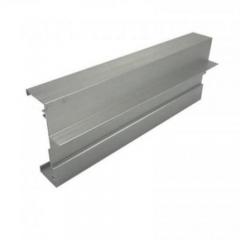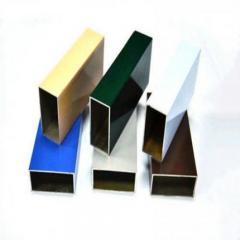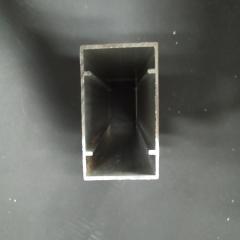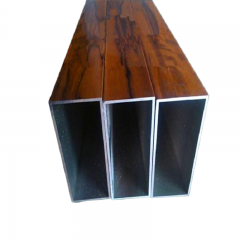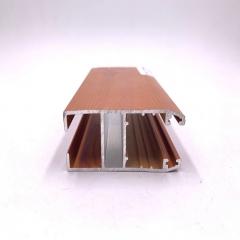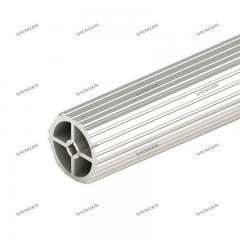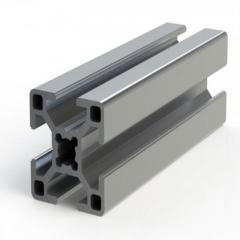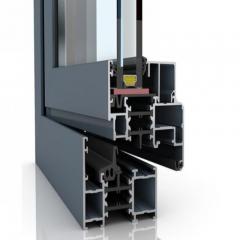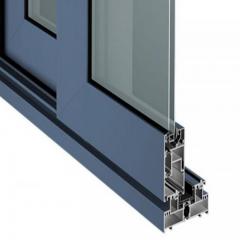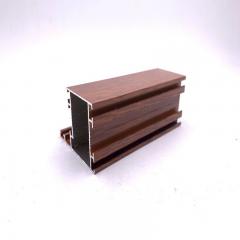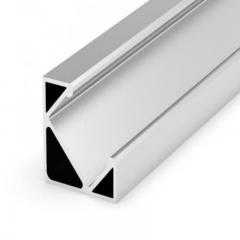
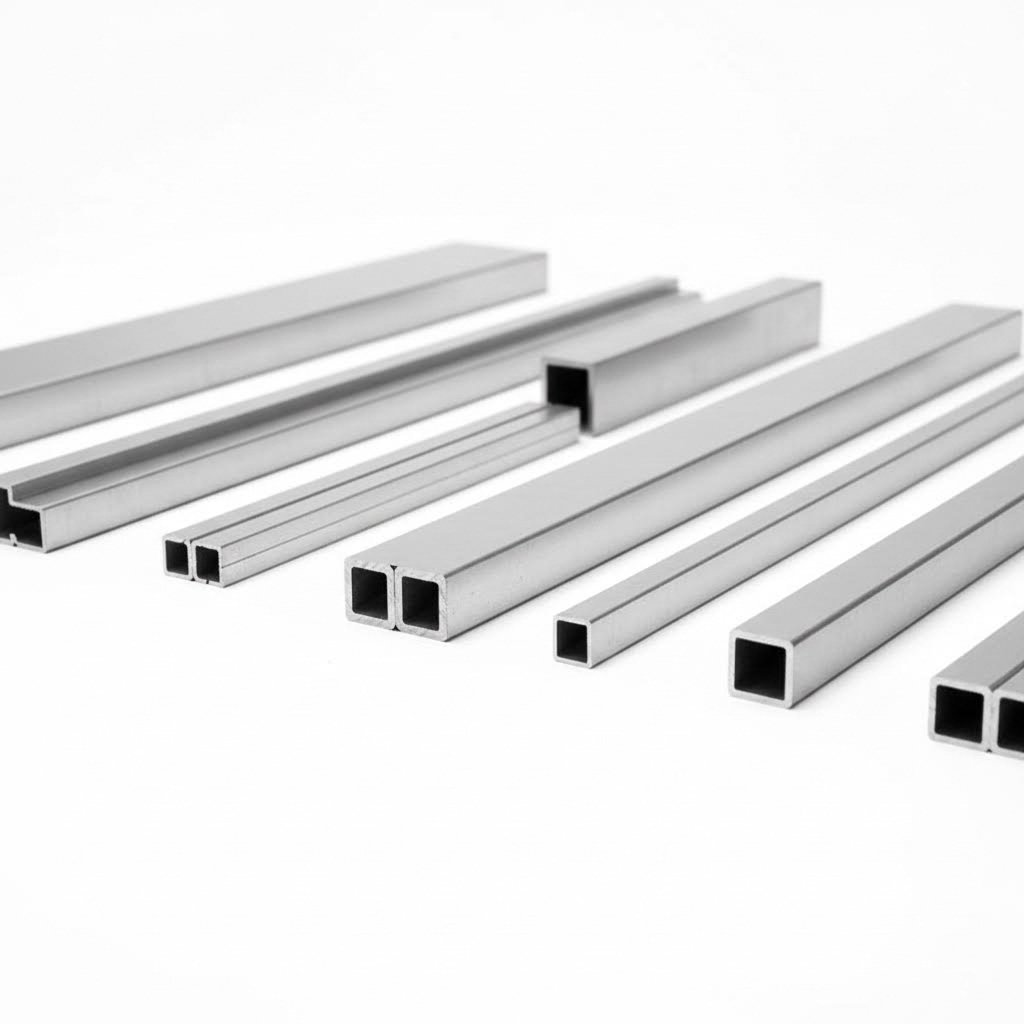
When you need a strong, lightweight structural component with clean lines and consistent dimensions, aluminum square extrusion stands out from other aluminum forms. Unlike cast aluminum that's poured into molds, rolled aluminum flattened between heavy rollers, or drawn aluminum pulled through dies at room temperature, extruded aluminum undergoes a unique transformation. This process creates seamless aluminum square tubing with uniform wall thickness that simply cannot be replicated through other manufacturing methods.
Imagine squeezing toothpaste through a shaped opening. That's essentially how aluminum extrusion works, but with incredible precision and force. The result? A square aluminum tubing profile that emerges as one continuous piece with no seams, welds, or joints to weaken its structure.
What sets this aluminum tube square apart from welded alternatives is its molecular consistency. When you weld two pieces of aluminum together, you create a heat-affected zone where the metal's properties change. This weak point can fail under stress. An extruded tube, however, maintains uniform strength throughout its entire length and cross-section. Square tubes produced through extrusion deliver equal load-bearing capacity on all four sides, making them ideal for structural applications where predictable performance matters.
The seamless construction also eliminates the risk of corrosion that often begins at weld seams. Water and contaminants can't penetrate through non-existent joints, giving your aluminum pipe square profiles a longer service life in demanding environments.
The journey from raw aluminum to finished square profile involves precise temperature control and extraordinary pressure. Here's how manufacturers transform solid aluminum into hollow square shapes:
First, a cylindrical aluminum billet gets preheated to 400-500°C. This temperature makes the metal soft and malleable without actually melting it. Meanwhile, a steel die containing the square hollow profile opening heats to 450-500°C to ensure even metal flow.
Next comes the remarkable part. A hydraulic ram applies up to 15,000 tons of pressure, forcing the softened billet through the die opening. The aluminum flows around a central mandrel that creates the hollow interior while the outer die shapes the exterior into a perfect square. This hollow die configuration produces the characteristic void inside your aluminum square tube.
Extrusion creates complex hollow profiles with internal features and consistent wall thickness that are physically impossible to achieve through casting, rolling, or welding separate pieces together.
As the newly formed profile exits the die, it undergoes rapid cooling through water baths or fans. This quenching process locks in the material's properties. After cooling, a stretching operation straightens any minor distortions and work-hardens the metal for additional strength. Finally, precision saws cut the continuous extrusion into usable lengths.
The entire process produces square tubes with tight dimensional tolerances and smooth surfaces ready for immediate use or further finishing. This manufacturing efficiency, combined with the superior structural integrity of seamless construction, explains why engineers and fabricators consistently choose extruded profiles for demanding applications.
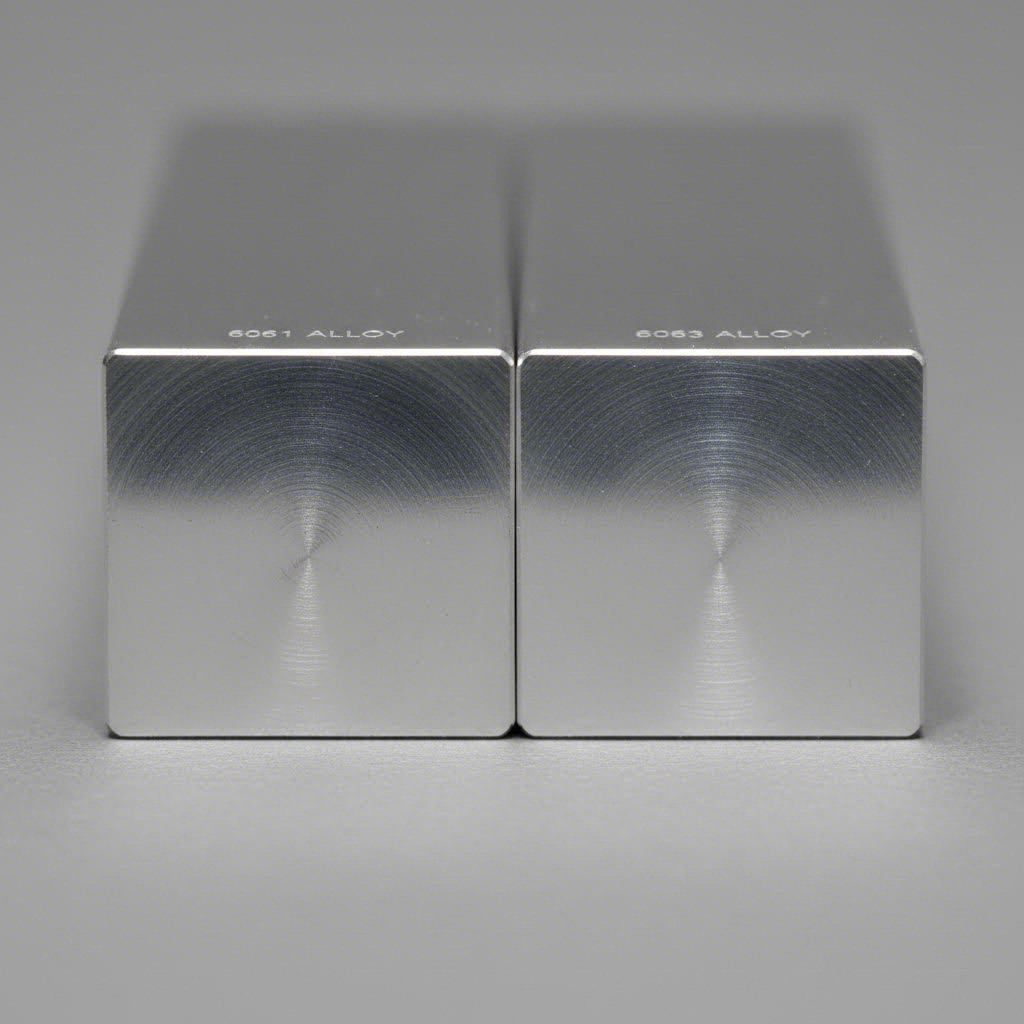
You've learned how aluminum square extrusion is made, but here's a question that often trips up buyers: which alloy should you actually choose? Not all aluminum is created equal. The two most common grades you'll encounter in square extrusions are 6061-T6 and 6063-T52. Understanding the difference between these options can mean the difference between a project that performs flawlessly and one that falls short of expectations.
Both alloys belong to the 6xxx series, meaning they contain magnesium and silicon as primary alloying elements. However, their distinct chemical compositions and heat treatments give them very different characteristics. Let's break down what makes each one unique and when you should reach for one over the other.
When your project demands raw strength and durability, 6061 tubing is typically the answer. This alloy contains higher levels of magnesium, silicon, copper, and chromium compared to its 6063 counterpart. The result? A material with impressive mechanical properties that can handle heavy loads and demanding conditions.
The "T6" temper designation tells you exactly how this material was processed. According to Engineers Edge, T6 means the aluminum was solution heat-treated and then artificially aged. During solution heat treatment, the alloy heats to a specific temperature that dissolves alloying elements into a solid solution. Rapid quenching follows, and then controlled artificial aging at elevated temperatures precipitates these elements into a strengthening phase throughout the metal's structure.
This treatment pushes 6061 T6 square tubing to its maximum strength potential. You'll see tensile strength around 310 MPa and yield strength of approximately 276 MPa in the T6 condition. The Brinell hardness reaches 95, making this one of the harder aluminum options available for aluminum structural tubing applications.
Where does 6061 aluminum square tubing shine? Consider it for:
The tube 6061 also offers excellent machinability, meaning it responds well to drilling, milling, and cutting operations. If your fabrication process involves significant machining, this alloy won't give you trouble.
Now, imagine you need aluminum that extrudes beautifully into complex shapes and finishes with a flawless surface. That's where 6063 enters the picture. This alloy contains lower levels of alloying elements, making it softer and more workable than its 6061 cousin.
The "T52" temper indicates a different processing path. As defined by industry standards, T52 means the material was cooled from an elevated temperature shaping process, stress-relieved by compressing, and then artificially aged. This compression stress relief reduces internal tensions that could cause warping or dimensional instability, making 6063-T52 particularly stable for architectural applications.
While 6063-T52 doesn't match 6061-T6 in raw strength, it excels in formability and surface quality. The tensile strength reaches approximately 241 MPa in the T6 state, with yield strength around 214 MPa. Its lower hardness of 73 Brinell makes it easier to bend and shape without cracking.
This alum tubing grade dominates in applications where appearance matters as much as function:
What really sets 6063 apart is its exceptional anodizing response. The surface accepts anodic coatings evenly, producing consistent color and texture across the entire profile. If your design calls for colored or decorative finishes, 6063 delivers superior results.
Choosing between these alloys becomes easier when you see their properties side by side. The following table highlights the key differences that should guide your selection:
| Property | 6061-T6 | 6063-T52 |
|---|---|---|
| Tensile Strength | ~310 MPa | ~241 MPa |
| Yield Strength | ~276 MPa | ~214 MPa |
| Brinell Hardness | 95 | 73 |
| Corrosion Resistance | Excellent | Good |
| Weldability | Good | Excellent |
| Machinability | Excellent | Good |
| Formability | Good | Excellent |
| Surface Finish Quality | Good | Excellent |
| Anodizing Response | Good | Superior |
| Cost | Higher | Lower |
Here's a simple rule of thumb: if your application faces significant structural loads or requires extensive machining, 6061-T6 is your best bet. If aesthetics, complex shapes, or decorative finishes take priority, 6063-T52 will serve you better at a lower cost.
Of course, the right choice also depends on your specific environmental conditions and performance requirements. Now that you understand the material options, the next consideration is selecting the right size and wall thickness for your project.
You know which alloy fits your application, but here's where many buyers stumble: selecting the right dimensions. With aluminum tubing sizes ranging from compact 1/2 inch profiles to robust 4 inch squares and beyond, how do you narrow down your options? The answer lies in understanding the relationship between size, wall thickness, and your project's actual demands.
Unlike simple catalog browsing, smart size selection requires matching square tube dimensions to specific load requirements, space constraints, and fabrication plans. Let's decode the specifications that matter most.
Aluminum square extrusions follow standardized sizing conventions that make specification and ordering straightforward. According to Thomas, square tubing is typically specified by leg length and wall thickness. The outer dimensions tell you how much space the profile occupies, while wall thickness determines structural capacity and weight.
Here's a square tubing sizes chart covering the most commonly available options:
| Square Size (inches) | Common Wall Thicknesses (inches) | Approximate Weight (lbs/ft) | Typical Applications |
|---|---|---|---|
| 1/2 x 1/2 | 0.049, 0.065 | 0.07 - 0.10 | Light fixtures, craft projects, decorative trim |
| 3/4 x 3/4 | 0.049, 0.065, 0.083 | 0.11 - 0.18 | Small frames, cabinet hardware, DIY projects |
| 1 x 1 | 0.049, 0.065, 0.083, 0.125 | 0.15 - 0.37 | Light structural frames, shelving supports |
| 1-1/4 x 1-1/4 | 0.065, 0.083, 0.125 | 0.26 - 0.49 | Handrails, fence posts, equipment frames |
| 1-1/2 x 1-1/2 | 0.065, 0.083, 0.125, 0.188 | 0.32 - 0.78 | Structural framing, industrial workstations |
| 2 x 2 | 0.083, 0.125, 0.188, 0.250 | 0.55 - 1.39 | Heavy-duty frames, architectural columns |
| 2-1/2 x 2-1/2 | 0.125, 0.188, 0.250 | 0.92 - 1.87 | Load-bearing structures, machinery bases |
| 3 x 3 | 0.125, 0.188, 0.250 | 1.13 - 2.31 | Structural columns, heavy equipment frames |
| 4 x 4 | 0.125, 0.188, 0.250, 0.375 | 1.53 - 4.39 | Major structural applications, crane frames |
Notice how 1/2 square tubing serves entirely different purposes than 4 inch profiles? That's the beauty of standardized sizing. You can source exactly what your project demands without paying for excess material or compromising on strength.
For projects requiring larger profiles, manufacturers offer sizes extending to 8 inch, 10 inch, and even 12 inch squares, though these often require mill orders rather than stock availability.
Sounds complex? It doesn't have to be. Think of wall thickness as the backbone of your square tube's performance. A thicker wall provides greater resistance to bending, compression, and torsional forces. However, it also adds weight and cost.
The square tube sizes and thickness you select should directly reflect your load requirements. Here's what happens as wall thickness increases:
When reviewing a square tubing gauge chart, you'll notice wall thicknesses expressed in decimal inches or gauge numbers. Common gauges include 16 gauge (0.065 inch), 14 gauge (0.083 inch), 11 gauge (0.125 inch), and 7 gauge (0.188 inch). Thinner walls suit lightweight applications where weight savings matter more than maximum load capacity.
Working on an international project or sourcing from overseas suppliers? You'll encounter metric sizing that doesn't directly convert to standard inch dimensions. A 25mm x 25mm profile isn't quite the same as 1 inch x 1 inch square tubing.
Metric square extrusions typically follow these common sizes: 20mm, 25mm, 30mm, 40mm, 50mm, 60mm, 80mm, and 100mm. Wall thicknesses are expressed in millimeters rather than gauge numbers. When mixing components from different sourcing regions, verify compatibility before ordering.
The square tubing dimensions chart you reference should always specify whether measurements are in inches or millimeters. Assuming the wrong system leads to costly fitment issues during assembly.
For engineering applications requiring precise fitment, tolerances matter as much as nominal dimensions. According to the Aluminum Extruders Council, tolerance tables establishing both industry standard and precision tolerances are published in Aluminum Standards & Data by The Aluminum Association.
These specifications define acceptable variation in:
Many extruders can achieve tighter tolerances than standard tables indicate if required for your application. Discussing tolerance requirements early in the specification process helps ensure you receive profiles that meet your assembly and performance needs.
Before placing your order, run through this checklist of square tubing specs to consider:
With your size and wall thickness selected, the next step is understanding how these profiles perform across different industries and applications.
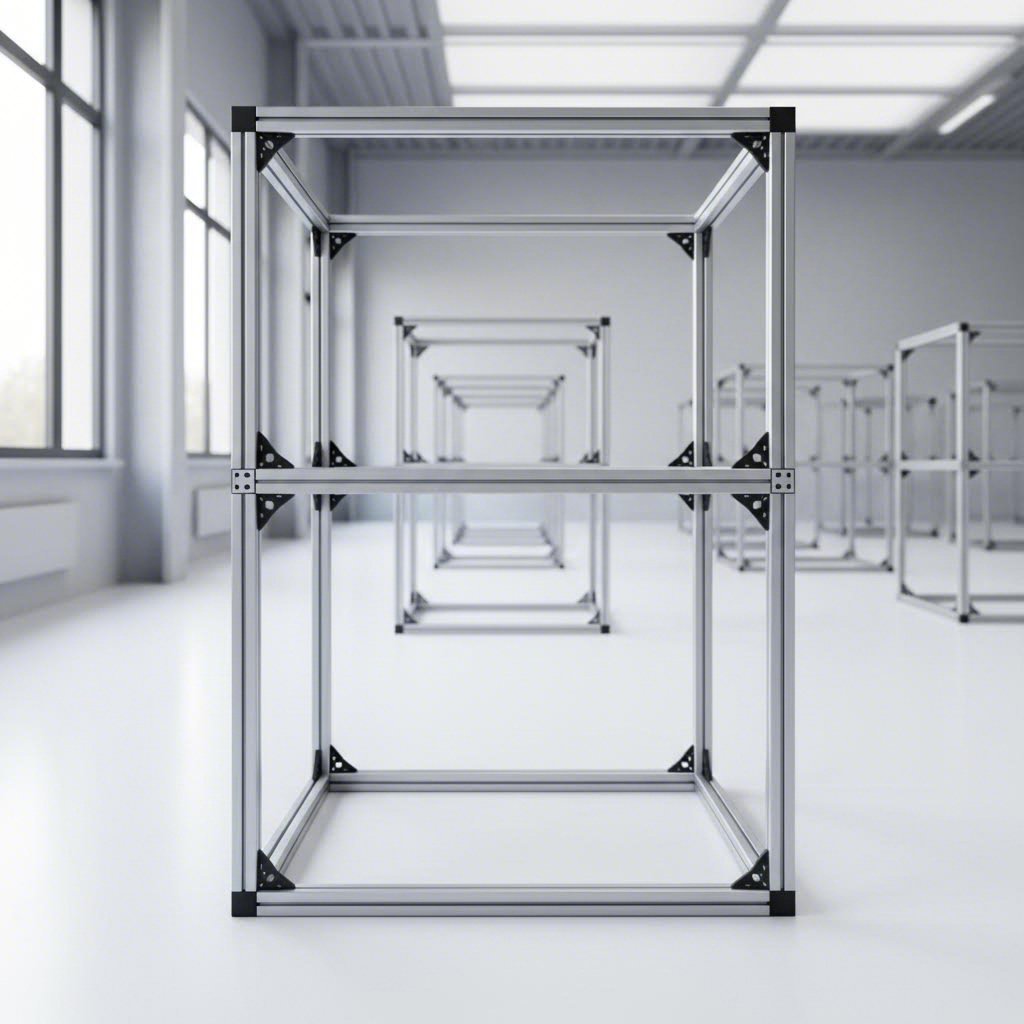
Now that you understand sizing and specifications, you're probably wondering: where exactly does aluminum square extrusion shine in real-world applications? The answer spans far more industries than you might expect. From towering architectural structures to weekend garage projects, these versatile profiles deliver consistent performance across remarkably diverse uses.
What makes aluminum square tubes so universally applicable? Three core properties drive their popularity. First, the uniform strength in all directions means loads distribute evenly regardless of orientation. Second, the clean geometric shape simplifies joining and alignment. Third, the aesthetic appeal of crisp lines and smooth surfaces satisfies both functional and visual requirements. Let's explore how these advantages translate into specific applications.
When architects and structural engineers need lightweight framing that doesn't compromise strength, structural aluminum tubing consistently tops the list. The construction industry relies heavily on these profiles for applications where steel would add unnecessary weight or where corrosion resistance matters.
Building and Structure Framing
Square extrusions form the backbone of countless structures. According to Alliance Tubular Products, square tubing is extensively employed to frame buildings, bridges, and shelters due to its strength and rigidity that make it suitable for load-bearing applications. The uniform cross-section distributes stress evenly, preventing the weak points that can develop in asymmetrical profiles.
You'll find aluminium tube frame construction in:
Architectural Design Elements
Beyond pure structure, square piping serves decorative and functional roles in architectural design. The geometric shape brings modern aesthetics to both interior and exterior spaces. Handrails, balustrades, pergolas, and ornamental features all benefit from the clean lines these profiles provide.
What sets aluminum apart for architectural use? As noted by Quanshuo Metal Materials, aluminum square tubes achieve different appearance effects through various surface treatment technologies, including matte or shiny surfaces and a variety of colors. This versatility allows designers to match existing materials and color schemes without compromising structural integrity.
Greenhouse and Agricultural Structures
Outdoor agricultural buildings demand materials that withstand constant moisture exposure and temperature swings. Square pipes excel in greenhouse construction, trellises, and equipment storage buildings. The natural corrosion resistance of aluminum eliminates the rust problems that plague steel alternatives in humid environments.
The industrial sector consumes enormous quantities of aluminum box tubing for equipment frames, workstations, and material handling systems. But here's what many suppliers fail to mention: the same properties that serve heavy industry also make these profiles perfect for smaller-scale projects.
Industrial Equipment Frames
Manufacturing facilities rely on rectangular aluminum tubing and square profiles for equipment that must be both strong and repositionable. Consider these common industrial applications:
Workstations and Ergonomic Furniture
Why do manufacturers choose aluminum tube frame construction for industrial workstations? The answer lies in adjustability and durability. According to Airline Hydraulics, adjusting a workstation built with aluminum extrusion is as simple as loosening some screws, adjusting the height, and re-tightening.
This modularity proves invaluable for:
Shelving and Storage Systems
Warehouses and workshops benefit from shelving systems built on aluminum square tube foundations. The strength-to-weight ratio means racks can support substantial loads without the bulk of steel alternatives. When reconfiguration becomes necessary, lightweight components make the job manageable.
Material handling equipment including carts, racks, and conveyors represents another major application category. These mobile systems need frames that won't add unnecessary weight to loads already being moved.
DIY and Custom Fabrication Projects
Here's where aluminum square extrusion becomes accessible to everyone, not just industrial buyers. The same easy-joining characteristics that benefit manufacturers make these profiles ideal for home workshop projects.
Popular DIY applications include:
What makes DIY fabrication practical? Basic hand tools can handle most assembly tasks. As referenced by industry experts, putting aluminum framework together takes minutes and is as simple as inserting connectors into slots and tightening using basic hand tools. No welding equipment required.
Beyond construction and general industry, aluminum square tubes serve specialized sectors with demanding requirements:
The modularity of aluminum square extrusion means projects can easily be taken apart and customized to fit the next application, all without wasting material.
Whether you're designing a major industrial installation or planning a weekend project, aluminum square extrusions adapt to your needs. The key is matching profile specifications to your specific load, environmental, and aesthetic requirements. With the right application in mind, the next consideration is how surface treatments can enhance both protection and appearance.
Your aluminum extrusion square profile arrives with a natural oxide layer that provides basic protection, but is that enough for your application? In many cases, adding a surface treatment dramatically extends service life, improves appearance, and opens up design possibilities that raw aluminum simply cannot offer. Understanding your finishing options helps you make informed decisions that balance performance, aesthetics, and budget.
Surface treatments do more than make aluminum look attractive. They create protective barriers against environmental damage, enable color matching with existing materials, and can even enhance functional properties like electrical insulation or lubricity. Let's explore the options available and when each one makes sense.
Anodizing remains the most popular finishing method for aluminum square extrusions, and for good reason. Unlike paint or coating that sits on top of the surface, anodizing actually becomes part of the aluminum itself. According to SAF, anodizing is an electrochemical process that forms a protective coating of aluminum oxide on the surface, and this coating is integral to the metal meaning it cannot peel or flake.
How does this process work? The aluminum profile gets immersed in an acid electrolyte bath while electrical current passes through. This causes oxygen ions to bond with the aluminum surface, building up a hard oxide layer that's far thicker and more durable than the natural oxide film. The resulting surface is harder than the base aluminum and highly resistant to wear and corrosion.
When considering black aluminum square tubing or other colored options, anodizing offers several paths to achieve your desired look:
The thickness of your anodic coating directly impacts durability. As noted by industry specifications, Class I coatings at 0.7 mils thickness will last approximately twice as long as Class II coatings at 0.4 mils. For exterior architectural applications, specifying adequate thickness prevents premature finish degradation.
One advantage that sets anodizing apart: renewability. When an anodized surface appears worn after years of service, cleaning with mild detergent and light abrasion often restores the original appearance. This isn't possible with organic coatings that must be completely stripped and reapplied once they fail.
Want a specific RAL color or a textured finish that anodizing can't provide? Powder coating opens up nearly unlimited color options while delivering excellent durability. The process involves electrostatically applying dry powder particles to the aluminum surface, then curing in an oven where the powder melts and fuses into a continuous film.
According to Momentum Manufacturing Group, powder coating applies a decorative finish similar to paint but with more durability, and because no solvents are used, only negligible amounts of VOCs are released into the air. This environmental advantage makes powder coating increasingly attractive for manufacturers concerned about emissions.
For black square aluminum tubing in demanding environments, powder coating provides thicker protection than anodizing. The coating typically ranges from 2 to 6 mils thick, creating a substantial barrier against impact, chemicals, and UV exposure. However, unlike anodized surfaces, powder coatings can chip or scratch if struck with sufficient force.
PVDF (polyvinylidene fluoride) coatings represent the premium tier of organic finishes. These fluoropolymer coatings, sold under trade names like Kynar 500 and Hylar 5000, deliver exceptional weathering resistance that meets AAMA 2605 specifications requiring actual ten-year Florida exposure testing. When your black aluminum square tube will face decades of sun, rain, and temperature extremes, PVDF coatings justify their higher cost.
Choosing the right finish requires weighing multiple factors against your specific requirements. This comparison table breaks down the key characteristics of each option:
| Surface Treatment | Durability Rating | Cost Level | Best Applications | Color Options |
|---|---|---|---|---|
| Mill Finish (natural) | Moderate | Lowest | Interior use, concealed components, temporary structures | Natural aluminum only |
| Clear Anodizing (Class I) | Excellent | Moderate | Architectural exteriors, storefronts, handrails | Natural metallic appearance |
| Colored Anodizing | Very Good | Moderate-High | Decorative elements, consumer products, signage | Bronze, black, gold, custom dyes |
| Powder Coating | Very Good | Moderate | Industrial equipment, furniture, colored architectural elements | Virtually unlimited RAL colors |
| PVDF Coating | Outstanding | Highest | Curtain walls, metal roofing, coastal environments | Wide range with excellent color retention |
Environmental exposure plays a major role in finish selection. Coastal locations with salt air demand either thick anodized coatings or PVDF finishes. Industrial environments with chemical exposure may require specialized powder coatings formulated for chemical resistance. Interior applications with minimal wear can often use mill finish or light anodizing.
Consider your maintenance expectations as well. Anodized surfaces can be renewed through cleaning, while organic coatings require repainting once they fail. For long-term installations where recoating would be impractical or expensive, investing in higher-quality initial finishes pays dividends over the structure's lifespan.
With your surface finish selected, the next challenge many buyers face is understanding how to bend and fabricate these profiles without damaging them.
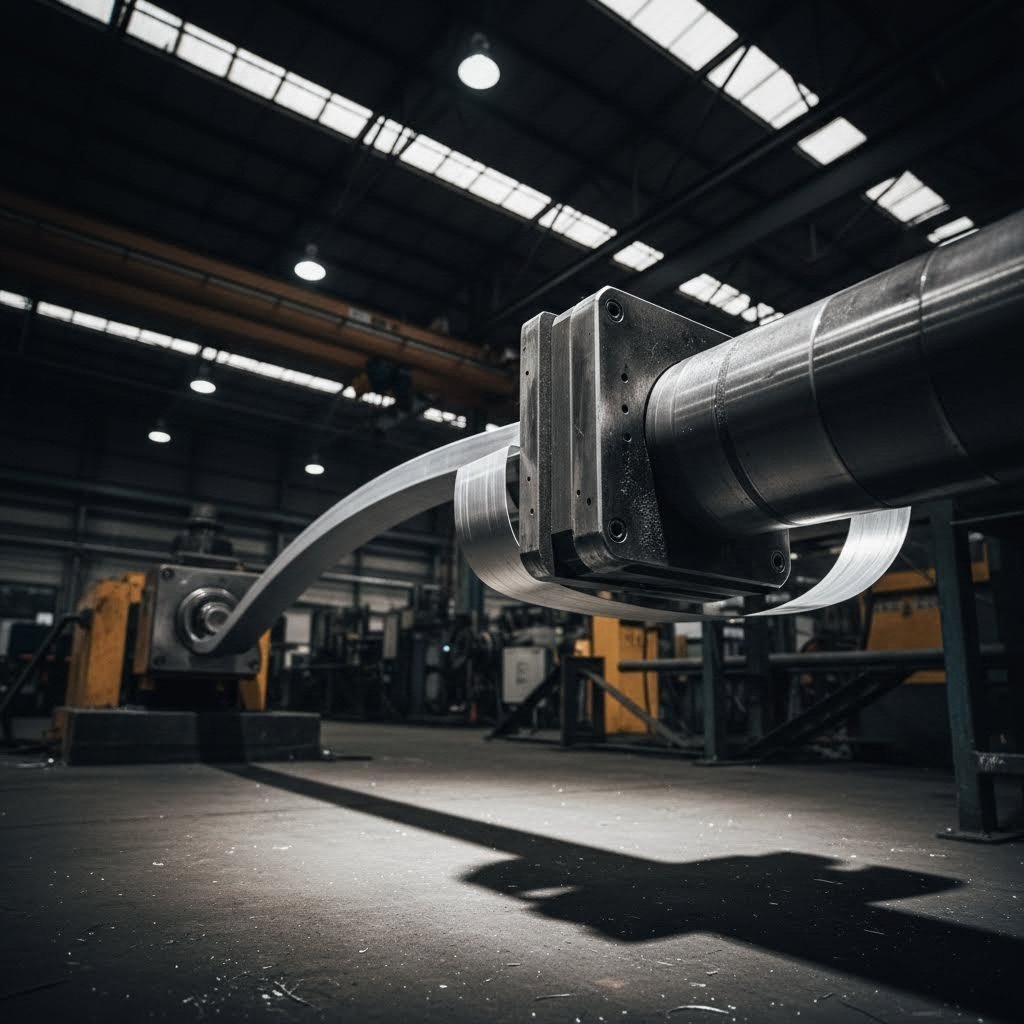
You've selected the perfect alloy, size, and finish for your project. Now comes the question that stops many fabricators in their tracks: how to bend aluminum square tubing without ruining it? Unlike solid bars that deform predictably, hollow profiles present unique challenges that require specific techniques and equipment. Understanding these challenges before you start saves material, time, and frustration.
The good news? With proper methods and reasonable expectations, both professionals and DIY enthusiasts can successfully fabricate aluminum square extrusions. Let's explore what works, what doesn't, and when calling in the experts makes sense.
When you apply bending force to a hollow square profile, two problems immediately threaten your workpiece. The outer wall stretches and thins while the inner wall compresses and buckles. Without intervention, you'll end up with collapsed walls on tight bends or unsightly wrinkles along the inner radius. These aren't just cosmetic issues; they compromise structural integrity.
Why does this happen? According to Tube Form Solutions, during the bending process, the tube's material is stretched along the bend's outer radius while the material accumulates to form a thicker region along the bend's inner radius. In other words, the longer side of the tube's bend undergoes a tearing process while the shorter one forms multiple ripples.
Mandrel Bending: The Professional Solution
For tight radius bends on thin wall metal tubing, mandrel bending delivers the cleanest results. This technique inserts a solid metal rod or articulated ball assembly inside the tube before bending. The internal support prevents wall collapse and distributes stress evenly around the bend.
As explained by industry experts, due to the equivalent distribution of the material around the bend region, the tube retains its structural symmetry. Furthermore, the solid mandrel prevents the structure from collapsing, causing no mechanical and physical damage to the tubes.
Mandrel bending requires specialized equipment typically found in professional fabrication shops. The investment in tooling makes sense for production runs or critical applications where bend quality cannot be compromised.
Empty Bending: When It Works
Not every bend requires a mandrel. Empty bending, which uses no internal support, can work well for larger radius bends on thicker-walled profiles. The key is matching your bend radius to your wall thickness.
Empty bending proves effective when:
However, as noted by bending specialists, without any support of a mandrel, the chances of structural deformity increase, especially if there are slight alterations in the exerted pressure. The inner diameter often reduces around the bend region, distorting the cross-sectional shape.
Whether you're attempting DIY bends or specifying requirements for a fabricator, following a systematic approach prevents costly mistakes.
Bending isn't the only fabrication operation you'll encounter. Cutting, drilling, and joining your aluminum square tube connectors and profiles requires attention to technique for professional results.
Cutting Methods
Several approaches work well for cutting aluminum square extrusions:
Regardless of method, always secure the workpiece firmly. Aluminum's softness allows it to grab onto spinning blades, causing dangerous kickback or ruined cuts.
Drilling Best Practices
Drilling aluminum requires different techniques than steel. The material's tendency to gall and grab drill bits causes problems if you're not prepared:
Joining Options
How you connect your aluminum square tube fittings and profiles depends on your application's requirements for strength, appearance, and disassembly:
Welding: TIG welding produces the strongest joints with clean appearance. MIG welding works for structural applications where appearance matters less. Both require proper filler rod selection matching your base alloy.
Mechanical Fasteners: Bolted connections allow disassembly and adjustment. Use stainless steel or aluminum fasteners to prevent galvanic corrosion. Rivets provide permanent connections with clean appearance.
Aluminium Square Tube Connectors: Pre-engineered connector systems eliminate welding entirely. These aluminum square tube connectors slide into profile channels or clamp onto outer surfaces, enabling rapid assembly with basic hand tools. Ideal for modular structures that may require future reconfiguration.
Adhesive Bonding: Structural adhesives create strong, vibration-resistant joints without heat distortion. Surface preparation is critical for adhesive success.
DIY fabrication works well for straightforward projects with generous tolerances. However, certain situations warrant professional fabrication services:
Many aluminum extrusion suppliers offer fabrication services that combine material supply with value-added processing. This single-source approach ensures compatibility between material specifications and fabrication capabilities.
With fabrication techniques understood, the final step is matching all these considerations to your specific project requirements and finding the right supplier to deliver exactly what you need.
You've explored alloys, sizes, finishes, and fabrication techniques. Now comes the moment of truth: how do you pull all this knowledge together to specify exactly what your project needs? Selecting the right aluminum square extrusion isn't about finding the "best" profile in absolute terms. It's about matching specifications to your unique requirements while staying within budget and timeline constraints.
Think of this as your practical buyer's guide. Whether you're an engineer specifying components for industrial equipment or a DIY enthusiast planning a weekend build, following a systematic decision process prevents costly mistakes and ensures your finished project performs as intended.
Before browsing catalogs or requesting quotes, you need clarity on what your application actually demands. Rushing to select aluminum square stock without answering fundamental questions leads to over-specification that wastes money or under-specification that compromises performance.
Work through this decision-making checklist to define your requirements:
Once you've answered these questions, you'll have a clear square tube specification that guides your sourcing decisions. Document these requirements before contacting suppliers to ensure consistent comparisons across quotes.
Here's where many buyers get confused: when should you use standard square catalog sizes, and when does custom extrusion make sense? The answer depends on matching your requirements against what's readily available.
When Standard Aluminum Square Tube Sizes Work Best
Standard profiles offer compelling advantages for many applications. As noted by Eleanor Aluminium, standard sections eliminate the need for custom dies, reducing production costs, and are readily available in various dimensions, ensuring faster project execution.
Choose standard square profiles when:
Standard aluminum square profiles typically follow common sizing conventions. If your design can accommodate these dimensions, you'll benefit from immediate availability and competitive pricing.
When Custom Extrusion Makes Sense
Custom profiles require upfront investment in die development but deliver advantages that standard sections cannot match. According to industry experts, custom aluminium extrusion profiles are designed to match exact specifications, reducing material waste and improving efficiency.
Consider custom extrusion when:
The break-even point varies by project complexity and volume. Generally, orders exceeding several hundred linear feet per year may justify custom die development. The initial tooling cost spreads across production volume, eventually making custom profiles more economical than modifying standard sections.
Choosing between standard and custom aluminium extrusion profiles depends on budget, application needs, and project timelines.
Making Your Final Decision
Evaluate your requirements against both options before committing. Request quotes for standard sizes that come closest to your needs, including any secondary operations required to make them work. Compare this against custom profile quotes that incorporate die costs amortized across your projected volume.
Don't forget to factor in long-term considerations. If you anticipate repeat orders or product evolution, custom profiles provide flexibility that paying for modifications to standard sections cannot match. Many manufacturers maintain customer dies for years, making reorders straightforward.
With your specifications defined and standard versus custom decision made, the final piece of the puzzle is finding a supplier who can deliver quality material with the support your project requires.
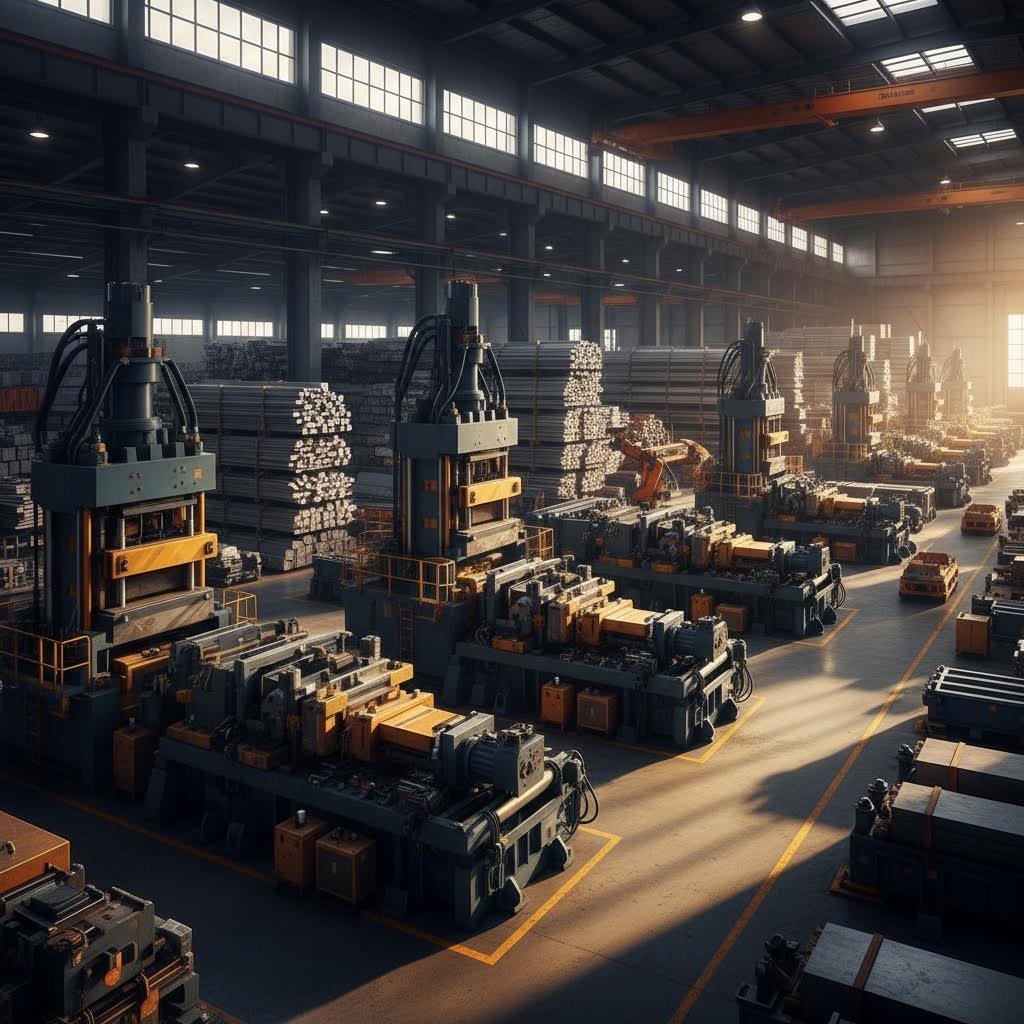
You've defined your specifications and decided between standard and custom profiles. Now comes a question that can make or break your project: who supplies your aluminum square pipe? The difference between a capable supplier and a marginal one shows up in dimensional consistency, surface quality, delivery reliability, and the support you receive when problems arise. Choosing wisely saves headaches and money; choosing poorly costs both.
When searching for aluminum tube for sale, you'll encounter everything from local distributors stocking basic inventory to integrated manufacturers handling extrusion, machining, and finishing under one roof. Understanding what separates reliable partners from risky vendors helps you navigate this landscape confidently.
Evaluating potential suppliers requires looking beyond aluminum tube price alone. According to industry sourcing guides, an experienced supplier brings more than just technical expertise—they bring lessons learned from years of solving complex extrusion challenges. Here's what matters most when assessing your options:
For projects requiring deep processing and custom extrusion services, end-to-end capability becomes especially valuable. Shengxin Aluminium exemplifies this comprehensive approach with over 30 years of industry experience and 35 extrusion presses ranging from 600T to 5500T. Their integrated facility handles everything from die development through mass production, including state-of-the-art CNC machining centers for precise cutting, drilling, and bending. Full surface treatment options—including custom anodizing colors like Champagne and Rose Gold, powder coating, PVDF, and micro-arc oxidation—mean your extruded aluminum square tubing arrives ready for installation.
Aluminum tube sales involve more than comparing unit prices. A comprehensive cost evaluation considers the total value a supplier brings to your business, not just the number on the quote.
Understand What's Included in Pricing
Request detailed quotes that itemize costs for:
This breakdown enables fair comparisons across suppliers and reveals where costs might be hidden or bundled.
Evaluate Hidden Costs
Low upfront pricing can mask indirect costs that accumulate over time. Consider potential expenses for:
As noted by supplier evaluation experts, suppliers with integrated CNC machining and surface finishing can deliver finished products directly to your assembly line. Integration reduces transportation between subcontractors, prevents damage, and shortens lead time—all factors affecting your true total cost.
Consider Long-Term Partnership Value
A supplier with slightly higher pricing may offer advantages that save money over time:
Think beyond your current order. Can the supplier scale up as your business grows? The most valuable partners function as an extension of your team, contributing to product improvement and operational efficiency. When evaluating square extruded aluminum sources, prioritize suppliers demonstrating commitment to your long-term success rather than just winning the immediate order.
Whether you're sourcing standard profiles or developing custom solutions, the right supplier relationship transforms aluminum square extrusion from a commodity purchase into a competitive advantage. Take time to evaluate capabilities thoroughly, and you'll build partnerships that deliver consistent quality, reliable supply, and expert support for years to come.
Aluminum square extrusions are available in sizes ranging from 1/2 inch to 12 inches or larger. Common sizes include 1x1, 1-1/2x1-1/2, 2x2, 3x3, and 4x4 inches with wall thicknesses from 0.049 to 0.375 inches. Suppliers like Shengxin Aluminium can produce custom sizes using their 35 extrusion presses ranging from 600T to 5500T capacity.
6061-T6 aluminum offers higher tensile strength (310 MPa vs 241 MPa) and is ideal for structural applications requiring machining. 6063-T52 provides superior formability and anodizing response, making it perfect for architectural and decorative applications. Choose 6061 for heavy loads and 6063 when surface finish matters most.
Yes, aluminum square tubing can be bent successfully using proper techniques. Mandrel bending prevents wall collapse on tight radius bends by inserting internal support. For larger radius bends (3-4 times the tube diameter), empty bending works well on thicker-walled profiles. Softer tempers like T52 bend more easily than T6.
Common finishes include mill finish (natural), clear or colored anodizing, powder coating, and PVDF coating. Anodizing integrates with the metal surface and cannot peel, while powder coating offers unlimited RAL colors. PVDF provides premium weathering resistance for exterior architectural applications.
Choose standard profiles when available sizes meet your needs, quantities are small, or timelines are tight. Custom extrusion makes sense for exact specifications, integrated features, high production volumes, or proprietary designs. Custom profiles require die investment but offer per-piece savings at scale and design optimization benefits.



 dịch vụ trực tuyến
 0086 136 3563 2360
 sales@sxalu.com
 +86 136 3563 2360
 Việt
Việt English
 français
 Deutsch
 русский
 español
 português
 العربية
 ไทย
ไทย Українська