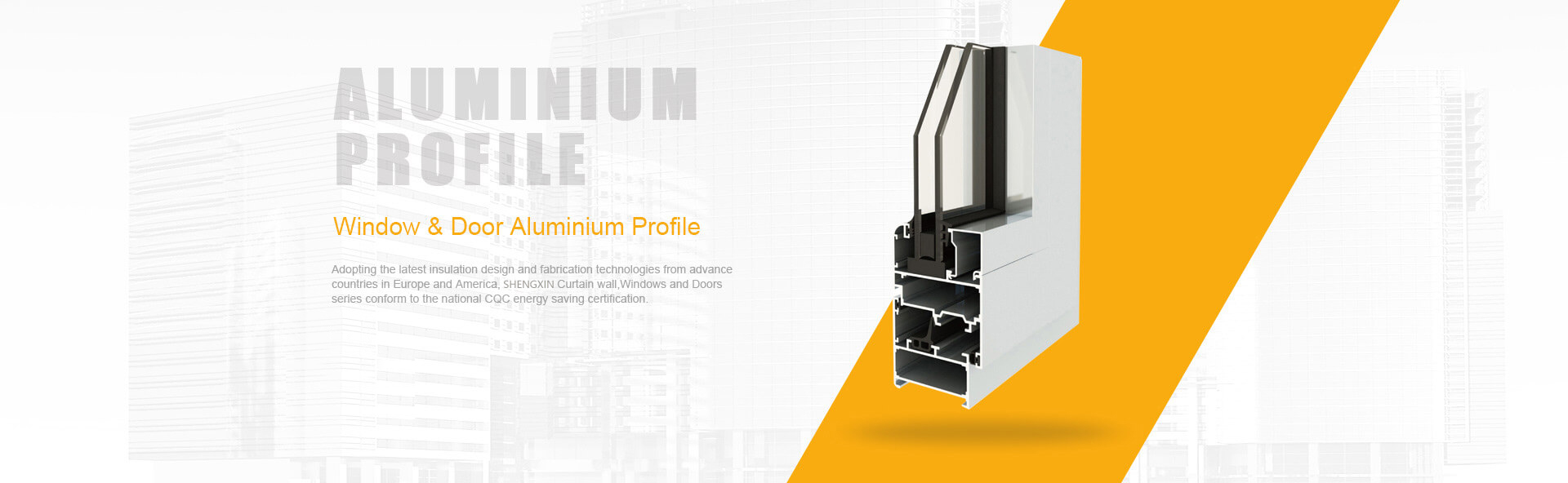
When you're specifying structural profiles for your next project, understanding the unique characteristics of each shape can make the difference between an adequate solution and an optimal one. Aluminum z section extrusions represent one of the most versatile yet frequently misunderstood profile geometries in the industry. Let's break down exactly what makes these distinctive shapes so valuable across construction, architectural, and industrial applications.
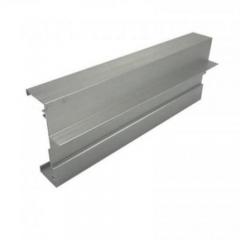
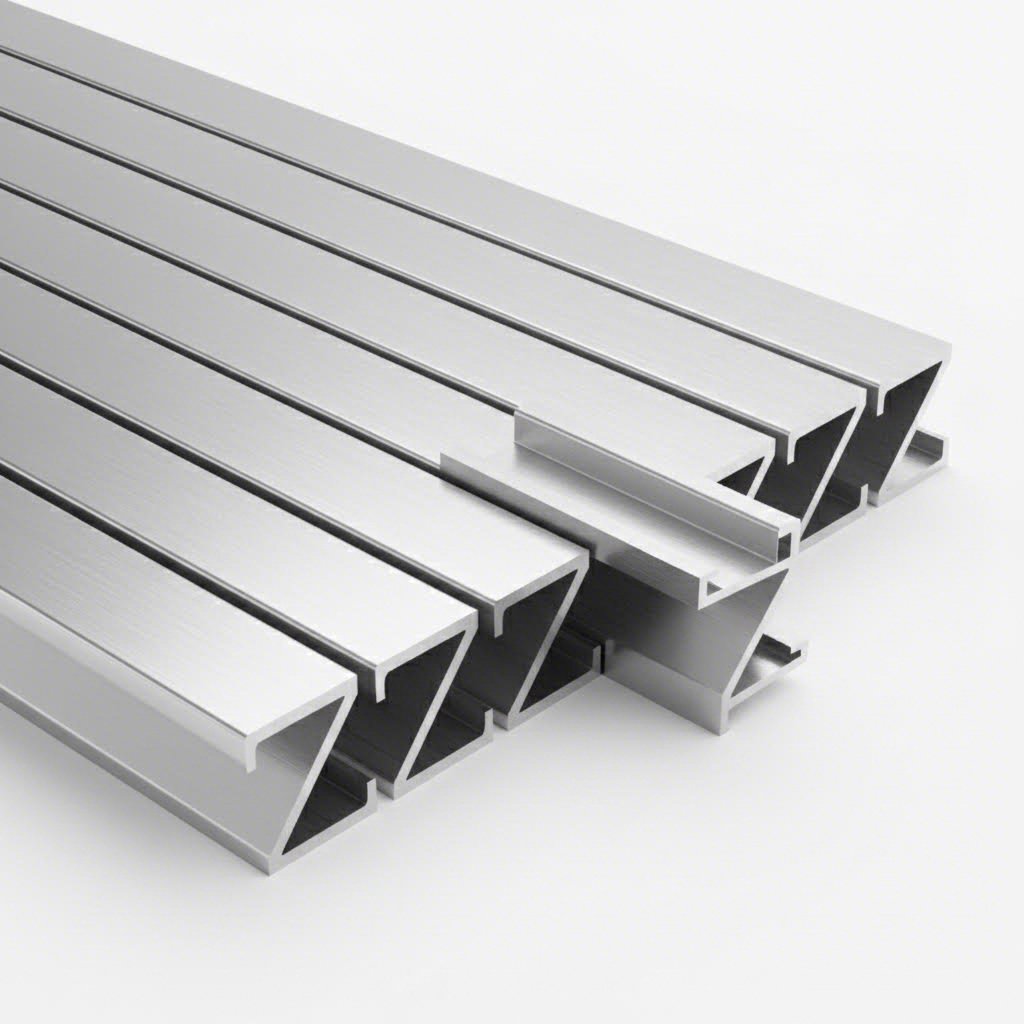
An aluminum Z section extrusion is a structural profile featuring a Z-shaped cross-section with two parallel flanges connected by an angled web, typically set at 45 to 90 degrees. This geometry creates natural offset capabilities and exceptional load distribution characteristics that distinguish it from other channel profiles.
Imagine taking a standard aluminum z channel and visualizing how its three connected planes work together. The z section consists of two horizontal flanges—one at the top and one at the bottom—joined by a diagonal or angled web. This creates that characteristic "Z" shape when viewed from the end. Unlike symmetrical profiles, the flanges extend in opposite directions from the web, giving Z channels their unique offset positioning capability.
This z angle configuration offers something that C-channels, U-channels, and L-angles simply cannot replicate: the ability to connect two parallel surfaces at different planes while maintaining structural continuity. Think of it as a built-in transition piece. When you need to bridge materials of different thicknesses or create clean shadow lines between surfaces, the aluminum z bar becomes your go-to solution.
The structural advantages become clear when you compare profiles side by side:
Here's where many buyers get confused—and where competitors often leave a significant knowledge gap. Not all z channels are created equal. The manufacturing method dramatically affects performance, tolerances, and application suitability.
Extruded Z-sections are produced by forcing heated aluminum through a precision die, creating a seamless, uniform profile with consistent wall thickness throughout. This process yields superior dimensional accuracy and allows for complex internal geometries. The molecular structure remains continuous, providing excellent strength characteristics.
Formed Z-sections, by contrast, start as flat aluminum sheet that's bent into shape using brake presses or roll-forming equipment. While more economical for simple shapes, formed profiles often exhibit variations in thickness at bend points and may show residual stress from the forming process.
For architectural and structural applications where precision matters—such as channel z installations in rainscreen systems or curtainwall assemblies—extruded aluminum profiles are the preferred choice. The extrusion process delivers the tight tolerances and consistent material properties that demanding applications require.
Understanding these fundamental differences positions you to make informed decisions as we explore technical specifications, material properties, and application-specific considerations in the sections ahead.
Now that you understand the geometry and manufacturing distinctions of aluminum z section extrusions, let's dive into the technical details that actually matter when you're specifying profiles for your project. This is where most product catalogs fall short—they show dimensions without context. You'll find comprehensive specifications here that help you match the right z bar metal profile to your exact requirements.
When sourcing zed bars for structural or architectural applications, you'll encounter a range of standard sizes designed to address common load and spacing requirements. Aluminum z bar sizes typically vary across three critical dimensions: flange width, web height, and material thickness.
The table below outlines typical industry ranges for standard z bar profiles. These dimensions represent commonly stocked sizes available through most aluminum distributors:
| Profile Designation | Flange Width (mm) | Web Height (mm) | Thickness Range (mm) | Approx. Weight (kg/m) |
|---|---|---|---|---|
| Small Z-Section | 15-25 | 20-30 | 1.5-2.5 | 0.15-0.30 |
| Medium Z-Section | 25-40 | 30-50 | 2.0-3.5 | 0.35-0.65 |
| Large Z-Section | 40-60 | 50-80 | 3.0-5.0 | 0.70-1.20 |
| Heavy-Duty Z-Section | 60-100 | 80-120 | 4.0-6.0 | 1.30-2.50 |
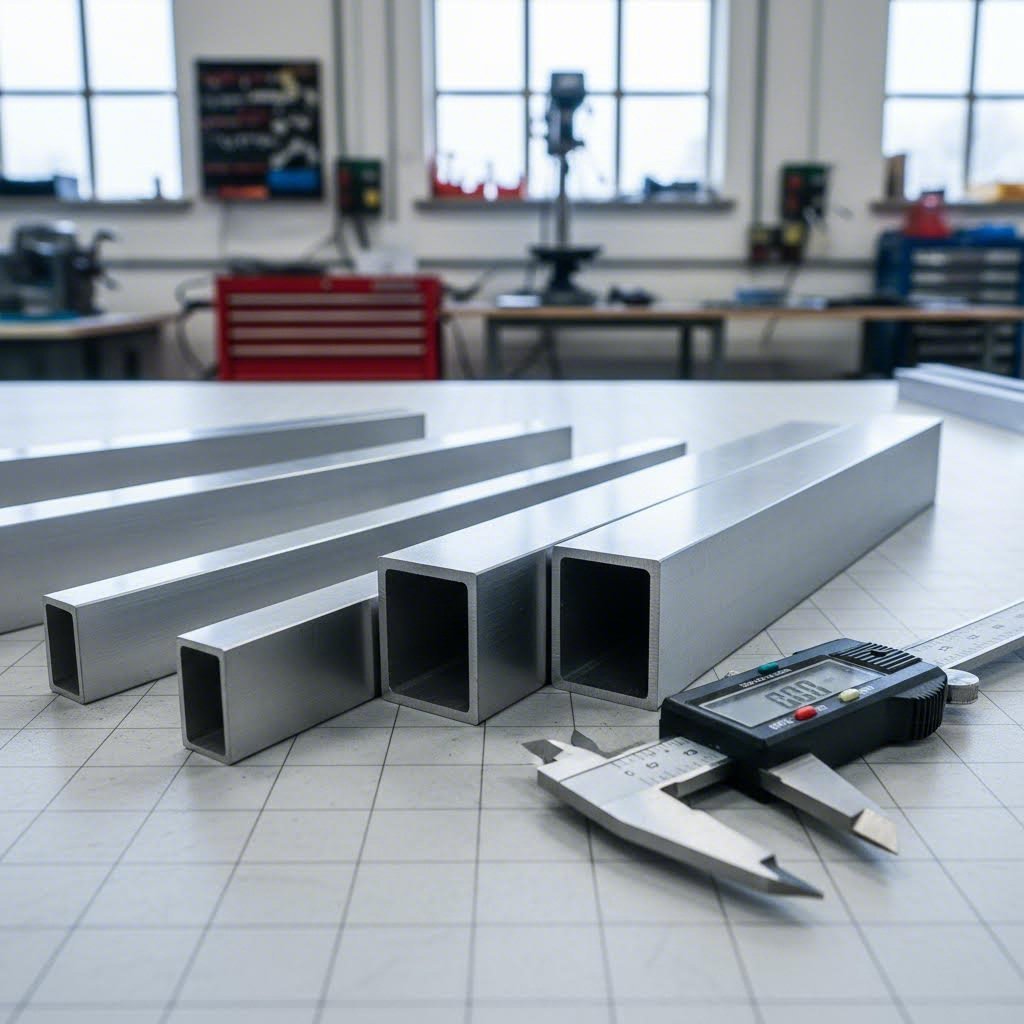
What about tolerances? According to Profilati Alluminio, standard dimensional tolerances for aluminium z bar extrusions typically fall within +/- 0.15 mm. This precision level suits most mechanical, electronics, and construction applications. However, if your project demands even tighter specifications, many extruders can produce aluminum z-bar profiles with special dimensional tolerances upon request.
Keep in mind that weight considerations often drive material selection in aerospace, transportation, and portable equipment applications. Compared to equivalent steel profiles, aluminum Z sections weigh approximately one-third as much while still delivering impressive structural performance—a critical advantage when every gram counts.
Choosing the right aluminum alloy isn't just a technical formality—it directly impacts how your Z sections perform under real-world conditions. The two most common alloy choices for extruded profiles are 6063 and 6061, both members of the 6000 series featuring elevated magnesium and silicon content.
So what's the difference? Let's break it down:
Aluminum 6061 contains approximately 97.9% aluminum along with higher amounts of copper (0.28%), silicon (0.6%), and chromium (0.2%). According to PSI Extrusions, this composition delivers greater basic strength with a Brinell hardness value of 95. You'll want 6061 when your application involves:
Aluminum 6063 features a simpler composition—roughly 98.9% aluminum with 0.7% magnesium and 0.4% silicon. While its Brinell hardness value of 73 indicates lower strength than 6061, this alloy excels in different ways. The industry often calls anodized 6063 "architectural aluminum" for good reason. Its advantages include:
Here's a practical way to decide: if your Z sections will be visible in architectural applications where aesthetics matter, 6063 is typically your best choice. If they're hidden structural elements carrying significant loads, 6061 provides the extra strength you need.
Both alloys are heat-treatable, meaning their mechanical properties can be enhanced through controlled thermal processing. This flexibility allows manufacturers to fine-tune profiles for specific performance requirements—something worth discussing with your supplier when specifying custom extrusions.
With these technical specifications in hand, you're ready to evaluate how Z section geometry translates into actual structural performance under load.
Understanding dimensional specifications is one thing—knowing how aluminum z section extrusions actually perform under load is where engineering decisions get made. This is the critical gap most product guides leave unfilled. You need to know not just what a z channel looks like, but how it behaves when forces act upon it. Let's examine the structural mechanics that make metal z channel profiles uniquely suited for specific loading scenarios.
What happens when you apply a load to a Z section profile? The answer lies in understanding three key engineering concepts: moment of inertia, section modulus, and stress distribution patterns.
The moment of inertia (often denoted as I) describes a profile's resistance to bending. For Z sections, this property is calculated about both the x-axis and y-axis. According to StructX engineering resources, the second moment of area (Ix and Iy) varies significantly based on the relationship between the flange width (a), web height (b), and material thickness (t). Unlike symmetrical shapes, Z profiles also have a product of inertia value that engineers must consider when analyzing off-axis loading.
The elastic section modulus (Zx and Zy) tells you how effectively the profile resists bending stress. This value directly relates to the maximum bending moment a metal z section can withstand before yielding. Higher section modulus values mean greater load-carrying capacity—and here's where Z geometry offers interesting advantages.
Sounds complex? Think of it this way: when a load presses down on a Z section, the diagonal web creates a natural pathway for stress to flow between the two offset flanges. This geometry distributes forces across more material compared to simple angle or flat profiles of equivalent weight.
The radius of gyration (K) represents how the cross-sectional area is distributed relative to the centroid. Z sections feature distinct gyration values about their principal axes, which affects their resistance to buckling under compressive loads. This property becomes especially relevant when using z-bars in long-span applications where column behavior matters.
Not every application calls for a Z section—but certain loading conditions make these profiles the clear winner. Research comparing structural profiles reveals that Z-beams are designed with load distribution in mind, allowing them to spread weight more evenly across their length and reducing stress concentrations at any single point.
Here are the key structural advantages that make z channel profiles stand out:
When should you choose a Z section over alternatives? Consider these scenarios:
Roofing and cladding support: When loads are spread across large surface areas rather than concentrated at points, Z profiles excel. Their load distribution properties make them ideal for purlin applications where deck and roof loads must transfer efficiently to primary framing.
Long-span structures: For warehouses, agricultural buildings, or any application requiring extended unsupported lengths, the interlocking capability of Z sections provides greater rigidity than standalone C-channels.
Transition connections: Where you need to bridge between surfaces at different planes—like connecting exterior cladding to structural framing—the natural offset geometry of Z profiles eliminates the need for additional blocking or shims.
However, be aware of limitations. For applications involving concentrated vertical loads or significant torsional forces, C-shaped profiles may offer superior performance. The key is matching profile geometry to your specific loading conditions.
With these structural fundamentals established, you're equipped to evaluate how these engineering properties translate into real-world industry applications—from construction framing to aerospace assemblies.
You've seen the engineering data—now imagine these profiles at work in real buildings, aircraft, and manufacturing facilities. Aluminum z section extrusions solve specific problems across remarkably diverse industries, yet most buyers never discover these applications until they're deep into a project. Let's walk through exactly where and how Z profiles deliver value, starting with their most common use case.
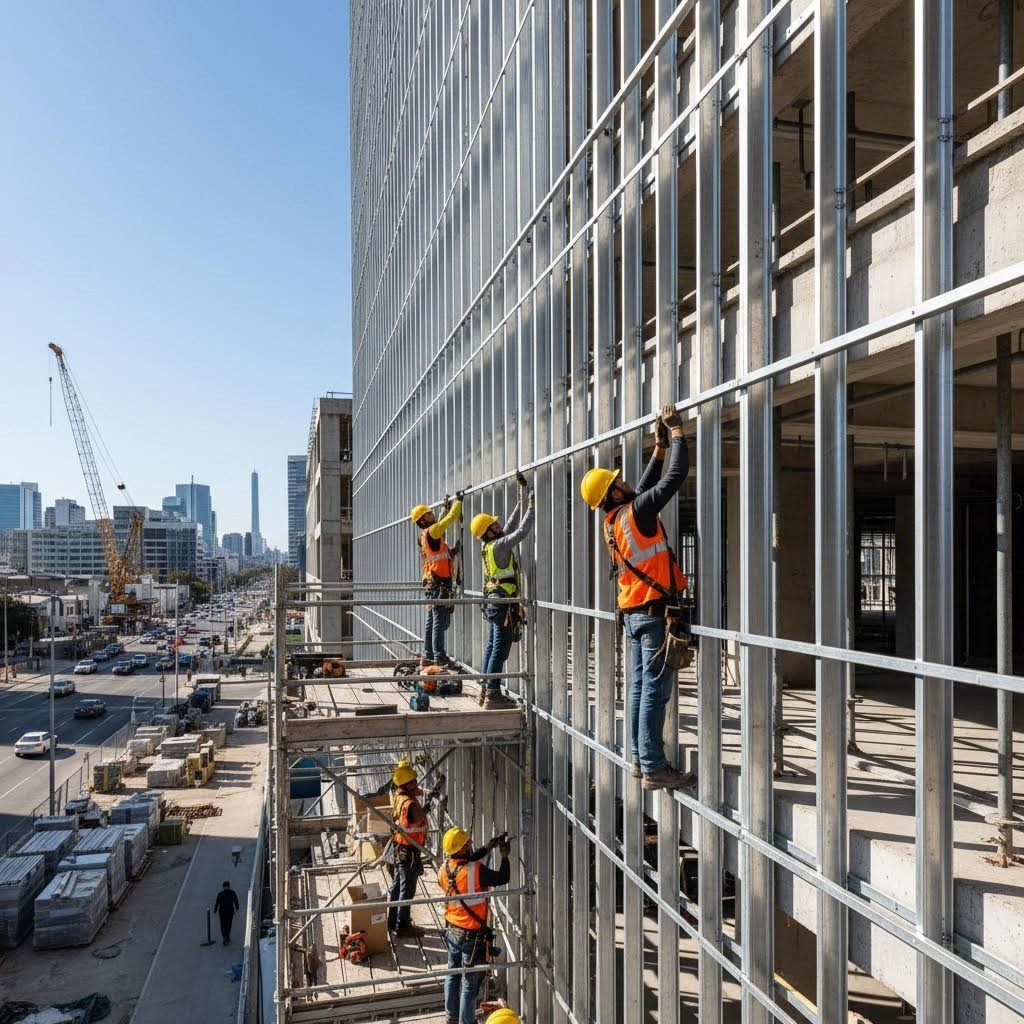
In commercial and industrial construction, the z-furring channel has become an indispensable component for interior wall systems. But what exactly does zee furring accomplish that other profiles cannot?
According to industry specifications, z-furring channels are structural metal components specifically designed to create subframes that allow drywall, sheathing, metal panels, or siding to mount over uneven surfaces like CMU block or poured concrete walls. The Z-shaped cross-section creates a gap between the substrate and finish material—and that gap proves incredibly useful.
Here's how contractors typically deploy z-furring systems:
What about z framing applications? The same principles apply to light-gauge metal framing systems where Z profiles serve as purlins, girts, and bridging members. Their interlocking geometry—which we discussed in structural properties—makes them particularly effective for zbar construction in long-span roof systems.
The z strip configuration also shines in transition applications. When you need to bridge between materials of different thicknesses—say, connecting exterior sheathing to brick veneer—a zed bar provides that critical offset without additional blocking.
Move outside the building envelope, and you'll find aluminum Z sections performing an entirely different but equally essential function: weather protection. According to construction experts, Z flashing (also called Z bar flashing) is a water-impermeable material that bridges horizontal joints between building materials to prevent water intrusion.
Picture the profile's geometry: with two bends of approximately 90 degrees, Z flashing resembles a stair step. The upper leg slips under the building's water-resistive barrier and siding, while the middle section pitches slightly to shed water. The lower leg acts as a drip edge, kicking moisture away from vulnerable surfaces.
Critical installation locations for aluminum z flashing include:
Why choose aluminum over alternatives? At approximately $0.50 per linear foot compared to galvanized steel at $1.00, aluminum Z flashing offers significant cost savings. More importantly, aluminum's corrosion resistance makes it ideal for coastal environments and applications where dissimilar metal contact could cause galvanic corrosion.
In contemporary architecture, Z profiles have evolved far beyond basic utility applications. Architects and facade engineers now specify aluminum Z sections for rainscreen systems, curtainwall assemblies, and decorative trim details where precision and aesthetics matter equally.
Rainscreen facade systems rely heavily on Z-shaped subgirts to create the crucial drainage and ventilation cavity behind exterior cladding panels. The profile's natural offset positions the panel face precisely where designers need it while maintaining structural attachment to the building's primary framework.
Key architectural applications include:
When weight savings directly impact fuel efficiency and performance, aluminum Z sections become critical structural components. According to aerospace manufacturing specialists, aluminum Z bars rank among the most demanded extrusion profiles for aircraft and aerospace applications.
Why does aerospace favor these profiles? The answer combines several factors: exceptional strength-to-weight ratio, predictable structural behavior, and the ability to produce complex custom geometries through precision extrusion. Aerospace applications typically use high-strength 6061 alloy Z sections for:
Beyond aerospace, manufacturing facilities deploy Z profiles in conveyor systems, machine guarding, equipment enclosures, and material handling frameworks. The food processing industry particularly values anodized aluminum Z sections for their corrosion resistance and compliance with hygiene standards.
Solar panel mounting systems represent another growing application. The Z profile's ability to create secure, adjustable connections between panels and roof structures—while accommodating thermal movement—makes it ideal for photovoltaic installations.
Understanding these diverse applications helps clarify why material selection matters so much. The choice between aluminum, steel, or stainless steel Z sections depends heavily on your specific industry requirements—a comparison we'll examine next.
You've identified the perfect Z profile geometry for your project—but which material should you specify? This decision impacts everything from installation ease to long-term performance and total project cost. When comparing aluminum z section extrusions against steel z channel and stainless steel z channel alternatives, the answer depends on your specific priorities: weight, strength, corrosion resistance, or budget.
Let's cut through the confusion and examine what actually matters when choosing z channel metal for structural and architectural applications.
The fundamental difference comes down to a trade-off between weight and raw strength. According to industry analysis, steel exhibits a density approximately 2.5 times greater than aluminum. That weight discrepancy stems from steel's elevated carbon content—and while it delivers exceptional durability, it creates handling and installation challenges that aluminum simply avoids.
Consider what this means in practice: a standard 1-5/8" z bar steel channel weighing approximately 4.0 kg per meter becomes just 1.4 kg when fabricated from aluminum. One person can easily maneuver aluminum profiles overhead on ladders, while equivalent steel sections may require two installers or mechanical assistance.
But here's where the comparison gets interesting. While steel holds a technical strength advantage, aluminum's significantly lighter weight changes the strength-to-weight calculation entirely. For applications where total structural weight matters—rooftop installations, transportation equipment, or portable assemblies—aluminum often delivers superior performance per kilogram of material.
What about corrosion resistance? This is where aluminum emerges as the clear winner. As noted by Eagle Aluminum, aluminum demonstrates remarkable resilience against corrosion without requiring supplementary treatments post-extrusion. It remains impervious to rust and avoids the need for coatings or paints susceptible to wearing or chipping. A naturally occurring oxide film envelops the surface, providing inherent protection.
Carbon steel, by contrast, demands a protective layer of paint or other finishing treatments to counteract rust and corrosion—especially in environments characterized by moisture, dampness, or abrasive conditions. That ongoing maintenance requirement adds lifetime costs that initial pricing comparisons often miss.
So where does stainless z channel fit into this picture? Stainless steel—made from iron-based alloys containing roughly 11 percent chromium—provides corrosion resistance throughout the entire material thickness, not just at the surface. According to Schaumburg Specialties, this composition prevents rusting and gives stainless steel its heat-resistant properties.
For chemical processing plants, food production facilities, and marine environments where aggressive corrosion presents constant challenges, stainless steel z channel offers unmatched durability. However, that superior performance comes at a premium—stainless steel typically costs significantly more than both aluminum and carbon steel alternatives.
The table below provides a practical comparison framework for selecting the appropriate z channel metal for your specific application:
| Property | Aluminum Z Section | Steel Z Channel | Stainless Steel Z Channel |
|---|---|---|---|
| Relative Weight | Lightest (baseline) | ~2.5x heavier | ~2.5x heavier |
| Tensile Strength | Moderate (good strength-to-weight) | Highest | High |
| Corrosion Resistance | Excellent (natural oxide layer) | Poor without coatings | Excellent (through-thickness) |
| Relative Cost | Moderate | Lowest (carbon steel) | Highest |
| Maintenance Needs | Minimal | Regular recoating required | Minimal |
| Best Applications | Architectural facades, aerospace, coastal installations, lightweight framing | Heavy industrial machinery, long-span structural support, indoor framing | Chemical plants, food processing, marine environments |
Ask yourself these questions before finalizing your material selection:
One critical caution: avoid mixing aluminum and steel components in direct contact within the same assembly. According to engineering guidance, galvanic corrosion can occur when these dissimilar metals touch in moist environments. If your design requires combining materials, use non-conductive isolation pads or protective coatings to prevent electrochemical reactions that accelerate deterioration.
Material selection establishes the foundation—but surface treatment options can further enhance performance for your specific environmental conditions and aesthetic requirements.
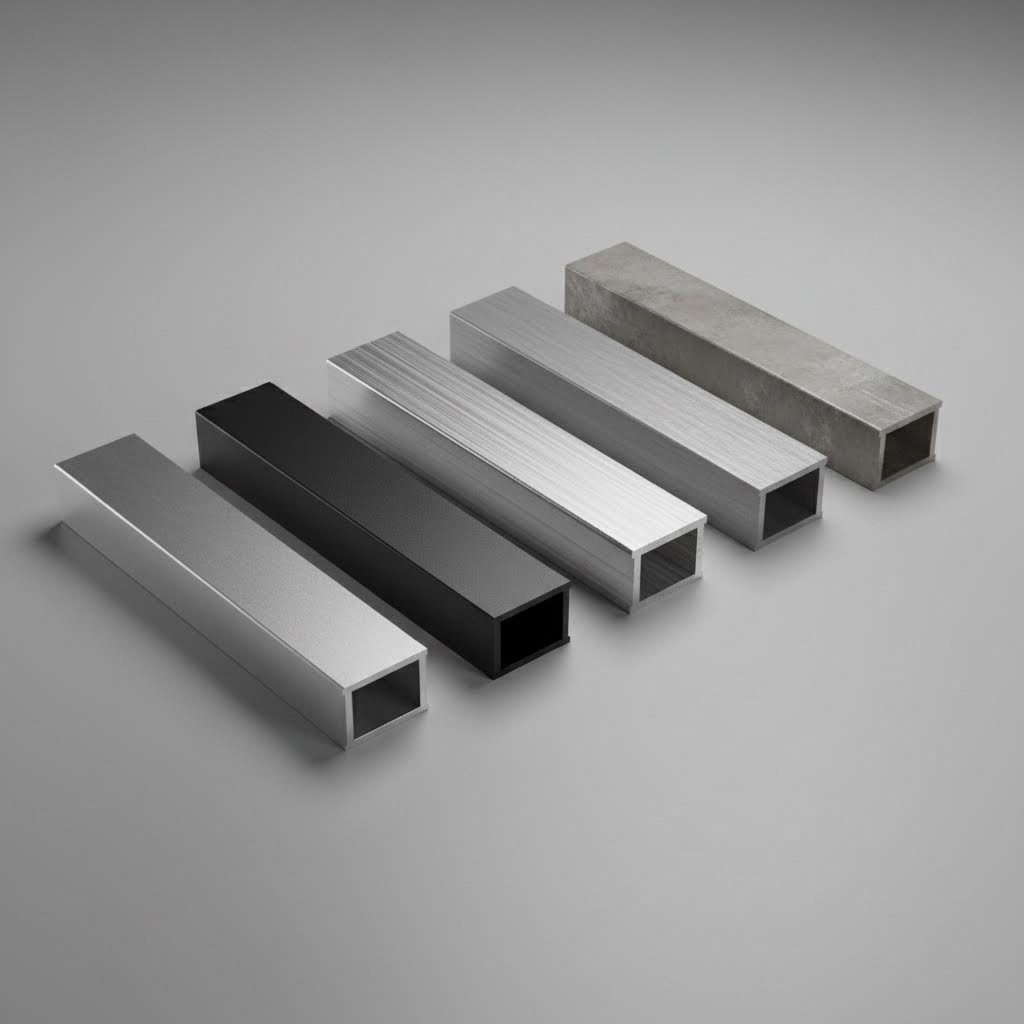
You've selected your material—now what happens to that raw aluminum surface? The finish you choose transforms basic aluminum z section extrusions from functional components into weather-resistant, visually appealing elements ready for demanding environments. Whether you're installing z trim in an architectural facade or specifying aluminum z flashing for exterior transitions, surface treatment directly impacts both performance longevity and aesthetic quality.
Raw aluminum naturally forms a thin oxide layer providing basic corrosion protection. However, according to CSM Fabrication's finishing guide, this natural film often falls short for demanding environments. That's where engineered surface treatments deliver measurable value—strengthening resistance to moisture, salt, and chemicals while adding color or texture for aesthetic purposes.
Two finishing methods dominate the aluminum z trim market: anodizing and powder coating. Both offer distinct advantages depending on your project requirements.
Anodizing is an electrochemical process that thickens aluminum's natural oxide layer into a hard, non-conductive surface highly resistant to corrosion. According to A-Line Automation's finishing research, this coating proves especially durable for outdoor applications while offering a variety of colors from light gray to black. The anodized layer actually becomes part of the aluminum rather than sitting on top—meaning it won't chip, peel, or flake like applied coatings might.
What makes anodizing particularly attractive for aluminum z flashing and architectural trim? The process creates consistent coloration throughout the coating thickness. When minor scratches occur, they don't reveal a contrasting base material beneath. This self-healing characteristic makes anodized profiles ideal for high-traffic installations where surface contact is inevitable.
Powder coating takes a different approach—spraying colored powder electrostatically onto aluminum surfaces, then curing at high temperatures to form a durable, bonded finish. As noted in industry finishing guides, powder coating resists scratches and wear better than anodizing in many applications, while offering virtually unlimited color options from metallic finishes to matte black.
The environmental advantages matter too. Powder coatings emit almost no volatile organic compounds (VOCs), making them an eco-friendly alternative to liquid paints. For z flashing aluminum installations where local environmental regulations apply, powder coating often satisfies compliance requirements more easily than solvent-based alternatives.
Beyond these two primary options, specialized treatments address specific performance requirements:
How do you choose? Consider these factors:
Remember that surface treatment selection also affects lead times and minimum order quantities. Standard anodized or powder-coated profiles may ship from stock, while custom colors or specialized treatments require production scheduling—an important consideration when planning your procurement timeline with manufacturers.
You've selected your aluminum z section extrusions, chosen the right finish, and received delivery—now what? This is where many projects stumble. Even the best material fails if poorly installed, and the gap between spec sheet and successful installation is where practical knowledge becomes invaluable. Let's walk through exactly how to mount, fasten, and handle Z sections for lasting performance.
What fastening approach works best for your Z section installation? The answer depends on your profile type, load requirements, and whether the application is permanent or adjustable.
According to installation specialists, most aluminum extrusion systems use standardized fasteners like T-nuts, M5–M8 bolts, Allen screws, and corner brackets. Thread type and depth must match your profile specifications—using the wrong screw or bolt can strip threads, cause loosening, or even crack profiles under load.
For z bar hanging system applications—commonly used in art galleries, commercial displays, and cabinet installations—the interlocking cleat method provides exceptional holding power. According to mounting system guides, the French cleat approach creates a tight, flush bond when two Z profiles interlock, distributing weight evenly across the entire mounting surface.
Key fastening considerations include:
One critical caution: tight bolts without washers may crush aluminum profiles and cause permanent surface damage. Always ensure full contact between mating surfaces—gaps reduce load strength and increase vibration.
Working with aluminum may seem straightforward, but sharp edges, awkward profile lengths, and cutting operations present real hazards. Following proper procedures protects both installers and materials.
Here's a step-by-step approach for successful Z section installation:
What is a z bar installation challenge that catches many first-timers off guard? Handling long profiles without assistance. According to safety guidelines, long aluminum extrusions should never be carried vertically by one person—they can fall, bend, or cause injury. Team lifting is strongly recommended for profiles exceeding 3 meters.
For z bar for siding applications, always tilt-mount profiles to ensure proper water drainage. And when cutting or drilling, wear safety goggles—aluminum cutting produces metal shavings that can cause serious eye injuries.
With proper installation techniques established, you're ready to explore how custom extrusion capabilities and supplier selection can further optimize your Z section procurement.
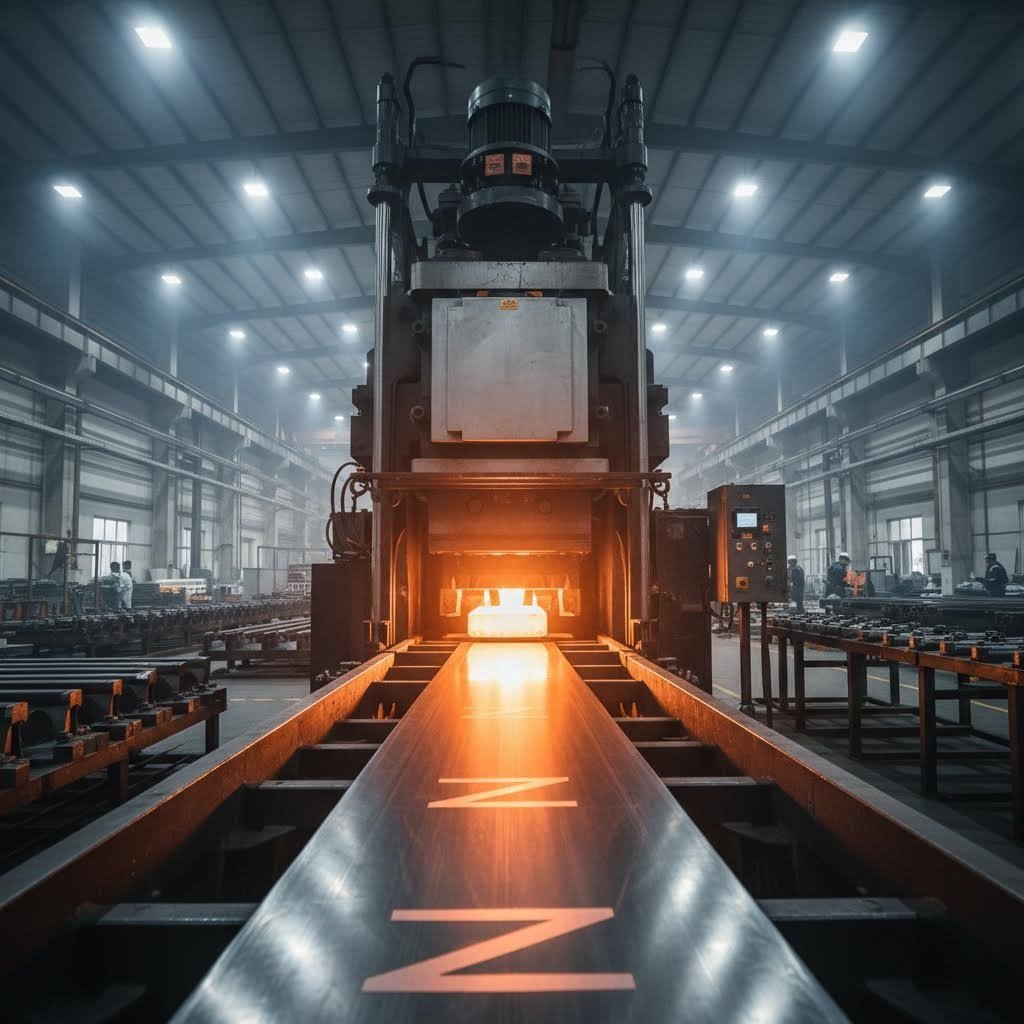
You've determined your profile geometry, material, finish, and installation approach—but what happens when off-the-shelf z channel aluminum doesn't quite match your project requirements? This is where custom extrusion capabilities become the bridge between standard catalog offerings and precisely engineered solutions. Understanding the procurement process helps you navigate minimum order quantities, lead times, and supplier selection with confidence.
Whether you're sourcing through industrial distributors like mcmaster carr aluminum extrusion catalogs or working directly with manufacturers, knowing what's customizable—and what it costs—positions you to make smarter purchasing decisions.
Custom aluminum z extrusion opens possibilities that standard profiles simply cannot address. But what exactly can manufacturers modify to meet your specifications?
According to industry manufacturing guides, custom extrusion enables the creation of complex geometries that reduce assembly steps and improve integration with other components. Engineers and architects can incorporate multiple functions into a single profile, optimizing performance while maintaining clean aesthetics.
Here's what you can customize in z aluminum channel profiles:
When developing custom z bar aluminum specifications, several design factors influence both production efficiency and end performance. As noted by extrusion specialists, maintaining uniform wall thickness helps ensure even material flow and consistent strength. Variations in thickness can cause uneven cooling, internal stress, or deformation during extrusion.
What design considerations matter most? Keep these principles in mind:
Collaborating with your manufacturer early in the design stage helps avoid tooling issues and ensures a more cost-effective, high-performing extruded channel solution.
How long will custom alu z profiles take to arrive? And what quantity must you commit to? These questions often determine whether custom extrusion makes practical sense for your project.
According to manufacturing process timelines, aluminum extrusion costs divide into two main categories: tooling costs and unit costs. Tooling includes designing and manufacturing the steel die—typically a fixed cost independent of order quantity. Once that die exists, parts can be produced in a matter of days.
Typical lead time expectations break down as follows:
What about minimum order quantities? This varies dramatically by supplier. Some manufacturers require thousands of meters to justify die investment, while others—like those specializing in custom work—offer flexibility for smaller runs. According to industry sources, certain suppliers maintain no minimum order quantity for extrusion, making them suitable for prototyping or limited production needs.
For buyers comparing mcmaster carr extruded aluminum convenience against direct manufacturer relationships, consider total project economics. Distributors offer fast shipping on standard profiles but limited customization. Direct manufacturer partnerships require longer lead times initially but deliver precisely engineered solutions at lower per-unit costs for volume orders.
Choosing an aluminum extrusion partner goes beyond price comparison. According to supplier selection research, the right partner affects your product design, manufacturing process, product quality, and cost throughout the project lifecycle.
What factors distinguish reliable suppliers from risky vendors? Evaluate these critical capabilities:
For projects requiring comprehensive custom aluminum extrusion services, manufacturers like Shengxin Aluminium offer significant advantages. Their facility houses 35 advanced extrusion presses ranging from 600T to 5500T—covering everything from small z channel aluminum trim to heavy-duty structural profiles. State-of-the-art CNC machining centers handle precise cutting, drilling, and bending to exact specifications, while end-to-end support spans from die development through mass production.
Red flags to watch for when evaluating suppliers include:
The most valuable suppliers function as extensions of your team, contributing to product improvement and operational efficiency rather than simply filling orders.
With procurement fundamentals established, you're equipped to match the right Z section profile to your specific project requirements—the final step in transforming specifications into installed structures.
You've navigated the technical specifications, compared materials, evaluated finishes, and explored supplier options. Now comes the moment of decision—matching all these variables to your specific project requirements. Selecting the right aluminum z profile isn't about finding a single "best" option; it's about identifying which combination of geometry, material, and finish delivers optimal performance for your unique application.
Think of this final step as assembling a puzzle. Each piece—profile dimensions, alloy choice, surface treatment, and supplier capabilities—must fit together to create a complete solution. Let's break down exactly how to make that match.
Start by asking yourself four essential questions that align with your project's demands:
What loads will the profile carry? For structural applications requiring maximum strength, specify larger cross-sections with adequate wall thickness—typically 3mm or greater for load-bearing aluminum zee installations. Lighter decorative or transitional applications may need only 1.5mm to 2mm profiles. According to industry guidance, understanding load-bearing requirements upfront prevents both over-engineering (wasting budget) and under-specifying (risking failure).
What environment will the profile face? Coastal installations demand superior corrosion resistance—anodized 6063 alloy with PVDF coating provides decades of protection against salt spray. Interior applications may require only mill finish or basic powder coating. For z molding in architectural facades, UV resistance becomes critical; PVDF-coated profiles maintain color integrity far longer than standard finishes.
What aesthetic requirements exist? Visible aluminum z sections in retail or commercial spaces often demand custom colors and premium finishes. Hidden structural profiles can prioritize function over appearance. The finish choice directly impacts both initial cost and long-term maintenance needs.
What's your total project timeline? Standard stocked profiles ship within days; custom extrusions may require 4-8 weeks including die development. According to procurement specialists, planning lead times alongside installation schedules prevents costly delays.
The most critical selection criteria for aluminum Z sections: Match profile geometry to your load requirements, choose alloys based on strength versus corrosion priorities, specify finishes appropriate for environmental exposure, and partner with suppliers offering the technical support your project complexity demands.
Create a decision checklist before contacting suppliers:
When your project demands move beyond standard catalog offerings—whether that's custom z wall profiles, specialized finishes, or precision-machined features—working directly with an experienced manufacturer transforms complexity into confidence.
For readers seeking custom aluminum z section solutions, Shengxin Aluminium's deep processing services offer compelling advantages. With over 30 years of industry experience, their facility houses 35 advanced extrusion presses ranging from 600T to 5500T—covering everything from small decorative trim to heavy structural profiles. State-of-the-art CNC machining centers deliver precise cutting, drilling, and bending to exact specifications.
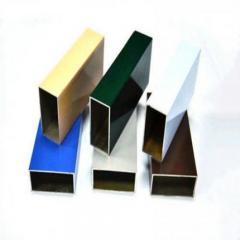
What sets comprehensive manufacturers apart? The range of surface treatments available under one roof. Beyond standard anodizing and powder coating, options like PVDF for architectural facades and micro-arc oxidation for demanding industrial applications ensure your profiles meet exact performance requirements. Custom colors—including champagne and rose gold anodized finishes—address aesthetic specifications that standard distributors cannot match.
The factory-direct pricing model eliminates middleman markups, while end-to-end support spans from initial die development through mass production and quality verification. This integrated approach reduces coordination complexity and delivers consistent results.
Whether you're specifying aluminum zee profiles for construction framing, architectural facades, or specialized industrial applications, the path from specification to installed structure follows the same fundamentals: understand your requirements, match profiles to performance needs, and partner with suppliers whose capabilities align with your project's complexity.
Ready to move forward? Request samples, discuss custom specifications with technical teams, and verify that your supplier can deliver the quality, lead times, and support your project demands. The difference between adequate and excellent outcomes often comes down to the questions you ask before placing that order.
Extruded Z sections are produced by forcing heated aluminum through a precision die, creating seamless profiles with consistent wall thickness and superior dimensional accuracy. Formed Z sections start as flat aluminum sheet bent into shape using brake presses or roll-forming equipment. Extruded profiles offer tighter tolerances (typically +/- 0.15mm), continuous molecular structure for better strength, and suitability for complex geometries. Formed sections are more economical but may show thickness variations at bend points.
The choice depends on your application. Aluminum 6061 offers higher strength with a Brinell hardness of 95, making it ideal for structural braces, aerospace components, and machinery parts. Aluminum 6063, often called architectural aluminum, provides superior corrosion resistance, excellent anodizing results, and better formability—perfect for visible architectural applications. Both alloys are heat-treatable for enhanced mechanical properties.
Aluminum Z sections serve diverse industries including construction (z-furring channels for drywall systems, framing, and insulation support), architecture (rainscreen facades, panel mounting, shadow box framing), exterior transitions (z flashing for water protection at roof-wall intersections and siding transitions), aerospace (fuselage stringers, floor beams, electronics housings), and solar installations (panel mounting systems). Their offset geometry makes them ideal for bridging surfaces at different planes.
Aluminum Z sections weigh approximately one-third of equivalent steel profiles, offering significant advantages for rooftop installations and portable equipment. Aluminum provides natural corrosion resistance without coatings, while steel requires protective treatments to prevent rust. Steel offers higher raw strength for heavy industrial loads. For total lifecycle costs, aluminum often proves more economical due to minimal maintenance requirements, especially in moisture-prone environments.
Common finishes include mill finish (raw, economical for hidden applications), anodizing (electrochemical process creating hard, corrosion-resistant surfaces in various colors), powder coating (virtually unlimited colors with excellent scratch resistance), and PVDF coating (premium option with 20-year warranties against fading for architectural facades). Specialized options include brushed finishes, sandblasting, and chrome plating. Manufacturers like Shengxin Aluminium offer comprehensive surface treatments including custom anodizing colors.



 dịch vụ trực tuyến
 0086 136 3563 2360
 sales@sxalu.com
 +86 136 3563 2360
 Việt
Việt English
 français
 Deutsch
 русский
 español
 português
 العربية
 ไทย
ไทย Українська